News

How Do Industrial Blower Fans Support Stable Airflow in Industrial Systems?

2025-12-22 0 Leave me a message

Abstract

Industrial Blower Fans play a critical role in maintaining controlled airflow, pressure balance, and thermal stability across a wide range of industrial environments. From manufacturing plants and power generation facilities to material handling and environmental control systems, these fans are designed to deliver reliable air movement under demanding conditions. 

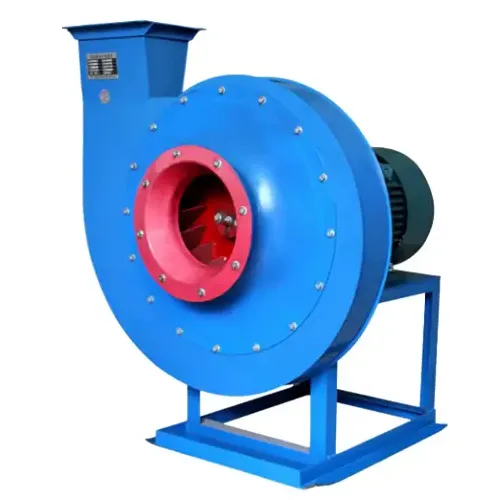
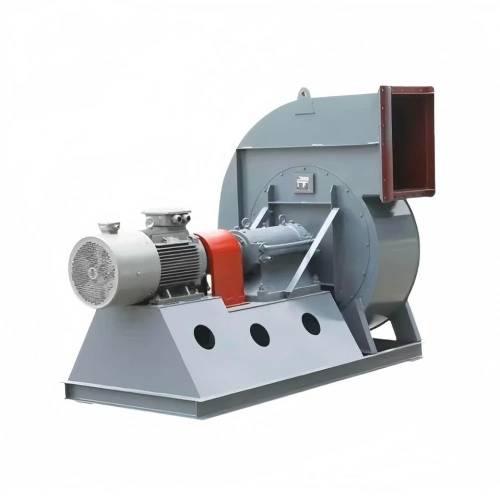
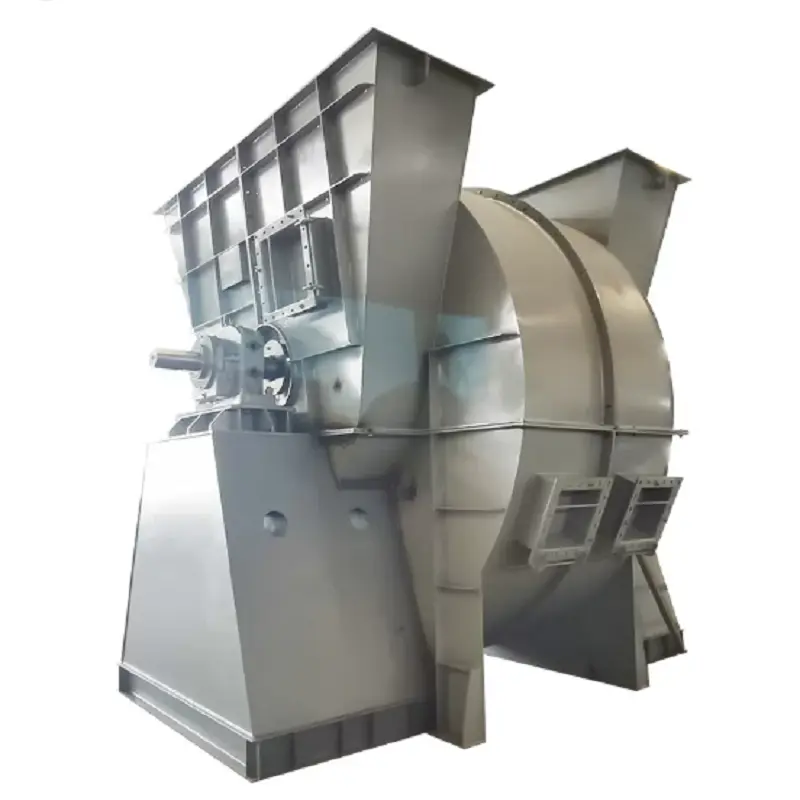
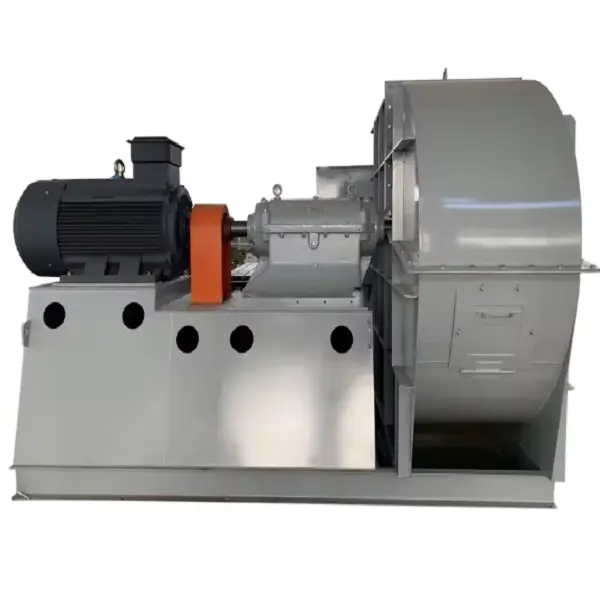
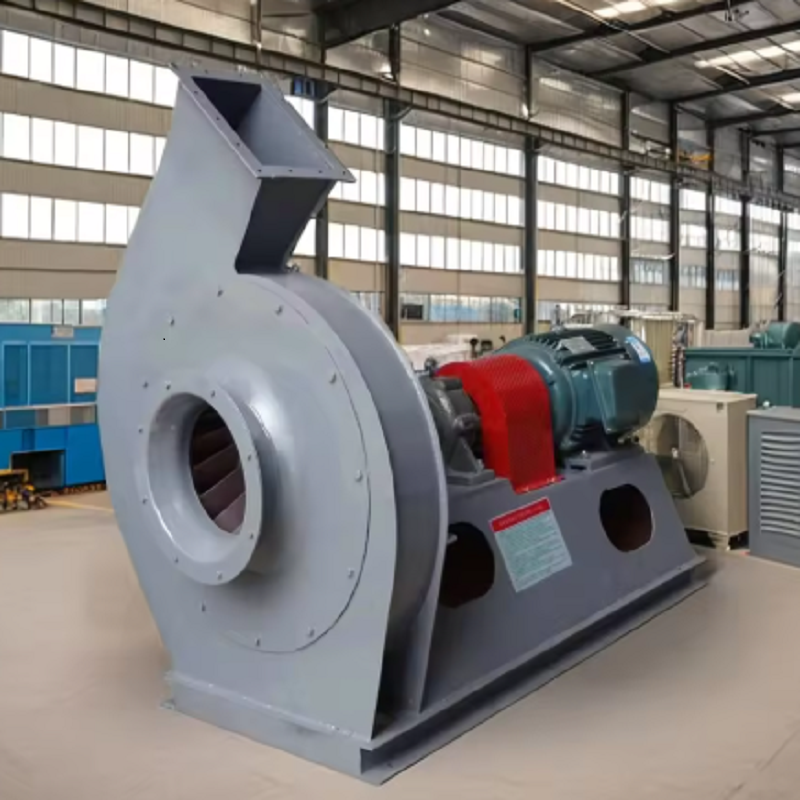
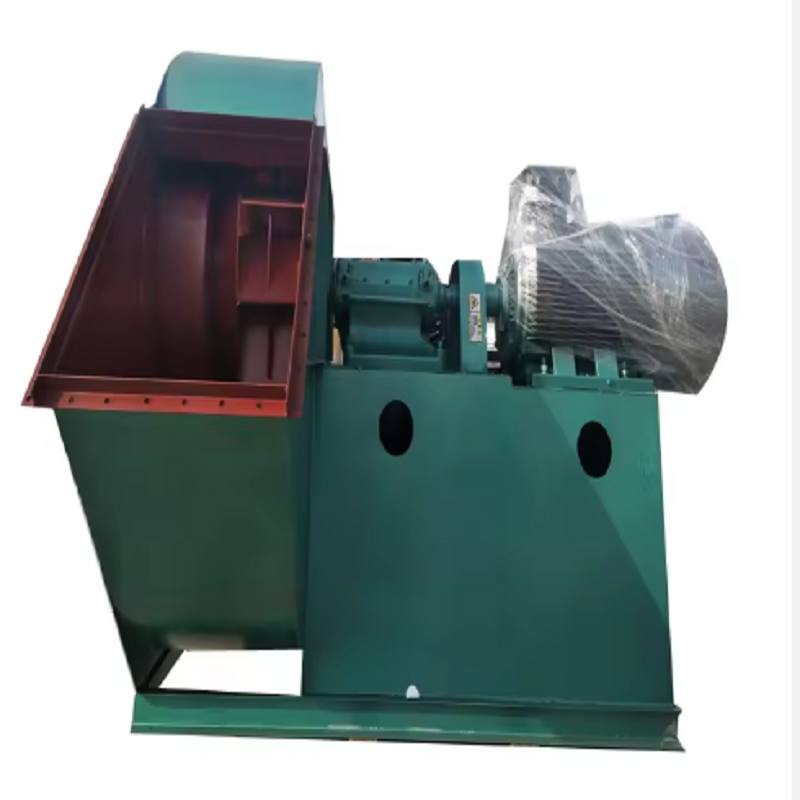
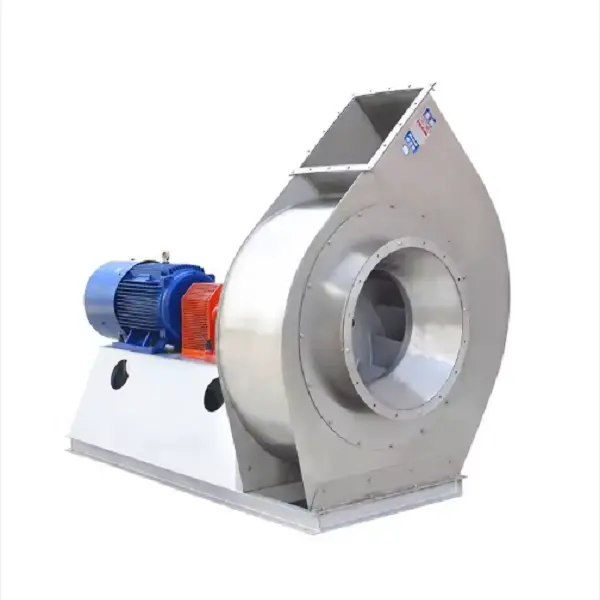
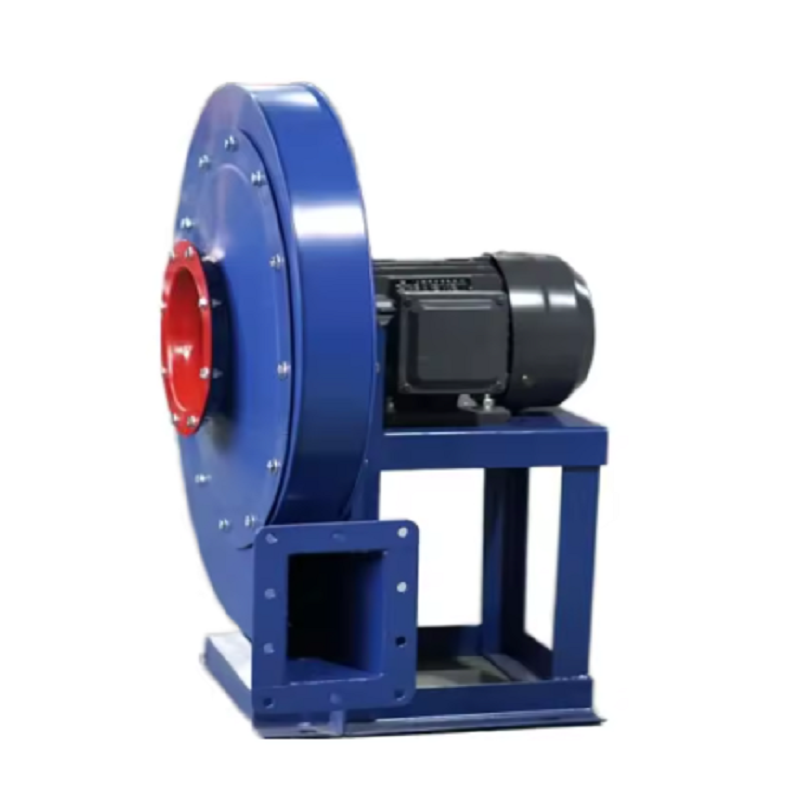
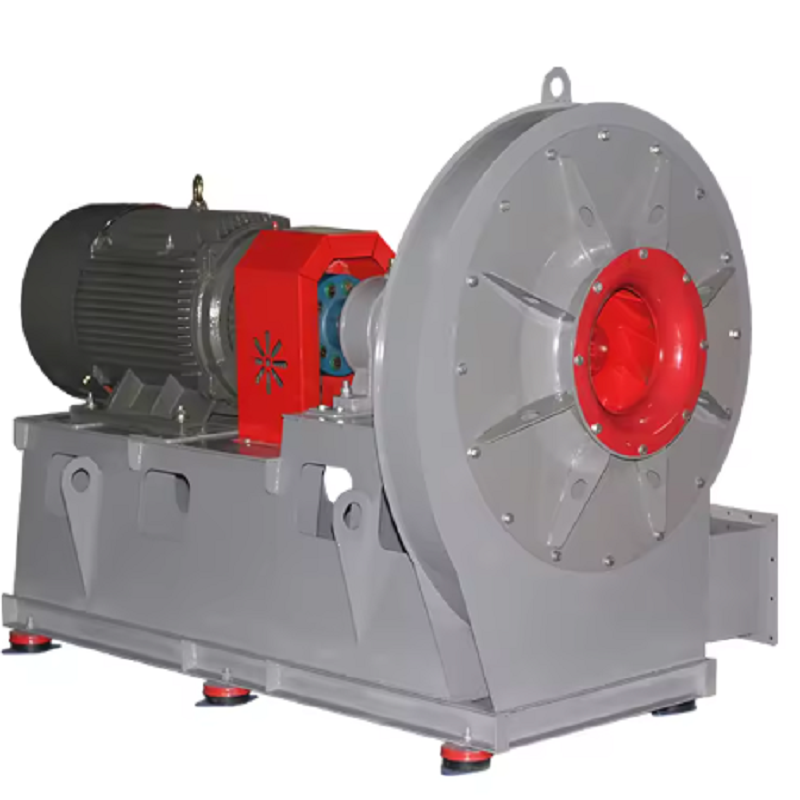
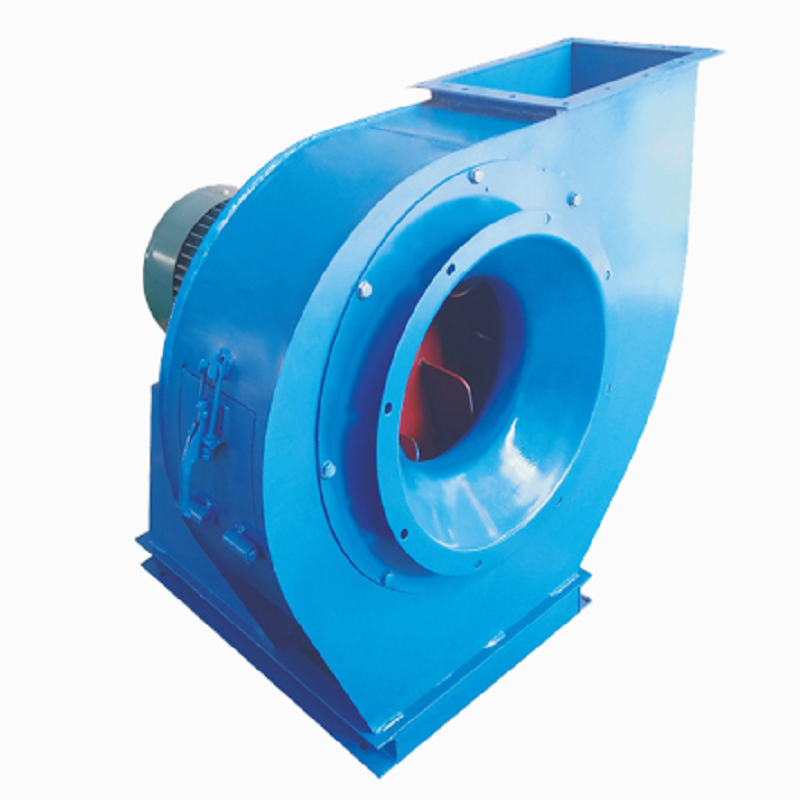
Industrial High Pressure Blower


Outline

  • Industrial Blower Fan Overview and Core Purpose
  • How Industrial Blower Fans Are Engineered for Industrial Demands
  • How Performance Parameters Influence System Design
  • How Industrial Blower Fans Adapt to Future Industrial Requirements

Table of Contents


How Does an Industrial Blower Fan Function Within Industrial Systems?

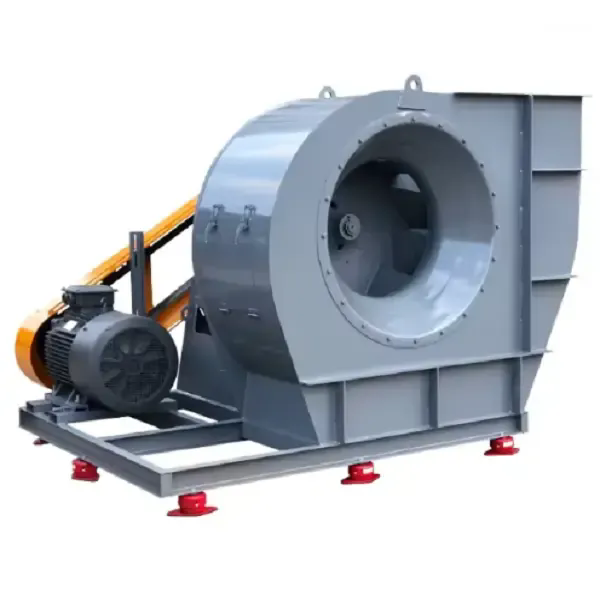
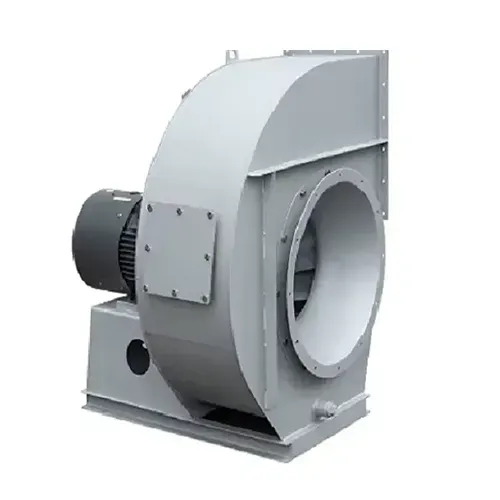
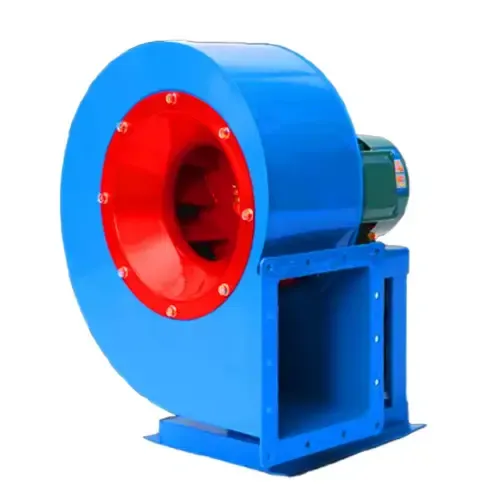
An Industrial Blower Fan is a mechanical device designed to generate airflow by increasing the velocity and pressure of air or gas. Unlike standard ventilation fans, industrial blowers are engineered to operate continuously under high loads, elevated temperatures, and complex airflow resistance. They are commonly integrated into ducted systems where precise air delivery is required.

At the core of an Industrial Blower Fan is the impeller, which rotates at controlled speeds to draw air into the housing and discharge it at a specified pressure. Depending on system requirements, centrifugal or axial configurations are selected to match airflow direction, pressure demands, and space constraints. The interaction between motor efficiency, impeller geometry, and housing design determines overall performance stability.

In industrial systems, blower fans support dust extraction, combustion air supply, cooling processes, material conveying, and emissions control. Their role is not isolated; they are a functional component within a broader mechanical and environmental control framework.


How Are Industrial Blower Fan Parameters Defined and Evaluated?

The performance of an Industrial Blower Fan is evaluated through a series of standardized parameters that ensure compatibility with industrial system requirements. These parameters allow engineers to predict airflow behavior, energy consumption, and operational reliability.

Parameter Description
Airflow Capacity (CFM / m³/h) Defines the volume of air the blower can move within a given time frame under specified conditions.
Static Pressure (Pa) Indicates the blower’s ability to overcome resistance from ducts, filters, and system components.
Motor Power (kW) Represents the electrical input required to drive the impeller at rated performance levels.
Rotational Speed (RPM) Determines airflow velocity and pressure characteristics based on impeller design.
Operating Temperature Range Specifies acceptable ambient and process air temperatures for continuous operation.

These parameters are typically assessed according to internationally recognized testing standards to ensure accuracy and repeatability. Proper parameter matching minimizes system losses, reduces mechanical stress, and supports long-term operational stability.


How Do Industrial Blower Fans Perform Across Application Scenarios?

Industrial Blower Fans are deployed across diverse sectors due to their adaptability and scalable performance. In manufacturing environments, they regulate airflow for drying, cooling, and dust management. In energy and power facilities, they support combustion processes and heat dissipation. Environmental systems rely on blower fans to maintain controlled air exchange and emissions handling.

Performance consistency is achieved through material selection, structural reinforcement, and precision balancing. Housings are often fabricated from carbon steel or stainless steel to withstand corrosion and vibration. Bearings and seals are selected to support continuous duty cycles and minimize maintenance frequency.

Industrial Blower Fan – Common Questions and Answers

How is an Industrial Blower Fan different from a standard industrial fan?
An Industrial Blower Fan is designed to generate higher pressure and controlled airflow within ducted systems, whereas standard fans typically focus on open-air circulation with limited pressure capability.

How is airflow calculated for an Industrial Blower Fan system?
Airflow is calculated based on system resistance, duct layout, required air changes, and process-specific demands. These variables are analyzed using fan curves and system curves to identify optimal operating points.

How often should Industrial Blower Fans be inspected?
Inspection frequency depends on operating conditions, but routine checks of bearings, impellers, and motor alignment are recommended to ensure continuous and stable performance.


How Will Industrial Blower Fans Evolve With Industry Requirements?

As industrial systems become more automated and energy-conscious, Industrial Blower Fans are evolving to meet stricter efficiency and control expectations. Integration with variable frequency drives allows for precise airflow modulation, reducing energy consumption during partial load operation. Advanced monitoring systems enable predictive maintenance by tracking vibration, temperature, and power usage.

Material engineering and aerodynamic optimization continue to improve durability and noise control, aligning blower performance with modern workplace standards. These developments position Industrial Blower Fans as long-term infrastructure components rather than standalone mechanical devices.

Within this evolving landscape, Hebei Ketong provides Industrial Blower Fan solutions designed to align with industrial performance expectations and operational reliability. Product configurations are developed to support diverse application requirements while maintaining consistent quality control.

For detailed technical discussions, customized specifications, or application-specific recommendations, contact us to engage with a professional team focused on industrial airflow system integration.

Related News
Leave me a message
X
We use cookies to offer you a better browsing experience, analyze site traffic and personalize content. By using this site, you agree to our use of cookies. Privacy Policy
Reject Accept