News

How to Optimize Boiler Induced Draft Fan Performance?

2025-12-24 0 Leave me a message

Article Summary: Boiler Induced Draft Fans (ID Fans) play a crucial role in controlling airflow and pressure within industrial boiler systems. This article delves into detailed product specifications, operational principles, maintenance strategies, and common questions, providing industry professionals with an authoritative guide on optimizing ID fan performance.

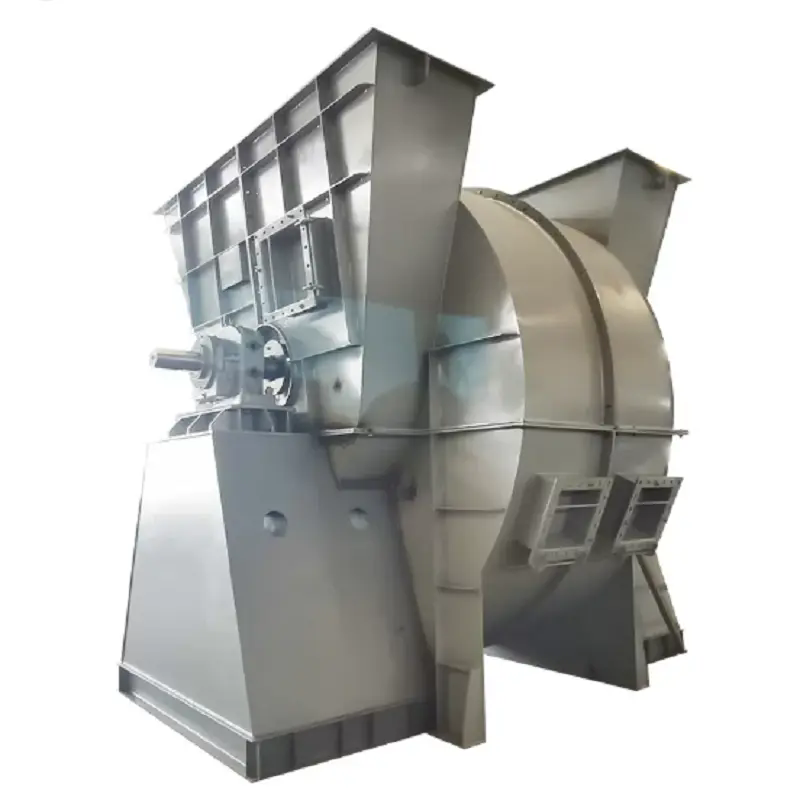
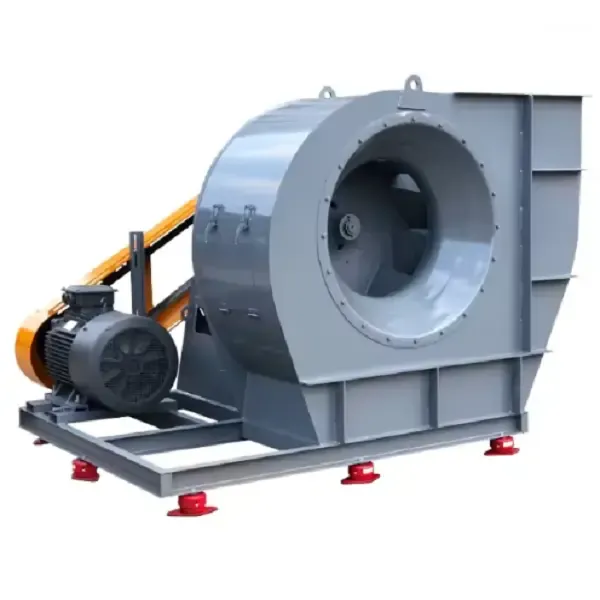
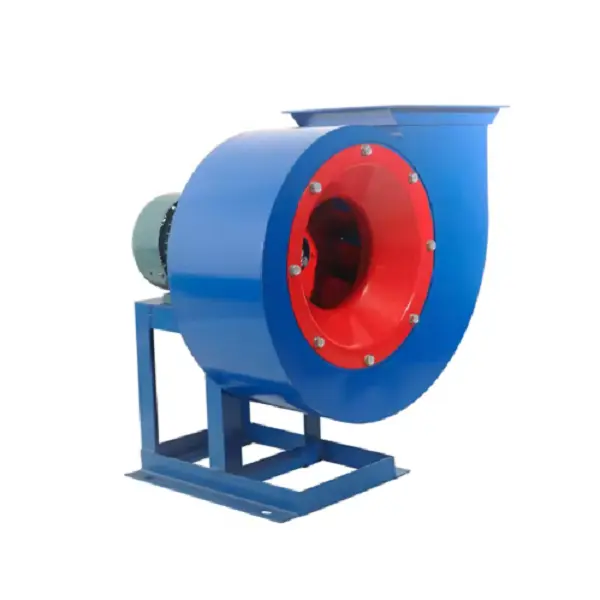
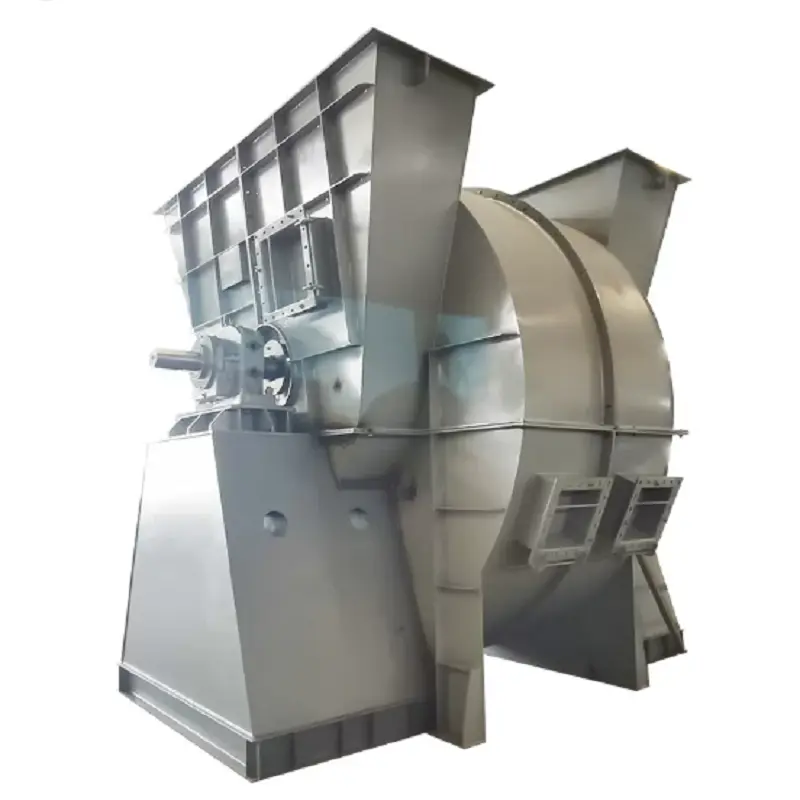
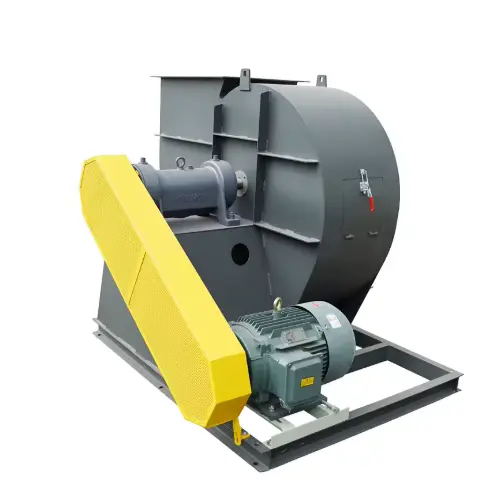
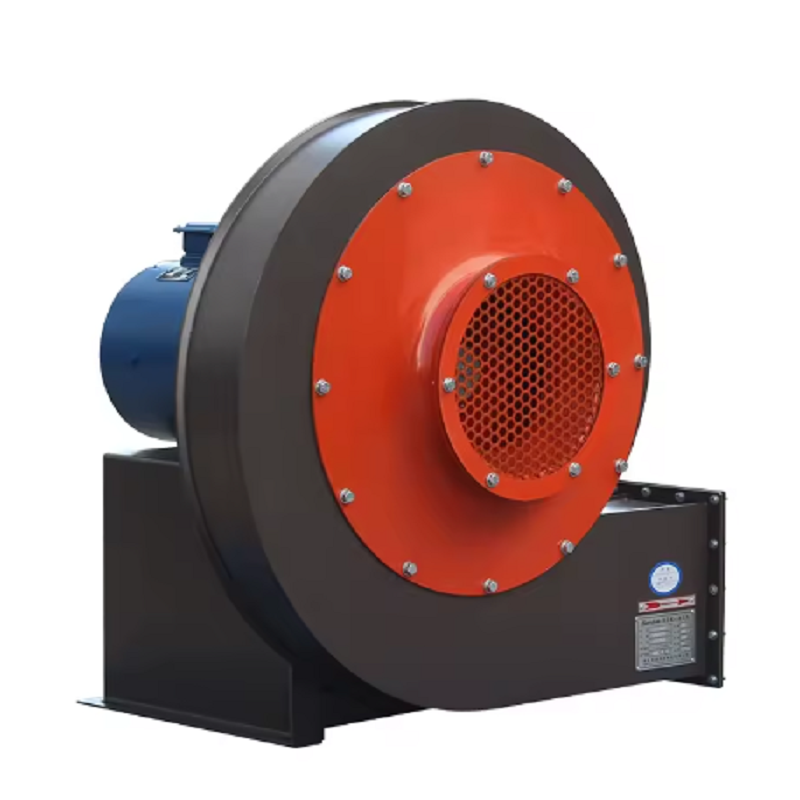
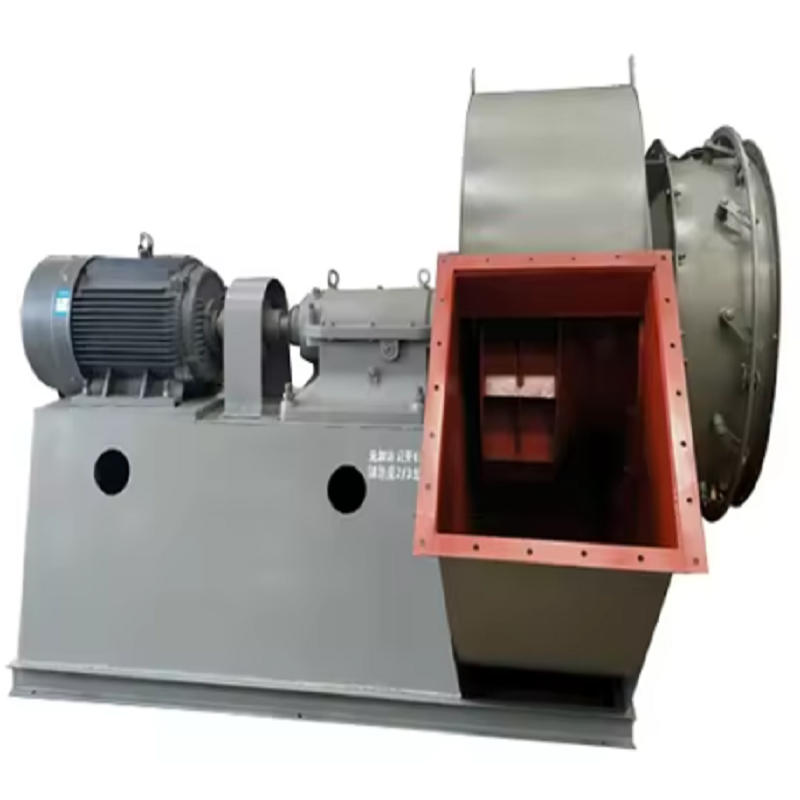
Type F Induced Draft Fan


Table of Contents


1. Introduction to Boiler Induced Draft Fan

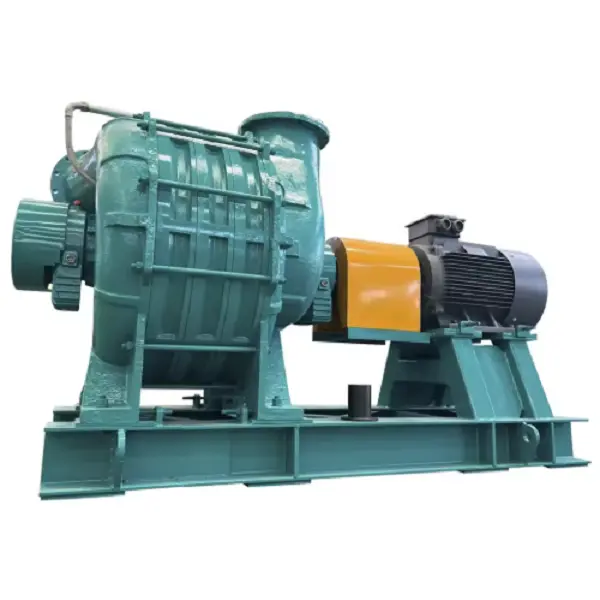
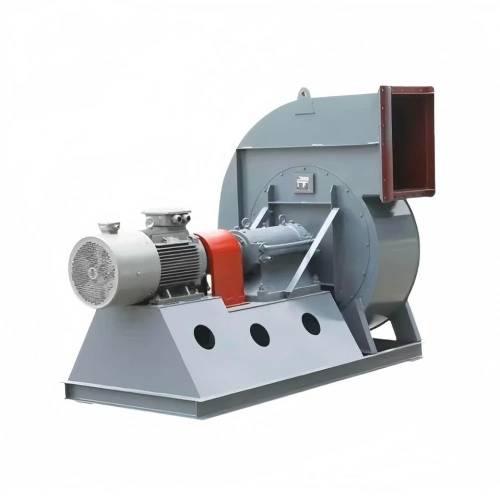
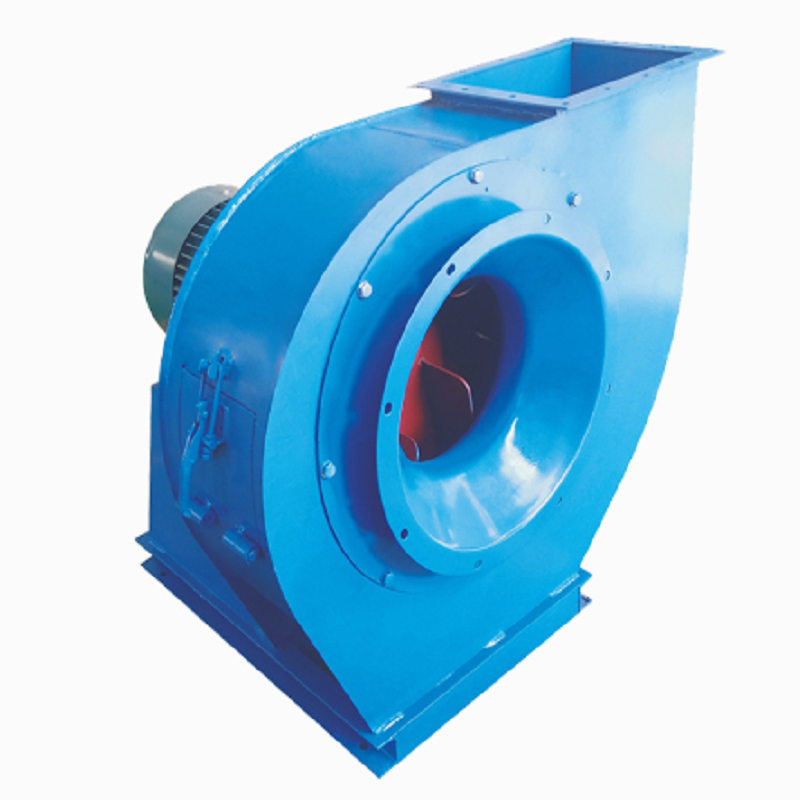
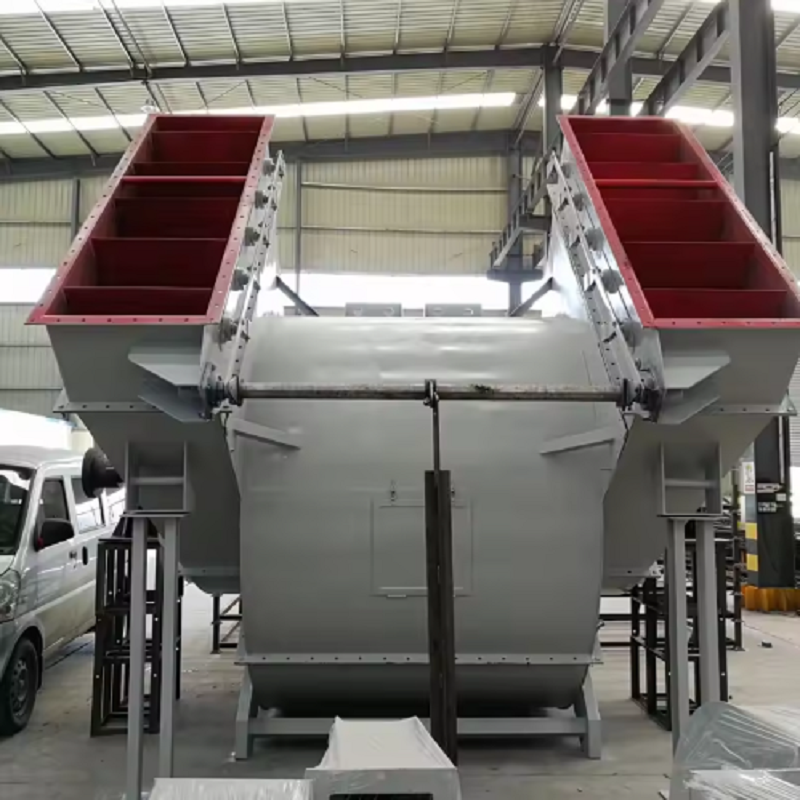
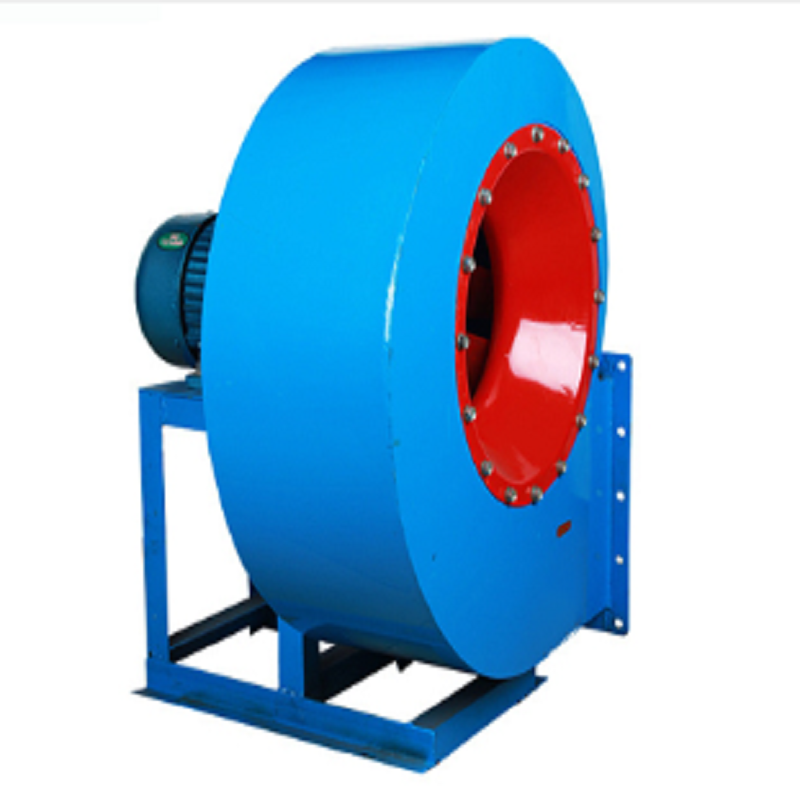
Boiler Induced Draft Fans (ID Fans) are essential components in industrial boiler systems, responsible for maintaining efficient combustion and regulating flue gas flow. ID Fans create a negative pressure within the boiler furnace, ensuring that flue gases are extracted efficiently and preventing backflow. They are critical for achieving high thermal efficiency and controlling emissions.

The central focus of this article is to provide a detailed understanding of Boiler Induced Draft Fans, including performance optimization strategies, parameter specifications, and maintenance guidelines. Professionals seeking to enhance operational efficiency, reduce energy consumption, and extend equipment life will find this guide valuable.


2. Product Specifications and Parameters

Boiler Induced Draft Fans are engineered for high reliability and adaptability in various industrial settings. Below is a detailed table outlining key parameters for standard industrial ID Fans:

Parameter Specification
Type Centrifugal Induced Draft Fan
Airflow Capacity 50,000 – 250,000 m³/h
Static Pressure 1,500 – 4,500 Pa
Motor Power 45 – 220 kW
Fan Speed 1,000 – 3,000 RPM
Material Carbon Steel / Stainless Steel Options
Temperature Range -20°C to 450°C
Application Coal-fired Boilers, Biomass Boilers, Industrial Steam Systems
Noise Level <85 dB

These specifications ensure that Boiler Induced Draft Fans can operate under high thermal stress and varying environmental conditions while maintaining stable airflow and efficient combustion.


3. Operational Guidelines and Maintenance

How to Install a Boiler Induced Draft Fan?

Installation must follow precise alignment and vibration control standards. Mounting the fan on a stable base, connecting the fan to the ductwork with flexible connectors, and ensuring proper motor alignment are crucial for long-term performance.

How to Monitor and Adjust Fan Performance?

Regular monitoring of fan speed, vibration levels, and temperature ensures optimal operation. Adjusting damper positions and inspecting bearings help maintain airflow consistency and reduce wear on fan blades.

How to Conduct Routine Maintenance?

Maintenance involves lubrication of bearings, cleaning of fan blades, and inspection of the drive system. Regular checks prevent corrosion, imbalance, and excessive noise, ensuring continuous performance over extended operational cycles.

How to Optimize Energy Efficiency?

Implementing variable frequency drives (VFDs) and performing periodic airflow analysis can reduce energy consumption. Optimizing fan operation in accordance with boiler load minimizes unnecessary power usage while maintaining negative pressure.


4. Common Questions About Boiler Induced Draft Fans

Q1: What is the typical lifespan of an ID Fan?

A1: The lifespan of a Boiler Induced Draft Fan depends on operating conditions, maintenance frequency, and material quality. With standard maintenance and high-quality components, ID Fans can last 10–15 years in industrial settings. Regular monitoring of vibration and bearing health is critical to prevent premature failure.

Q2: How can abnormal noise be diagnosed?

A2: Abnormal noise may indicate bearing wear, fan blade imbalance, or duct resonance issues. Conducting vibration analysis, inspecting blade integrity, and checking for loose components allows for accurate diagnosis and timely corrective measures.

Q3: What are common causes of airflow reduction?

A3: Airflow reduction can be caused by duct leakage, obstruction in the fan inlet or outlet, improper damper settings, or wear in fan impellers. Systematic inspection of ducts, regular cleaning, and maintaining blade alignment ensures consistent airflow performance.

Q4: How to select the right ID Fan for a boiler system?

A4: Selection involves evaluating boiler capacity, flue gas volume, pressure requirements, and temperature conditions. Consulting detailed performance curves and manufacturer recommendations ensures compatibility and efficiency in operation.


5. Conclusion and Brand Information

Boiler Induced Draft Fans are indispensable for industrial boiler efficiency, operational safety, and emission control. By adhering to precise installation, monitoring, and maintenance guidelines, professionals can ensure long-term reliability and optimal energy utilization. Hebei Ketong manufactures high-quality Boiler Induced Draft Fans designed for diverse industrial applications, offering reliable performance and customized solutions for various boiler systems.

For inquiries, specifications, or detailed consultation regarding Boiler Induced Draft Fans, contact us today to discuss tailored solutions for your industrial needs.

Related News
Leave me a message
X
We use cookies to offer you a better browsing experience, analyze site traffic and personalize content. By using this site, you agree to our use of cookies. Privacy Policy
Reject Accept