News

Why Does a Boiler Fan Make or Break Boiler Performance?

2026-01-07 0 Leave me a message

Article Abstract

A Boiler Fan looks like “just another rotating machine” until it becomes the reason a boiler can’t hold pressure, can’t meet stack limits, or can’t run without constant alarms. Most real-world problems trace back to mismatched airflow, unstable draft, poor sealing, vibration, abrasive dust, or a control method that wastes power. This article breaks down the most common pain points, the key fan types used around boilers, what data you should collect before buying, and how to improve efficiency and reliability without guesswork. You’ll also find checklists, tables, and a troubleshooting section you can use immediately on-site.


Table of Contents

  1. What problems usually point to the wrong Boiler Fan?
  2. Which Boiler Fan type fits your boiler?
  3. How do you size a Boiler Fan without guesswork?
  4. How can a Boiler Fan cut power costs and emissions?
  5. How do you keep a Boiler Fan running smoothly?
  6. What should be in a Boiler Fan specification sheet?
  7. What can a manufacturer do to reduce your project risk?
  8. FAQ

Outline

  • Identify symptoms: unstable draft, soot, high power draw, frequent bearing failures, dust leakage.
  • Match function: combustion air supply vs. flue gas extraction vs. pneumatic conveying or secondary air support.
  • Collect data: flow rate, pressure, temperature, gas composition, dust load, altitude, control strategy.
  • Focus on lifetime value: efficiency curve, vibration margin, materials, sealing, and maintainability.
  • Use a clear spec + acceptance criteria to avoid surprises after installation.
Quick reality check: If your team is constantly “tuning” dampers to keep combustion stable, or your fan runs at full speed with a half-closed damper, you’re paying extra electricity to create losses on purpose. That’s fixable.

What Problems Usually Point to the Wrong Boiler Fan?

Boilers are sensitive systems: fuel, air, and draft must stay in balance. When the Boiler Fan is poorly matched or operating outside its best range, small inefficiencies become big operational headaches. Here are the pain points that show up most often in the field:

  • Unstable combustion: flame fluctuation, frequent burner trips, CO spikes, soot formation, or inconsistent steam output.
  • Draft issues: furnace pressure swings, backflow at inspection doors, or smoke/dust leakage into the boiler house.
  • High energy bills: fan motor runs hot, amperage stays high, or dampers are always throttling to “control” flow.
  • Vibration and noise: bearings fail early, couplings wear out, base bolts loosen, and vibration alarms become normal.
  • Abrasive or sticky dust damage: impeller erosion, casing wear, imbalance buildup, and frequent cleaning shutdowns.
  • Poor maintainability: hard-to-access bearings, weak inspection ports, long downtime for routine maintenance.

The good news is that most of these issues are predictable once you look at three things: the required operating point (flow and pressure), the real gas conditions (temperature, density, dust), and the control method (throttle vs. variable speed).


Which Boiler Fan Type Fits Your Boiler?

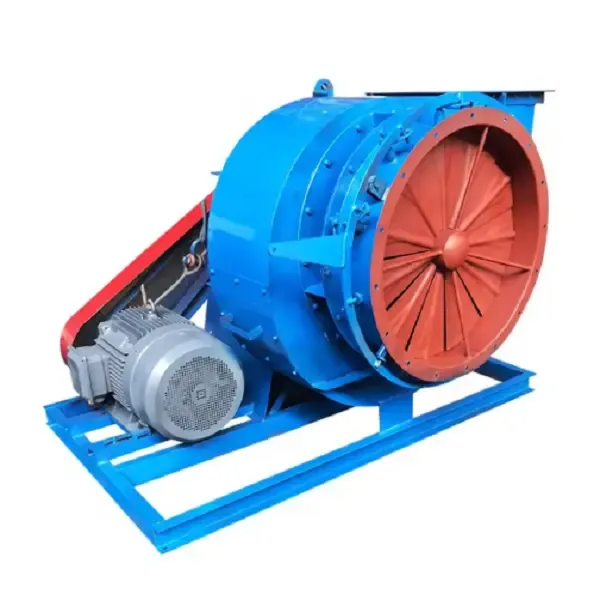
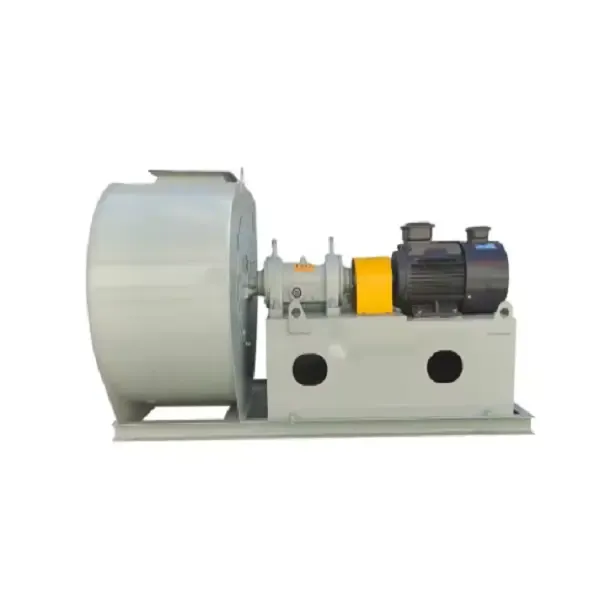
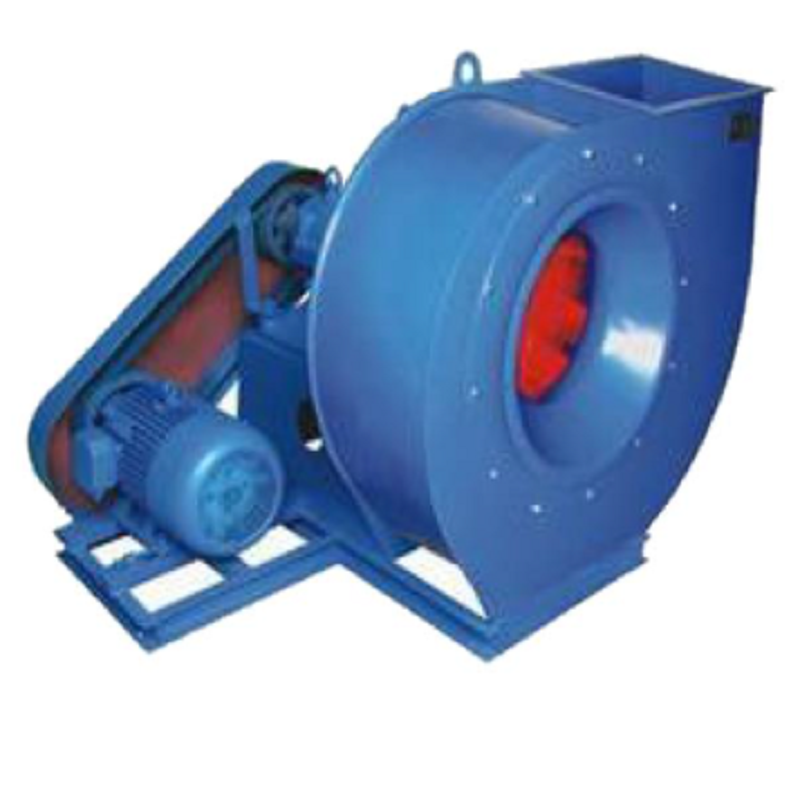
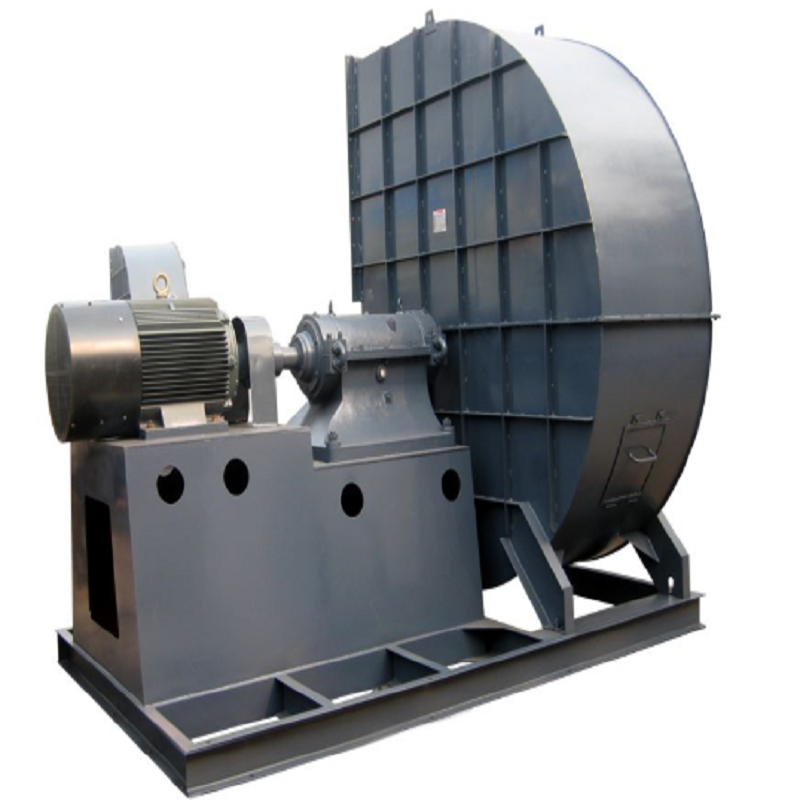
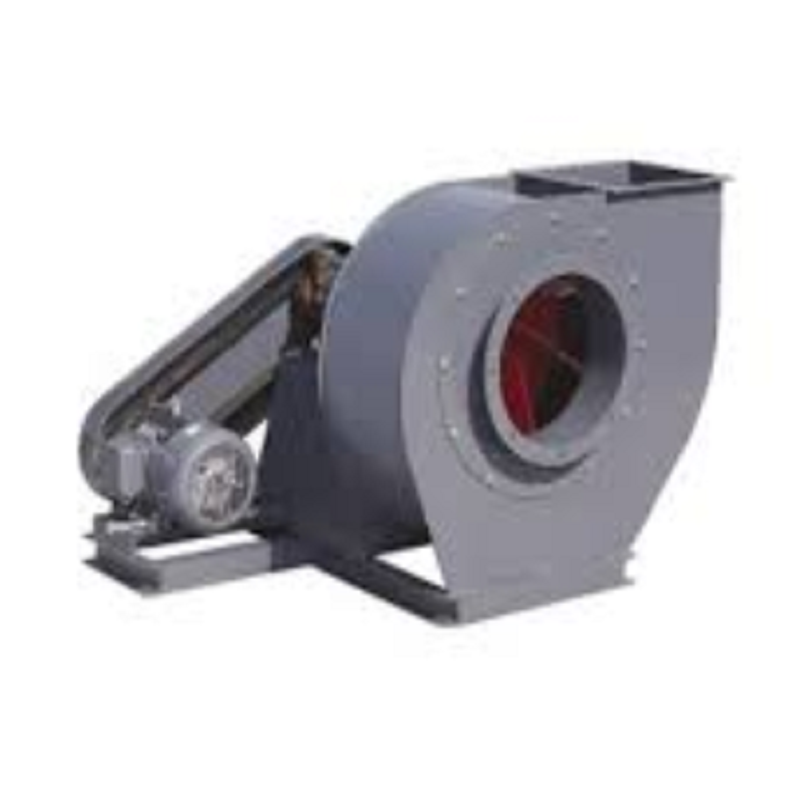
Boiler Fan

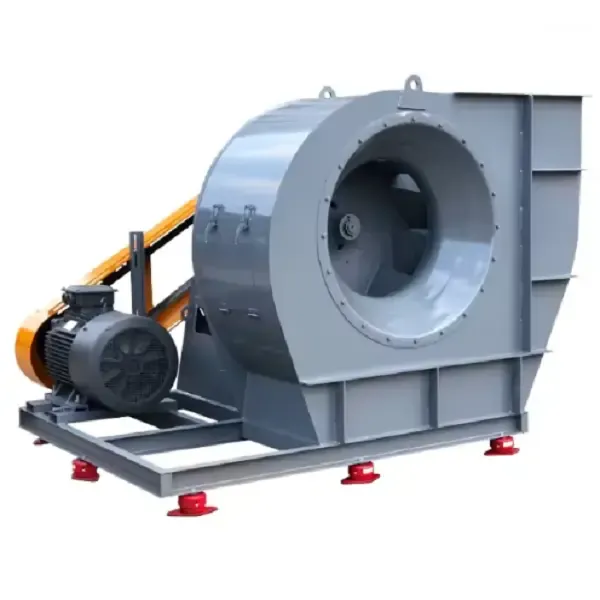
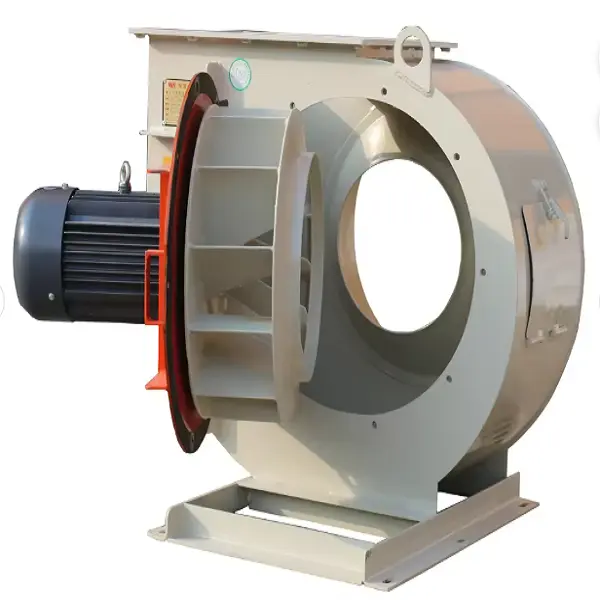
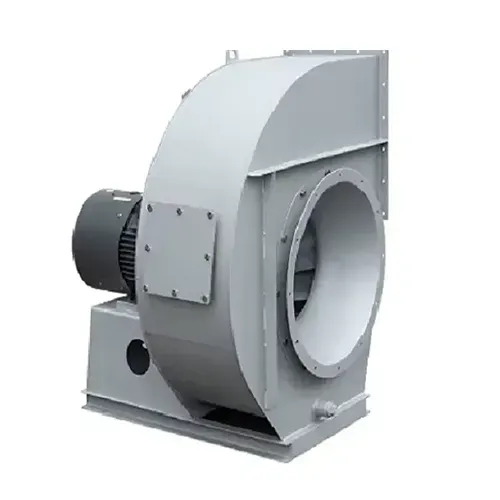
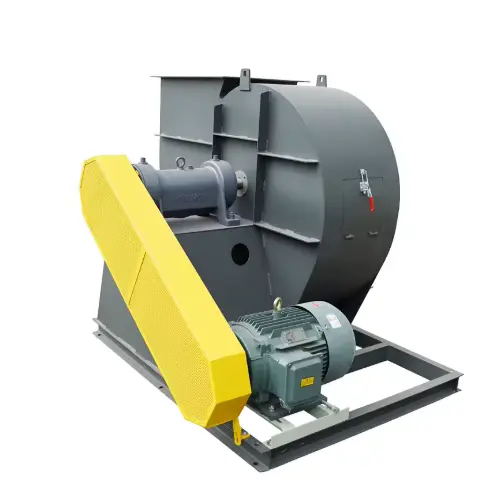
“Boiler Fan” is often used as an umbrella term. In practice, different fans serve different jobs around a boiler system. Confusing these functions is a fast way to end up with the wrong pressure margin, the wrong materials, or the wrong control behavior. Use the table below as a practical map.

Fan role Main purpose What it moves Typical pain points What to specify clearly
Forced Draft fan (FD) Supplies combustion air to burners/furnace Ambient air (sometimes preheated) Excess power draw, noisy operation, unstable air distribution Airflow range, static pressure, inlet temperature, control method
Induced Draft fan (ID) Pulls flue gas through boiler and stack to maintain draft Hot flue gas (often dusty/corrosive) Impeller wear, dust buildup imbalance, leakage at seals, high vibration Gas temperature, dust load, corrosion factors, sealing and materials
Primary Air fan (PA) Supports fuel conveying and combustion stability in some systems Air (sometimes mixed with fuel particles) Erosion, unstable conveying, frequent plugging in harsh conditions Particle content, velocity requirements, abrasion protection approach
Secondary Air support Improves mixing, reduces CO/soot, stabilizes flame Air delivered to specific zones Uneven flow, poor tuning, hot spots in furnace Distribution needs, duct layout constraints, balancing requirements

In plain language: FD is about giving the flame what it needs, ID is about keeping the furnace “breathing” correctly, and other auxiliary fans support how fuel and air mix. If your boiler house calls everything a Boiler Fan, make sure you label the actual role in your documents.


How Do You Size a Boiler Fan Without Guesswork?

A common procurement mistake is buying based on nameplate power or a “similar project” photo. Proper sizing starts with basic operating data. If you can provide the items below, a manufacturer can select a fan that hits the duty point with margin, and still operates efficiently across the real load range.

Minimum data to collect before you buy

  • Required flow rate: normal, minimum, maximum (include seasonal variations if they matter).
  • Required pressure: static pressure or total pressure at the connection point, plus duct/filter losses.
  • Gas/air conditions: temperature, humidity, density (altitude matters), and any corrosive components.
  • Dust or particulate load: concentration, particle size, abrasiveness, and whether it tends to stick.
  • Control strategy: damper throttling, inlet guide vanes, or variable frequency drive (VFD).
  • Noise and vibration limits: especially if the boiler is near occupied areas.
  • Site constraints: footprint, duct direction, maintenance clearance, foundation limitations.

One more thing that saves projects: ask for the fan performance curve and confirm your operating points sit in a stable, efficient region. If your normal load sits too far left or right of the curve, you can expect surge risk, poor efficiency, and control headaches.

Practical tip: If your system “works” only when a damper is mostly closed, the fan is likely oversized for the actual duty. Oversizing feels safe at purchase time, but it often creates higher lifetime costs and more downtime.

How Can a Boiler Fan Cut Power Costs and Emissions?

Fans are often among the largest continuous electrical loads in a boiler plant. Improving fan efficiency can lower operating costs immediately, and stable air/draft control supports cleaner combustion. Here are high-impact improvements that don’t require miracles:

  • Use variable speed control where practical: reducing speed typically reduces power dramatically, especially at partial loads.
  • Reduce unnecessary throttling: if dampers do all the “control,” you’re converting electrical energy into pressure losses.
  • Choose an impeller suited to the medium: dusty flue gas needs durability and anti-wear design; clean air can prioritize efficiency.
  • Improve sealing: leakage in ducts and casing can waste flow and destabilize draft.
  • Keep the fan clean and balanced: deposits change blade shape, increase drag, and push vibration into dangerous territory.
  • Match motor and drive to the load profile: right-sizing prevents chronic overheating and improves uptime.

Many plants also benefit from reviewing the system as a whole: duct elbows, expansion joints, filter resistance, and stack configuration can add hidden losses. When those losses drop, your Boiler Fan can run at lower speed to do the same job, which typically means less wear and less noise.


How Do You Keep a Boiler Fan Running Smoothly?

Reliability is not just “better bearings.” It’s a combination of correct operation, sensible maintenance, and early warning signals. The table below gives you a quick path from symptom to action.

Symptom Likely cause Quick check Long-term fix
Vibration rises after a few weeks Dust buildup, imbalance, misalignment Inspect impeller deposits; check coupling alignment Improve cleaning access; add anti-stick measures; confirm balancing grade
Motor current is consistently high Operating off the efficient region, excessive resistance, damper throttling Compare actual flow/pressure to design point; inspect filters/ducts Adjust selection or control method; reduce system losses; consider variable speed
Draft is unstable, doors leak smoke ID fan capacity mismatch, leaks, poor control tuning Check furnace pressure trend; inspect duct leakage Re-evaluate fan curve and control logic; improve sealing and sensor placement
Bearing temperature climbs Lubrication issues, misalignment, excessive load from vibration Check grease condition and schedule; verify alignment Upgrade bearing arrangement; improve foundation stiffness; reduce vibration root cause
Impeller shows fast wear Abrasive dust, high velocity, wrong material/protection Check wear pattern and particle content Select wear-resistant materials/liners; reduce velocity where possible

If you want one “boring but powerful” habit: log airflow (or a proxy), pressure, vibration, and motor current. Those four signals tell you whether the Boiler Fan is healthy long before it fails.


What Should Be in a Boiler Fan Specification Sheet?

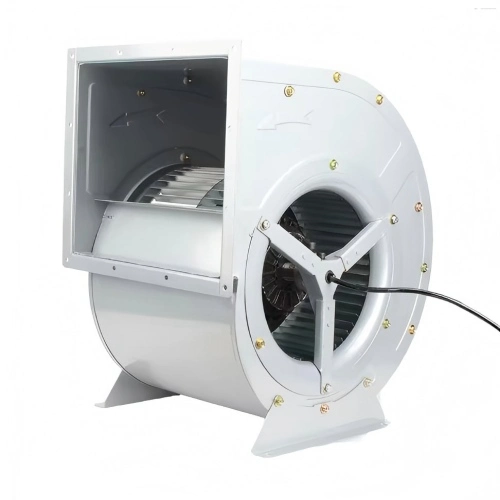
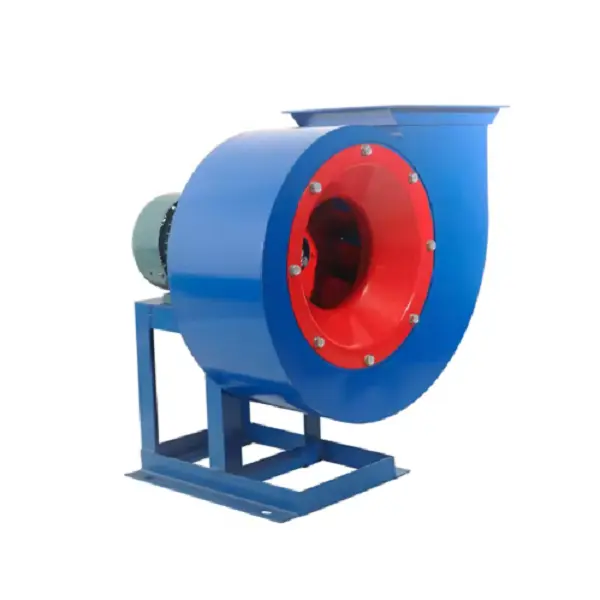
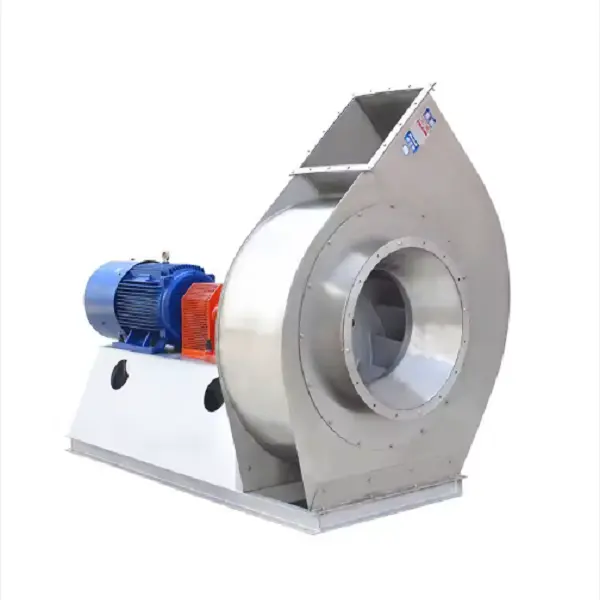
Boiler Fan

A strong specification protects you from expensive surprises: wrong rotation direction, insufficient temperature rating, missing inspection doors, or a performance curve that looks fine at one point but fails at your real operating range. Consider including the checklist below in your RFQ documents.

  • Duty point and range: required flow and pressure at normal/min/max load.
  • Medium details: air or flue gas, temperature range, dust concentration, corrosive components if any.
  • Efficiency expectations: request performance curve and indicate preferred operating region.
  • Control method: variable speed, inlet guide vanes, dampers, and required turndown ratio.
  • Materials: casing and impeller material; wear protection; corrosion allowance if needed.
  • Sealing: shaft sealing approach and leakage expectations (especially critical for ID fans).
  • Mechanical design: balancing grade, allowable vibration, bearing brand/spec, lubrication method.
  • Motor and drive: power, voltage, insulation class, protection rating, coupling or belt details.
  • Testing and acceptance: performance test, vibration test, inspection points, documentation package.
  • Maintenance access: inspection doors, removable casing sections, lifting points, and clearance requirements.

This is also where you reduce schedule risk: when the spec is clear, manufacturing and inspection go faster, and commissioning becomes a checklist—rather than a guessing game.


What Can a Manufacturer Do to Reduce Your Project Risk?

Even with a good spec, a boiler project can fail on details: wrong material for dusty flue gas, weak wear protection, inadequate sealing, or a fan curve that doesn’t reflect real conditions. A capable manufacturer should help you confirm inputs, highlight missing data, and translate site conditions into a fan configuration that survives the plant environment.

Hebei Ketong Environmental Protection Equipment Co., Ltd. focuses on fan solutions used in industrial systems where reliability and dust handling matter. For Boiler Fan applications, what typically helps buyers most is practical engineering support:

  • Application matching: aligning fan selection with the boiler role (FD/ID/auxiliary) and the expected load profile.
  • Durability choices: recommending materials and wear solutions suited to dusty or hot flue gas conditions.
  • Maintainability: building in inspection access, sensible layout, and service-friendly component choices.
  • Documentation: clear drawings, performance data, and acceptance criteria to simplify site handover.
Buyer mindset that saves money: Don’t only compare initial price—compare the cost of outages, emergency replacements, and power waste over the next few years. A well-chosen Boiler Fan usually pays for itself in smoother operation and lower maintenance stress.

FAQ

How do I know if my Boiler Fan is oversized?
If your damper is almost always throttled, your motor current stays high, and small control changes cause big draft swings, the fan may be operating far from an efficient region. Reviewing the actual operating point against the performance curve is the fastest confirmation.
What is the most common reason for Boiler Fan vibration?
In dusty flue gas service, impeller deposits and erosion are common causes because they create imbalance over time. Misalignment and weak foundations also contribute, especially after maintenance or base modifications.
Should I prioritize efficiency or durability for an ID Boiler Fan?
You need both, but durability often wins if dust is abrasive or sticky. A slightly lower-efficiency design that remains stable and balanced can outperform a fragile high-efficiency design once wear and deposits enter the picture.
Can variable speed control help boiler stability, not just energy savings?
Yes. Smooth speed control can improve draft stability and reduce the “hunting” you see with aggressive damper throttling. It also reduces mechanical stress during changes in load.
What information should I send to a supplier before requesting a quote?
Flow and pressure range, medium temperature, dust/corrosion notes, site altitude, preferred control method, space constraints, and any noise/vibration requirements. The more complete your input, the fewer surprises during commissioning.

Final Takeaway

A Boiler Fan is not a “commodity part” when your plant depends on stable draft, clean combustion, and predictable uptime. If you define the real operating range, pick the correct fan role, and insist on a clear performance curve plus practical mechanical details, you can avoid most of the headaches that lead to downtime and rising costs.


If you’re planning a new boiler installation, a retrofit, or you’re tired of fighting draft and vibration issues, don’t guess. Share your operating conditions and goals, and we’ll help you narrow down a robust Boiler Fan configuration that fits your system. Ready to move faster with fewer risks? contact us.

Related News
Leave me a message
X
We use cookies to offer you a better browsing experience, analyze site traffic and personalize content. By using this site, you agree to our use of cookies. Privacy Policy
Reject Accept