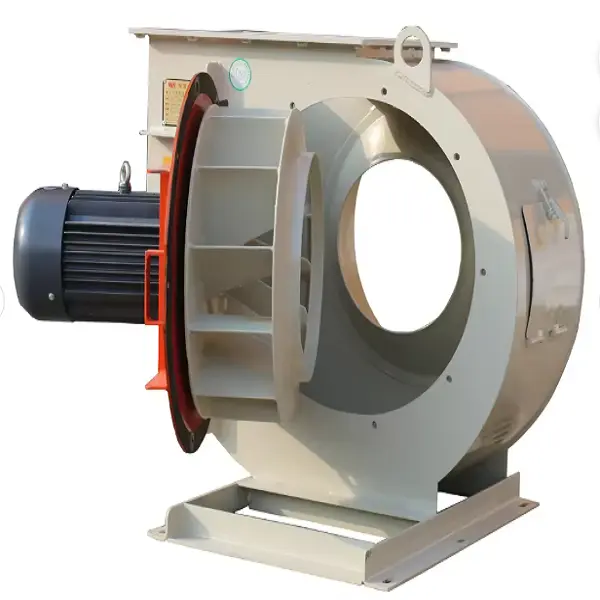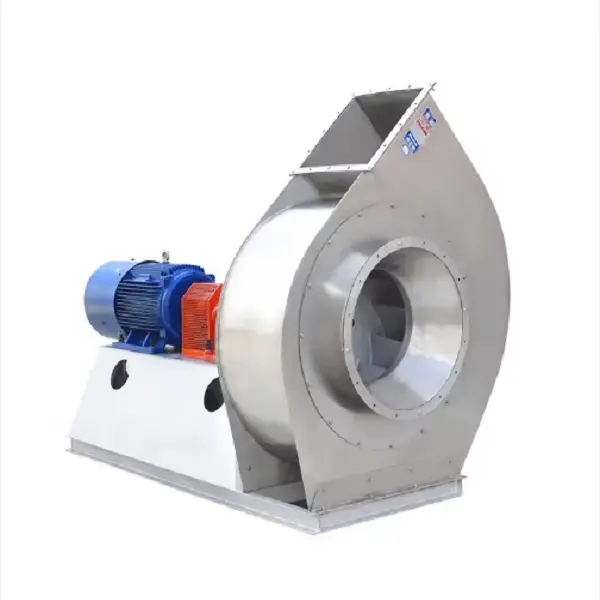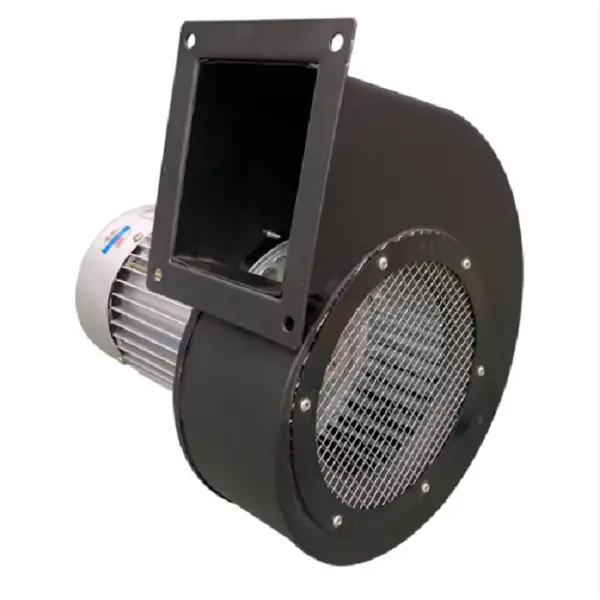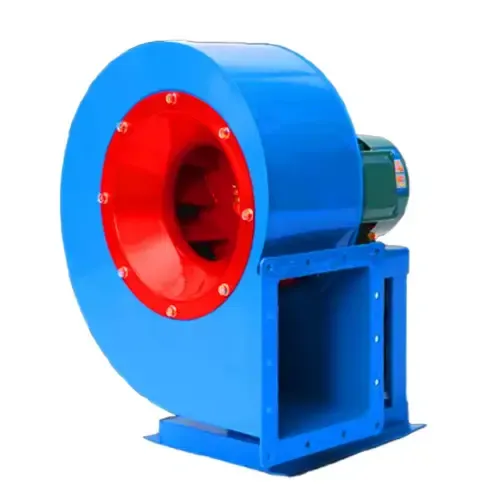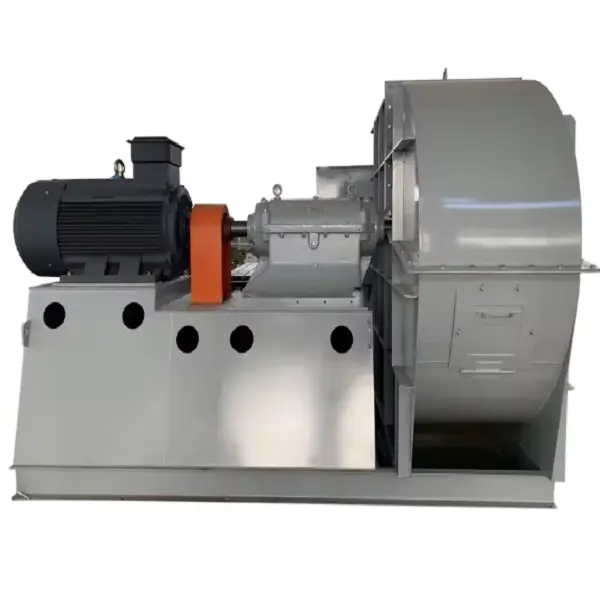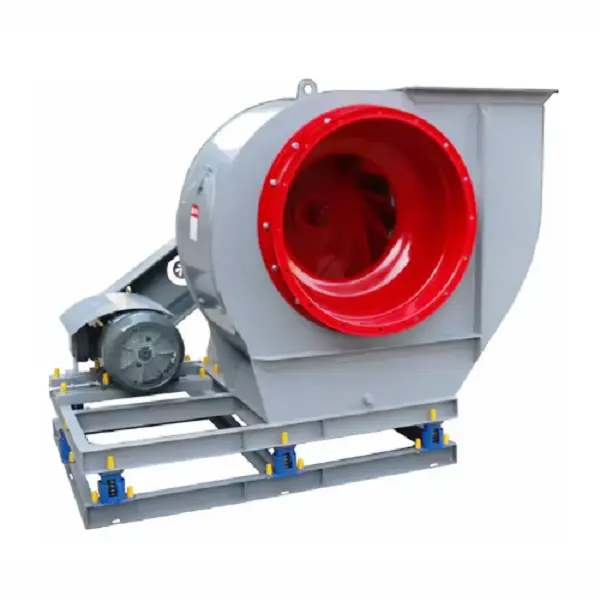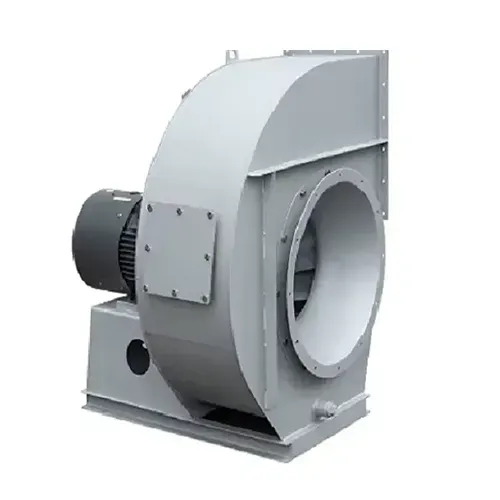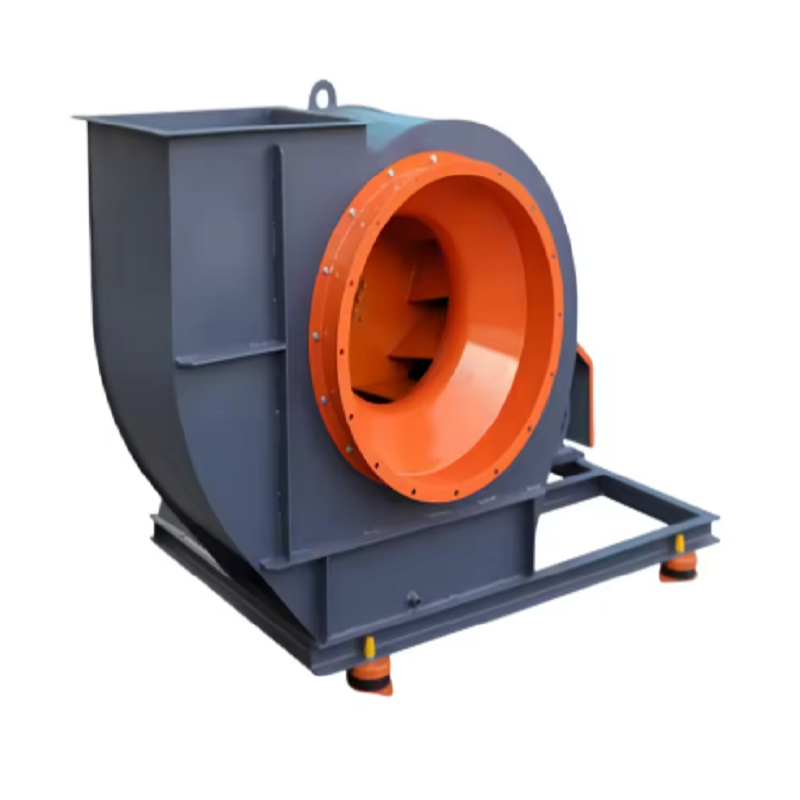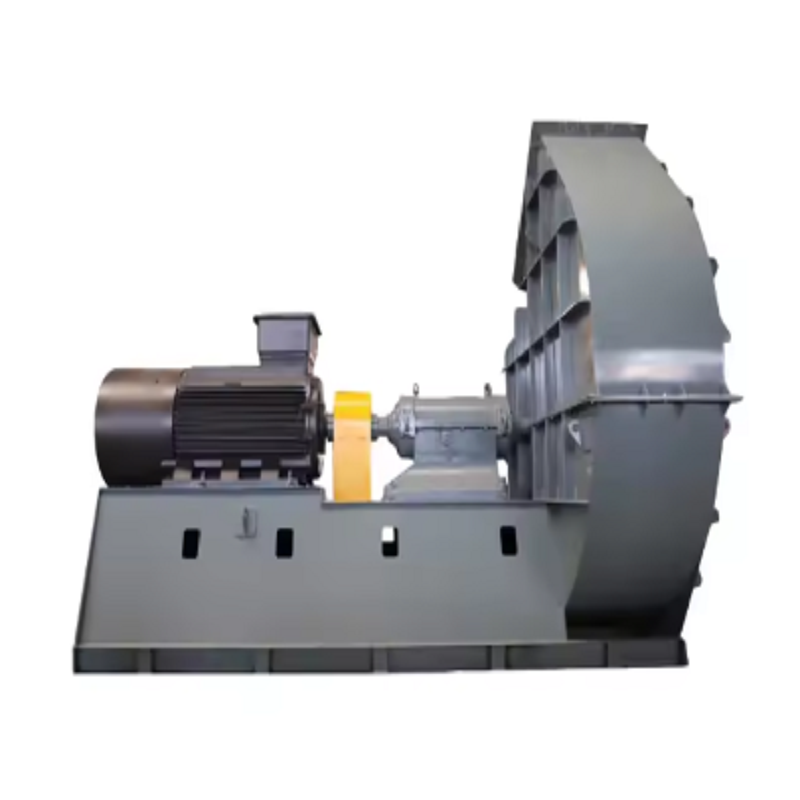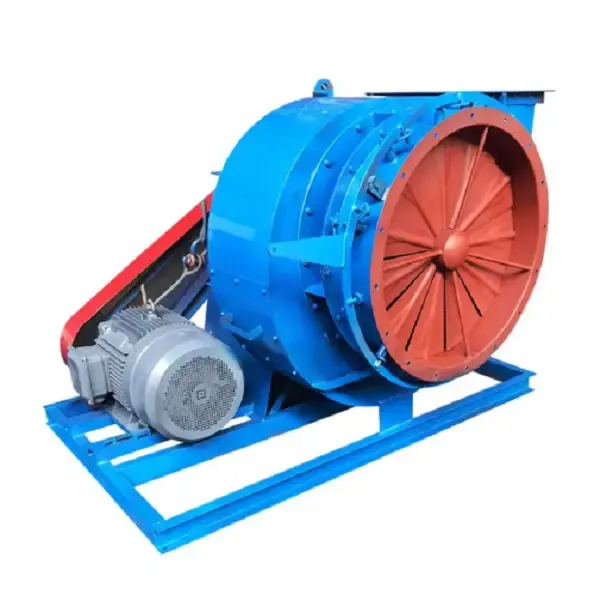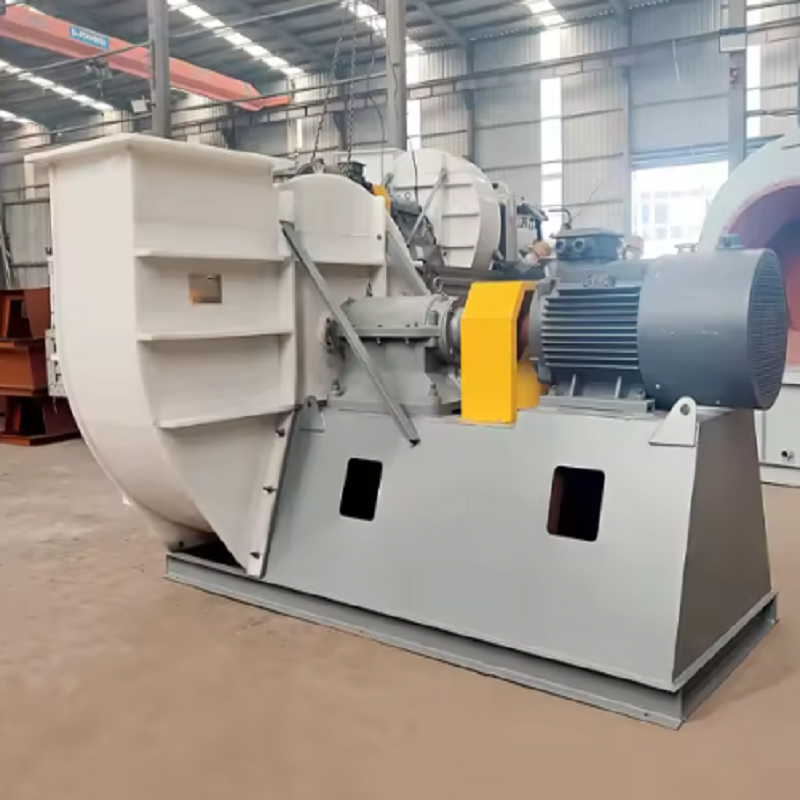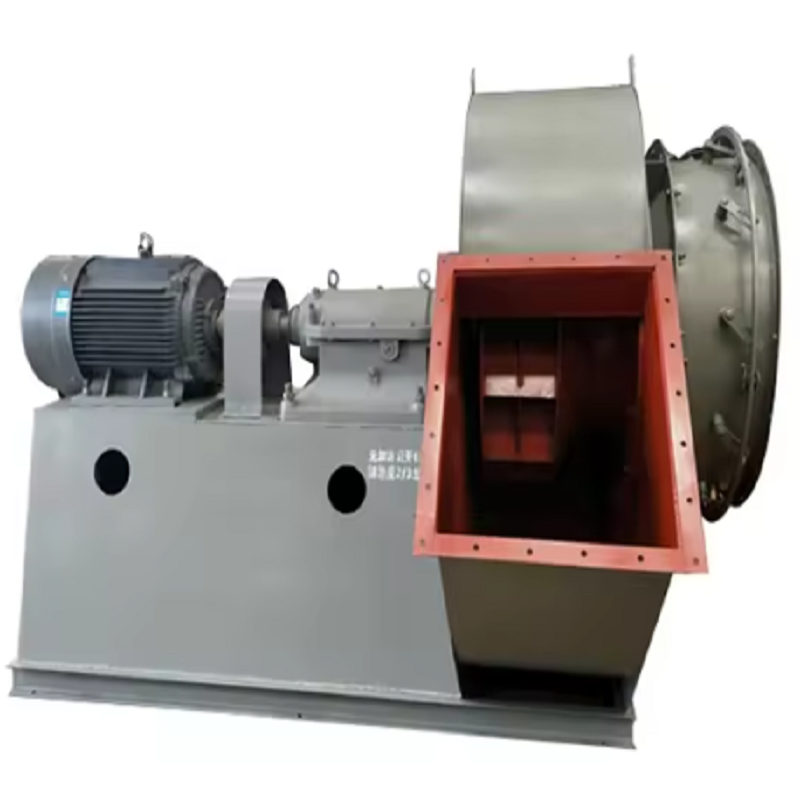
If your stack draft fluctuates, your furnace backfires, your scrubber plugs, or your baghouse sees sudden pressure spikes, the root cause often isn’t “bad luck”—it’s unstable negative pressure control across the entire gas path. An Induced Draft Fan is designed to pull flue gas through upstream equipment and keep the system under controlled negative pressure so emissions, safety, and production stability can move together instead of fighting each other.
This article breaks down the real-world pain points buyers face (abrasive dust, corrosion, high temperature, clogging, noise, vibration, energy bills, and maintenance downtime), then gives a clear checklist for selecting the right fan and configuration—without getting trapped by nameplate numbers that don’t match your site reality.
In many industrial systems, your flue gas path is a chain: furnace or boiler → ducts → dust collection (cyclone, baghouse, ESP) → scrubber or desulfurization stage → stack. The job of an Induced Draft Fan is to sit downstream and pull gas through that chain, creating controlled negative pressure in upstream sections.
The practical goal: keep the furnace and ductwork under stable negative pressure so gas flows where it should—out to treatment and the stack—rather than leaking into the workshop or surging back toward the combustion zone.
When this fan is correctly selected and paired with sensible controls (often a variable frequency drive), it becomes the “traffic controller” for your entire gas system. When it’s undersized, oversized, or mismatched to your system resistance, you get the classic symptoms: unstable draft, frequent alarms, plugged equipment, higher emissions risk, and expensive downtime.
Most projects don’t fail because the fan “doesn’t spin.” They fail because the fan is forced to operate far away from its intended duty point—or because the build doesn’t match the gas you’re asking it to move.
Don’t ignore condensation. A system can look “fine” on paper and still corrode rapidly if the gas cools below the dew point in ducts, turning corrosive components into liquid film on metal surfaces.
If you want accurate performance, the supplier needs accurate inputs. Here’s the buyer-friendly list that prevents 80% of mis-selection problems.
Simple buyer rule: ask the supplier to show the fan operating point on a performance curve (flow vs pressure) at both “clean system” and “loaded system” conditions. If they can’t—or won’t—treat that as a red flag.
Not every Induced Draft Fan should be built the same way. Your gas conditions decide the materials, protections, and internal geometry that keep performance stable over time.
| Typical Scenario | Main Risk | Recommended Build Direction | What to Confirm Before Buying |
|---|---|---|---|
| Boiler or furnace flue gas with high temperature | Thermal stress, bearing life reduction | High-temperature-rated components, heat-resistant design, stable shaft alignment approach | Maximum continuous temperature, startup peaks, cooling/insulation approach, bearing specification |
| Dusty gas from metallurgy / mineral processing | Abrasion on impeller and casing | Wear-resistant strategy (material choice, protective liners, reduced impingement), plus upstream separation | Dust concentration and particle size; expected impeller life; how impeller replacement is handled |
| Acidic/alkaline gas from chemical processes | Corrosion, leakage, rapid performance drop | Corrosion-resistant materials (e.g., stainless steel or FRP options) with attention to seals and condensation | Gas chemistry, dew point risk, material compatibility statement, sealing method |
| Desulfurization or wet treatment line | Clogging, adhesion, imbalance | Smooth internal flow path, anti-adhesion measures, anti-clogging geometry, and easy cleaning access | Deposit tendency, cleaning interval target, inspection doors, balance tolerance over time |
A good manufacturer will help you match the configuration to your real operating environment, not just to a catalog label. In many plants, the best outcome comes from a combined approach: upstream dust handling to reduce impeller impact, and downstream materials/geometry that tolerate whatever still gets through.
Most buyers focus on “can it hit the airflow?” but the bigger money lives in what happens after installation: power consumption, noise compliance, vibration stability, and whether you’re buying spare parts every quarter.
A common trap: oversizing the pressure margin “just to be safe.” In real operation, that often becomes higher energy use, more noise, and a narrower stable range than you expected.
Even the right Induced Draft Fan can perform badly if installation ignores airflow fundamentals. These are the three mistakes that create the most expensive callbacks.
Commissioning tip: record baseline vibration and power at “newly cleaned” condition. That baseline becomes your early-warning system for deposit buildup, wear, or imbalance months later.
Buyers usually don’t hate maintenance—they hate surprise maintenance. A simple, predictable plan reduces stoppages and extends the fan’s service life.
| Interval | What to Check | Why It Matters |
|---|---|---|
| Daily / Shift | Unusual noise, temperature trend, visible leakage, control stability | Early detection prevents major mechanical damage |
| Weekly | Vibration reading, coupling condition, fastener tightness, damper/VFD response | Stops minor issues from becoming shutdown events |
| Monthly | Impeller inspection access point check, dust/deposit accumulation, seal condition | Deposit buildup changes balance and increases motor load |
| Quarterly / Semi-Annual | Bearing lubrication plan review, alignment verification, detailed internal inspection | Protects bearings and shaft life, preserves performance |
If your gas is abrasive or prone to deposits, your maintenance plan should include “easy wins” in the design phase: inspection doors, safe lifting points, and parts that can be swapped without dismantling half the ductwork.
At this point, the question becomes less about “fan vs fan” and more about “project outcome.” A manufacturer should be able to guide you through selection, verification, and long-term service planning.
Hebei Ketong Environmental Protection Equipment Co., Ltd. supports industrial draft and ventilation projects where the real requirement is stable negative pressure under harsh gas conditions—high temperature, dust, corrosive components, and treatment-line deposits. In buyer terms, that means:
Buyer question to ask any supplier: “Show me how this fan behaves when the filter loads up and the system pressure drop rises.” The answer tells you whether they’re thinking about your plant—or just selling a unit.
1) Where should an Induced Draft Fan be installed?
Typically downstream of the main process and many treatment stages so it can pull gas through the system and keep upstream sections under negative pressure. The exact position depends on temperature, dust, and whether wet treatment causes deposits.
2) What data do I need to provide for accurate selection?
Flow range, temperature range, gas composition, moisture/condensation risk, dust load, and the total system pressure drop (including how it changes as filters load). Without these, “selection” is guessing.
3) How do I reduce impeller wear in dusty service?
Start with upstream separation where possible, then use a wear-focused build direction (materials, protection strategy, and geometry that reduces direct particle impact). Also avoid inlet flow distortion that throws particles into the blades.
4) Why does my fan clog after adding wet treatment or desulfurization?
Deposits form when sticky by-products or condensables collect on internal surfaces. A smoother internal flow path, anti-adhesion measures, and easy cleaning access are often essential in those lines.
5) Is oversizing safer?
Not always. Oversizing can raise energy cost, increase noise, and push the operating point into an unstable region for your real system. “Safe” comes from correct duty point coverage and stable control range.
A well-chosen Induced Draft Fan is not just a piece of rotating equipment—it is the stabilizer for your entire flue gas chain. When selection is driven by real flow, real pressure drop, real dust behavior, and real condensation risk, you get predictable draft, fewer upsets, lower lifecycle cost, and a cleaner worksite.
Ready to stop guessing and start stabilizing your system?
Share your flow range, temperature range, dust load, and system pressure drop targets—and we’ll help you map a configuration that fits your actual operating conditions. If you want a faster, cleaner selection process with fewer surprises after startup, contact us to discuss your project requirements and preferred maintenance strategy.
contact us-