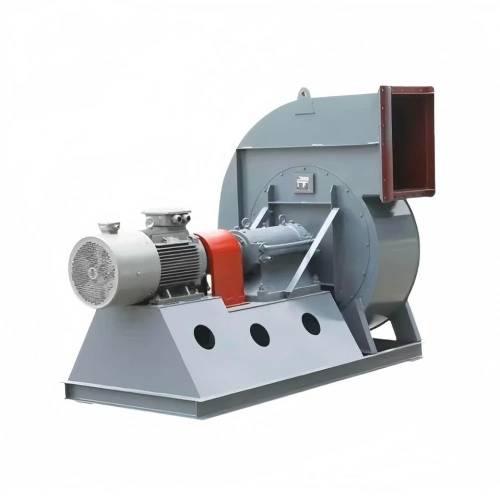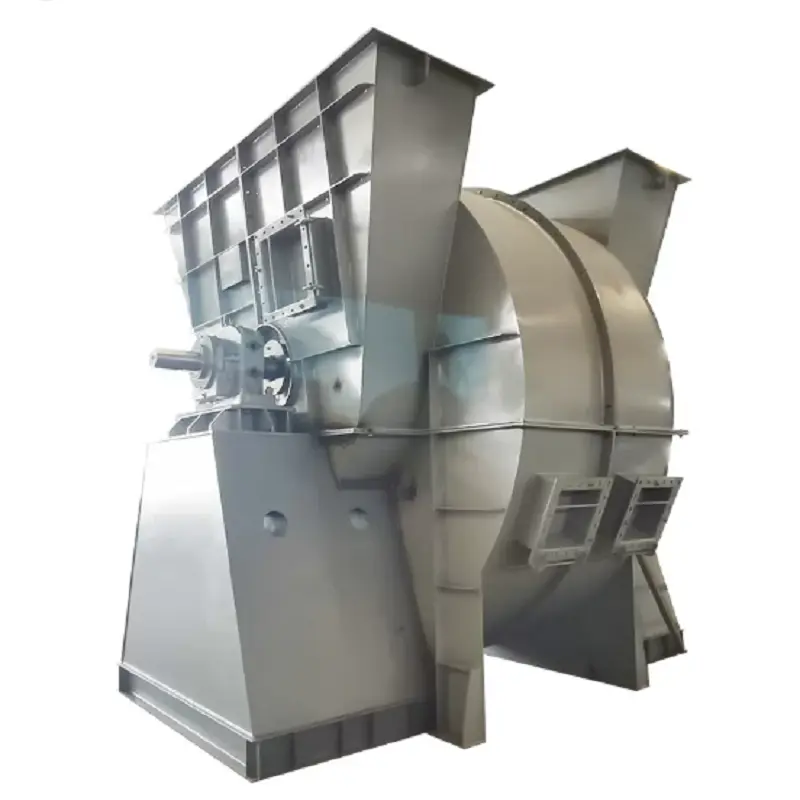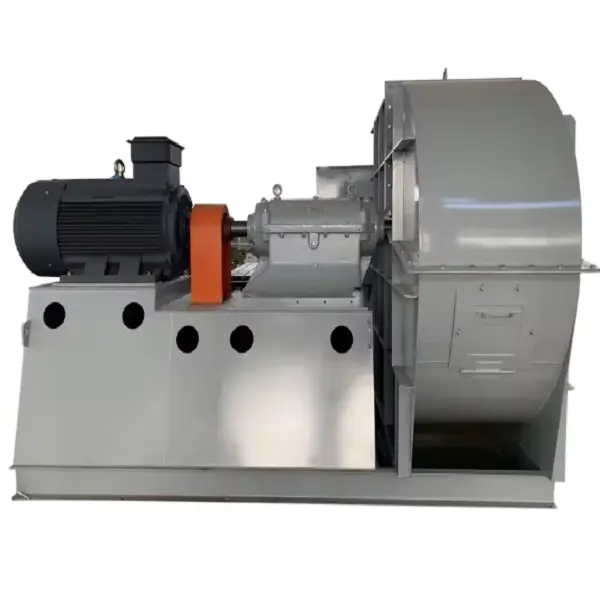
News

What Should You Consider When Selecting an Industrial Centrifugal Fan?

2025-12-29 0 Leave me a message

Selecting the right Centrifugal Fan is a critical decision that impacts system efficiency, operational costs, and long-term reliability. This comprehensive guide delves into the key engineering principles, performance parameters, and application-specific considerations necessary to make an informed choice. We'll address common pain points like high energy consumption, premature failure, and noise issues, providing a clear framework for evaluation. By understanding the interplay between fan design, system requirements, and operational environment, you can specify a solution that delivers optimal performance and durability for your specific needs.

Core Operating Principles and Design

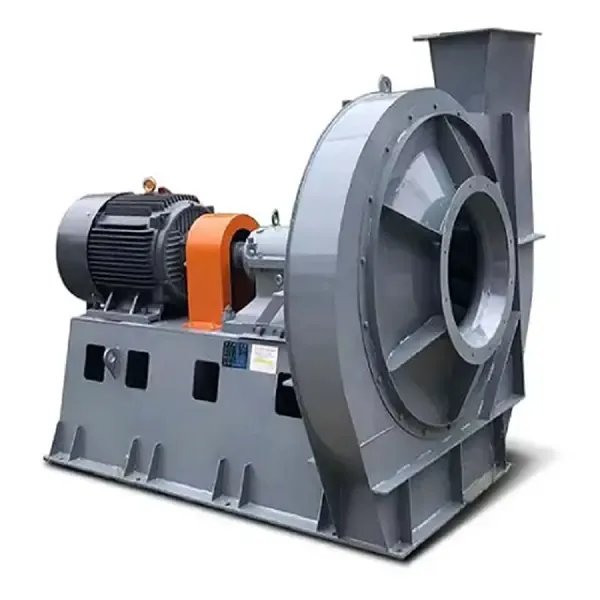
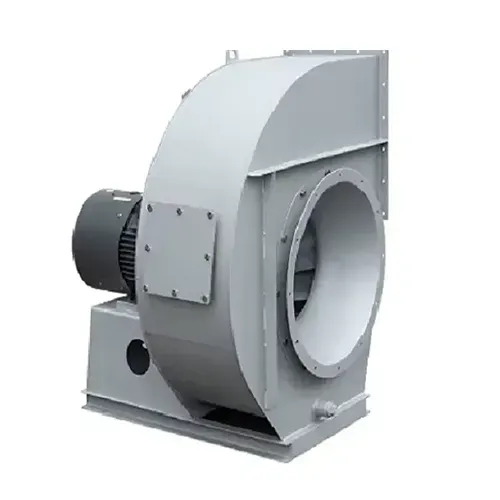
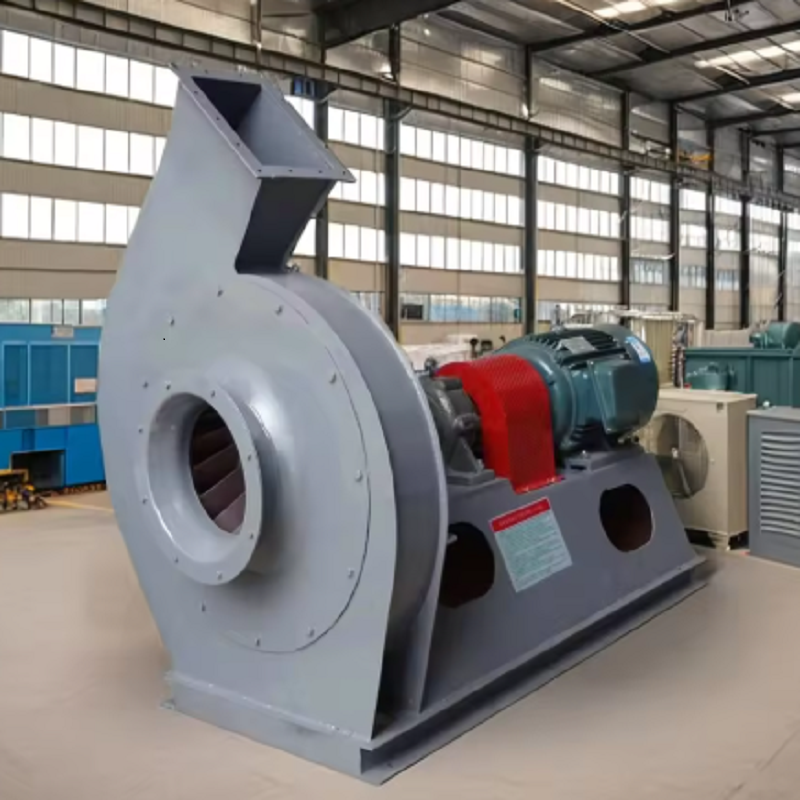
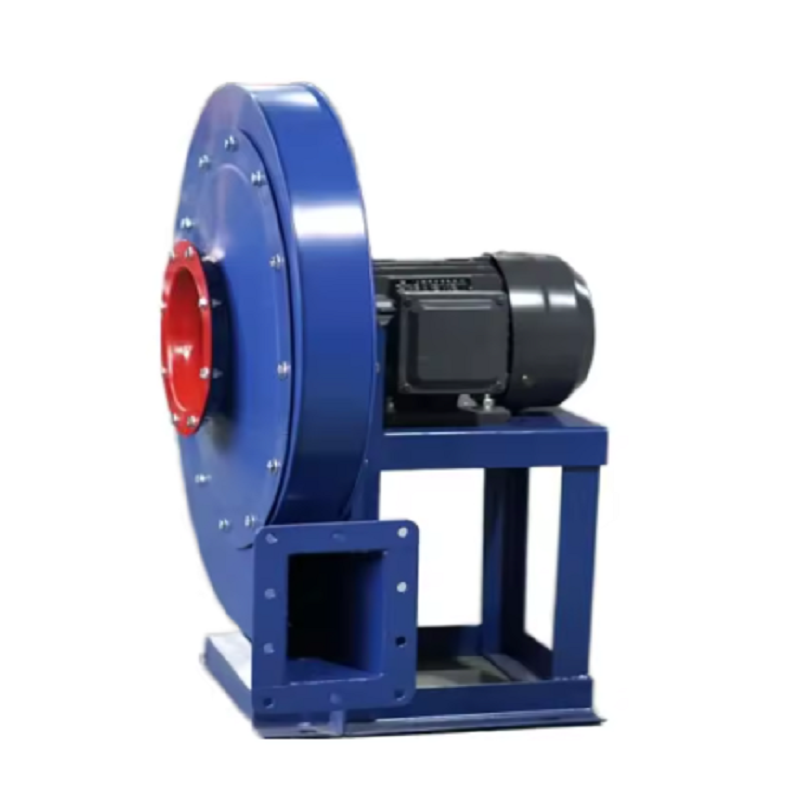
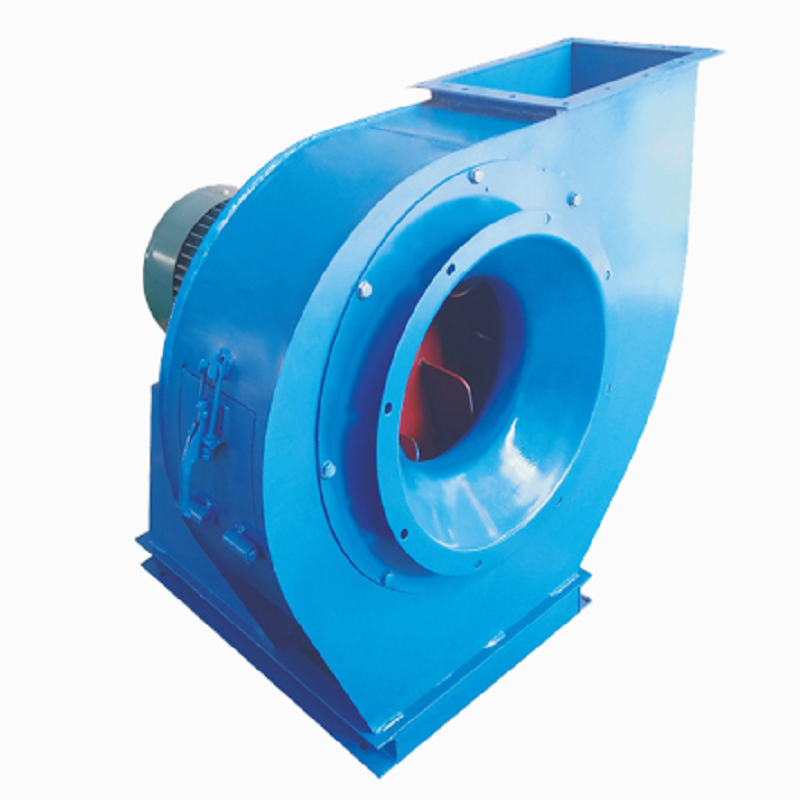
Centrifugal Fan

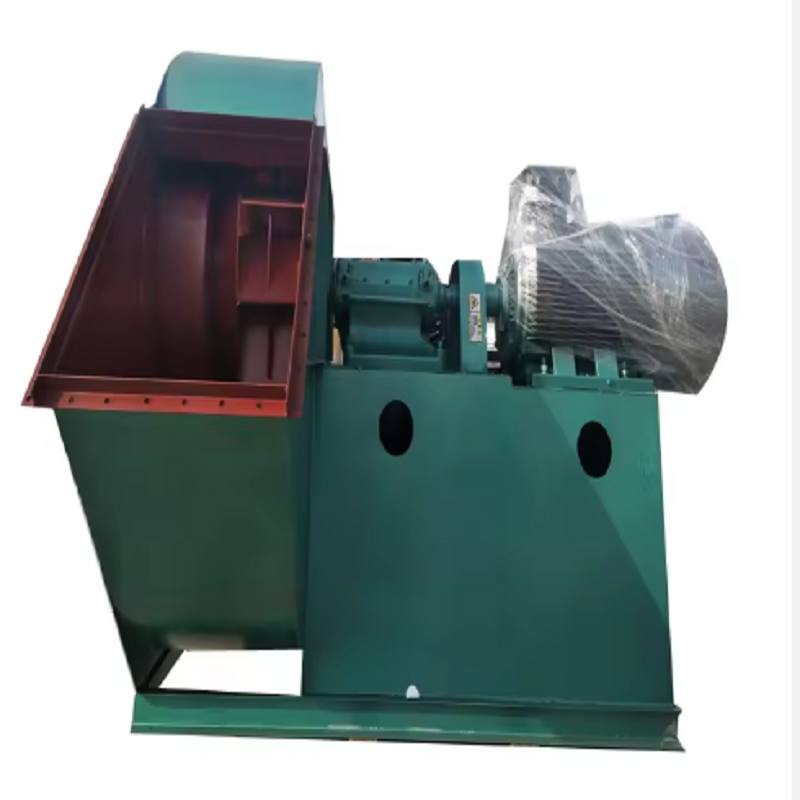
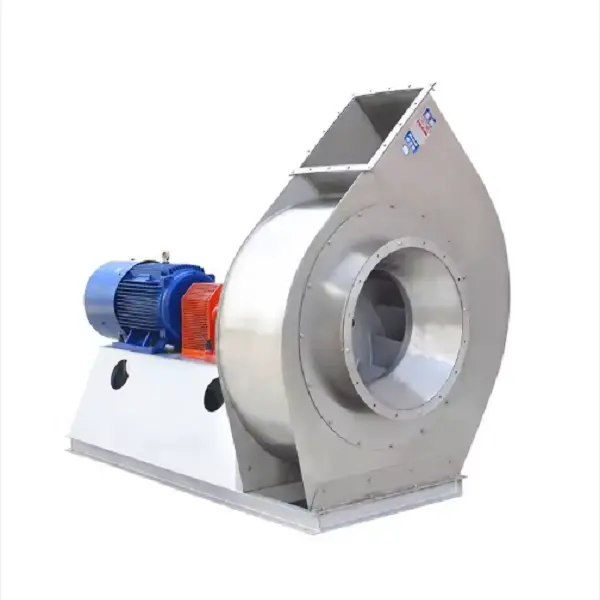
At its heart, a centrifugal fan operates on a simple yet profoundly effective principle: kinetic energy conversion. Unlike axial fans that propel air parallel to the shaft, centrifugal fans draw air into the center (eye) of an impeller and, through centrifugal force, expel it perpendicularly outward into a volute (housing). This action creates a higher pressure rise, making them indispensable for systems with significant resistance, such as ductwork, filters, or heat exchangers.

Key Insight: The impeller design is the engine of the fan. Its blade configuration—whether forward-curved, backward-inclined, or radial—directly dictates the performance curve, efficiency, and suitability for different applications. A backward-inclined blade, for instance, offers higher efficiency and a non-overloading power characteristic, making it ideal for clean air applications in HVAC and industrial ventilation.

The construction materials are equally crucial, chosen based on the gas stream's properties. For standard air, galvanized steel suffices. For corrosive fume extraction, stainless steel (e.g., SS304, SS316) or fiber-reinforced plastic (FRP) is mandatory. For high-temperature applications exceeding 250°C, special heat-resistant steels or alloys are required to prevent material degradation and failure. Hebei Ketong Environmental Protection Equipment Co., Ltd. engineers fans with this material-specific expertise, ensuring the core components match the operational harshness.

  • Impeller Dynamics: The number, shape, and angle of blades determine pressure generation and efficiency.
  • Drive Systems: Direct drive offers simplicity, while belt drive allows for flexibility in adjusting fan speed (and thus performance) by changing pulley ratios.
  • Housing Design: The volute housing's shape is engineered to efficiently convert kinetic energy into static pressure, with airfoil designs minimizing turbulence and losses.

Key Performance Metrics and Selection Criteria

Selecting a fan based solely on airflow (CFM or m³/h) is a common and costly mistake. The system's pressure requirement is the counterforce the fan must overcome. This is defined as the Total Static Pressure (TSP), the sum of all resistances from ducts, dampers, filters, and other components. The fan must be selected at an operating point (Airflow vs. Pressure) on its performance curve where it can deliver the required flow against this specific pressure.

Efficiency is the true measure of operational economy. Peak efficiency varies significantly between fan types. Operating a fan far from its best efficiency point (BEP) wastes energy, increases noise, and causes premature wear. Furthermore, understanding the fan laws is essential for any system modification: airflow is proportional to speed, pressure to the square of the speed, and power to the cube of the speed. A 10% increase in speed leads to a 33% increase in power consumption!

Selection Factor Description & Impact Critical Question to Ask
System Curve The graphical relationship between airflow and the system's pressure loss. The fan must be selected where its performance curve intersects the system curve. Have you accurately calculated pressure drops for all system components, including future filter loading?
Fan Performance Curve Manufacturer's graph showing airflow, pressure, power, and efficiency across a range. Defines the fan's capabilities. Is your required operating point within 85-90% of the fan's peak efficiency on this curve?
Material of Construction Determines resistance to corrosion, abrasion, and temperature. Directly affects lifespan and maintenance costs. What are the exact chemical constituents, particulate loading, and temperature of the process air?
Noise Level (dB(A)) Sound power generated, crucial for worker safety and environmental compliance. Increases dramatically away from BEP. Does the quoted sound power level meet OSHA or local regulations for the intended installation area?

Addressing Common Industrial Challenges

Industrial users frequently encounter specific, costly pain points related to fan performance. One of the most pervasive is high energy consumption. This often stems from an oversized fan controlled by a simple damper, which wastes energy by creating artificial resistance. The solution lies in right-sizing the fan initially and employing variable frequency drives (VFDs) to modulate fan speed precisely to demand, yielding dramatic energy savings.

Premature bearing failure is another critical issue, often caused by improper alignment, inadequate lubrication, or excessive vibration from imbalanced impellers. Precision dynamic balancing at the factory and clear maintenance protocols are non-negotiable for longevity. For applications involving dust-laden or sticky materials, impeller fouling and build-up can shift the balance and performance curve. Options like radial blade designs, anti-stick coatings, or easy-access cleanout doors become essential features to specify.

Vibration and structural resonance not only damage the fan but can compromise the entire supporting structure. Isolating vibrations with proper spring or rubber mounts and ensuring the baseplate/foundation has sufficient stiffness are critical engineering steps often overlooked during procurement. Partnering with a manufacturer that conducts thorough factory testing, including vibration analysis, can prevent these field failures.

Comparative Analysis of Fan Types

Not all centrifugal fans are created equal. The choice between forward-curved (FC), backward-inclined (BI), airfoil (AF), and radial (paddlewheel) fans is fundamental.

  • Forward-Curved (FC) Blowers: Feature many short blades curved in the direction of rotation. They are compact, operate at lower speeds, and generate moderate pressure at a given size. However, their efficiency is lower, and they are prone to particle build-up. They are commonly used in low-pressure HVAC units.
  • Backward-Inclined (BI) & Airfoil (AF): These have blades that slant away from the direction of rotation. They are high-efficiency fans with a non-overloading power characteristic. The airfoil type, with its curved blade profile, offers the highest efficiency (often over 85%). They are ideal for clean to moderately dirty air in industrial systems and large HVAC.
  • Radial (Paddlewheel) Fans: Feature simple, straight blades radiating from the hub. They are robust, self-cleaning, and handle heavy dust loading, abrasive materials, or sticky gases well. They are the workhorse for material handling, pneumatic conveying, and harsh industrial processes, though at a lower efficiency than BI/AF types.

Selecting the wrong type leads to inefficiency, frequent maintenance, or inability to handle the process stream. Hebei Ketong Environmental Protection Equipment Co., Ltd. provides application engineering support to match the fan type precisely to the material and duty, ensuring the hardware is fit for purpose from day one.

Ensuring Long-Term Reliability and Value

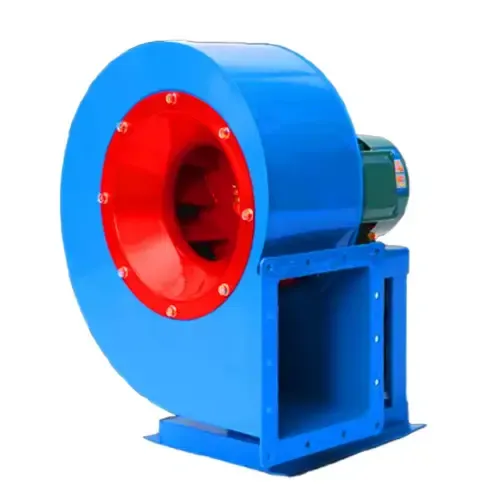
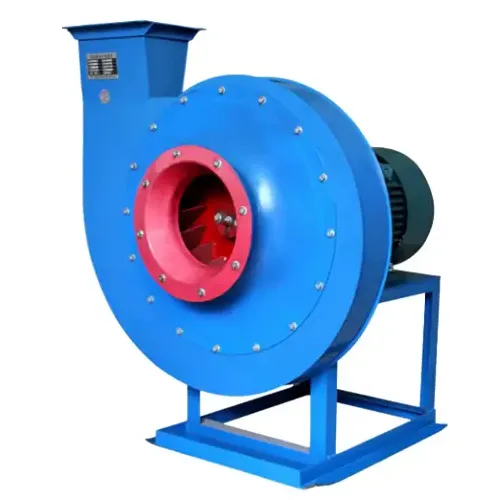
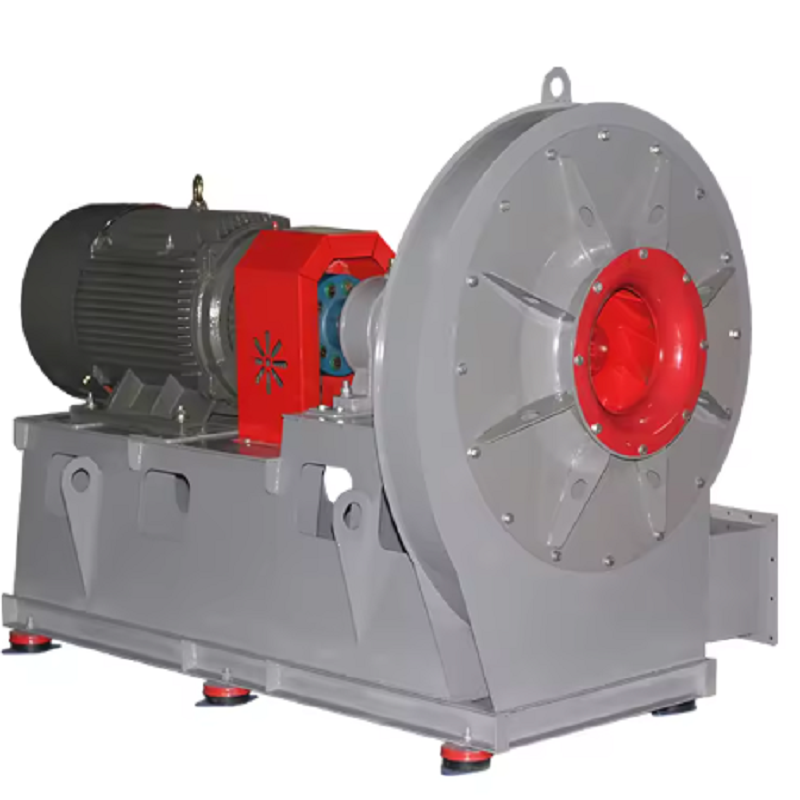
Centrifugal Fan

The true cost of a fan is not its purchase price but its total cost of ownership (TCO), which includes energy, maintenance, and downtime over 10-20 years. Investing in a well-engineered, correctly specified fan from the outset pays dividends. Key to this is accessing detailed documentation, including certified performance curves, detailed material specifications, and maintenance manuals.

Procurement should be viewed as a partnership. A reliable manufacturer will engage in a technical dialogue, asking detailed questions about your process to identify risks like condensation, abrasive particles, or potential explosive atmospheres (requiring ATEX-certified designs). They should also offer robust after-sales support, including availability of spare parts like impellers, shafts, and bearing assemblies, to minimize future downtime.

Frequently Asked Questions (FAQ)

How do I know if my fan is operating at its best efficiency point (BEP)?
The most reliable method is to measure the actual airflow and system static pressure in the field and plot this point on the manufacturer's supplied fan curve. If the point falls to the far right or left of the peak of the efficiency curve on the graph, the fan is not operating at its BEP. Symptoms include higher-than-expected amp draw, excessive noise, or vibration.
Can a centrifugal fan handle explosive or flammable dust/gases?
Only if it is specifically designed and certified for such duty. Fans for explosive atmospheres (ATEX, NEC, etc.) require non-sparking construction (often aluminum bronze or special coatings), specific grounding for static dissipation, temperature control on bearings and surfaces, and enhanced sealing. Never use a standard fan in a potentially explosive environment.
What maintenance is critical for maximizing fan life?
Regular inspections are key: (1) Check and record vibration levels monthly; a sudden increase indicates imbalance or bearing issues. (2) Ensure lubrication per manufacturer intervals, using the exact recommended grease/oil. (3) Visually inspect for material build-up on the impeller, especially in dirty applications. (4) Check belt tension and alignment on belt-driven units quarterly.
Why is my new fan vibrating excessively immediately after installation?
Immediate vibration often points to installation issues, not a fan defect. Check the following: (1) Foundation/baseplate rigidity – it must not flex. (2) Proper alignment between fan and motor shaft (for direct drive) or sheaves (for belt drive). (3) Ensure all shipping blocks or internal bracing have been removed. (4) Verify the inlet/discharge ducts are not putting strain on the fan housing.
Optimize Your Air & Gas Movement Systems

Specifying the correct centrifugal fan requires merging application knowledge with engineering precision. With decades of experience across industries—from cement production and chemical processing to power generation and wastewater treatment—Hebei Ketong Environmental Protection Equipment Co., Ltd. provides not just equipment, but engineered solutions focused on reliability, efficiency, and total cost of ownership.

Let our technical team assist you in analyzing your system requirements and recommending the optimal fan configuration. We are committed to delivering robust performance that addresses your specific operational challenges.

Contact Us for a Technical Consultation
Related News
Leave me a message
X
We use cookies to offer you a better browsing experience, analyze site traffic and personalize content. By using this site, you agree to our use of cookies. Privacy Policy
Reject Accept