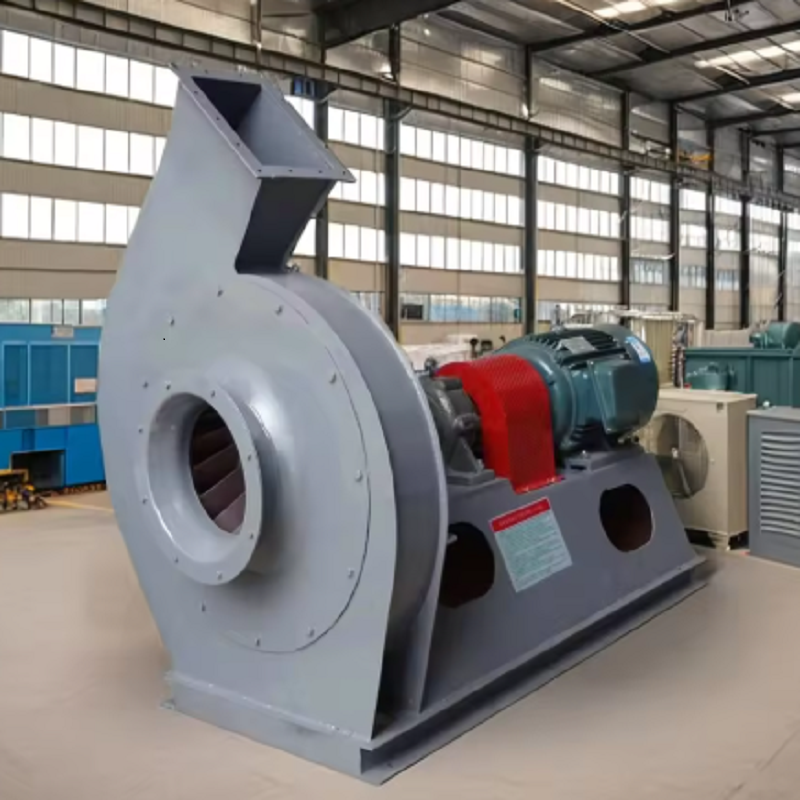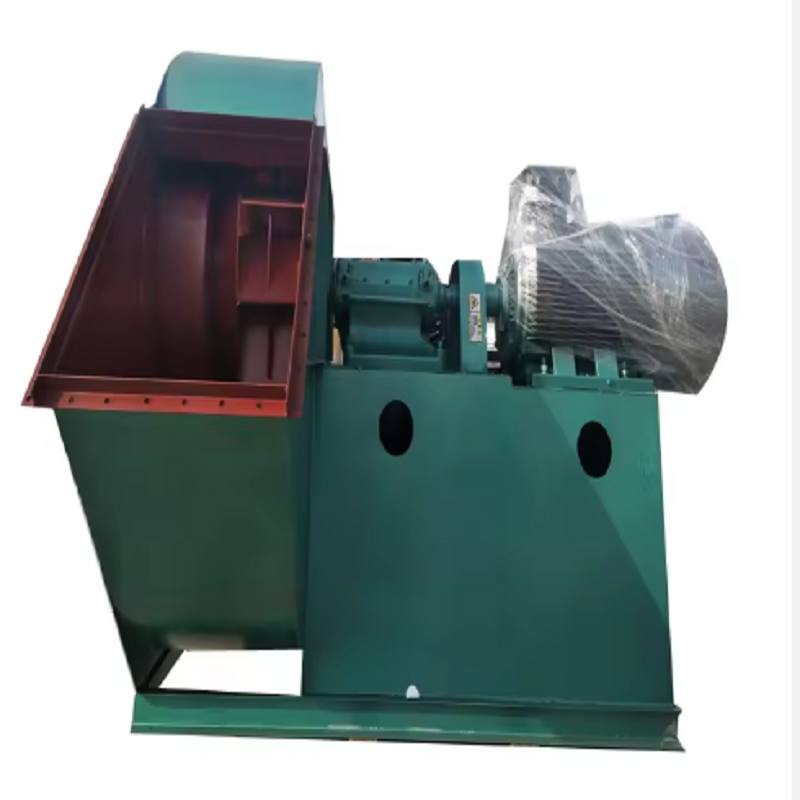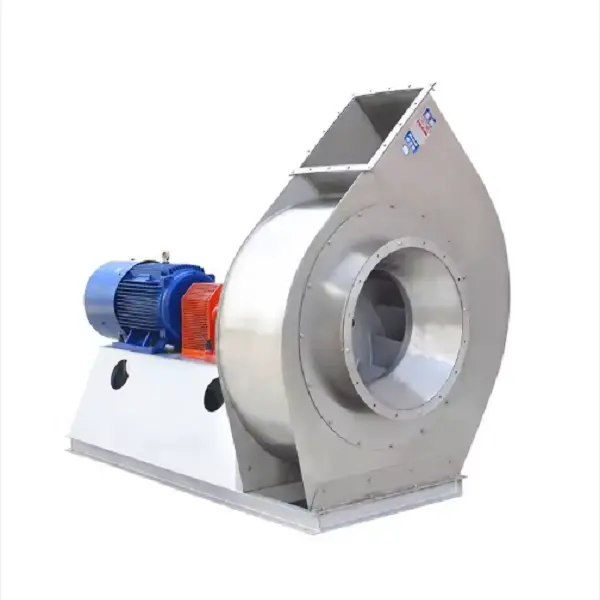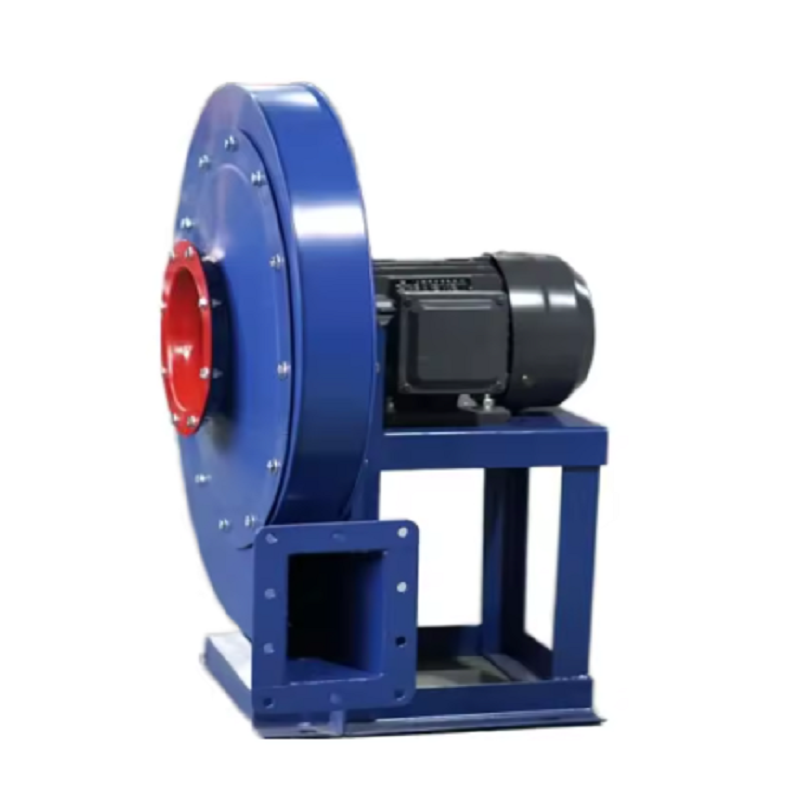
Abstract — A well-chosen Ventilator Fan can do more than “move air.” It can reduce heat buildup, control humidity, clear odors and fumes, protect equipment, and improve day-to-day comfort—without turning your power bill into a horror story. This guide breaks down the real-world problems buyers face, the practical specs that actually matter, and a step-by-step way to select, size, install, and maintain a ventilator fan for reliable, long-term performance.
Most buyers don’t wake up thinking, “I need a fan.” They notice a business problem first:
A Ventilator Fan is often the simplest “first fix” because it directly addresses air exchange. But it only works well when the selection and installation match your space and your contamination or heat load.
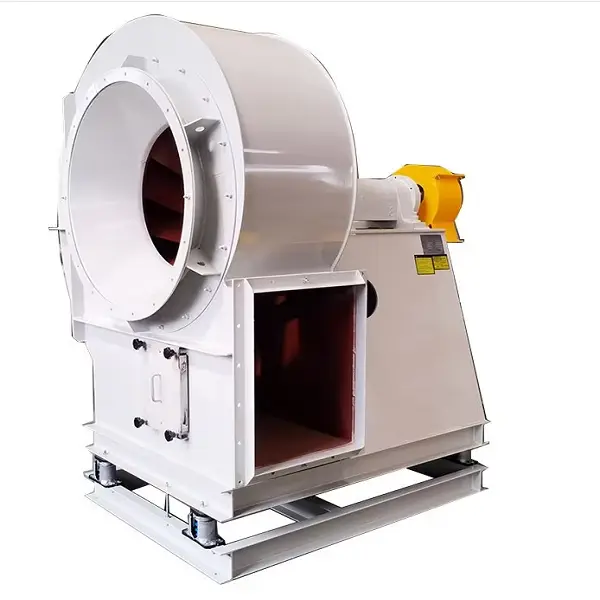
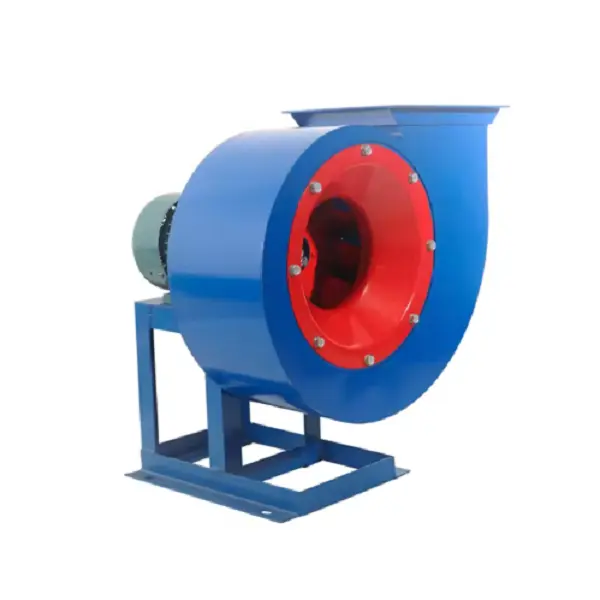
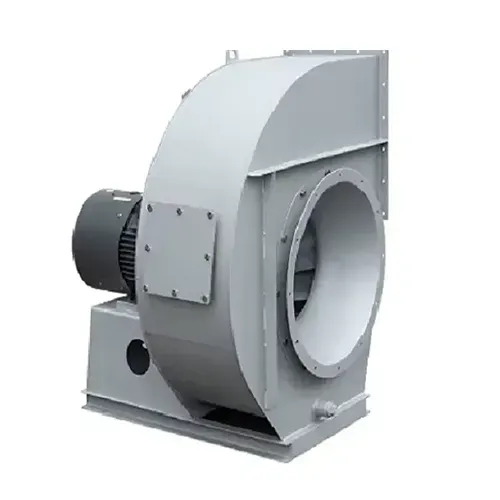
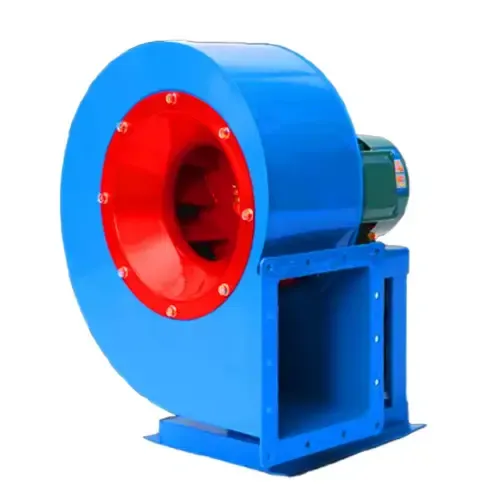
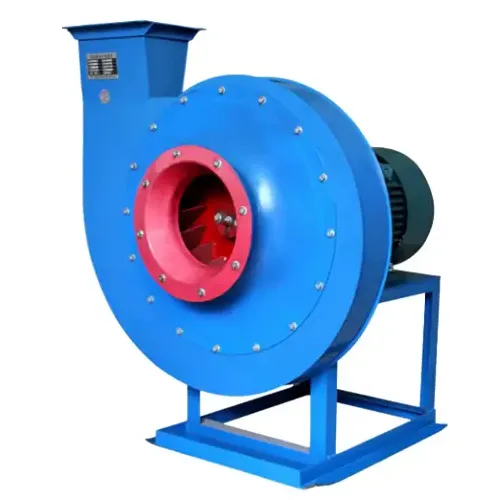
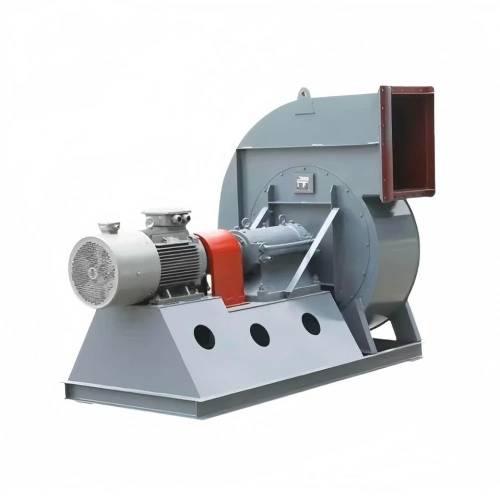
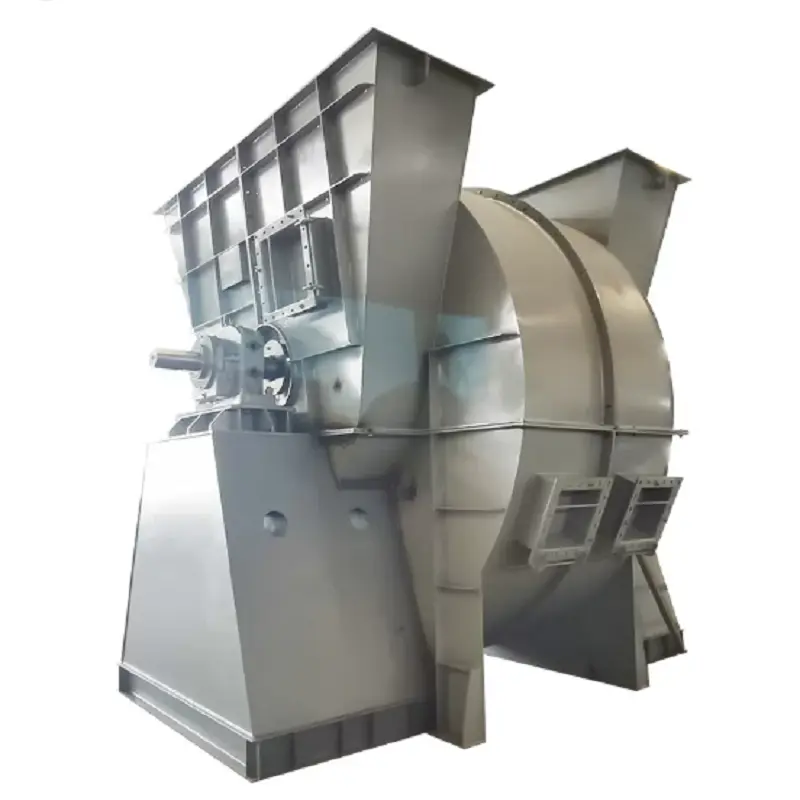
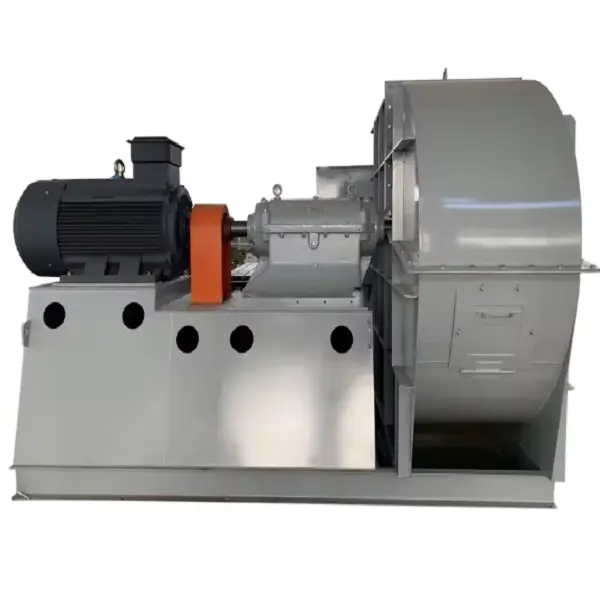
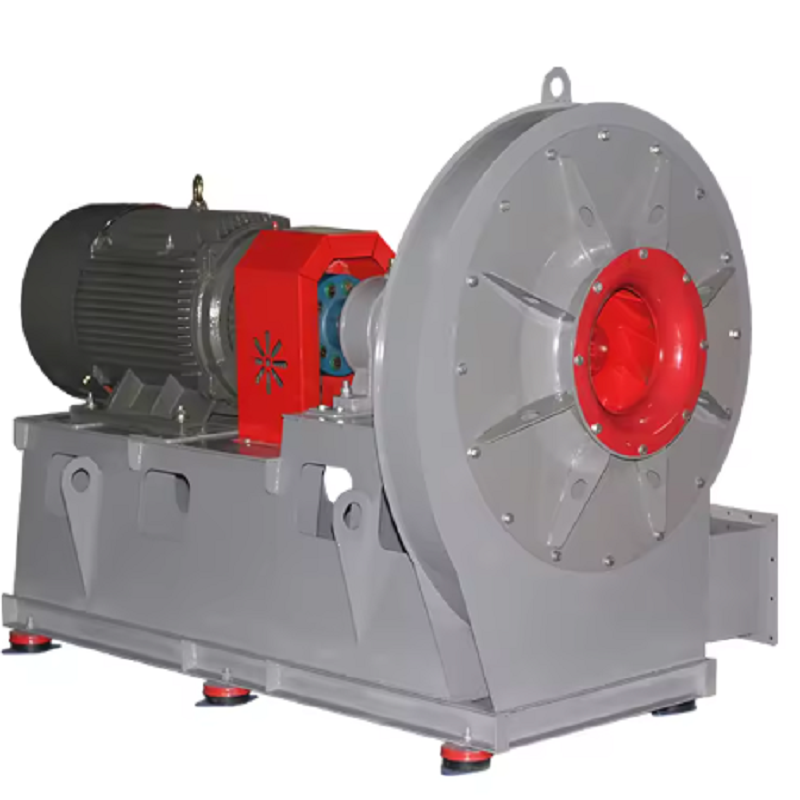
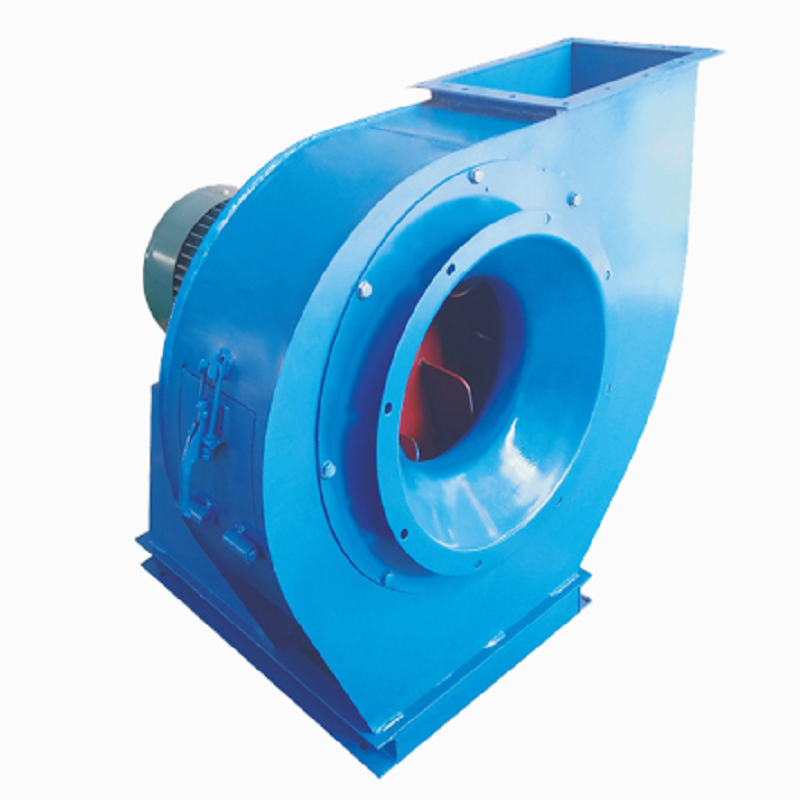
A ventilator fan is a mechanical device designed to replace indoor air with outdoor air or to remove unwanted air (heat, moisture, odors, dust, fumes) from a specific area. Depending on your setup, it may act as:
What it is not:
A Ventilator Fan is especially valuable when natural ventilation is inconsistent or insufficient. Common scenarios include:
If your team is opening doors “just to breathe,” wiping condensation daily, or complaining about headaches or smells, you’re already paying for poor ventilation—just in a more expensive way.
Choosing a ventilator fan becomes much easier when you treat it like a checklist instead of a guessing game. Start with these decision points.
| Decision | What to look at | Why it matters |
|---|---|---|
| Airflow | Target air changes or process requirement | Too small = complaints continue, too large = wasted energy and noise |
| Pressure | Duct length, bends, grills, louvers, filters | Pressure losses can “steal” real airflow if not accounted for |
| Fan type | Axial vs centrifugal | Wrong type = poor performance under real installation conditions |
| Materials | Coated steel, stainless options, corrosion protection | Protects lifespan in humid, salty, or chemical environments |
| Control | Speed control, sensors, timers | Right controls cut operating cost without sacrificing air quality |
Practical tip: If your design includes ducting, multiple bends, or filtration, treat pressure as a “must discuss” item. Many performance disappointments happen because buyers choose based on free-air airflow numbers and ignore resistance.
If you don’t have an engineering team, you can still estimate sizing with a structured approach. Here are two common ways buyers plan airflow.
Method 1 — Air changes
1) Calculate room volume:
Volume = Length × Width × Height
2) Choose a target air change rate (ACH). Typical ranges vary widely by use-case. A light-use storage space may need far less than a hot, dusty workshop.
3) Convert to airflow:
Airflow (m³/h) = Volume (m³) × ACH
Airflow (CFM) ≈ [Volume (ft³) × ACH] ÷ 60
Method 2 — Focus on the real pain point
If the space overheats due to equipment, people, or solar gain, you may need more airflow than ACH alone suggests. The same goes for high humidity from washdown, livestock respiration, or process steam. In these cases, it’s smart to size with extra headroom and use controls (like variable speed) so you only run hard when conditions demand it.
Don’t forget makeup air: Exhausting air out is only half the story. If air cannot enter smoothly (through designed inlets, louvers, or open paths), the fan works harder, noise increases, and airflow drops.
Two complaints show up again and again: “It’s louder than we expected” and “It costs more to run than we planned.” These are avoidable.
A well-designed Ventilator Fan setup should feel “boringly effective”: stable airflow, acceptable sound levels, and predictable operating cost.
Even a great fan can disappoint if installation creates avoidable losses. Before commissioning, verify these basics:
If you’re ventilating dusty areas, plan the layout so cleaning is realistic. A system that’s hard to service will be neglected, and airflow will slowly fall without anyone noticing—until complaints return.
Ventilation is not a “set it and forget it” system. The good news is that basic upkeep is straightforward when scheduled.
| Task | Frequency | What it prevents |
|---|---|---|
| Visual inspection for dust buildup, vibration, loose fasteners | Monthly | Noise, reduced airflow, premature wear |
| Clean blades, guards, louvers, and surrounding area | Monthly to quarterly | Performance drop and motor strain |
| Check bearings and lubrication needs | Quarterly to semi-annually | Overheating, seizure, unexpected downtime |
| Confirm airflow path and inlet condition | Quarterly | Hidden restrictions that waste energy |
| Electrical inspection (connections, overheating signs) | Semi-annually | Faults, inefficiency, safety risks |
Quick troubleshooting
When you’re selecting a ventilator fan, the most helpful supplier conversations are not just about “price.” They’re about matching performance to the reality of your site—airflow demand, resistance, environment, and maintenance expectations.
Hebei Ketong Environmental Protection Equipment Co., Ltd. works with buyers who want ventilation equipment that is easier to specify, easier to install, and easier to keep running. The smartest approach is to provide your basic site inputs (space size, target airflow, whether you have ducting, dust/humidity conditions, and noise constraints) so the fan configuration aligns with how your facility actually operates.
If your goal is a stable, comfortable, safer space—not just “a fan on the wall”—treat the selection as a system decision. That mindset is what separates quick fixes from long-term wins.
Q: What is the biggest mistake people make when buying a ventilator fan?
A: Selecting only by “maximum airflow” without considering resistance from louvers, ducting, bends, or filters. Real installations often deliver less airflow than free-air ratings.
Q: Should I choose an axial or centrifugal fan?
A: Axial fans are commonly used for high airflow with relatively low resistance. Centrifugal designs are often better when you have higher static pressure from ductwork or filtration. Your layout usually decides this.
Q: How do I reduce noise without sacrificing ventilation?
A: Reduce resistance, improve airflow paths, use vibration control, and consider variable speed operation so the fan only runs fast when needed.
Q: Can a ventilator fan help with humidity?
A: Yes, by exchanging moist indoor air with drier outdoor air (when outdoor conditions allow). In very humid climates or during certain seasons, additional dehumidification strategies may be needed.
Q: How do I know if I have enough makeup air?
A: If doors become hard to open, airflow feels weak, or you notice whistling through small gaps, the space may be too “tight.” Proper inlets or openings help the fan achieve its intended airflow.
Q: How often should I clean the fan?
A: It depends on dust and grease levels. Many sites do a quick monthly inspection and clean more frequently in dusty workshops, farms, or food environments.
If you’re ready to stop guessing and start getting predictable results from your Ventilator Fan system, share your site details (space size, target airflow, ducting, environment, and operating hours) and we’ll help you narrow down a configuration that fits your real conditions. For specifications, options, and a tailored recommendation, contact us to start the conversation.
-