We are glad to share with you about the results of our work, company news,and give you timely developments and personnel appointment and removal conditions.
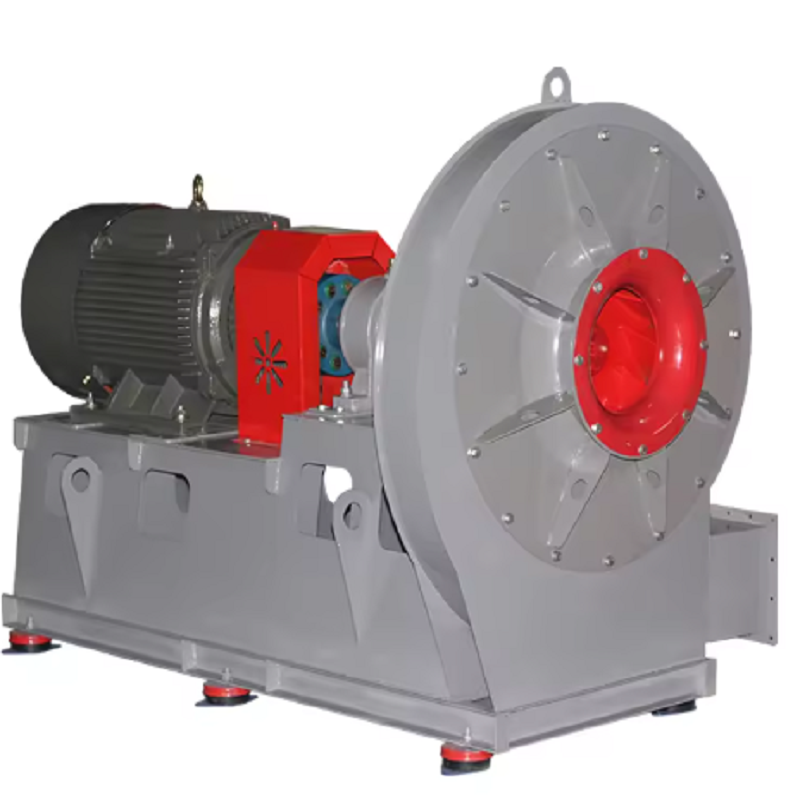
Reducing energy consumption does not always require replacing an existing Industrial Centrifugal Fan. In many industrial ventilation and exhaust systems, significant energy savings can be achieved by optimizing fan speed, reducing system resistance, cleaning the impeller, correcting operating points, and improving airflow control. This article explains practical methods for evaluating and upgrading an existing Industrial Centrifugal Fan system, including a real-world dust extraction case and key measurements engineers should take before making modifications. The goal is to help industrial plants maintain required airflow and pressure while reducing unnecessary power consumption and operating costs.
Industrial Centrifugal Fans operating in high-temperature and high-dust environments face demanding challenges such as impeller wear, dust accumulation, vibration, bearing overheating, and performance loss. This article explains practical fan selection and maintenance considerations, covering material selection, impeller design, bearing protection, system resistance, and operating data. A cement plant case study also shows how proper inspection, cleaning, and dynamic balancing can improve fan reliability and service life.
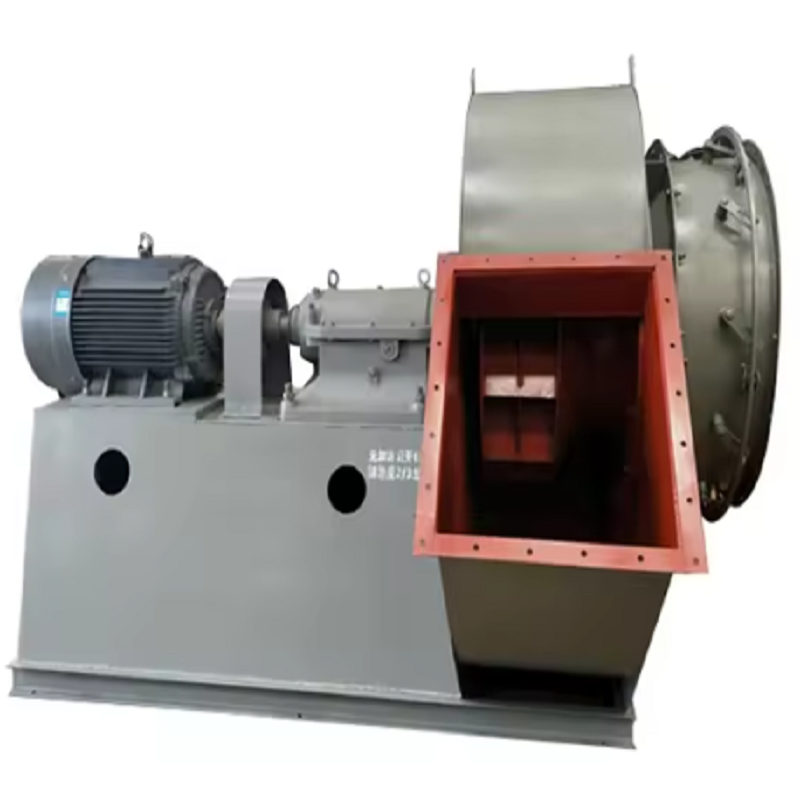
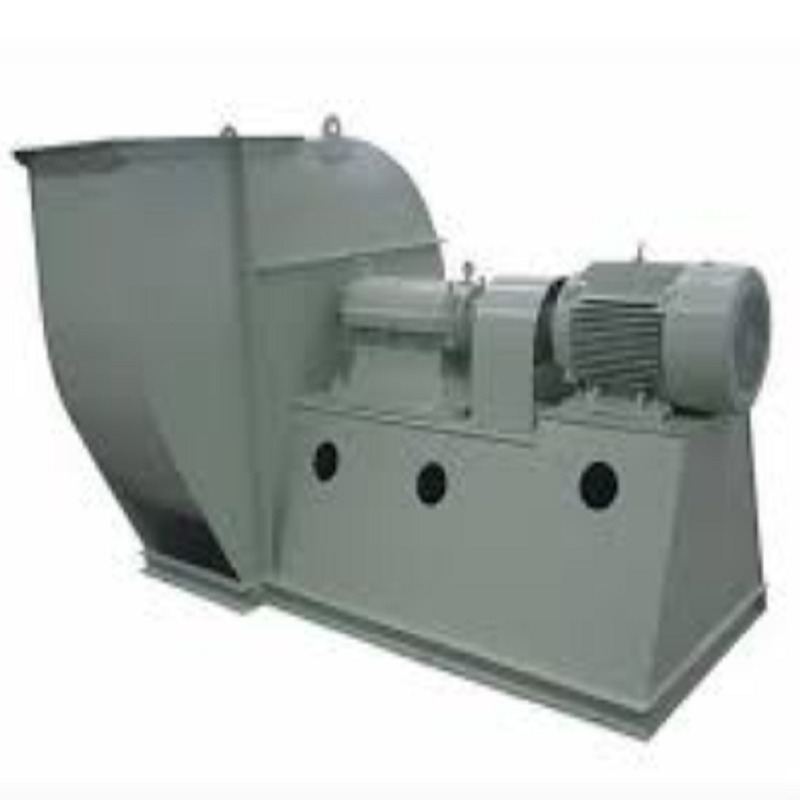
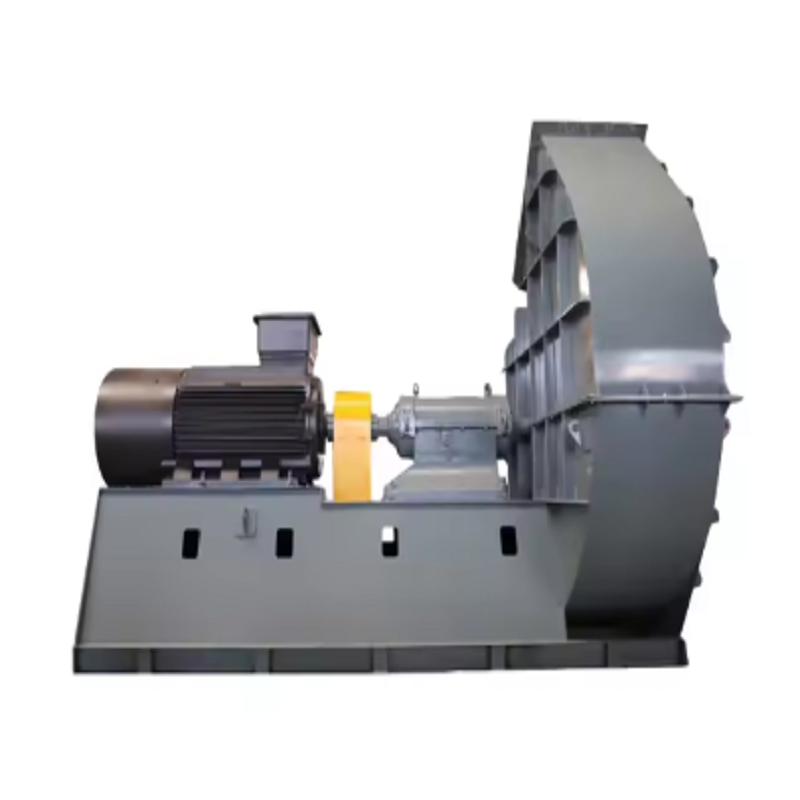
This article explains how **Industrial Centrifugal Fans** support reliable exhaust and air handling in heavy industries such as steel, cement, power generation, and chemical processing. It covers practical fan selection, system resistance, high-temperature and dusty applications, installation, commissioning, maintenance, motor loading, and a real-world steel processing case. The guide also highlights how accurate operating data and proper fan configuration can improve reliability, efficiency, and service life.
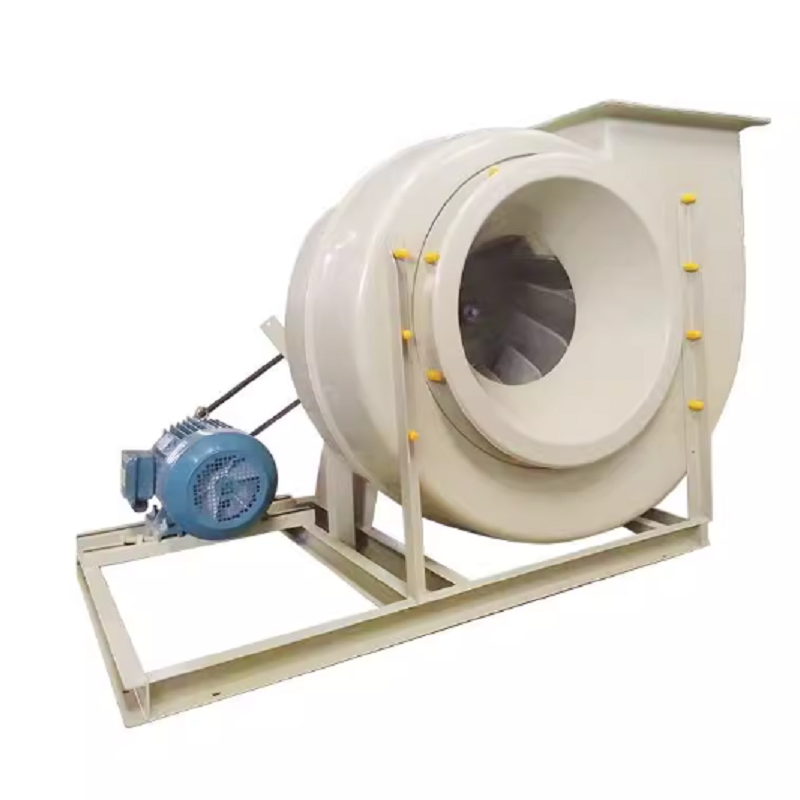
**Customized Corrosion-Resistant Centrifugal Fan** solutions are designed for industrial ventilation systems exposed to acidic gases, chemical vapors, high humidity, and other harsh conditions. This article explains how to select suitable materials, impeller designs, operating parameters, and installation methods, with a practical chemical exhaust case study showing how proper customization can improve fan reliability, corrosion resistance, and long-term performance.
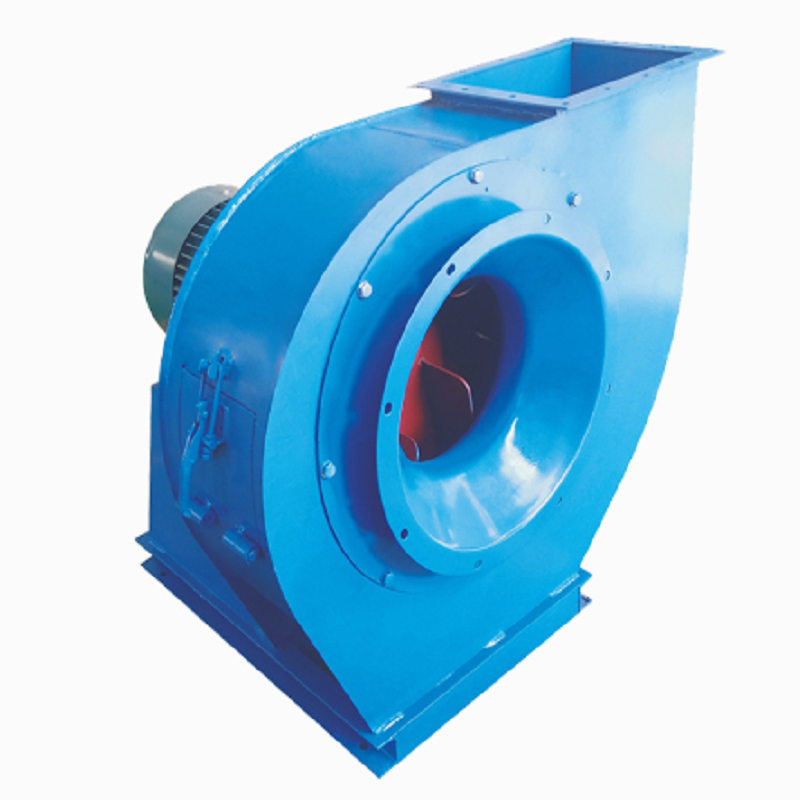
Wear-Resistant Centrifugal Fans are designed for demanding cement and mining applications where abrasive dust, high particle concentrations, and continuous operation can accelerate equipment wear. This article examines practical strategies for improving fan service life, including impeller design, wear-resistant material selection, airflow and velocity control, casing protection, and preventive maintenance. It also discusses real-world wear patterns and inspection methods to help industrial plants reduce unplanned downtime, maintenance costs, and premature fan replacement.
### 文章简介
High-Temperature Centrifugal Fans play a critical role in furnace and boiler exhaust systems where high temperatures, dust, pressure fluctuations, and continuous operation create demanding conditions. This article explains key considerations for fan selection, impeller design, material selection, thermal expansion, bearing protection, energy efficiency, and maintenance, with practical examples from furnace and boiler applications.
We use cookies to offer you a better browsing experience, analyze site traffic and personalize content. By using this site, you agree to our use of cookies.Privacy Policy