We are glad to share with you about the results of our work, company news,and give you timely developments and personnel appointment and removal conditions.
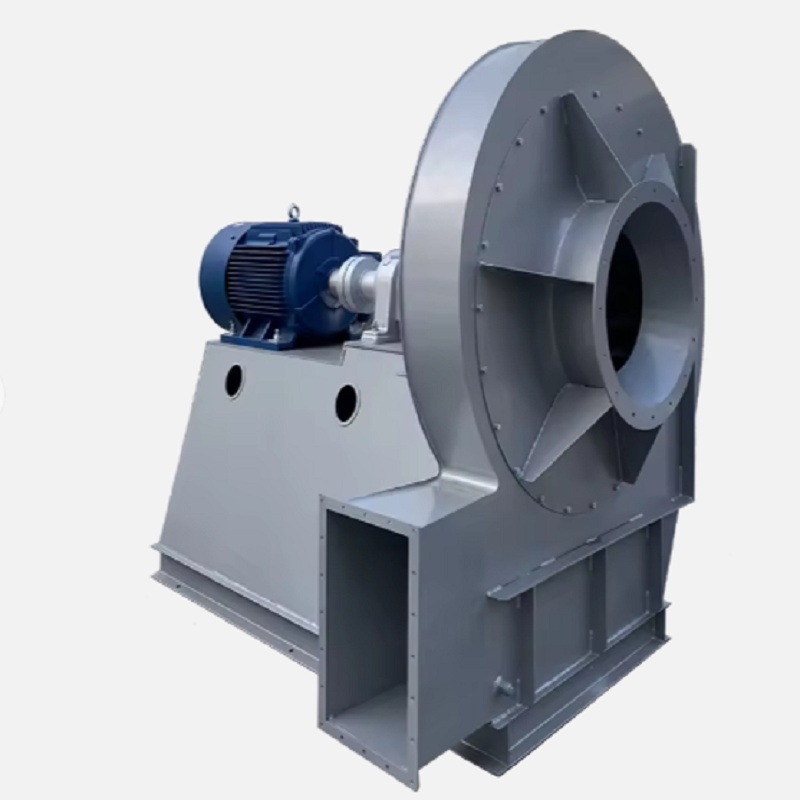
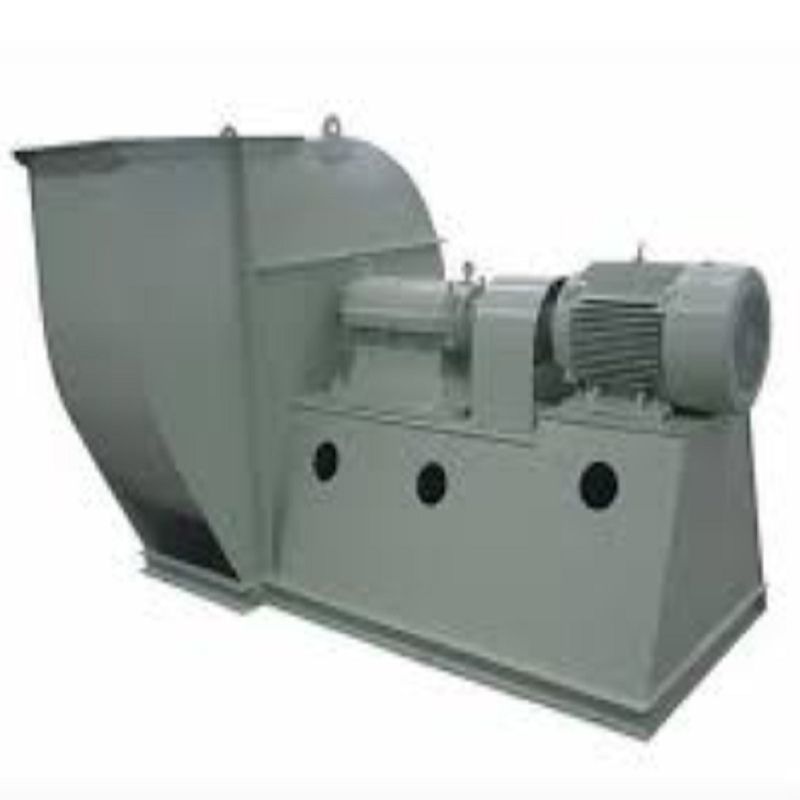
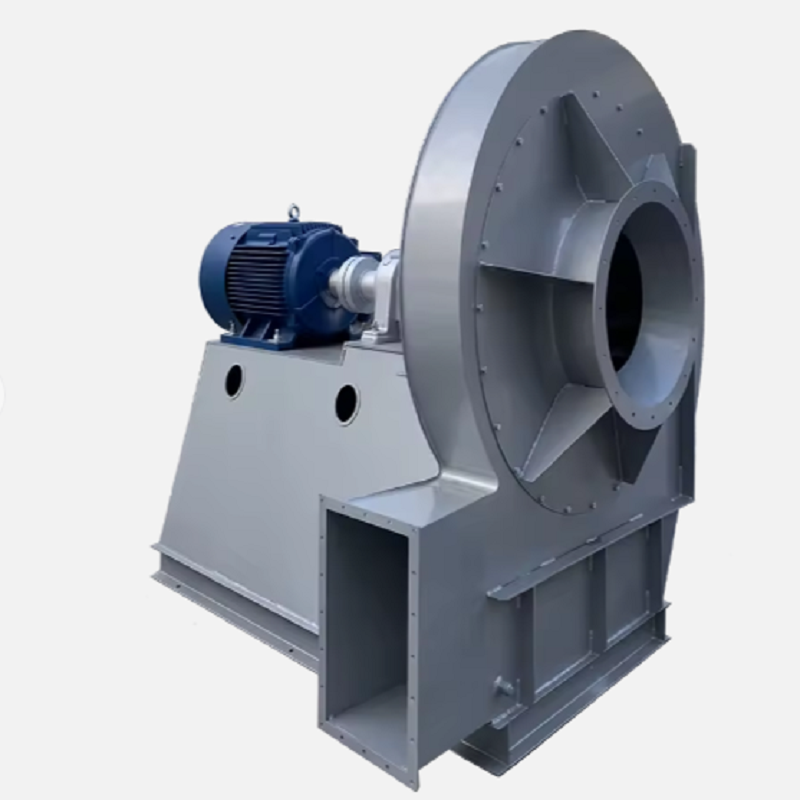
Choosing the right ventilation equipment is essential for improving efficiency and reducing operating costs in industrial facilities. This article explores the features, advantages, and practical applications of the Type A Centrifugal Fan, highlighting how its direct-drive design delivers reliable airflow, lower maintenance, and improved energy efficiency. Through installation recommendations and a real-world dust collection case study, readers will gain practical insights into selecting, installing, and maintaining a Type A Centrifugal Fan for long-term industrial performance.
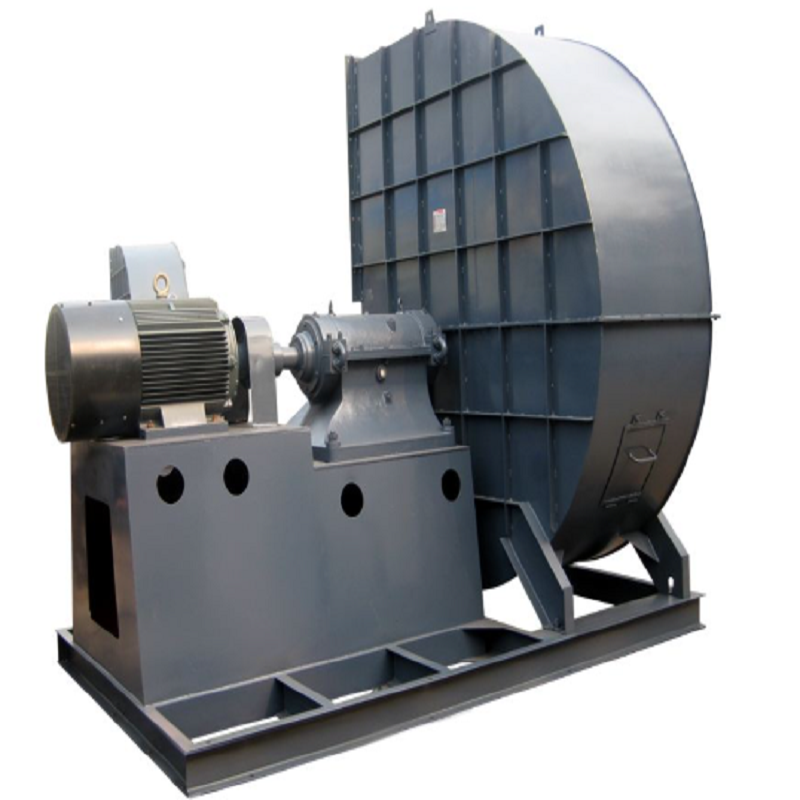
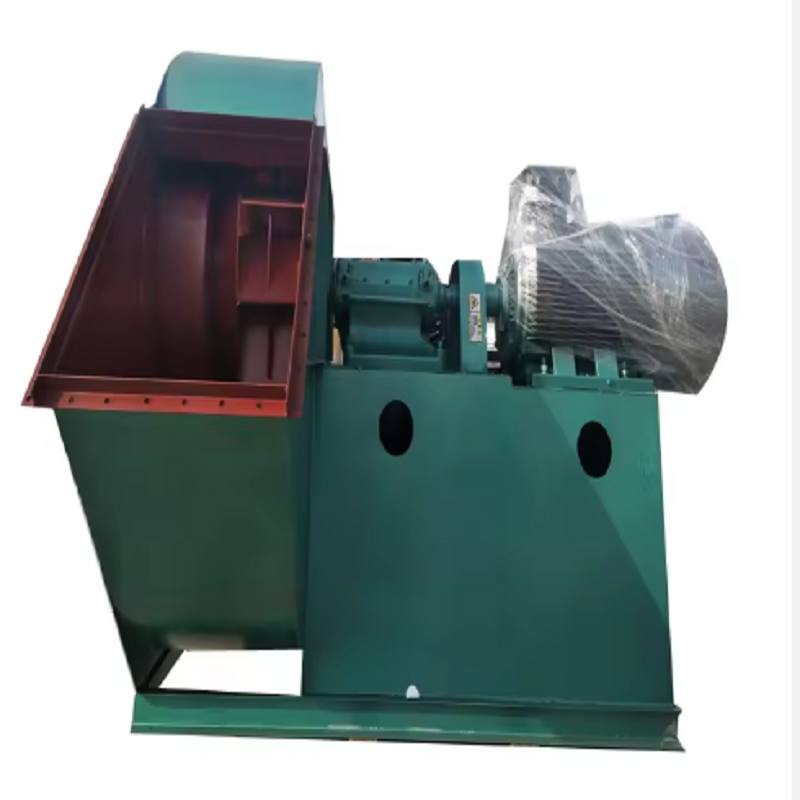
Discover how the Type C Centrifugal Fan improves industrial ventilation through its belt-driven design, flexible speed adjustment, and reliable performance. This guide covers the working principle, key selection factors, maintenance best practices, and real-world application examples across industries such as cement, chemical processing, and dust collection. Whether you're selecting a new fan or upgrading an existing system, this article provides practical insights to help optimize efficiency, reduce downtime, and improve long-term operational reliability.
This article briefly explains how to select a Type C centrifugal fan based on key factors such as airflow and pressure requirements, material selection, installation conditions, and energy efficiency to ensure stable and efficient system performance.
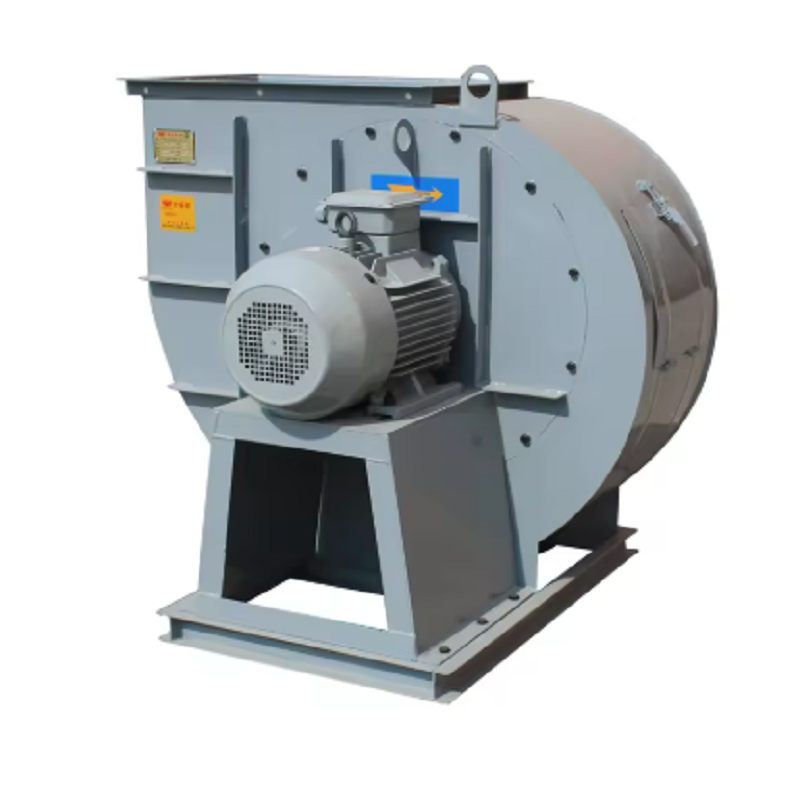
Discover the top five benefits of using a Type D Centrifugal Fan, including improved airflow efficiency, easier maintenance, high-temperature performance, flexible installation, and lower operating costs. This article also shares practical application tips and real industrial case studies to help you choose the right fan for your ventilation system.
The Type D Centrifugal Fan is a popular choice for industrial ventilation and dust collection systems due to its high efficiency and reliable performance. The Type D Centrifugal Fan allows flexible speed adjustment to match actual airflow requirements, helping reduce energy consumption and operating costs.
For example, a manufacturing facility replaced an outdated fan with a Type D Centrifugal Fan and optimized airflow based on production needs. This resulted in lower electricity usage and improved system efficiency. In addition, regular maintenance of the Type D Centrifugal Fan helps extend equipment life and reduce downtime, making it a cost-effective solution for long-term industrial operations.
We use cookies to offer you a better browsing experience, analyze site traffic and personalize content. By using this site, you agree to our use of cookies.Privacy Policy