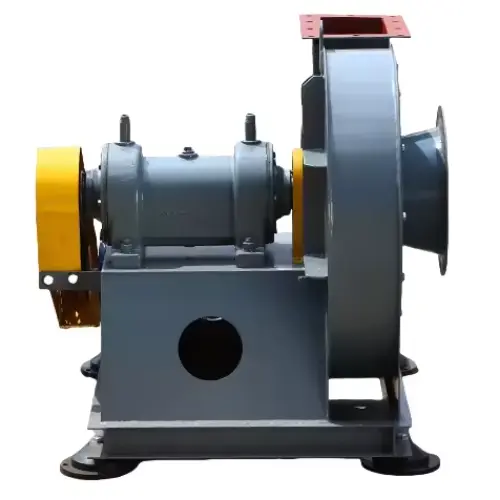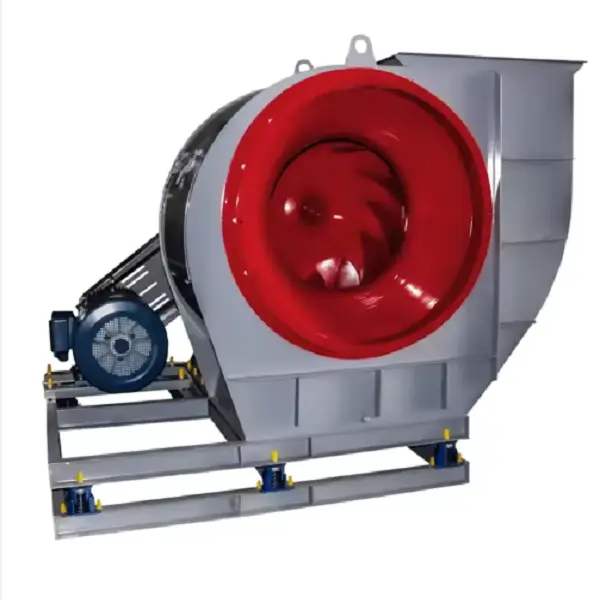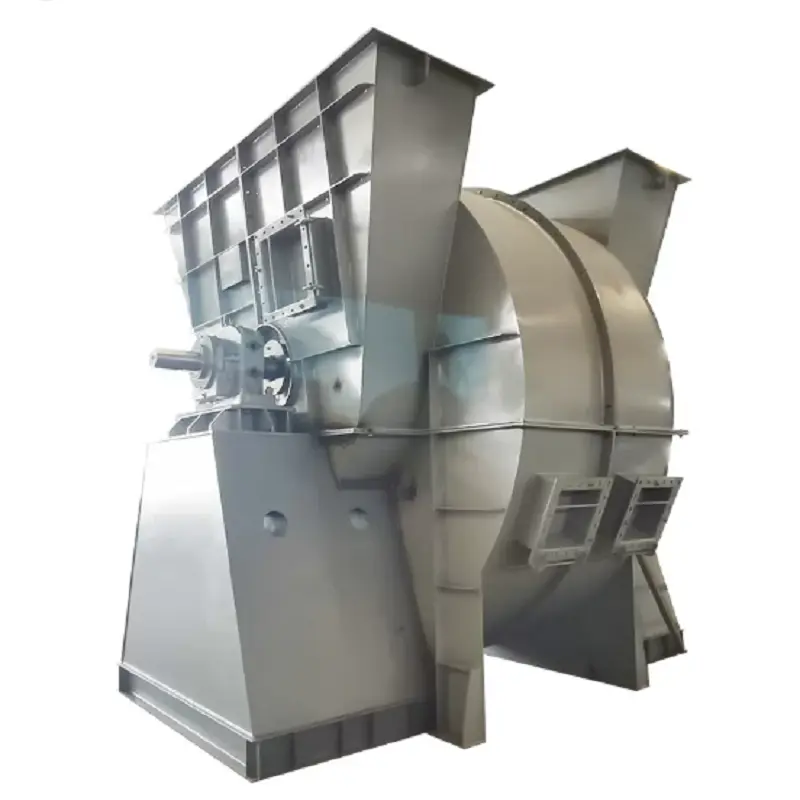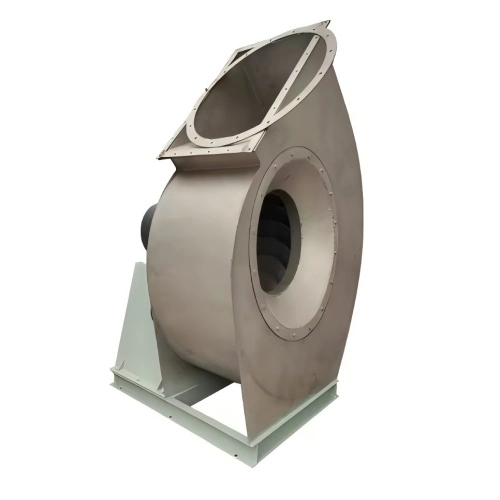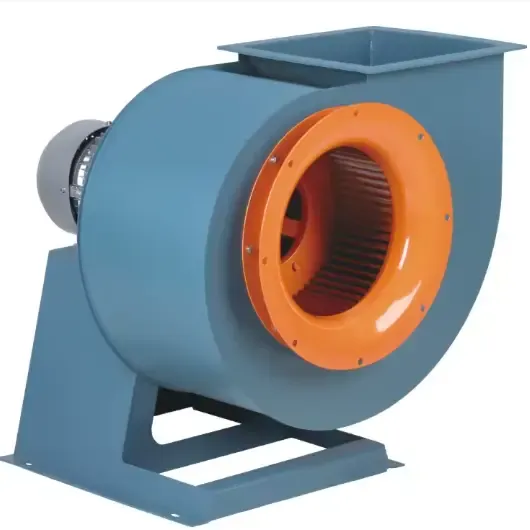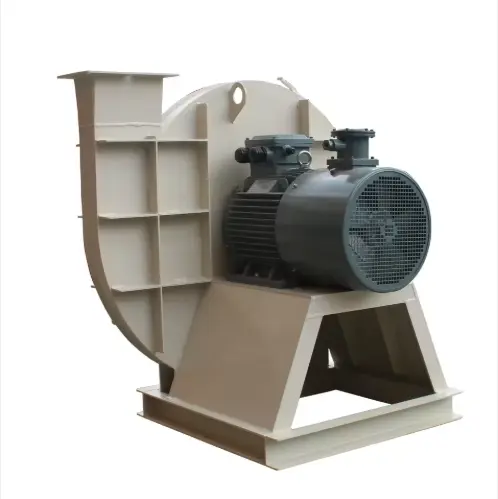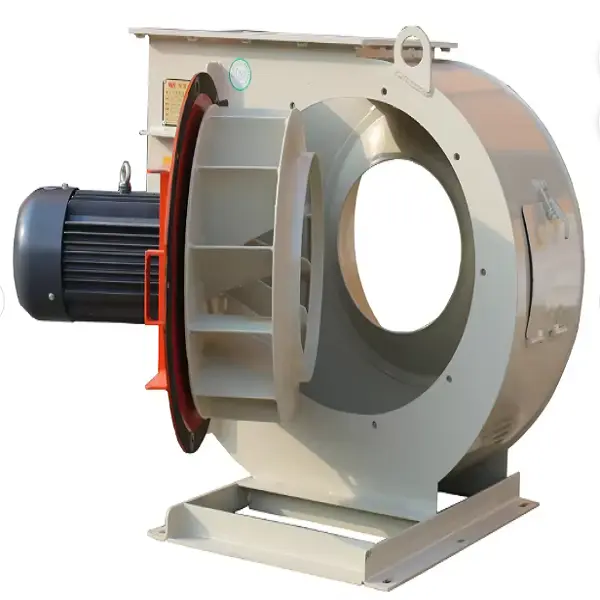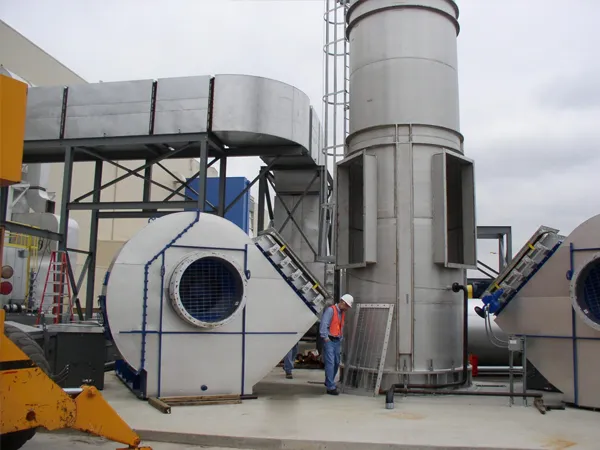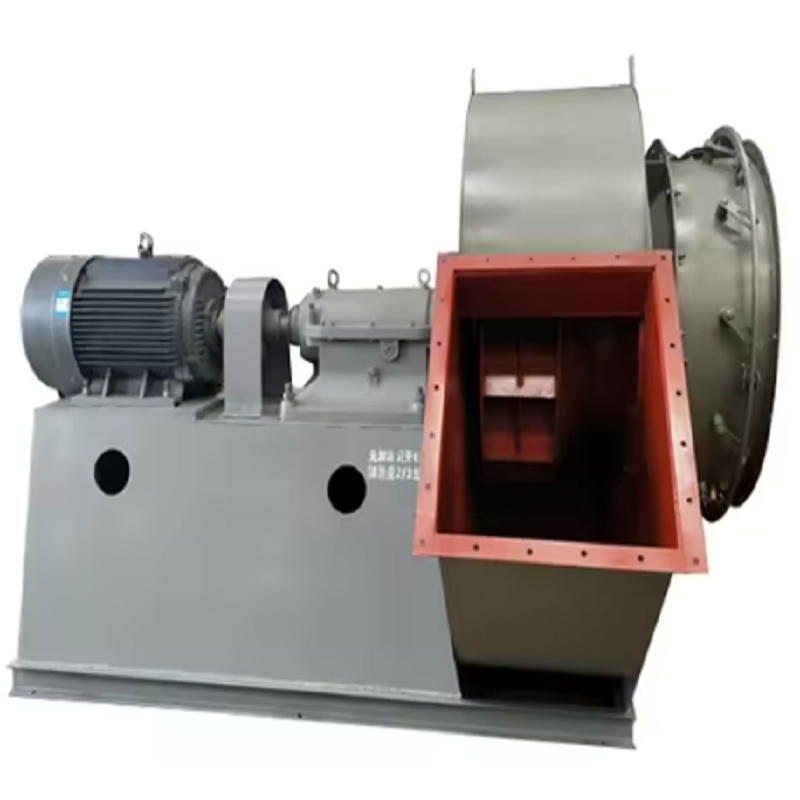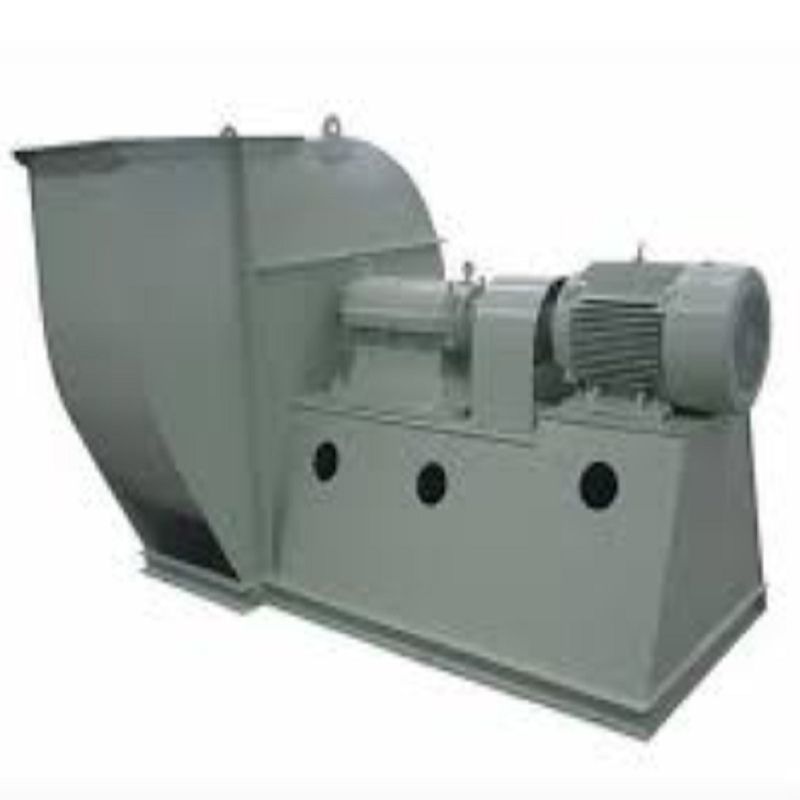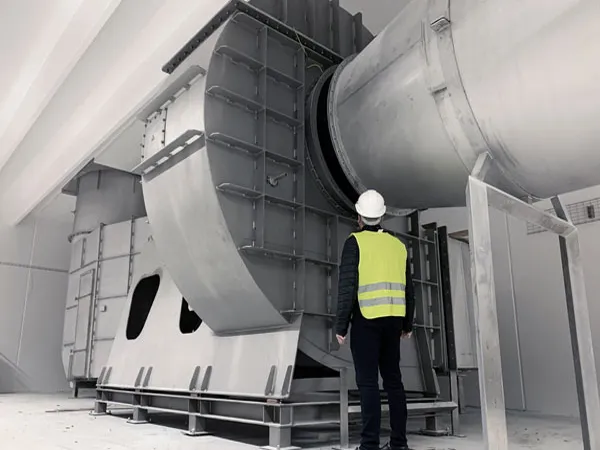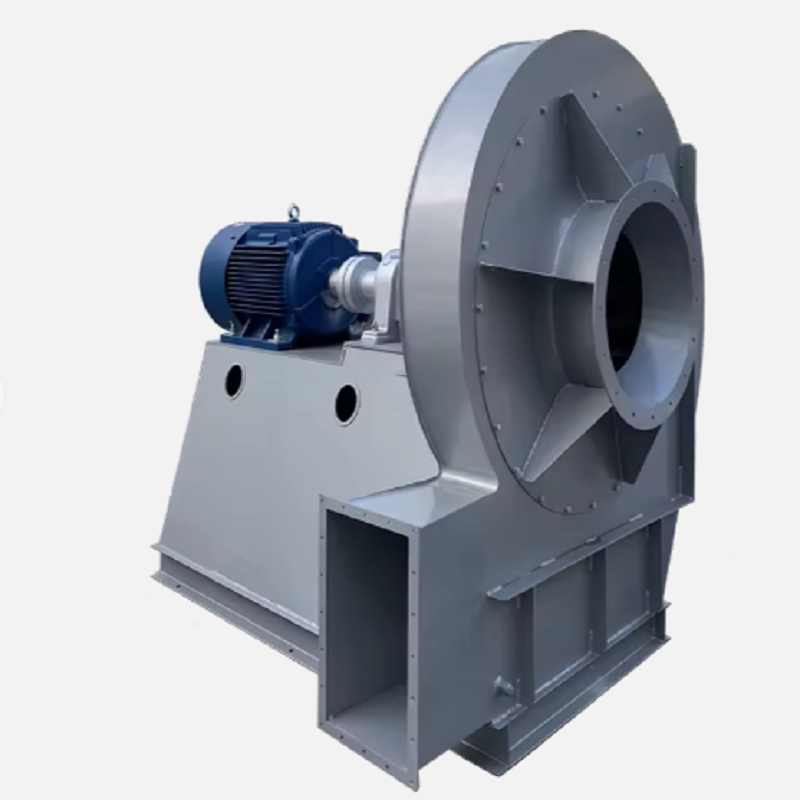
Industrial ventilation systems are facing more demanding operating conditions as factories handle corrosive gases, humid process air, chemical vapors, and contaminated exhaust. In these applications, Stainless Steel Centrifugal Fans are increasingly considered when conventional carbon steel construction cannot provide sufficient corrosion resistance. The important point, however, is that simply specifying “stainless steel” does not solve the problem. The stainless grade, gas composition, temperature, moisture content, pressure, and fan construction all have to match the actual process conditions.
A centrifugal fan may operate continuously for thousands of hours, and even small areas of corrosion can eventually affect mechanical reliability. Corrosion on the impeller is particularly serious because material loss changes the impeller's mass distribution and can create imbalance. Corrosion of the casing, meanwhile, can reduce wall thickness and eventually cause leakage.
This is one reason Stainless Steel Centrifugal Fans are commonly considered for chemical exhaust, wet scrubber systems, wastewater treatment, food-processing ventilation, and other humid industrial applications. Stainless construction does not make a fan immune to corrosion, but selecting an appropriate alloy can significantly improve resistance to the specific environment.
One of the most common mistakes in fan purchasing is selecting the material before defining the process gas. 304 stainless steel can be a practical choice for general humid air and mildly corrosive exhaust, but it is not automatically suitable for chloride-rich or aggressive wet environments. 316 and 316L generally provide better resistance in many chloride-containing and wet applications because of their molybdenum content.
For Stainless Steel Centrifugal Fans, I recommend collecting at least these data before confirming the material:
Gas composition
Gas concentration
Operating temperature
Maximum temperature
Relative humidity or moisture content
Chloride concentration, if applicable
Presence of condensate
Dust or solid-particle content
Required airflow
Required static or total pressure
For example, saying “the gas is corrosive” is not enough for a manufacturer to determine whether 304, 316L, duplex stainless steel, FRP, or another material is appropriate. Chemical compatibility has to be checked against the actual medium and operating conditions.
Condensation is often more important than the nominal gas composition. A gas stream may appear relatively harmless while it is hot and dry, but once the temperature falls below its dew point, liquid can form inside the fan and ductwork. The resulting condensate may be substantially more aggressive toward metal surfaces.
For Stainless Steel Centrifugal Fans, the design should therefore consider where condensation can occur. Drain ports at low points, suitable casing geometry, proper insulation, and appropriate material selection can prevent liquid from remaining inside the housing. In wet scrubber applications, the fan position relative to the scrubber is also important because liquid droplets and condensate can change the corrosion conditions significantly.
When engineers discuss corrosion-resistant fans, they often focus on the casing because it is easy to see. The impeller deserves at least the same level of attention.
The impeller rotates at high speed and may be exposed directly to the process gas. Pitting or uneven corrosion on the blades can affect dynamic balance. For this reason, Stainless Steel Centrifugal Fans should be specified with a clear material scope rather than simply stating “stainless steel construction.”
A proper specification should identify whether the following components are stainless steel:
Casing
Impeller
Inlet cone
Shaft
Bearing housing
Fasteners
Drain components
Inspection doors
Gas-contact seals
In some projects, only the gas-contact components require stainless steel, while the base and other non-contact structural components can use carbon steel. This approach can reduce unnecessary material cost without compromising the corrosion-resistant parts of the system.
Another common purchasing mistake is selecting a fan based only on airflow. A fan requiring 20,000 m³/h at 1,500 Pa is a completely different selection from one requiring 20,000 m³/h at 3,000 Pa.
When selecting Stainless Steel Centrifugal Fans, calculate the complete system resistance, including:
Suction duct
Elbows
Dampers
Filters
Scrubbers
Heat exchangers
Silencers
Discharge duct
Stack resistance
Any additional process equipment
For example, suppose a chemical exhaust system requires 20,000 m³/h at 2,500 Pa. If the original calculation only considered duct resistance and ignored a scrubber adding another 800 Pa, the actual system requirement becomes approximately 3,300 Pa. Selecting the fan at 2,500 Pa could result in insufficient airflow after commissioning.
The material solves the corrosion problem; it does not solve an incorrect system-pressure calculation.
Consider a chemical processing plant with a wet exhaust stream containing moisture and a moderate concentration of corrosive compounds. The original system used a painted carbon steel fan. After several months, corrosion appeared around the impeller and casing, particularly near areas where condensate accumulated.
The engineering team replaced the fan with Stainless Steel Centrifugal Fans and reviewed the entire system instead of changing only the fan material. The revised specification included a more suitable stainless grade, corrosion-resistant gas-contact components, drainage provisions, and inspection access.
The important lesson from this type of project is that replacing carbon steel with stainless steel is only one part of the solution. If condensation continues to collect inside the housing, even a corrosion-resistant fan can experience premature deterioration.
Consider another installation located near a coastal industrial facility. The fan handled humid air with chloride exposure. The initial proposal used 304 stainless steel because the project specification simply stated “stainless steel.”
After reviewing the process conditions, the engineering team recognized that chloride exposure created a higher corrosion risk. The material specification was upgraded to 316L for the relevant gas-contact components.
This illustrates an important purchasing rule: Stainless Steel Centrifugal Fans should never be selected by material name alone. The actual corrosion mechanism must be considered. 304 and 316L are not interchangeable in every environment.
The stainless grade itself is not the entire story. Fabrication quality can influence corrosion resistance around welded areas. For welded stainless structures, the heat-affected zone and post-welding surface condition should be considered, particularly in demanding corrosive environments.
For Stainless Steel Centrifugal Fans, buyers should request material certificates when the project requires traceability. Depending on the project specification, useful documentation may include material certificates, dimensional inspection records, dynamic balancing reports, and welding or fabrication documentation.
For high-value chemical-process applications, it is also useful to define exactly which components require material certification rather than simply asking for a general “stainless steel certificate.”
Stainless steel reduces corrosion risk, but it does not eliminate maintenance.
During routine inspections, technicians should check:
Impeller surface condition
Blade deposits
Corrosion pits
Welded joints
Drain openings
Shaft condition
Bearing temperature
Vibration
Motor current
Coupling or belt alignment
Actual airflow and pressure
If corrosive deposits accumulate on the impeller, cleaning should not be postponed until vibration becomes excessive. Even a small amount of uneven buildup can affect dynamic balance.
For Stainless Steel Centrifugal Fans, vibration monitoring is particularly useful because increasing vibration can provide an early indication of deposits, corrosion-related imbalance, bearing problems, or mechanical misalignment.What Information Should Be Sent to the Fan Manufacturer?For an accurate quotation, send more than the fan's required power or motor size. A useful inquiry should contain:
Airflow: 20,000 m³/h
Static pressure: 2,500 Pa
Gas temperature: 80°C
Gas composition: process exhaust / chemical vapor
Humidity: high
Dust: low
Material requirement: 316L gas-contact parts
Installation: indoor
Drive: direct or coupling drive
Power supply: 400 V / 50 Hz / 3 phase
Operating hours: 24 h/day
With these parameters, the manufacturer can select the fan size, impeller design, rotational speed, motor power, material configuration, and drive arrangement much more accurately.
The growing use of Stainless Steel Centrifugal Fans is not simply a trend toward more expensive materials. In many industrial applications, it is a response to real problems involving humidity, chemical vapors, chloride exposure, condensation, and equipment service life.
The correct approach is to work backward from the process: identify the gas, calculate the airflow and pressure, determine the temperature and condensation conditions, select the appropriate material grade, and then confirm the mechanical design.
For a mild humid application, 304 stainless steel may be sufficient. For wet or chloride-risk service, 316L may be a more appropriate starting point. For more aggressive chemical environments, however, stainless steel may not be the best material at all, and alternatives such as FRP, PPH, PVDF, duplex stainless steel, or titanium may need to be evaluated.
The key is not simply to buy Stainless Steel Centrifugal Fans. The goal is to specify a fan whose material, performance, construction, and operating conditions are matched from the beginning. That approach reduces premature corrosion, avoids repeated equipment replacement, and gives the ventilation system a much better chance of maintaining stable performance over its service life.