News

Carbon Steel vs Stainless Steel Centrifugal Fans: Selecting the Right Material for Industrial Airflow

2026-09-18 0 Leave me a message

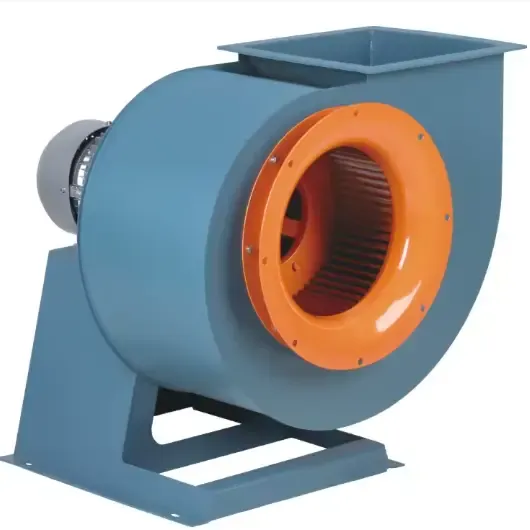
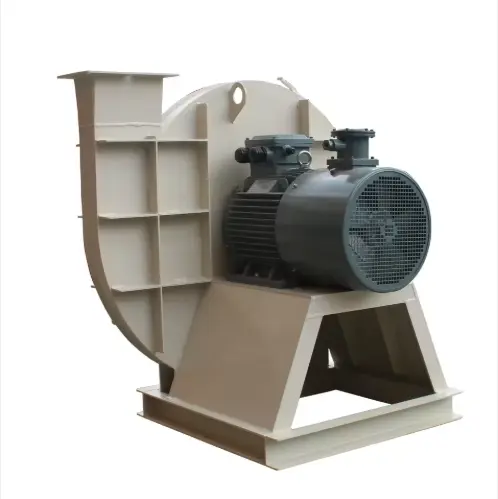
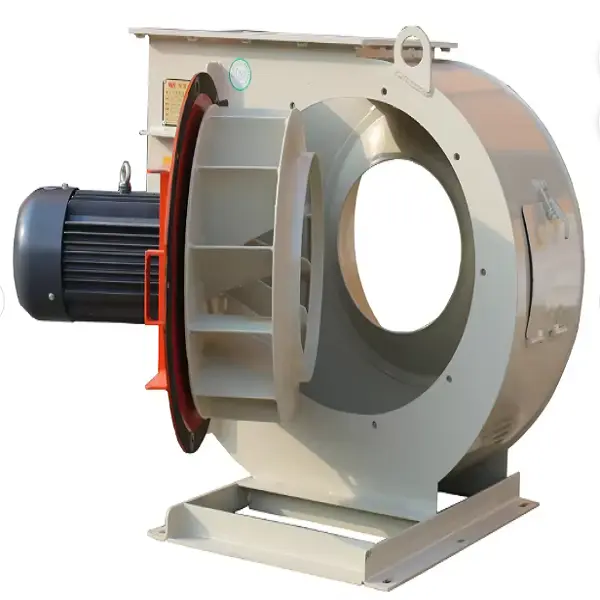
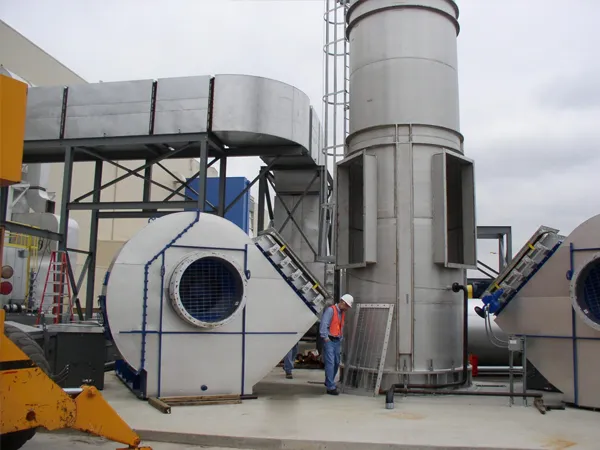
When selecting an industrial centrifugal fan, airflow and pressure are usually the first parameters engineers check. However, the fan material can be just as important, especially when the equipment handles moisture, corrosive gases, high temperatures, or abrasive dust. Carbon Steel vs Stainless Steel Centrifugal Fans is therefore not simply a question of which material is stronger or more expensive. The correct choice depends on the actual operating environment, gas composition, temperature, humidity, and expected service life.

In general, carbon steel is widely used for general ventilation, dry exhaust, boiler air systems, and many non-corrosive industrial applications because it provides good mechanical strength at a relatively low cost. Stainless steel becomes more relevant when moisture, corrosion, hygiene, or chemical exposure is a major concern. Industry guidance similarly recommends selecting fan material according to the actual gas stream rather than treating stainless steel as an automatic upgrade for every application.

Carbon Steel Centrifugal Fans: Where They Make Sense

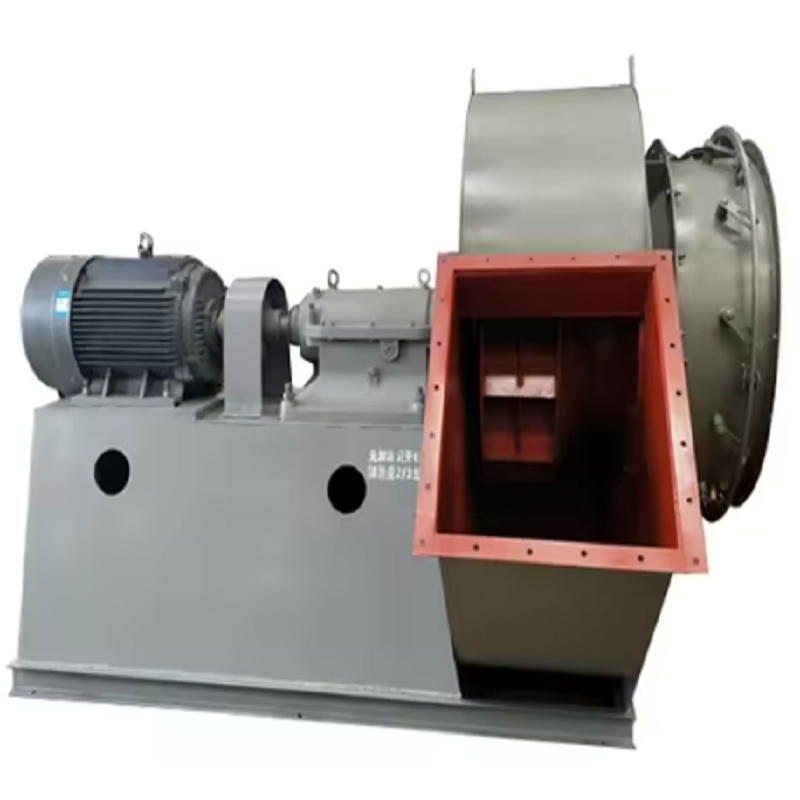
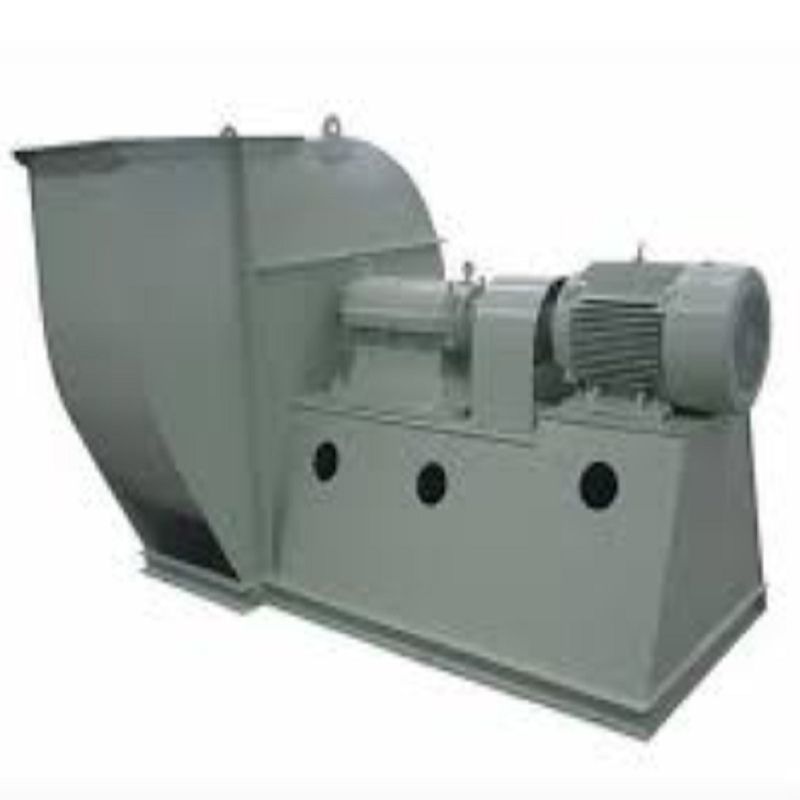
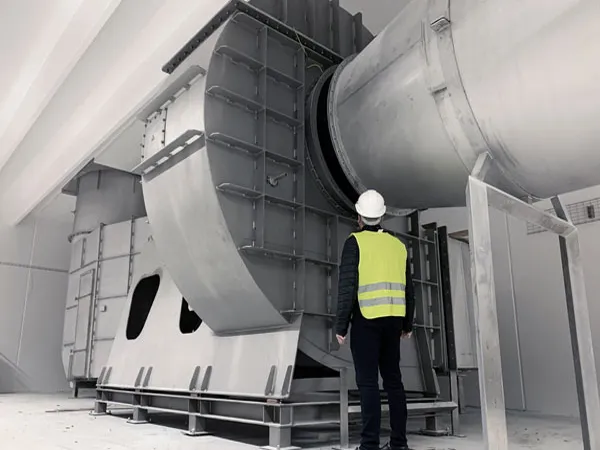
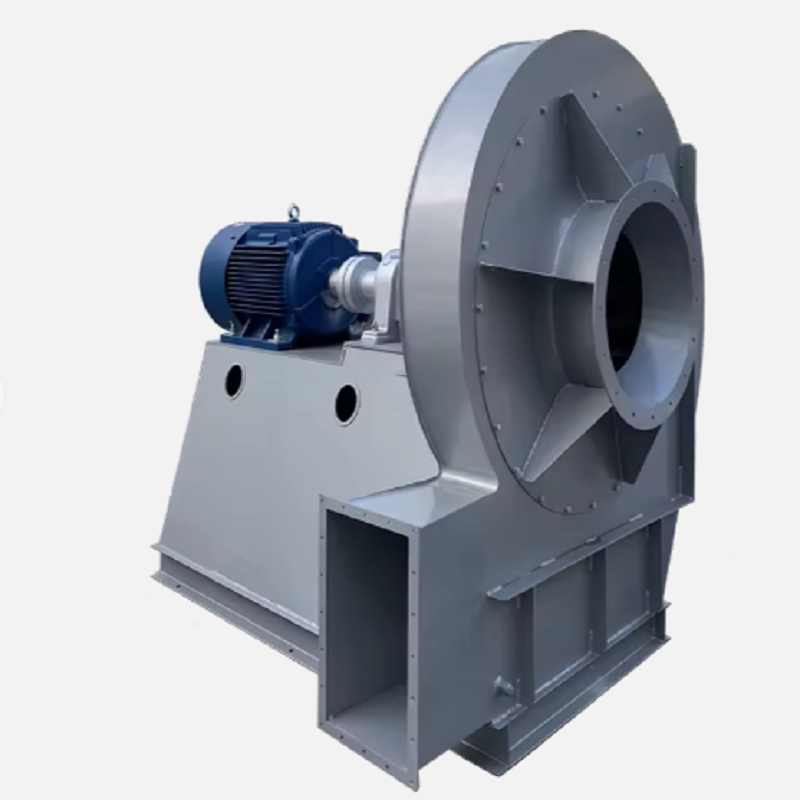
For many industrial projects, carbon steel remains the practical starting point. A properly designed carbon steel centrifugal fan can handle general factory ventilation, dry process exhaust, combustion air, dust collection, and other applications where the gas is not strongly corrosive.

The main advantage is not simply the lower material price. Carbon steel is also familiar to most fabrication shops, easy to weld and repair, and available in a wide range of plate thicknesses. For a large fan, these manufacturing advantages can significantly affect project cost and delivery time.

For example, consider a factory exhaust system handling 25,000 m³/h of relatively dry air at approximately 80°C. If there is no significant acid vapor, chloride contamination, or condensation, specifying a complete stainless steel fan may add cost without solving a real engineering problem. A properly coated carbon steel casing and impeller may be sufficient.

This is one of the most important points in Carbon Steel vs Stainless Steel Centrifugal Fans selection: do not automatically choose stainless steel simply because it is more expensive or more corrosion-resistant. Material selection should be based on the actual process conditions.

When Stainless Steel Becomes the Better Choice

Stainless steel becomes more attractive when the fan continuously handles humid air, corrosive process gases, acid mist, chemical vapors, or applications where frequent washing and cleaning are required. Common stainless grades used in industrial fan construction include 304 and 316/316L, but the grade must be matched to the specific chemical environment. For example, 316/316L generally provides better resistance to chloride-containing environments than 304 because of its molybdenum content.

A common mistake is to specify “stainless steel” without identifying the grade. Stainless steel is a family of materials, not a single material. A fan handling humid factory air may have very different requirements from one handling wet acidic exhaust.

For Carbon Steel vs Stainless Steel Centrifugal Fans, engineers should therefore ask a more useful question: What exactly is inside the gas stream?

The answer should include:

Gas composition

Gas temperature

Relative humidity

Condensation possibility

Acid or alkaline components

Chloride concentration

Dust concentration

Particle size and hardness

Operating hours per day

Cleaning method

Outdoor or indoor installation

These details often determine the material more accurately than the fan airflow itself.

Do Not Use Paint as a Substitute for Stainless Steel in Every Application

Carbon steel can be protected using epoxy, polyurethane, zinc-rich primers, galvanizing, or other coating systems. This can work well when the environment is only mildly corrosive.

However, coating is not equivalent to stainless steel. If the coating is scratched, poorly applied, damaged during transportation, or attacked by chemicals, corrosion can begin underneath or around the damaged area. In a rotating impeller, localized corrosion can also develop into an imbalance problem.

This is particularly important for Carbon Steel vs Stainless Steel Centrifugal Fans used in wet exhaust systems. If the process produces condensation containing acidic or alkaline components, engineers should not evaluate corrosion protection only from the outside of the casing.

The impeller, inlet cone, casing interior, shaft exposure, fasteners, drain areas, and weld zones may all require attention. A material-selection guide for industrial fans likewise recommends evaluating all gas-contact components rather than specifying corrosion resistance only for the casing.

A Practical Material Selection Method

A simple way to approach Carbon Steel vs Stainless Steel Centrifugal Fans is to divide the application into four questions.

Step 1: Identify the gas.

Is the fan handling clean air, combustion air, dry dust, humid air, acid vapor, solvent vapor, or wet process exhaust?

Step 2: Identify the temperature.

Do not provide only the normal temperature. Give the manufacturer the normal operating temperature, maximum temperature, startup temperature, shutdown temperature, and any cleaning temperature if applicable.

Step 3: Check condensation.

A gas may appear relatively harmless when hot but become highly corrosive after cooling. If the gas can reach its dew point inside the fan or downstream ductwork, condensate chemistry becomes an important selection factor.

Step 4: Check abrasion separately from corrosion.

A stainless steel fan is not automatically a wear-resistant fan. If the gas contains hard particles, the impeller and casing may still require thicker plate, wear liners, hardened components, or replaceable wear sections.

This approach makes Carbon Steel vs Stainless Steel Centrifugal Fans selection much more reliable than choosing a material based only on purchase price.

Practical Case: Dry Dust Exhaust

Consider a cement-processing plant requiring a centrifugal fan for 30,000 m³/h at 2,500 Pa. The gas contains a significant amount of dry mineral dust, but there is little moisture and no significant corrosive chemical content.

At first glance, stainless steel may seem attractive because the fan is operating in a harsh environment. However, corrosion may not be the primary failure mechanism. Abrasion could be more important.

In this situation, a carbon steel construction with increased plate thickness and wear protection in high-impact areas may be more appropriate than a standard stainless steel construction.

The engineering focus should be on particle concentration, particle hardness, impeller peripheral velocity, wear location, and expected operating hours. This illustrates why Carbon Steel vs Stainless Steel Centrifugal Fans cannot be decided from the word “dust” alone.

For abrasive applications, industry guidance also points toward thicker materials, wear liners, or abrasion-resistant construction rather than assuming stainless steel alone will solve the problem.

Practical Case: Wet and Acidic Exhaust

Now consider a completely different application.

A chemical process generates 18,000 m³/h of exhaust at 70°C. The gas contains high humidity together with acidic components, and the system operates continuously.

Here, a standard painted carbon steel fan deserves careful scrutiny. Even if the external coating initially performs well, the internal gas-contact surfaces may experience condensation and chemical attack.

For this type of Carbon Steel vs Stainless Steel Centrifugal Fans comparison, engineers may investigate 304, 316L, FRP, or other specialized materials depending on the actual chemical composition and temperature.

The important point is that 316L should not be selected merely because the gas is called “chemical exhaust.” The concentration of each chemical, water content, operating temperature, and condensation conditions should be checked first. In some aggressive chemical environments, FRP or another non-metallic material may be more appropriate than either carbon steel or stainless steel.

What About High-Temperature Applications?

Temperature complicates the Carbon Steel vs Stainless Steel Centrifugal Fans decision because material strength, thermal expansion, oxidation, bearings, seals, lubrication, and shaft design may all become relevant.

For example, a fan handling 300°C gas cannot be selected in exactly the same way as a fan handling 80°C air. Even if the gas is not corrosive, the fan manufacturer may need to consider shaft temperature, bearing arrangement, cooling structure, expansion clearance, impeller material, and motor location.

At higher temperatures, engineers should also distinguish between continuous operating temperature and short-term peak temperature. A fan that occasionally sees a high-temperature spike may require a different design from a fan that operates continuously at the same temperature.

Therefore, Carbon Steel vs Stainless Steel Centrifugal Fans should never be reduced to a simple temperature chart. The complete fan construction must be reviewed against the actual thermal duty.

Carbon Steel and Stainless Steel Do Not Have to Be Used Exclusively

Another practical solution is to use different materials for different components.

For example, a fan may use a carbon steel structural frame and external support components while using stainless steel for the impeller and internal gas-contact surfaces. Depending on the application, this can provide a reasonable balance between corrosion resistance and manufacturing cost.

However, mixed-material construction requires careful consideration of fasteners, welds, galvanic corrosion, thermal expansion, and the exact gas-contact areas.

For Carbon Steel vs Stainless Steel Centrifugal Fans, this means the real engineering question may not be “carbon steel or stainless steel?” but rather:

Which components actually need stainless steel?

That question can significantly reduce unnecessary material costs without compromising the equipment's operating reliability.

Don't Forget the Fan's Operating Point

Material selection is important, but it does not replace aerodynamic selection.

Suppose a customer requests a fan using 304 stainless steel and provides only a motor power of 160 kW. That information is not enough to select the fan.

The manufacturer still needs, at minimum:

Required airflow

Static or total pressure

Gas temperature

Gas density or operating pressure

Gas composition

Altitude

Fan speed or motor speed

Installation arrangement

Dust concentration

Material requirement

Operating hours

Motor an electrical requirements

This is particularly important when discussing Carbon Steel vs Stainless Steel Centrifugal Fans with overseas customers. A correct material combined with an incorrectly selected fan duty will still produce a poor result.

A Simple Comparison for Engineering Discussions

Factor Carbon Steel Stainless Steel

Initial material cost Generally lower Generally higher

Mechanical fabrication Easy and widely available More demanding depending on grade

General ventilation Suitable Usually unnecessary

Dry industrial exhaust Often suitable Suitable but may add cost

Humid environment Requires protection Generally better suited

Corrosive gas Requires detailed coating assessment Often preferred, grade-dependent

Chloride exposure Requires strong protection 316/316L may be considered

Abrasive dust Can be suitable with wear protection Still requires wear assessment

Cleaning/washdown Depends on coating Often advantageous

Maintenance Coating inspection may be required Usually lower coating-related maintenance

Chemical exhaust Application-dependent Grade must match chemistry

High temperature Depends on grade/design Depends on grade/design

The table should be treated as a preliminary screening tool, not a final material specification. Actual compatibility depends on the complete operating environment.

How Engineers Can Avoid Over-Specification

One of the easiest ways to control centrifugal fan project cost is to avoid specifying stainless steel where it provides no meaningful engineering benefit.

For example, if a fan handles clean air at 40°C in an indoor factory, there may be little justification for upgrading the entire fan to 316L.

On the other hand, using carbon steel simply because it is cheaper can also be a false economy when the fan handles wet corrosive exhaust 24 hours a day.

The better approach is to calculate the total operating requirement rather than comparing material prices alone. Consider the initial equipment cost, coating maintenance, expected downtime, replacement difficulty, cleaning requirements, and consequences of corrosion-related failure.

This is the practical value of a Carbon Steel vs Stainless Steel Centrifugal Fans analysis: it connects material selection with actual operating conditions instead of treating the material as a purchasing decision only.

Final Checklist Before Ordering a Centrifugal Fan

Before placing an order, engineers should send the fan manufacturer a complete operating condition sheet.

At minimum, include:

Airflow: m³/h, CFM, or m³/s

Pressure: Pa, kPa, mmWG, or in. WG

Temperature: normal and maximum

Gas composition: including corrosive components

Humidity: especially for wet exhaust

Condensation: yes or no, and expected conditions

Dust: concentration, particle size, and abrasiveness

Altitude: installation elevation above sea level

Operating hours: intermittent or continuous

Required material: carbon steel, 304, 316L, or other

Coating: if carbon steel is selected

Fan arrangement and installation conditions

Providing this information allows the manufacturer to evaluate the entire fan rather than simply quoting a material price.

Conclusion

The right choice in Carbon Steel vs Stainless Steel Centrifugal Fans depends on the process, not on which material appears more advanced.

Carbon steel is often a practical solution for dry, non-corrosive industrial airflow, especially when strength, fabrication, repairability, and cost are important. Stainless steel becomes more relevant when moisture, corrosion, hygiene, chemical exposure, or washdown requirements justify the additional material cost.

The most important lesson is simple: select the material according to the gas, temperature, moisture, corrosion, abrasion, and operating conditions—and then design the fan around the actual duty point.

A properly selected carbon steel fan can outperform an unnecessarily expensive stainless steel fan in the right environment. Likewise, the additional cost of stainless steel can be justified when corrosion would otherwise lead to frequent maintenance, performance deterioration, or premature replacement. The engineering objective is not to choose the most expensive material; it is to choose the material that matches the process.

Choosing between carbon steel and stainless steel is an important step when selecting a centrifugal fan for industrial applications. This article compares Carbon Steel vs Stainless Steel Centrifugal Fans based on corrosion, temperature, humidity, dust, operating conditions, maintenance, and cost. It also provides practical selection methods and real industrial cases to help engineers choose the right fan material for reliable and long-term operation.

Related News
Leave me a message
X
We use cookies to offer you a better browsing experience, analyze site traffic and personalize content. By using this site, you agree to our use of cookies.Privacy Policy
RejectAccept