News

Industrial Boiler Fans Adapt to Increasing Demands for Reliable Combustion Airflow

2026-09-17 0 Leave me a message

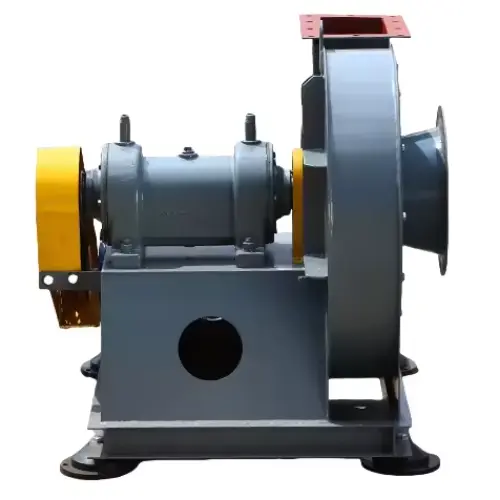
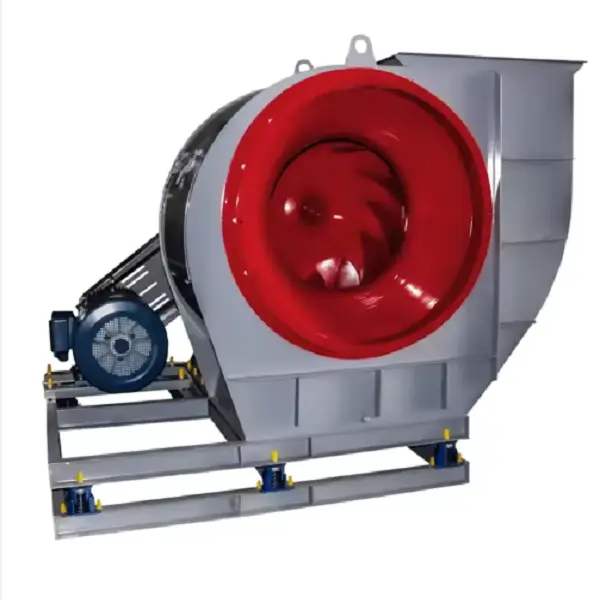
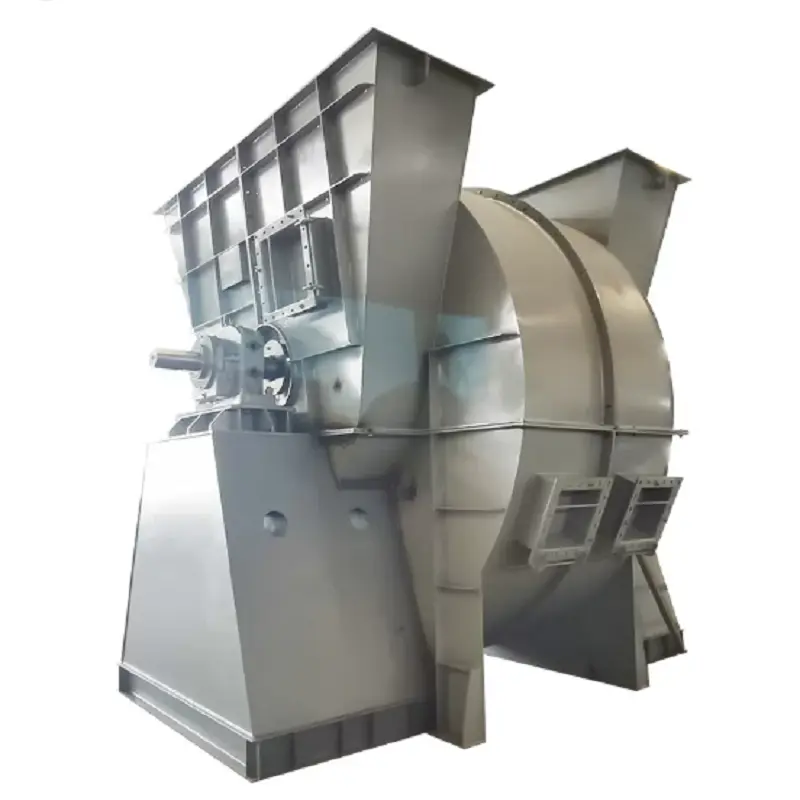
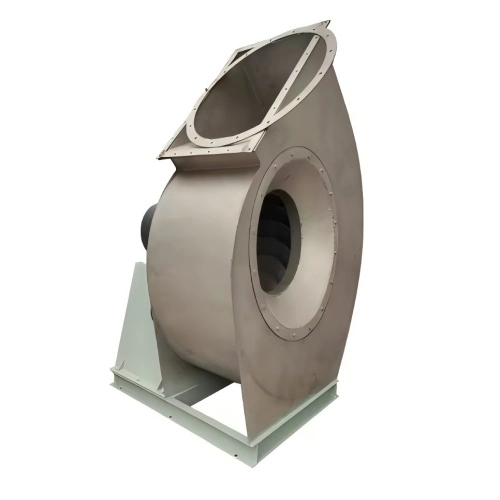
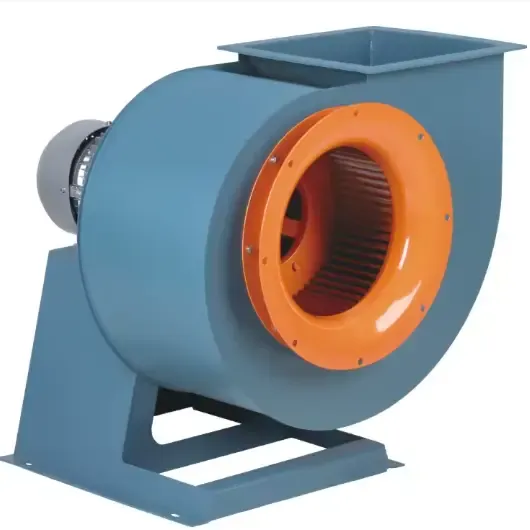
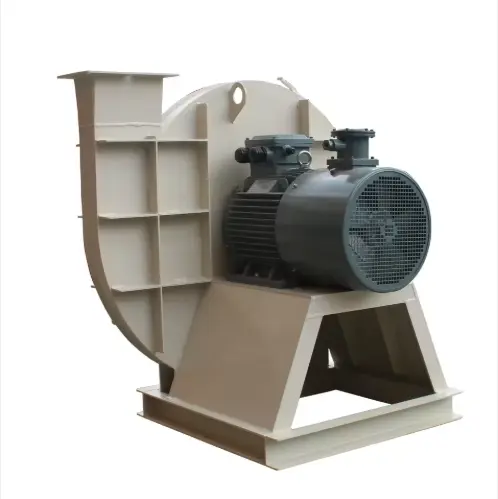
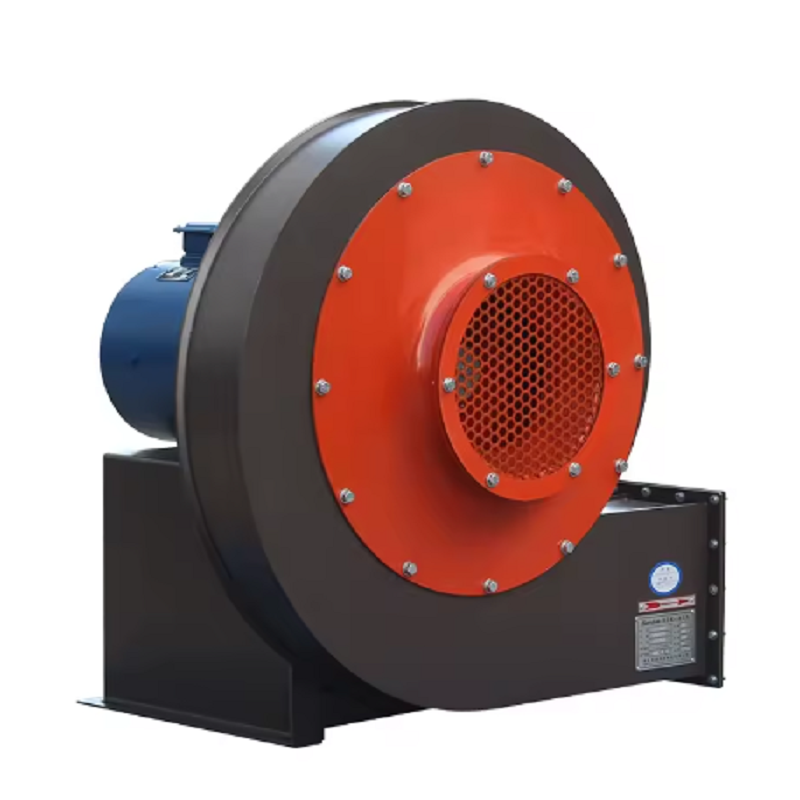
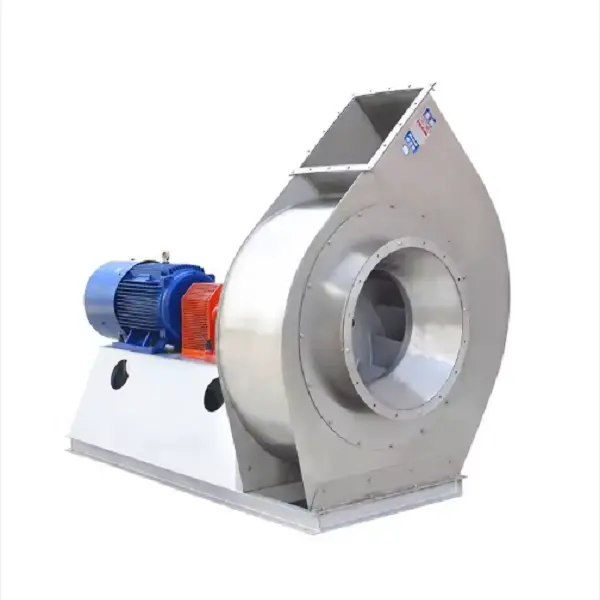
Industrial boiler systems are becoming more demanding as plants try to maintain stable combustion while controlling fuel consumption, emissions, and operating costs. In this environment, Industrial Boiler Fans are no longer selected simply according to boiler capacity or motor power. The actual fan duty depends on combustion air requirements, system resistance, fuel characteristics, operating temperature, and load variation.

For engineers, the first question should not be “How many kW should the fan motor have?” It should be “What airflow and pressure are required at the actual operating point?” This distinction is important because both forced draft (FD) fans and induced draft (ID) fans must be matched to the complete boiler system rather than selected as independent pieces of equipment. Start With Airflow and Pressure, Not Motor Power

When selecting Industrial Boiler Fans, two basic parameters should be established first: required airflow and required pressure.

For an FD fan, airflow is related to boiler firing rate, fuel type, burner or grate design, and the required excess-air level. The fan pressure must overcome resistance from the air inlet, filter, damper, ductwork, air preheater, windbox, and burner register.

For an ID fan, the calculation is different. The fan must extract the required flue gas volume while overcoming resistance from the boiler gas passages, economizer, air preheater, dust collector, scrubber, ducts, dampers, and chimney.

A practical specification sheet should therefore include at least:

Required airflow: m³/h or CFM

Static or total pressure: Pa, kPa, or mmWG

Air or gas temperature

Fuel type

Dust concentration

Gas composition, where applicable

Operating altitude

Normal and maximum load

Fan speed or VFD range

Motor voltage and frequency

Installation arrangement

This approach prevents a common purchasing mistake: selecting a fan based only on the existing motor rating. A 160 kW motor, for example, does not tell the manufacturer what airflow or pressure the fan must actually deliver.

FD Fan and ID Fan Have Different Jobs

Not all Industrial Boiler Fans perform the same function.

A forced draft fan supplies combustion air to the furnace. It normally handles relatively clean ambient or preheated air and operates on the positive-pressure side of the combustion system.

An induced draft fan works on the exhaust side. It pulls flue gas through the boiler and downstream equipment while helping maintain the required furnace draft. Depending on the fuel and process, the gas can contain ash, dust, moisture, corrosive compounds, and other contaminants.

This difference directly affects fan construction.

For example, an FD fan for a gas-fired boiler may primarily require stable airflow, efficient operation, and accurate control. An ID fan for a biomass or coal-fired boiler may require additional consideration of abrasion, dust accumulation, high-temperature gas, shaft cooling, bearing arrangement, and impeller wear.

Therefore, simply telling a manufacturer “I need a boiler fan for a 20-ton boiler” is not enough information to select the equipment correctly.

System Resistance Often Determines the Final Fan Size

One of the most important practical points when specifying Industrial Boiler Fans is that the fan does not operate against the boiler alone. It operates against the resistance of the entire air or flue-gas system.

For an FD system, pressure losses may come from:

Air inlet → filter → silencer → duct → damper → air preheater → windbox → burner

For an ID system, the route may be:

Boiler → economizer → dust collector → scrubber → duct → ID fan → chimney

Each component contributes pressure loss. A dirty bag filter or partially blocked duct can increase system resistance significantly without any mechanical problem occurring inside the fan.

This is why technicians should compare current operating data with the original commissioning data before changing the fan. If fan speed remains approximately constant while airflow falls and pressure rises, increased system resistance should be investigated before assuming that the fan itself has lost performance. 

Excess Air Is Another Important Control Point

Combustion needs sufficient air, but simply supplying more air does not automatically improve boiler performance.

The theoretical amount of air required for combustion depends on the fuel. In actual operation, additional air is supplied because perfect fuel-air mixing is difficult to achieve. This is known as excess air.

The practical problem appears when the boiler operates at partial load. If the fan continues running at full speed and airflow is controlled mainly by closing a damper, the fan can consume substantial electrical power while much of its available airflow is being restricted.

Variable-speed control can reduce this problem. Research on boiler-house fan control has shown that controlling airflow through fan speed rather than relying only on dampers can provide substantial energy savings during part-load operation.

For this reason, modern Industrial Boiler Fans are increasingly specified with VFD control when the boiler has a wide load range.

The key is not simply to install a VFD, however. The control system should coordinate fan speed with fuel flow, furnace pressure, combustion requirements, and operating limits. An uncontrolled increase in fan speed can create excessive airflow, unnecessary power consumption, or unstable furnace conditions.

A Practical Example: Biomass Boiler Fan Selection

Consider a biomass boiler where the plant originally used an existing centrifugal fan. The operator reported that combustion became unstable whenever the boiler approached maximum load.

The first reaction was to suspect insufficient fan capacity.

Instead of immediately replacing the fan, the maintenance team recorded:

Fan RPM

Airflow

Fan pressure

Motor current

Furnace pressure

Fuel feed rate

Air temperature

Damper position

The measurements showed that the fan was already operating close to its rated speed. However, the actual airflow was below the original design value.

The team then inspected the air path and found excessive resistance at the air preheater and partially restricted duct sections.

This was important: the problem was not necessarily that the Industrial Boiler Fans were too small. The system was preventing the existing fan from reaching its intended operating point.

After the restrictions were corrected, airflow increased without replacing the motor or fan.

This type of diagnosis can save considerably more money than simply installing a larger fan.

Do Not Ignore Temperature and Gas Density

Temperature is particularly important when selecting Industrial Boiler Fans for the flue-gas side.

As gas temperature increases, gas density decreases. Therefore, a fan handling hot flue gas cannot always be selected by directly using the same volume and pressure values that apply to ambient air.

For example, an ID fan handling 180°C flue gas and an FD fan handling 20°C ambient air may have completely different density conditions even if their volumetric airflow values appear similar.

The manufacturer should therefore receive the actual operating temperature rather than a generic statement such as “high-temperature application.”

For an ID fan, engineers should normally provide:

Normal temperature + maximum temperature + airflow at the specified temperature + pressure basis

If the temperature can vary significantly during startup and shutdown, those conditions should also be considered.

Temperature, dust concentration, moisture, and corrosive gas composition can additionally affect material selection and mechanical design. 

Fan Selection Should Include the Actual Operating Point

A fan curve is more useful than a fan nameplate when evaluating Industrial Boiler Fans.

Suppose the design duty is:

Airflow: 30,000 m³/h

Static pressure: 2,500 Pa

Gas temperature: 150°C

Operating speed: 1,450 rpm

The manufacturer should verify where this duty point sits on the proposed fan performance curve.

If the selected fan can theoretically produce 30,000 m³/h but only at a pressure significantly lower than 2,500 Pa, the fan will not meet the actual system requirement.

Conversely, selecting an excessively large fan may push the system toward unnecessary throttling. The motor may also consume more power than necessary depending on the control method and operating point.

The goal is therefore not to select the largest available fan. The goal is to place the normal operating point in a suitable region of the fan curve while allowing reasonable operating margin.

Impeller Design Matters in Dusty Boiler Applications

The impeller is another area where Industrial Boiler Fans need application-specific engineering.

Clean combustion air allows relatively straightforward impeller selection. Flue gas containing abrasive ash is different.

If dust continuously impacts the impeller, the blade leading edges can gradually wear. Material buildup can also create imbalance. In some biomass applications, sticky deposits can accumulate faster than expected because of moisture and ash characteristics.

A practical maintenance inspection should therefore include:

Shut down and isolate the fan.

Inspect the impeller for wear.

Check for uneven deposits on the blades.

Measure or verify shaft and bearing condition.

Inspect the coupling or belt drive.

Check foundation and anchor bolts.

Perform balancing if significant imbalance is identified.

For severe wear applications, the fan design may require wear-resistant construction or replaceable wear components rather than relying only on thicker standard blades.

How to Improve Energy Efficiency

Energy efficiency should be considered during the initial selection of Industrial Boiler Fans, not after the fan has already been installed.

Three areas deserve particular attention.

First, avoid unnecessary pressure.

If the system requires 2,000 Pa but the fan is selected and operated to generate substantially more pressure, the excess pressure may simply be dissipated through dampers or other restrictions.

Second, match fan capacity to the real operating range.

If a boiler spends most of its operating time at 50–70% load, the fan should not be optimized only for a theoretical 100% load condition.

Third, consider speed control.

For variable-load systems, reducing fan speed can be more efficient than maintaining full speed and throttling the airflow with a damper. This is particularly relevant because fan power changes strongly with speed under the affinity-law relationship.

A boiler fan system should therefore be evaluated based on annual operating hours, load profile, control method, and electricity cost—not only the initial purchase price.

What Engineers Should Send Before Requesting a Boiler Fan Quote

Before purchasing Industrial Boiler Fans, I recommend preparing a technical data sheet instead of sending only the boiler capacity.

A useful RFQ should include:

Boiler information

Boiler capacity

Fuel type

Firing method

Normal and maximum load

Fan duty

Required airflow

Static or total pressure

Normal and maximum operating point

Operating temperature

System information

Duct size and approximate layout

Dust collector type

Air preheater

Scrubber, if applicable

Chimney information

Estimated system resistance

Mechanical requirements

Fan rotation

Outlet direction

Drive arrangement

Motor power and voltage

Bearing arrangement

VFD or damper control

Site conditions

Installation altitude

Ambient temperature

Indoor or outdoor installation

Continuous or intermittent operation

This information gives the manufacturer enough data to evaluate the fan curve, motor power, impeller design, materials, and control method properly.

Final Thoughts

The demand for Industrial Boiler Fans is increasingly connected with more than simply supplying combustion air or exhausting flue gas. Modern boiler systems require stable airflow across changing loads, accurate furnace-pressure control, lower auxiliary power consumption, and reliable operation under demanding temperature and dust conditions.

For a new project, the best starting point is the complete system duty: airflow + pressure + temperature + fuel + system resistance + operating range. For an existing boiler, operating data should be compared with the original design point before replacing the fan.

In many cases, the solution to poor boiler performance is not simply a larger motor or a larger fan. Correct system resistance, fan operating point, speed control, impeller condition, and furnace-pressure control can have a much greater effect on actual performance.

Related News
Leave me a message
X
We use cookies to offer you a better browsing experience, analyze site traffic and personalize content. By using this site, you agree to our use of cookies.Privacy Policy
RejectAccept