News

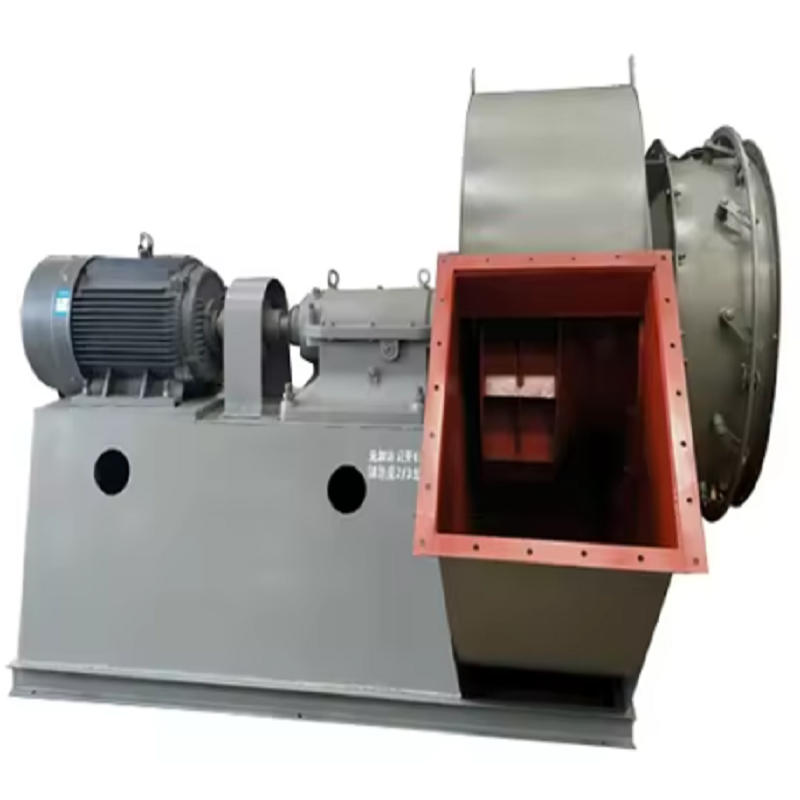
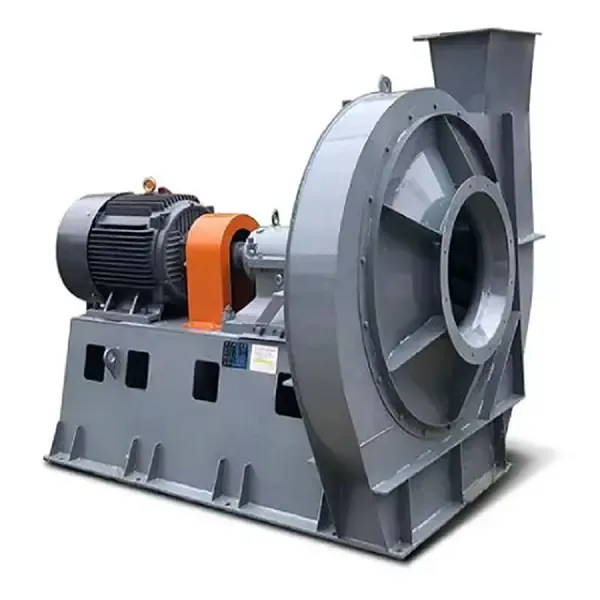
Heavy-Duty Centrifugal Fans Designed for High-Dust Industrial Processes

2026-09-14 0 Leave me a message

In a clean-air ventilation system, selecting a centrifugal fan is relatively straightforward. High-dust industrial processes are different. Cement dust, mineral fines, coal ash, wood particles, clinker, and other abrasive materials can continuously impact the impeller and casing. Over time, this can cause blade erosion, material buildup, vibration, reduced airflow, and unexpected shutdowns.

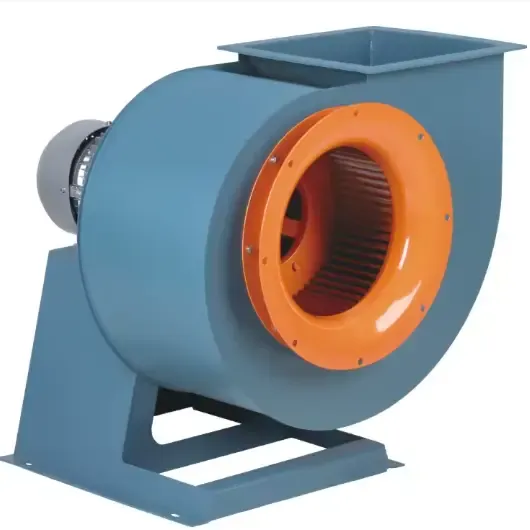
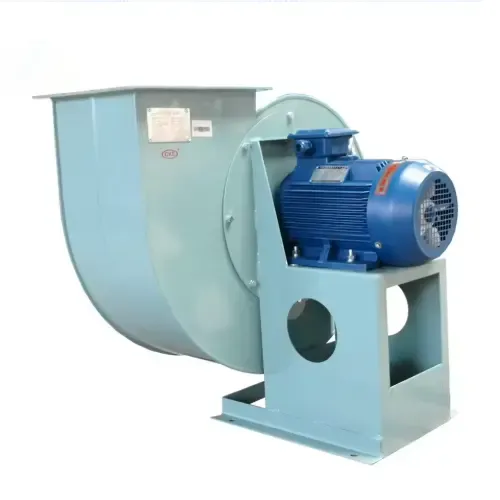
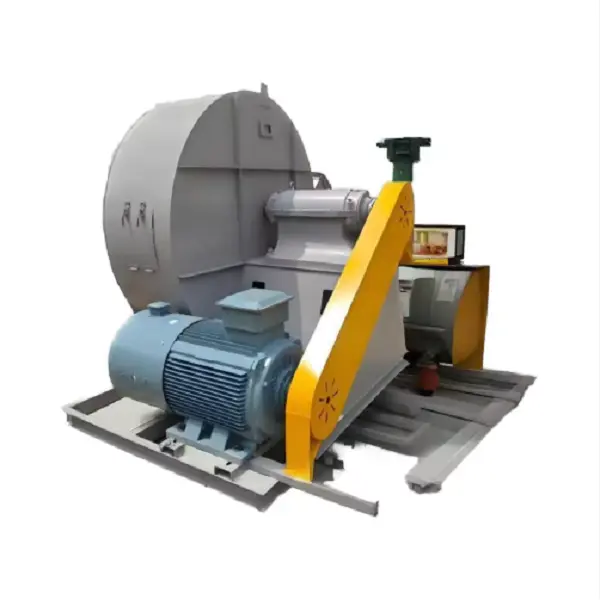
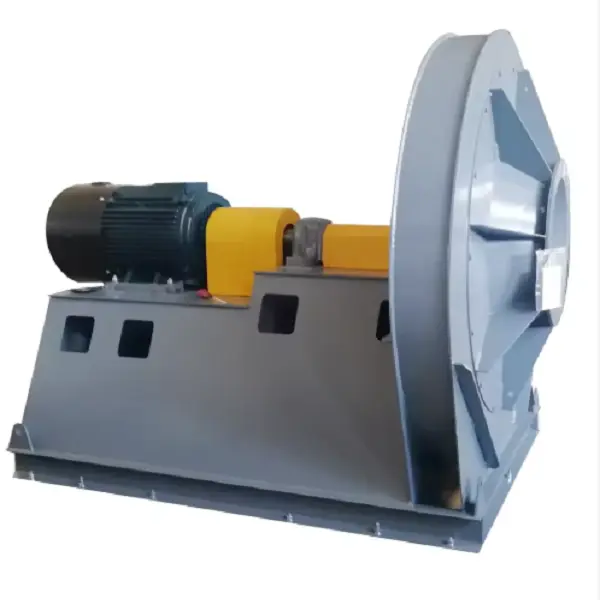
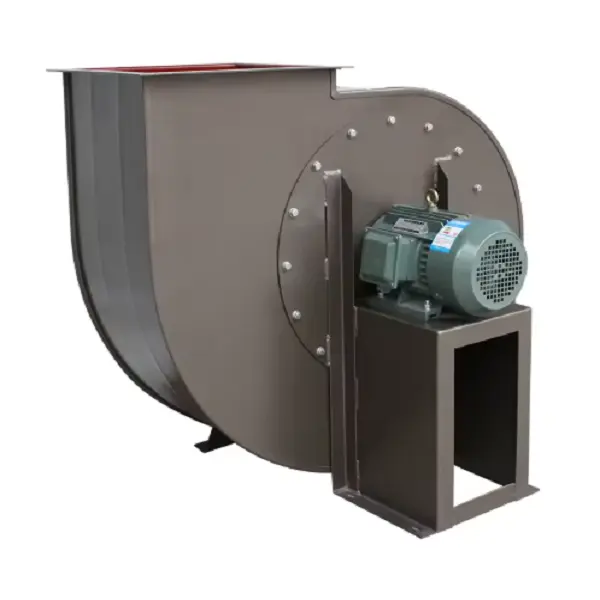
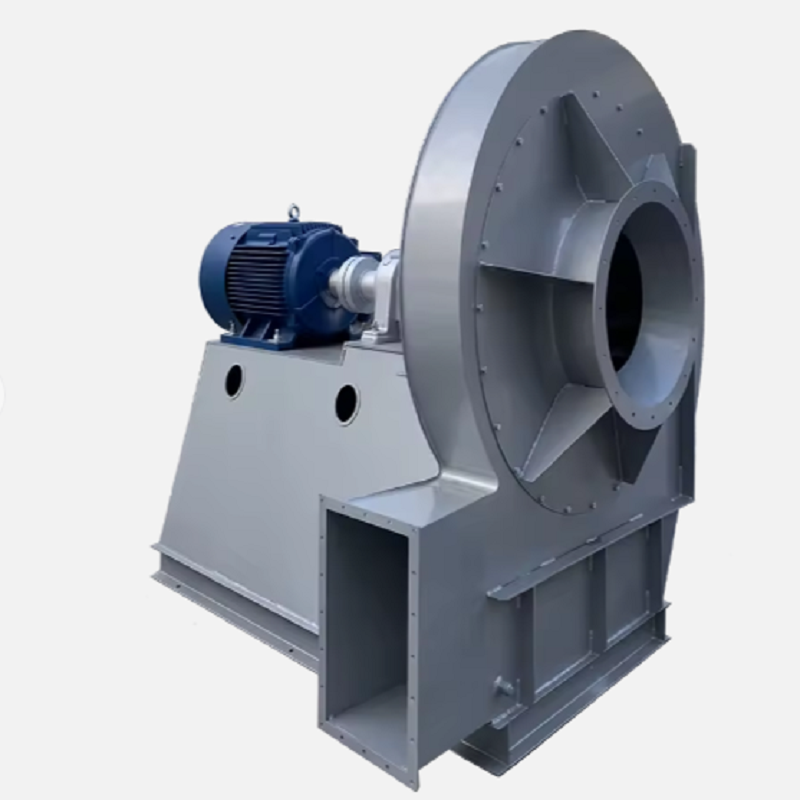
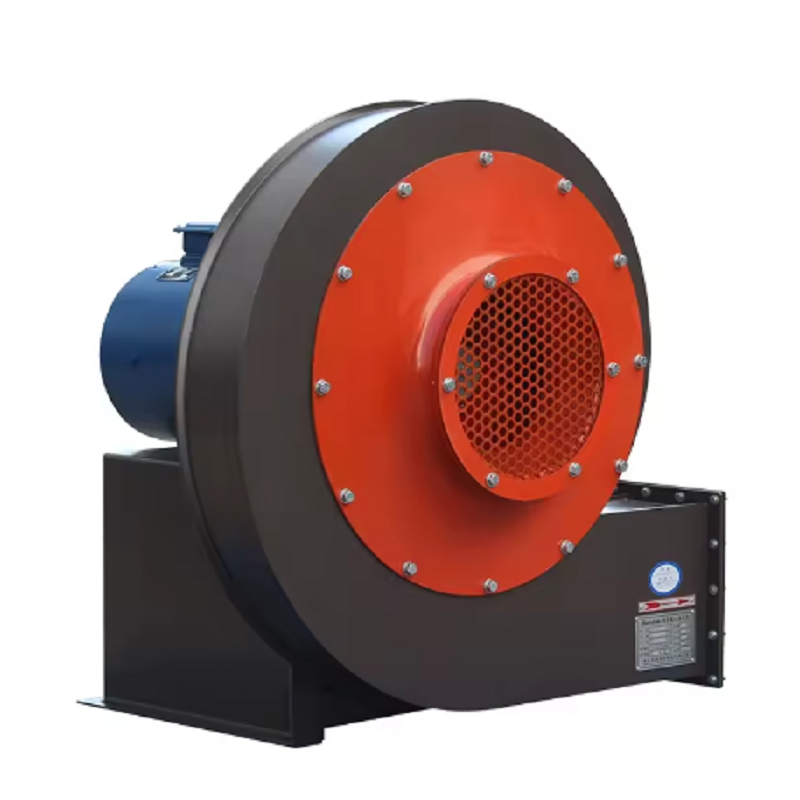
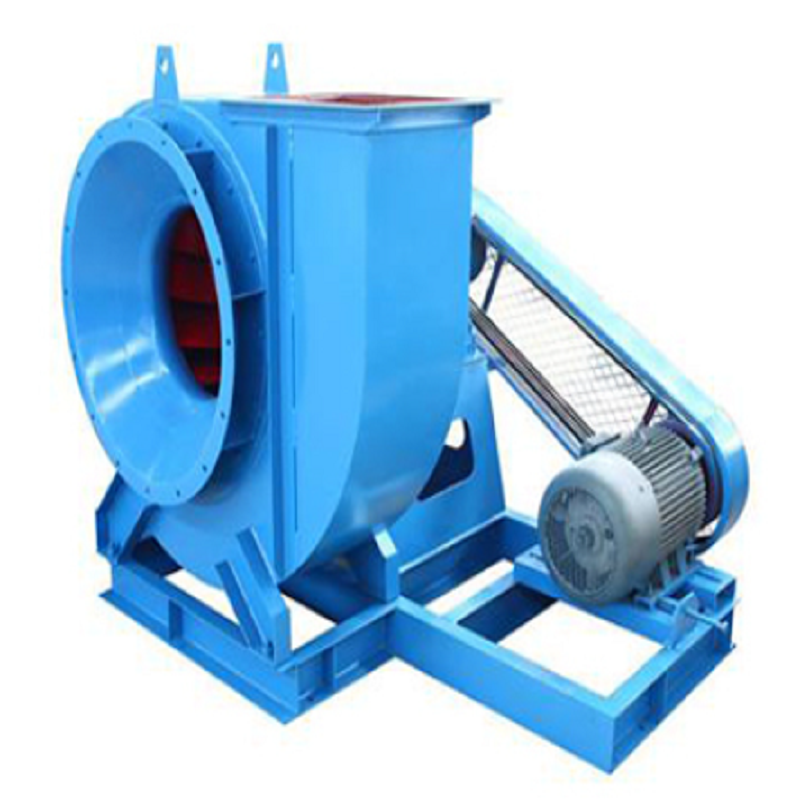
This is where Heavy-Duty Centrifugal Fans become important. They are not simply larger versions of standard industrial fans. Their impeller design, material selection, shaft arrangement, bearing configuration, wear protection, and operating point need to be considered according to the actual process conditions.

Dust Load Is More Important Than Many Buyers Expect

One of the first mistakes in fan selection is looking only at airflow and pressure.

For example, a customer may specify:

Airflow: 20,000 m³/h

Static pressure: 3,000 Pa

Temperature: 80°C

At first sight, these three values appear sufficient for selecting a fan. They are not.

If the gas contains 30–50 g/m³ of abrasive mineral dust, the mechanical requirements can be completely different from a fan handling clean air. Particle size, hardness, moisture content, and whether the fan is installed before or after the dust collector can all affect the final design.

For Heavy-Duty Centrifugal Fans, the dust condition should therefore be treated as a basic design parameter rather than an optional detail. Dust concentration and particle characteristics directly affect expected wear and the suitable impeller configuration.

Choose the Impeller According to the Dust

There is no single impeller design that is ideal for every dusty application.For heavily contaminated air, radial-blade designs are commonly considered because the straight blades are less prone to material accumulation and can tolerate abrasive service. The U.S. National Institute for Occupational Safety and Health also identifies radial-blade centrifugal fans as suitable for heavy dust loads because of their resistance to abrasion and reduced tendency for material buildup.

Backward-curved or backward-inclined impellers can provide higher efficiency, but they need more careful consideration when large amounts of particulate matter pass directly through the fan. If the fan is installed downstream of an effective dust collector, the lower particle loading may make these designs more practical.

In severe applications, Heavy-Duty Centrifugal Fans may also use reinforced blades, replaceable wear liners, abrasion-resistant materials, or specially protected leading edges. These measures increase initial cost, but they can be much cheaper than replacing an impeller every few months.

Do Not Ignore the Difference Between Dirty-Side and Clean-Side Installation

Fan position can significantly change the mechanical load on the equipment.Consider a baghouse dust collection system. If the fan is installed downstream of the filter, most of the abrasive particles have already been removed before the air reaches the impeller. The fan still needs to overcome the pressure drop of the loaded filter, ductwork, dampers, and other equipment, but direct particle erosion is reduced.

If the fan is installed upstream of the collector, the impeller handles the dust-laden gas directly. In this arrangement, particle hardness, concentration, size distribution, and buildup become much more important.

This distinction should be confirmed before selecting Heavy-Duty Centrifugal Fans. A fan that performs well on the clean side of a filter may not have the same service life when used on the dirty side.

Calculate the Real System Pressure

Another common problem is selecting the fan according to the pressure loss of only one piece of equipment.

The actual fan pressure requirement should normally consider the complete system:

Required fan pressure = hood losses + duct friction + elbows and branches + separator resistance + filter resistance + outlet losses + operating margin

For example, suppose an industrial dust collection system has:

Hood and inlet losses: 450 Pa

Duct and elbow losses: 700 Pa

Cyclone resistance: 900 Pa

Bag filter resistance: 1,600 Pa

Outlet and stack losses: 350 Pa

The total resistance is already approximately 4,000 Pa before considering any additional design margin.

Selecting a fan based on a 2,500–3,000 Pa estimate could result in insufficient airflow at the actual operating condition.

This is why Heavy-Duty Centrifugal Fans should be selected against the complete system resistance curve rather than simply matching the customer's requested airflow to a catalog model.

Case Example: Cement Dust Collection

Consider a cement plant requiring approximately 25,000 m³/h of exhaust air from a grinding process. The original fan was selected primarily according to airflow and motor power.

After several months of operation, technicians found three problems:

Fan vibration gradually increased.

Airflow decreased.

The impeller showed obvious wear near the blade inlet and outer section.

Inspection showed that the fan was handling abrasive cement dust before the final filtration stage. Dust had worn the blade surfaces unevenly, changing the rotor balance. At the same time, dust accumulation increased the effective resistance of the system.

The solution was not simply to install a larger motor.

The engineering team first confirmed the actual airflow and pressure, then reviewed the dust concentration and particle characteristics. A more abrasion-resistant impeller configuration was selected, and vulnerable areas were reinforced with replaceable wear protection.

The important lesson is that increasing motor power does not solve mechanical wear. The fan must first be matched to the actual process.

For applications such as cement grinding, clinker handling, mining, and mineral processing, Heavy-Duty Centrifugal Fans should be evaluated from both aerodynamic and mechanical perspectives.

Wear Protection Should Be Designed Where It Matters

Adding wear-resistant material everywhere is not always the best solution.

A more practical approach is to identify the areas receiving the highest particle impact.

Depending on the application, these areas may include:

Impeller blade leading edges

Blade surfaces

Impeller back plate

Housing inlet section

Scroll casing

Abrasion-prone turning areas

Replaceable wear plates can be useful when maintenance access is available. Once the wear plate reaches its service limit, technicians can replace the protective component instead of replacing the complete casing.

For particularly abrasive applications, manufacturers may also use abrasion-resistant steel, hard-facing, reinforced blade construction, or replaceable liners. The correct solution depends on particle hardness, velocity, concentration, and expected operating hours.

The goal is not to make every component unnecessarily heavy. The goal is to put the right protection in the right location.

Motor Power Is Not the Starting Point

A customer sometimes sends an inquiry saying:

“We need a 160 kW centrifugal fan.”

This is not enough information for proper fan selection.

A 160 kW motor can be used with many different fan combinations depending on airflow, pressure, speed, gas temperature, gas density, efficiency, and transmission arrangement.

For a high-dust application, the supplier should normally request at least:

Required airflow

Static or total pressure

Normal gas temperature

Maximum gas temperature

Dust concentration

Dust type and particle characteristics

Gas composition

Fan inlet and outlet conditions

Fan installation position

Required operating hours

Motor voltage and frequency

Required altitude, when relevant

Space and maintenance limitations

These parameters allow the fan to be selected from the actual duty point rather than from motor power alone.

Check the Operating Point After Installation

Even a correctly designed fan can perform poorly if the system conditions change.

After commissioning, technicians should record:

Fan RPM

Airflow

Static pressure

Motor current

Motor power

Bearing temperature

Vibration

Gas temperature

Suppose the original design point is 20,000 m³/h at 3,500 Pa. After installation, measurements show 24,000 m³/h at only 2,800 Pa.

That difference deserves investigation.

Possible causes include lower-than-expected system resistance, damper position, duct modifications, filter conditions, incorrect fan speed, or an inaccurate original system calculation.

If the fan is running above its intended operating point, motor current may also increase. In this situation, simply closing a damper without understanding the system can hide the real problem.

Maintenance Should Focus on Trend Changes

For dusty industrial fans, maintenance should not depend only on a fixed calendar.

A better approach is to monitor trends.

For example, if vibration has remained around 3 mm/s for several months and suddenly increases to 5 mm/s, technicians should investigate before the fan reaches a serious failure condition.

Useful inspection points include:

Impeller wear

Uneven blade erosion

Dust accumulation

Bearing condition

Shaft alignment

Coupling condition

Foundation bolts

Belt tension, if belt-driven

Housing wear

Inlet and outlet connections

Dust accumulation on the impeller is particularly important. Uneven buildup can create rotor imbalance even when the original impeller was dynamically balanced.

Do Not Overlook Moisture and Sticky Dust

Not all dust behaves like dry mineral powder.

Moisture can cause fine particles to stick to the impeller. Over time, this can produce uneven deposits and vibration.

For example, a fan handling dry material may operate normally for months. If the process temperature drops below the dew point, condensation can occur inside the system. The dust then becomes sticky and begins accumulating on the rotor.

In this case, simply increasing the wear resistance of the blade material may not solve the problem.

The engineering solution may require better temperature control, insulation, drainage, process changes, or an impeller design that is less susceptible to buildup.

This is another reason Heavy-Duty Centrifugal Fans should be selected according to the actual process rather than according to the dust name alone.

A Practical Selection Checklist

Before ordering a heavy-duty fan for a dusty process, I recommend confirming the following information with the process engineer:

Air performance

Airflow: m³/h, CFM, or m³/s

Static pressure or total pressure

Design duty point

Minimum and maximum operating conditions

Gas condition

Normal temperature

Maximum temperature

Gas composition

Density

Humidity

Dust condition

Dust type

Concentration

Particle size

Particle hardness

Moisture content

Sticky or abrasive characteristics

Fan construction

Impeller type

Material

Wear protection

Shaft diameter

Bearing arrangement

Drive arrangement

Inspection access

Electrical system

Motor power

Voltage

Frequency

Starting method

Required RPM or VFD operation

Installation

Fan position relative to the dust collector

Inlet and outlet orientation

Duct diameter

Available installation space

Maintenance clearance

Ambient conditions

A complete data sheet at the beginning of the project can prevent many problems later.

Final Thoughts

High-dust industrial applications are hard on fans because the problem is not limited to airflow. Abrasion, material buildup, temperature, system resistance, vibration, and maintenance requirements all interact with each other.

The right Heavy-Duty Centrifugal Fans therefore need to be selected around the actual process conditions. A stronger motor alone does not make a fan heavy-duty, and a thicker casing alone does not guarantee a long service life.

For cement plants, mining operations, biomass processing, coal handling, metal processing, grinding systems, and industrial dust collection, the most reliable approach is to start with the complete duty point and dust characteristics, then determine the impeller type, material, wear protection, drive arrangement, and motor configuration.

That approach may require more engineering work before the order is placed, but it usually costs far less than dealing with repeated impeller replacement, excessive vibration, unexpected downtime, and poor dust collection after installation.

Related News
Leave me a message
X
We use cookies to offer you a better browsing experience, analyze site traffic and personalize content. By using this site, you agree to our use of cookies.Privacy Policy
RejectAccept