News

How to Choose a High Temperature Blower Fan That Won’t Fail When Heat Peaks?

2026-02-28 0 Leave me a message

Abstract

A High Temperature Blower Fan is one of those “invisible” components that only gets attention when it fails. And when it fails in a hot process line, it rarely fails quietly: production stops, parts warp, bearings seize, insulation degrades, and the downtime bill shows up fast. This guide breaks down what actually matters when selecting a High Temperature Blower Fan for ovens, furnaces, dryers, kilns, heat-treatment lines, and other harsh-duty environments. You’ll learn how to match airflow and static pressure to your process, pick the right impeller and housing materials, specify motor and bearing protection, reduce noise and vibration, and avoid the most common mistakes that cause premature breakdowns. We also include a practical checklist, a selection table, and a troubleshooting FAQ. Hebei Ketong Environmental Protection Equipment Co., Ltd. supports high-heat ventilation and industrial air-handling projects where reliability is non-negotiable.


Table of Contents


Outline

  1. Identify the failure risks created by heat
  2. Define temperature conditions and airflow needs
  3. Confirm pressure losses and system resistance
  4. Select impeller, housing, bearings, and seals
  5. Decide on motor location, cooling, and drive type
  6. Install for alignment, expansion, and vibration control
  7. Maintain with inspections that target hot-spot wear

Common Customer Pain Points

Most buyers don’t struggle with “finding a blower.” They struggle with these real-world headaches:

  • Repeated bearing failures caused by heat soak, grease breakdown, or misalignment.
  • Motor burnouts from overheated windings, poor cooling, or incorrect duty selection.
  • Deformed impellers due to thermal expansion, material mismatch, or imbalance.
  • Insufficient airflow at temperature because air density changes and system losses increase.
  • Excessive vibration and noise amplified by expansion, resonance, and mounting issues.
  • Corrosion or erosion from hot exhaust, dust, particulates, solvents, or moisture cycling.
  • Hard-to-access maintenance that turns simple inspections into shutdown events.

A High Temperature Blower Fan is chosen to solve these problems upfront, not to “meet a catalog number.” If you want stable performance, you need to specify the operating conditions the way engineers do, not the way purchasing often does.


What Makes a Blower Fan High Temperature Rated

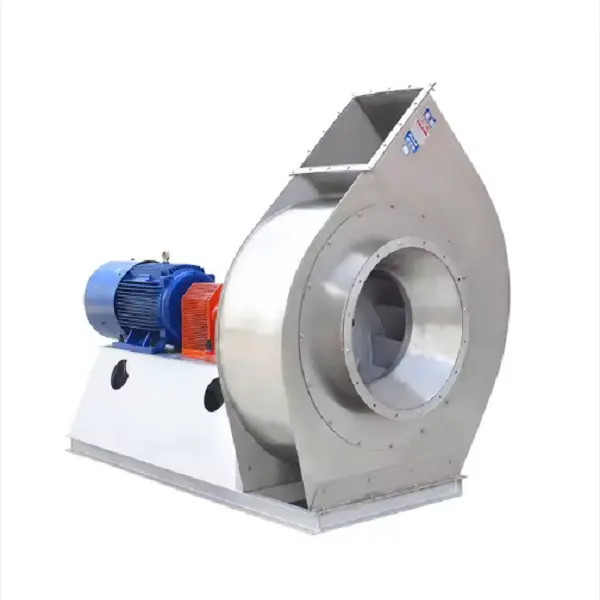
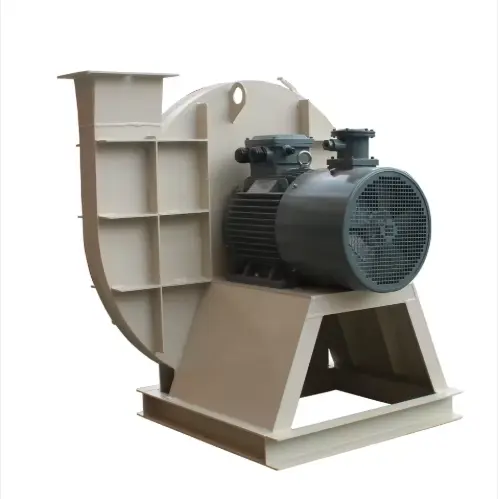
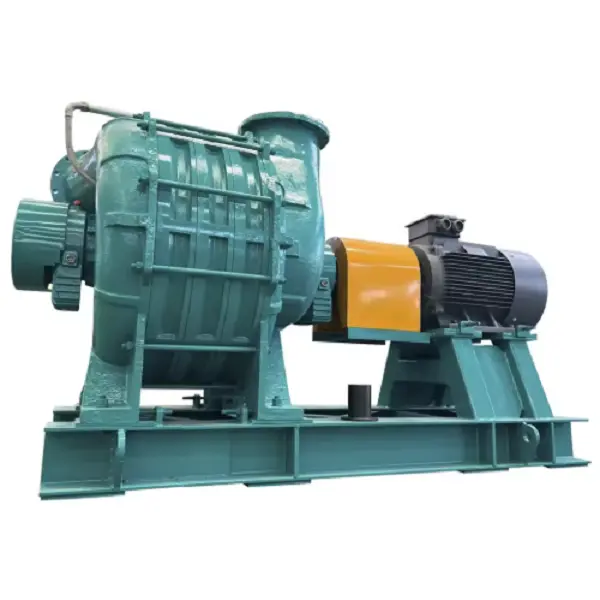
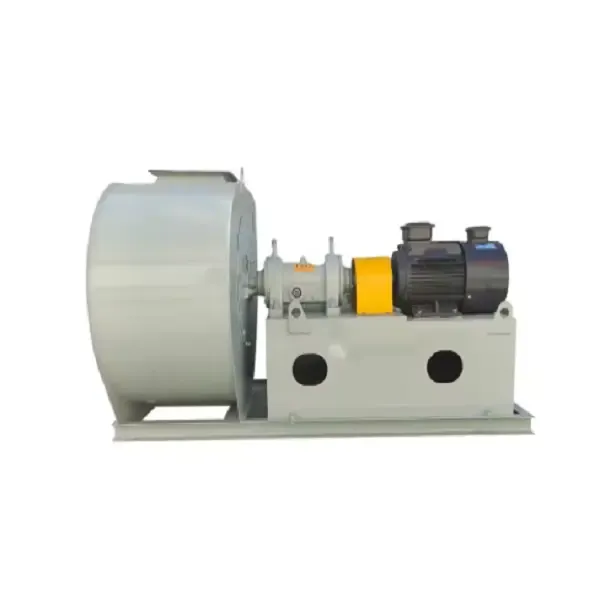
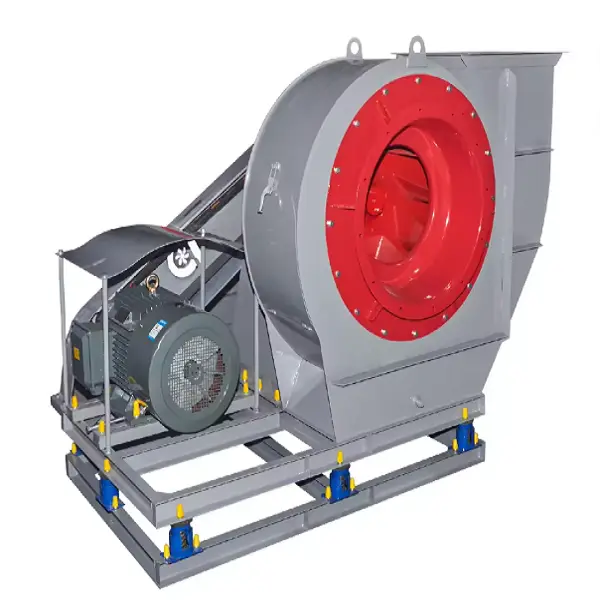
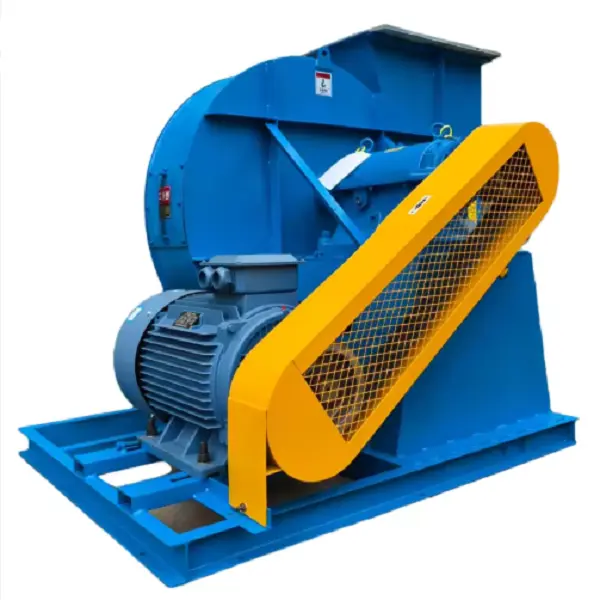
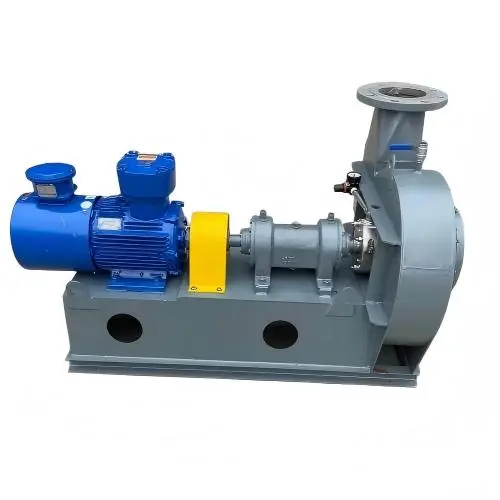
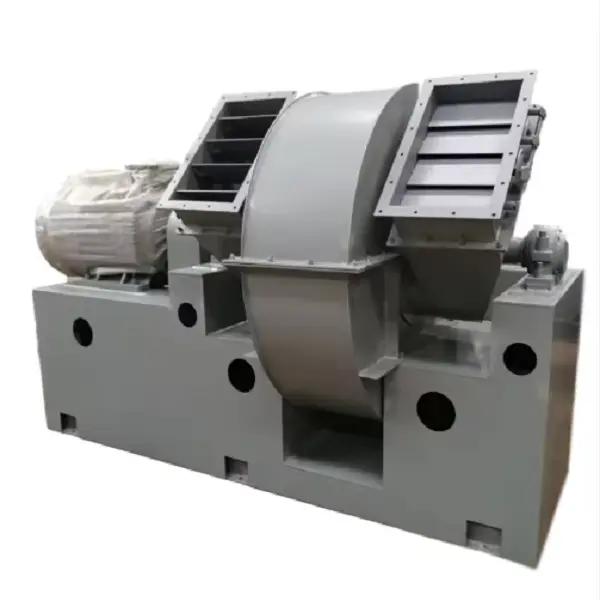
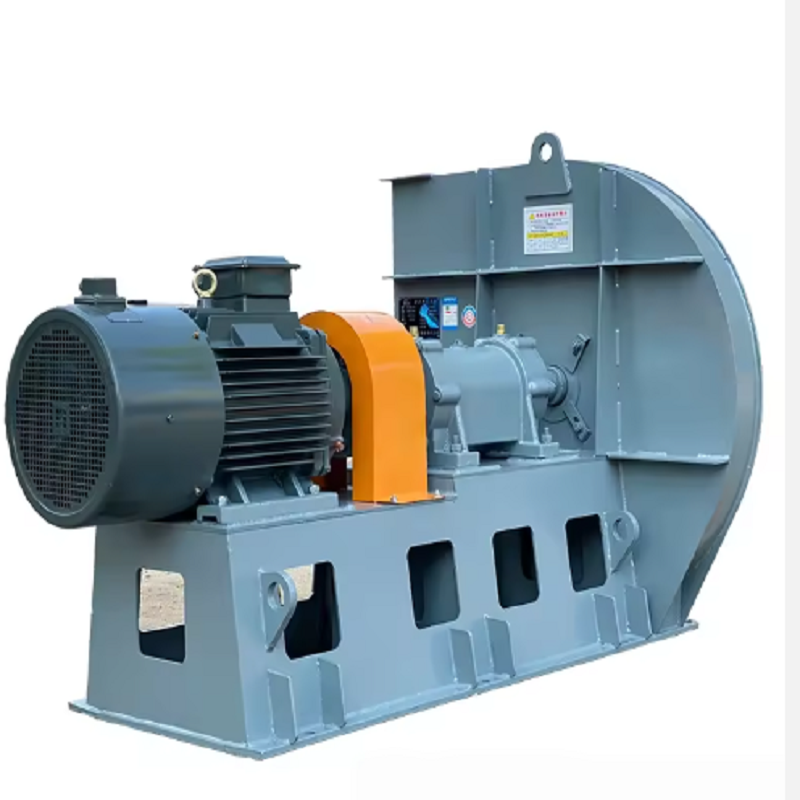
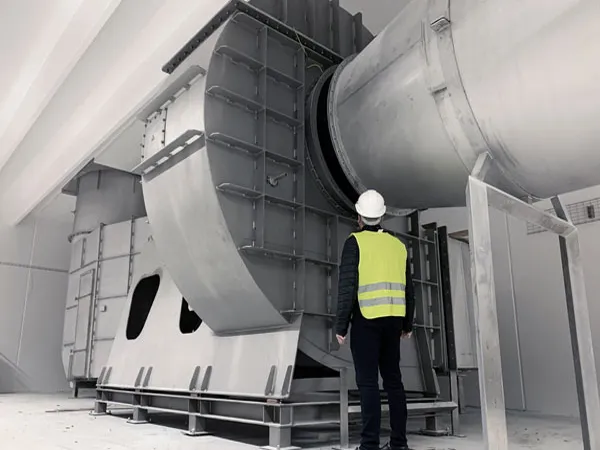
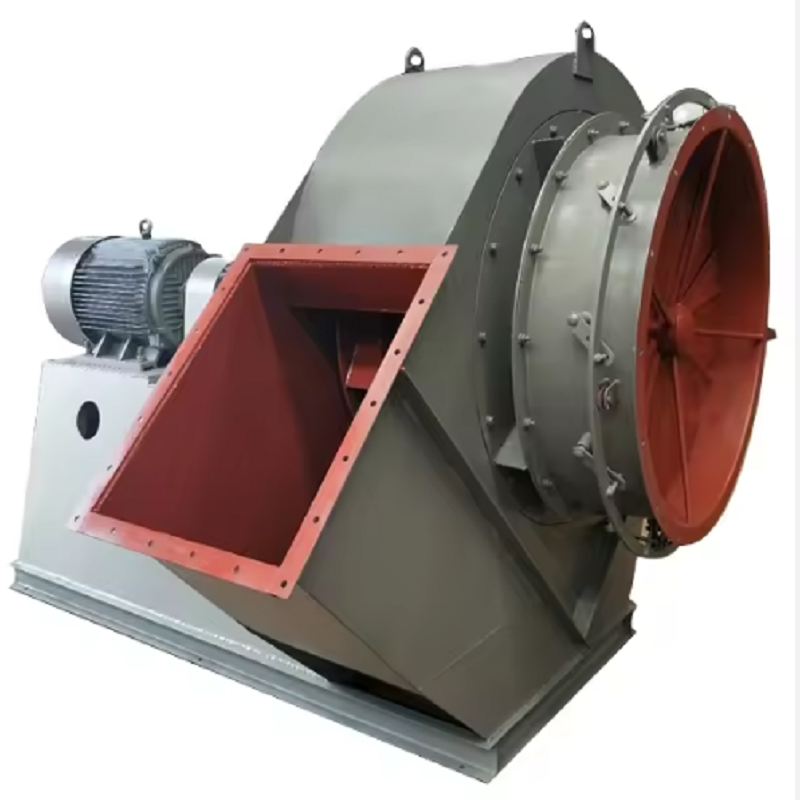
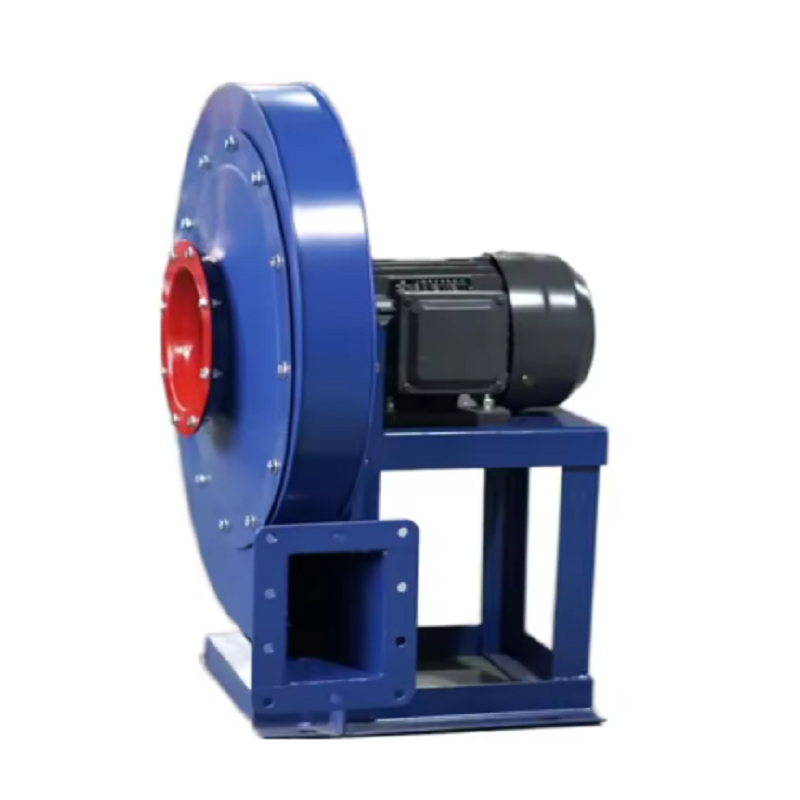
High Temperature Blower Fan

“High temperature” is not just a label. It’s a design approach that assumes components will face thermal stress every hour of operation. A true High Temperature Blower Fan typically includes:

  • Heat-tolerant impeller and housing materials that hold shape under thermal cycling.
  • Protected bearings with appropriate grease, isolation, and sometimes cooling arrangements.
  • Motor separation so the motor avoids direct exposure, or a motor rated and cooled for the heat.
  • Sealing strategy that handles expansion while limiting dust ingress or leakage.
  • Balance and stiffness to prevent vibration growth as temperature changes.

Also note a hidden factor: when air gets hot, it becomes less dense. That means a fan moving “the same volume” may deliver different mass flow, and system pressure behavior can shift. In high-heat applications, performance is never “set and forget.”


Key Specifications You Must Confirm

If you want a blower that lasts, lock down these parameters before requesting a quote:

  • Temperature profile
    Specify maximum temperature, continuous operating temperature, and how fast the temperature changes. Include whether the blower sees direct hot gas or only indirect heat through the casing.
  • Airflow requirement
    Provide the required airflow range (minimum, normal, peak). If the process needs stable airflow, describe the acceptable tolerance.
  • Static pressure
    Don’t guess. Duct length, elbows, filters, dampers, heat exchangers, and stacks add resistance. Underestimating static pressure is a common reason customers say “the fan is weak.”
  • Gas composition
    Hot air mixed with solvent vapor, oil mist, acidic exhaust, or abrasive dust changes material selection and safety requirements.
  • Particulates and contamination
    Dust loading affects impeller wear, balance drift, and cleaning frequency.
  • Duty cycle
    Continuous 24/7 duty is different from short heat cycles with cool-down.
  • Installation environment
    Ambient temperature around the motor, space constraints, and maintenance access matter more than people expect.

If you’re comparing vendors, ask them to explain how their High Temperature Blower Fan design addresses your specific temperature profile, not just the “maximum rating.”


Materials and Construction That Survive Heat

Heat changes dimensions. If the impeller expands differently than the shaft or housing, clearances tighten, rubbing begins, and vibration spikes. That’s why material choice is not cosmetic.

Practical guidance

  • Carbon steel can work for many hot-air duties, but must be designed for expansion and protected where corrosion is possible.
  • Stainless steel is often preferred when hot gas carries moisture, corrosive compounds, or when cleanliness matters.
  • High-temperature alloys may be required for extreme continuous temperatures or aggressive exhaust streams.
  • Impeller geometry should match the dust and pressure profile. Some wheel types handle particulates better and resist clogging.

Construction details that reduce failure

  • Reinforced housing and stable base to keep alignment as temperature changes.
  • Thermal isolation between hot casing and bearing supports when applicable.
  • Quality dynamic balancing to reduce vibration growth under heat cycling.
  • Expansion allowance so parts don’t bind when they grow.

Motor and Drive Choices for Hot Environments

Motors hate heat. Even a small rise in motor temperature can significantly shorten insulation life. So your best strategy is often to keep the motor away from the hottest zone.

  • Belt drive with motor offset
    Useful when you want to keep the motor outside the hot airstream area. It also provides flexibility in speed selection. The tradeoff is belt maintenance and alignment.
  • Direct drive
    Fewer moving parts and less maintenance, but it demands that the motor and bearings are properly protected from heat. This is often chosen when space is tight or when you want a compact system.
  • Speed control
    If airflow needs vary, speed control can stabilize the process and reduce energy use. In hot systems, it also helps avoid running “hard against the curve,” which can drive vibration and noise.

A good supplier will discuss motor location, cooling, and protection as part of the High Temperature Blower Fan selection, not as an afterthought.


Installation Details That Prevent Early Failure

Many “fan problems” are installation problems wearing a fan costume. High heat makes this worse because expansion magnifies small errors.

  • Foundation and leveling should be rigid and flat to prevent distortion as the unit heats.
  • Alignment matters for bearings and belts. Re-check alignment after initial heat-up.
  • Flexible connectors in ducting help avoid transmitting thermal movement into the fan housing.
  • Access clearance should allow inspection of bearings, belts, and the impeller without dismantling the whole line.
  • Vibration monitoring points make troubleshooting faster and reduce guesswork.

If your current unit “works fine when cold but shakes when hot,” it’s often expansion, alignment drift, or a mounting resonance issue.


Maintenance Plan That Actually Works

Hot-duty equipment doesn’t forgive neglected inspections. The goal is to catch wear before it becomes a shutdown. Here’s a practical routine most plants can implement.

  • Weekly check unusual noise, vibration, and temperature at bearing points.
  • Monthly inspect belts or couplings, verify fasteners, and look for dust buildup on the impeller.
  • Quarterly check alignment, review vibration trend data, and confirm there is no impeller rubbing.
  • During planned shutdown clean the wheel, inspect for cracks or deformation, and evaluate bearing condition.

Red flags you should never ignore

  • Vibration increases gradually over weeks
  • Grease darkens quickly or smells burnt
  • Bearing temperature rises after each heat cycle
  • Airflow drops while motor load rises

Selection Table for Typical Hot Applications

High Temperature Blower Fan

Application Typical Challenge Recommended Focus Common Mistake
Industrial oven exhaust Heat cycling and grease breakdown Bearing protection, motor separation, expansion allowance Choosing based only on airflow without pressure check
Furnace combustion support High static pressure and stable delivery Pressure-capable wheel, robust casing, speed control Oversizing airflow and creating unstable operation
Dryer and kiln ventilation Dust and particulates causing imbalance Dust-tolerant impeller design, cleaning access, balance quality Ignoring buildup until vibration becomes severe
Heat treatment line Strict process consistency Repeatable performance, monitoring points, reliable drive Not accounting for density change at temperature
Hot air circulation Long duty hours near maximum temperature Material selection, insulation strategy, motor cooling Placing motor in a high-ambient enclosure

Use this table as a starting point, then finalize the selection using your true temperature profile and measured system resistance. A properly specified High Temperature Blower Fan is a reliability investment, not a line-item compromise.


FAQ

Is a high temperature rated fan always more expensive to operate

Not necessarily. If the fan is correctly matched to pressure and airflow, it can run efficiently and steadily. Many operating cost problems come from selecting a unit that must run at an inefficient point just to meet process demand.

Why does airflow drop when the system gets hotter

Hot air has lower density, and system behavior can change with temperature. If the fan was selected using room-temperature assumptions, real operating airflow can differ. That’s why temperature conditions must be part of the performance discussion.

What causes repeated bearing failures in hot-duty blowers

Common causes include heat soak into bearing housings, incorrect lubrication for temperature, misalignment that worsens with expansion, and dust contamination. Fixing bearings without fixing the heat path often leads to the same failure again.

How do I reduce vibration that only appears after the line heats up

Start with alignment and mounting stiffness, then check for thermal expansion effects and impeller rubbing. Also inspect for dust buildup that shifts balance. Trending vibration readings during warm-up can pinpoint the trigger.

Do I need stainless steel for every high temperature blower

No. Material choice depends on gas composition, corrosion risk, and temperature profile. Stainless steel is helpful in many harsh exhaust cases, but a well-designed carbon steel unit can perform reliably when corrosion is not the dominant risk.

What information should I provide when requesting a quotation

Provide continuous and maximum temperature, airflow range, estimated static pressure, gas composition, dust level, duty cycle, installation layout, and any limits on noise or vibration. The more complete the inputs, the more accurate and durable the selection.


Next Steps

If you’re tired of surprise shutdowns, stop choosing a blower like it’s a generic accessory. A High Temperature Blower Fan should be specified for your real operating temperature, pressure losses, contamination level, and maintenance constraints.

Hebei Ketong Environmental Protection Equipment Co., Ltd. can support selection and configuration for high-heat ventilation and industrial air-handling projects, including material options, drive arrangements, and reliability-focused design choices. Tell us your operating conditions and performance targets, and we’ll help you match a solution that holds steady when the heat is at its worst.

Ready to move from “it works for now” to “it works every day”? Contact us to discuss your application and get a configuration recommendation tailored to your process.

Back to top

Related News
Leave me a message
X
We use cookies to offer you a better browsing experience, analyze site traffic and personalize content. By using this site, you agree to our use of cookies. Privacy Policy
Reject Accept