News

Why Does an Industrial Centrifugal Fan Keep Production Moving in Harsh Ventilation Conditions?

2026-01-22 0 Leave me a message

Article Abstract

In real industrial sites, “ventilation” rarely means moving clean air through a short duct. It often means pushing hot, dusty, corrosive, or high-resistance airflow through long pipelines, elbows, filters, scrubbers, cyclones, and stacks—while keeping noise, downtime, and energy use under control. That’s where an Industrial Centrifugal Fan earns its reputation: it’s built to generate pressure reliably, maintain performance as systems load up, and survive demanding environments with manageable maintenance.

This guide breaks down the common pain points buyers face (insufficient pressure, unstable airflow, dust buildup, corrosion, safety risks, and hidden lifecycle costs), then walks through selection logic, configuration options (drive type, wheel design, materials, sealing), and field-proven maintenance practices. You’ll also find a practical comparison table, a sizing checklist, and a buyer-friendly FAQ—so you can specify the right fan the first time and avoid expensive rework.

* * *

Table of Contents

* * *

Outline

  • Identify what’s really causing “not enough airflow” (pressure losses, loading, leaks, poor control).
  • Match the fan to the system (pressure, flow, gas condition, particulate, temperature, corrosion, safety class).
  • Choose a configuration that reduces lifecycle cost (drive mode, wheel type, materials, access for cleaning).
  • Avoid the most common installation mistakes that create vibration and early bearing failures.
  • Use a simple maintenance routine to keep performance stable as the process changes over time.

The Pain Points That Make Ventilation Fail

Buyers usually start with a symptom: “We need more ventilation.” But on-site, the real problem is often one (or several) of these:

  • High resistance that keeps increasing: filters clog, ducts accumulate dust, and elbows add losses—so yesterday’s fan becomes tomorrow’s bottleneck.
  • Unstable airflow: process conditions change (temperature, density, moisture), dampers get adjusted, or multiple branches fight each other.
  • Dust-related downtime: particulate buildup reduces performance, unbalances the wheel, and accelerates bearing wear.
  • Corrosion and erosion: chemical fumes, acidic mist, or abrasive particles eat into housings and impellers.
  • Safety concerns: combustible dust, solvent fumes, or explosive atmospheres raise the stakes for motor selection and static control.
  • Hidden operating cost: a cheaper fan that runs off-curve can consume more power and require more maintenance than a better-matched unit.

An Industrial Centrifugal Fan helps because it’s designed to build pressure and hold performance in systems that aren’t “clean and easy.” But not every centrifugal fan is the same—configuration choices matter.

* * *

What Makes an Industrial Centrifugal Fan Different

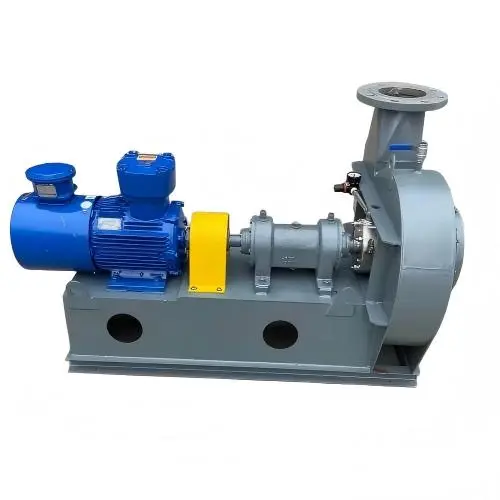
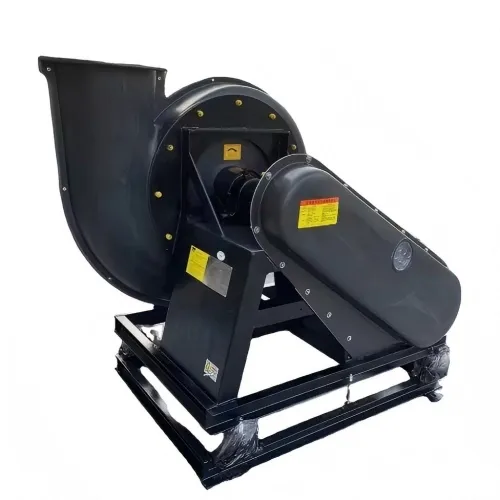
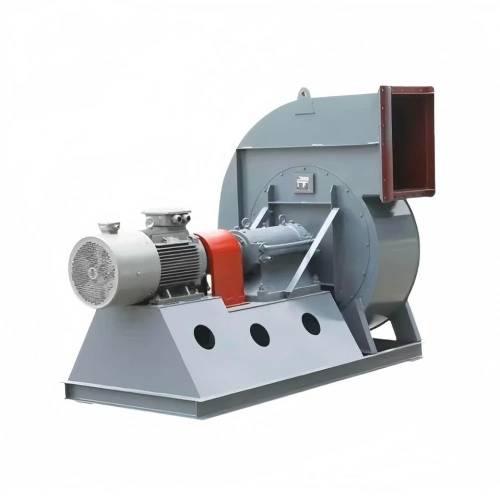
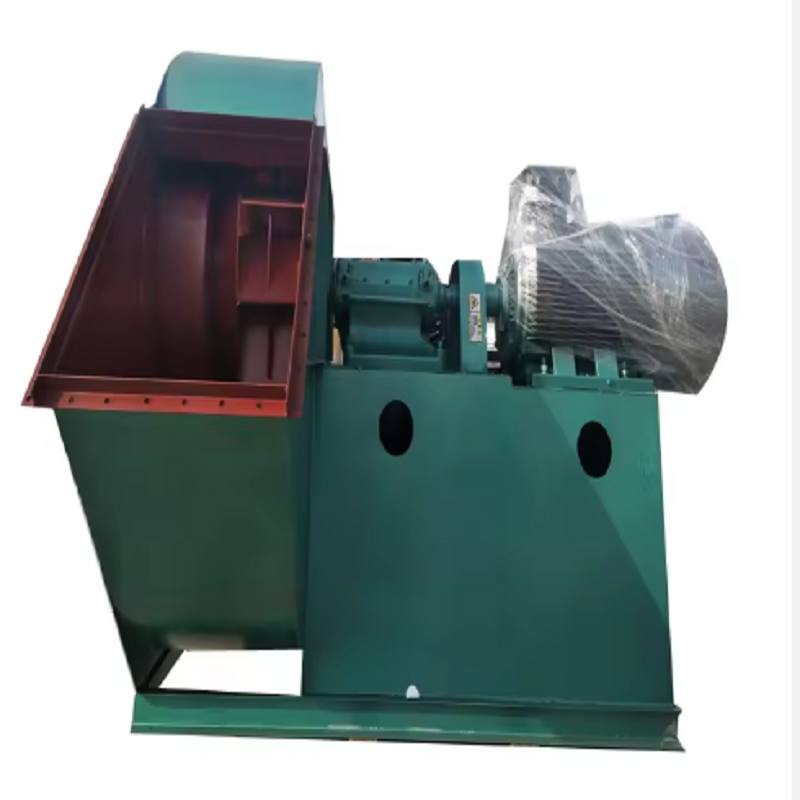
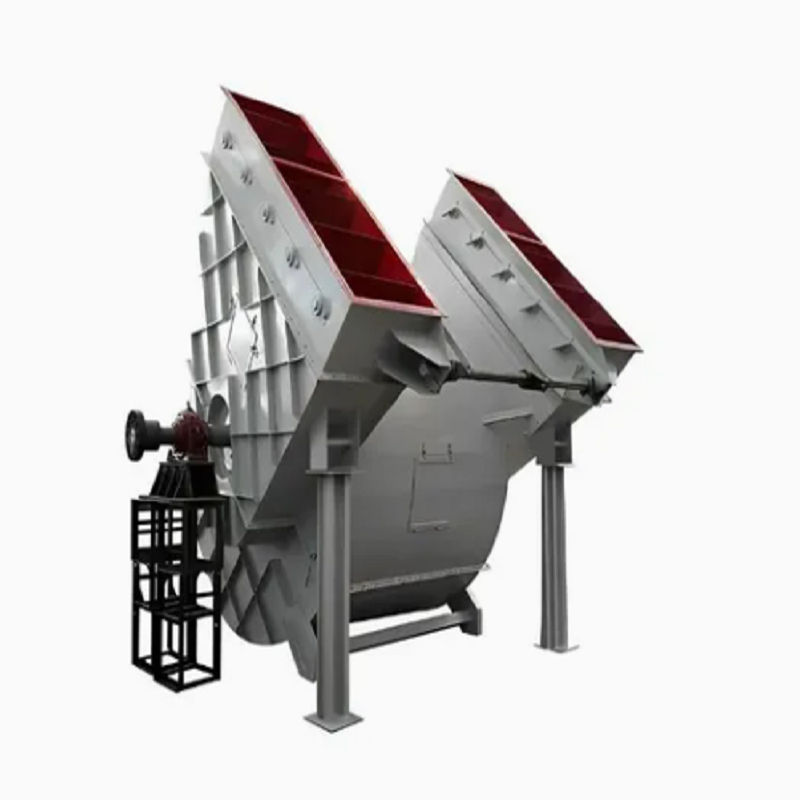
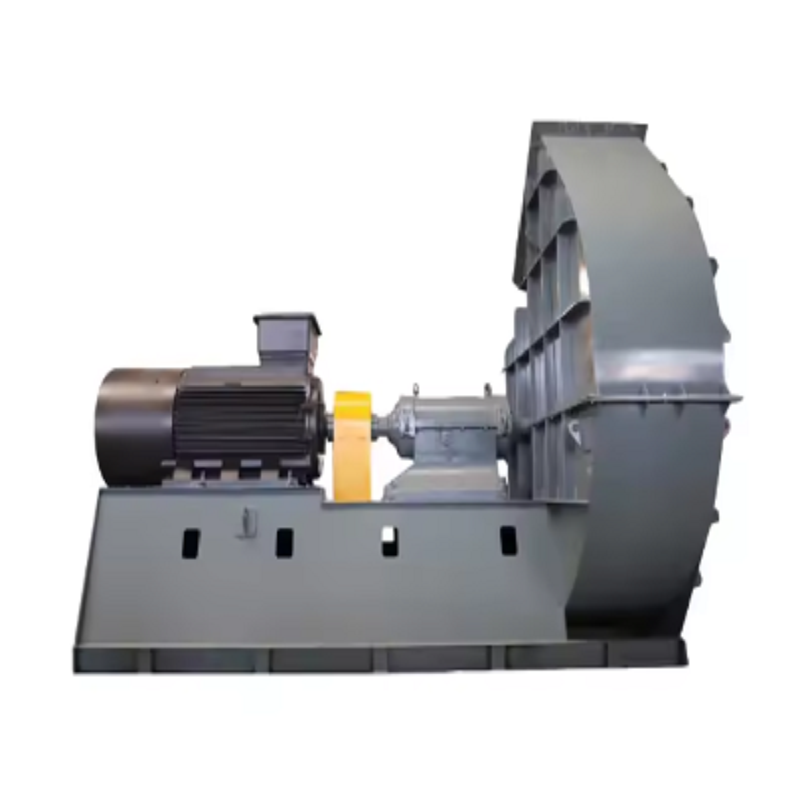
Industrial Centrifugal Fan

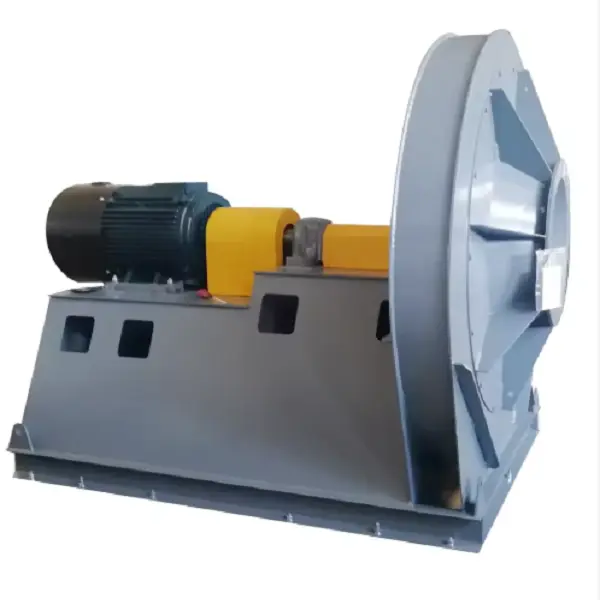
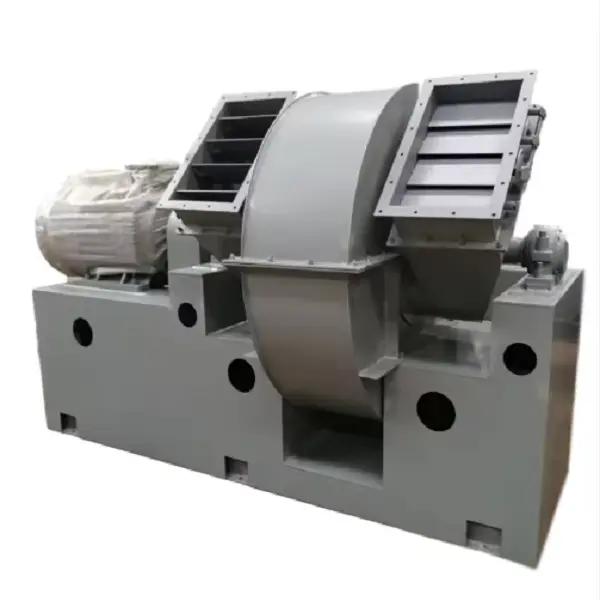
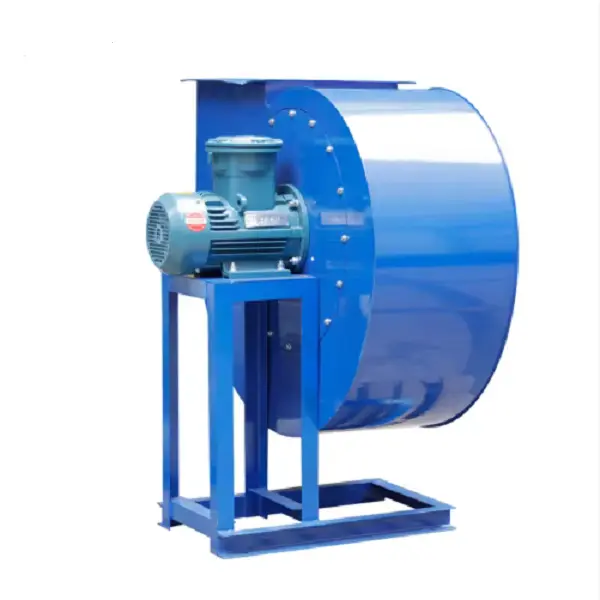
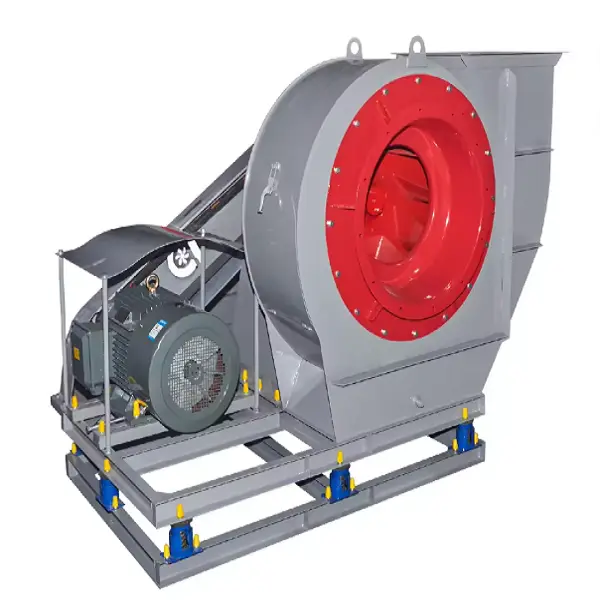
The simplest way to explain it: many industrial systems need pressure capability, not just volume. A centrifugal fan uses a rotating impeller to add energy to the air (or process gas), converting that energy into static pressure in the housing. That pressure is what pushes airflow through the “hard parts” of a plant system—filters, scrubbers, long duct runs, stacks, and tight turns.

A well-specified Industrial Centrifugal Fan typically emphasizes:

  • Reinforced construction: to handle vibration, heat, and continuous-duty operation.
  • Impeller geometry built for the job: depending on dust load, efficiency targets, and desired pressure rise.
  • Material and coating choices: such as carbon steel, stainless steel, or protective linings for corrosive service.
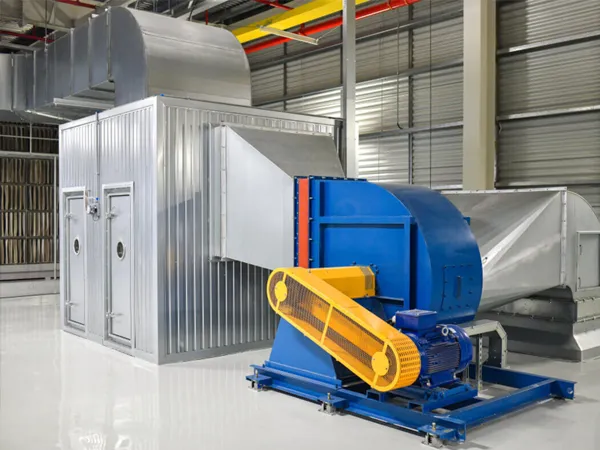
  • Drive flexibility: direct-drive for compact efficiency or belt-drive for speed adjustment and easier field tuning.
  • Serviceability: access doors, cleanout provisions, and practical maintenance paths that reduce downtime.

In procurement terms, the fan’s “price” is only one part of the decision. The real goal is stable airflow, safe operation, and predictable total cost over years of use.


Typical Industrial Use Cases and What They Require

Most buyers end up choosing an Industrial Centrifugal Fan because the application punishes “general ventilation” equipment. Here are common scenarios and the selection implications:

  • Dust extraction and filtration lines: Needs steady pressure as filters load; wheel design should tolerate particulate without rapid performance drop.
  • High-temperature process exhaust: Requires heat-resistant materials, suitable bearings, and motor placement/protection appropriate for temperature zones.
  • Corrosive fume handling (chemical, plating, pickling): Material selection and corrosion protection become primary—stainless components or protective coatings often pay back fast.
  • Flammable/volatile environments: Requires the correct safety-rated motor and attention to static management and sealing. The fan specification must match site classification.
  • Long ductwork with many elbows: Pressure losses stack up quickly; the fan must be sized for the real system curve, not the “happy path.”

If you’re unsure which scenario you’re closest to, start by listing what the air (or gas) actually contains: dust type, moisture, temperature range, and any corrosive components. That single step prevents the most expensive mismatch—choosing a fan that works on paper but fails in real plant conditions.

* * *

How to Select the Right Fan Without Overpaying

A strong specification is less about “bigger is better” and more about matching the fan to your system curve and operating reality. Use this step-by-step approach:

  1. Define the duty point: required airflow (m³/h or CFM) and required static pressure (Pa or in. w.g.) at the operating condition. If the system includes filters/scrubbers, include the “loaded” pressure loss, not the clean value.
  2. Describe the gas condition: temperature, density estimate, humidity, and whether the stream contains dust, mist, or corrosive components.
  3. Choose a drive concept: direct drive for compactness and fewer components; belt drive if you need speed adjustment, tuning flexibility, or easy motor substitution.
  4. Select the wheel design for your priority: efficiency, dust tolerance, noise, or higher pressure. A supplier can match wheel style to your resistance and particulate profile.
  5. Decide on material and protection: carbon steel for general service, stainless or coated options for corrosive streams, reinforced housing for harsh-duty environments.
  6. Plan access for maintenance: if cleaning the impeller is difficult, it won’t happen—and performance will drift. Specify access doors or service features upfront.

Buyer tip: Ask for a performance curve and confirm your operating point sits in a stable, efficient region—not at the edge. That’s how you avoid noise spikes, motor overload, and wasted power.

For many plants, the best outcome is a fan that meets the duty point today and still meets it after months of loading and process variation.


Comparison Table: Options That Change Cost and Reliability

Decision Area Common Options When It Helps Most Practical Trade-Off
Drive method Direct drive / Belt drive Direct drive for compact, efficient setups; belt drive for speed tuning and flexible commissioning Belts add maintenance but can simplify adjustment and reduce rework risk
Material Carbon steel / Stainless steel / Coated surfaces Corrosive gases, acidic mist, or long service intervals Higher upfront cost often lowers failures and replacement frequency
Wheel selection Efficiency-focused / Dust-tolerant / Higher-pressure designs Dusty lines, filter systems, and higher resistance networks You’re balancing efficiency, noise, and particulate handling
Safety features Standard motor / Safety-rated motor, grounding, static control Flammable gas, solvent fumes, combustible dust environments Specification must match site classification and local safety requirements
Service access Basic housing / Access doors, cleanouts Dust buildup, sticky particulate, frequent cleaning needs Better access reduces downtime and keeps performance stable

In many industrial procurement cases, the “best value” fan is the one that keeps airflow stable after months of real-world loading—without forcing emergency maintenance or production slowdowns.

* * *

Installation Details That Prevent Headaches Later

Even a high-quality Industrial Centrifugal Fan can behave badly if the installation is careless. These are the issues that most often create vibration, noise complaints, and early bearing failure:

  • Poor inlet conditions: tight elbows or sudden transitions right at the inlet can create turbulence and uneven loading on the wheel.
  • Misalignment: couplings and belt drives demand alignment checks—especially after transport and initial run-in.
  • Weak foundations: flexible bases amplify vibration. Use an appropriate base, anchors, and vibration isolation where needed.
  • Undersized ducting: it can force the fan to run off its intended operating region, increasing power draw and noise.
  • Leaks in the system: in dust collection networks, leaks can steal airflow where it matters most and complicate balancing.

Commissioning checklist (quick):

  • Verify rotation direction and confirm motor current at startup.
  • Check vibration and noise at multiple operating points (not just one damper position).
  • Confirm actual airflow/pressure with field measurements and adjust speed or dampers responsibly.
  • Document baseline readings so performance drift can be diagnosed later.

Maintenance That Keeps Airflow Stable

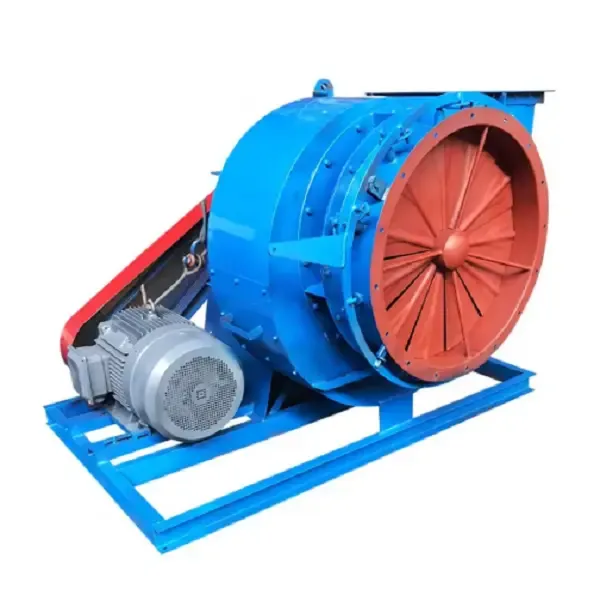
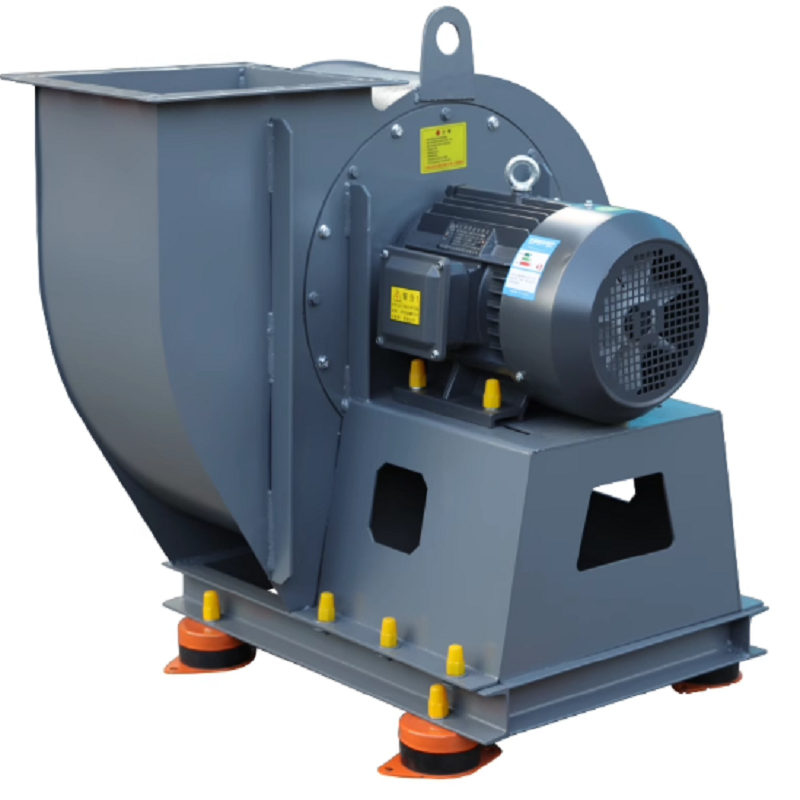
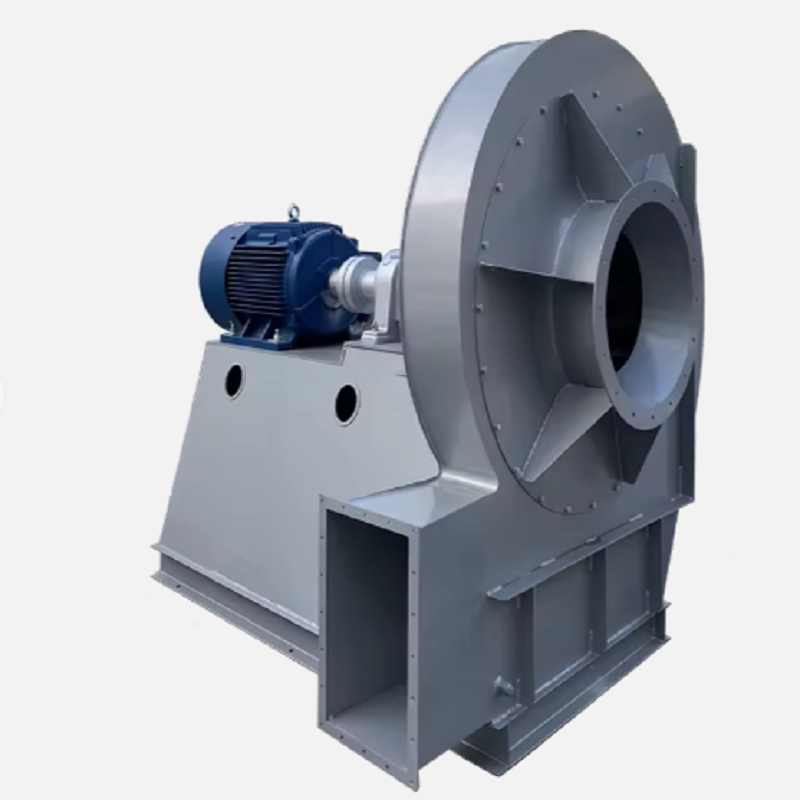
Industrial Centrifugal Fan

Industrial ventilation is not “set and forget.” Dust, mist, and process changes gradually pull systems away from design conditions. A simple maintenance routine protects performance and helps avoid surprise shutdowns.

Core routine for most sites:

  • Visual inspection: look for leaks, unusual dust trails, loose fasteners, and casing wear points.
  • Impeller cleaning plan: if the wheel loads up, pressure and airflow drop and imbalance rises. Cleaning intervals should match dust characteristics and duty cycle.
  • Bearing and lubrication discipline: use the right grease schedule; overheating bearings often signal misalignment, belt tension issues, or contamination.
  • Drive checks: for belt-driven units, monitor belt condition and tension; replace as a set when needed.
  • Baseline trending: log vibration, motor current, and system pressure. Trending catches problems early.

Many buyers prefer designs that are easier to disassemble and service because it reduces long-term labor cost. That’s one reason plants frequently choose an Industrial Centrifugal Fan built with practical access and durable construction rather than a lighter, general-purpose unit.

If your environment includes high dust and high temperature, consider reinforced housings and stable motor performance. If you’re moving corrosive gases, material choice (such as stainless components and protective coatings) can prevent premature failure. For hazardous environments, safety-rated motors and static management features should be addressed directly in the specification—not treated as an afterthought.

* * *

Where Hebei Ketong Environmental Protection Equipment Co., Ltd. Fits In

If you’re sourcing for industrial duty—especially where dust load, temperature, corrosion, or system resistance is a concern—working with a manufacturer that can tailor configuration details saves time and reduces risk. Hebei Ketong Environmental Protection Equipment Co., Ltd. focuses on industrial fan solutions and commonly supports customization around operating conditions, including durable housings, efficient motor matching, belt-drive speed flexibility, corrosion-resistant options, and safety-oriented configurations for demanding sites.

The easiest way to start is to share your target airflow and static pressure, plus the gas condition (temperature, particulate, and any corrosive components). From there, a practical selection can be built around stable performance and maintainability—not just a catalog label.


FAQ

Q: How do I know if I need higher pressure or simply more airflow?

A: If the system includes long ducting, multiple elbows, filters, scrubbers, or a stack, pressure losses often dominate. Field signs include rising motor load with little airflow improvement, or airflow dropping sharply as filters load. Measuring static pressure at key points is the fastest way to confirm.

Q: Is a belt-driven Industrial Centrifugal Fan worth it?

A: Belt drive is useful when you expect real-world tuning after installation or when process conditions vary. It can reduce the risk of buying a fan that is slightly “off” for the final duct network. The trade-off is periodic belt inspection and replacement.

Q: What should I prioritize for dusty applications?

A: Focus on wheel suitability for particulate, service access for cleaning, and a housing designed to handle harsh duty. Also consider how dust will accumulate in the system (not just the fan) and plan inspection intervals accordingly.

Q: How do I reduce corrosion risk in fume extraction?

A: Start with the chemistry and temperature of the gas stream, then choose appropriate materials and protective measures. Stainless components and internal protective coatings are common approaches. Proper drainage and avoiding condensation zones in ductwork also helps.

Q: What causes sudden vibration after months of stable operation?

A: The most common causes are impeller buildup (imbalance), bearing wear, loose mounting hardware, belt issues, or a change in process particulate. Trending vibration and motor current helps pinpoint whether the issue is mechanical or process-driven.

Q: What information should I send a supplier to get the right model faster?

A: Provide target airflow, required static pressure, duct layout highlights (filters/scrubbers/stack), operating temperature, dust type and concentration (if known), corrosive components (if any), site power supply, and any safety classification requirements. Photos of the existing setup can also accelerate selection.

* * *

Closing Thoughts

A well-chosen Industrial Centrifugal Fan is more than a piece of rotating equipment—it’s a stability tool for your process. When it’s matched to the real duty point, built for the actual gas conditions, and installed with attention to inlet quality and alignment, it delivers the result everyone wants: steady airflow, fewer stoppages, and lower lifecycle surprises.

If you’re planning a new line or replacing an underperforming unit, Hebei Ketong Environmental Protection Equipment Co., Ltd. can help you confirm the duty point, recommend practical configurations (including speed flexibility, corrosion-resistant options, and safety-oriented setups), and align the selection with your site’s operating reality.

Ready to make ventilation predictable?

Share your airflow and pressure targets, plus your gas temperature and dust/corrosion details, and we’ll help narrow down a reliable configuration for your application. For quotations, technical discussion, or customization support, contact us today and get a proposal that fits your system instead of forcing your system to fit the fan.

Related News
Leave me a message
X
We use cookies to offer you a better browsing experience, analyze site traffic and personalize content. By using this site, you agree to our use of cookies. Privacy Policy
Reject Accept