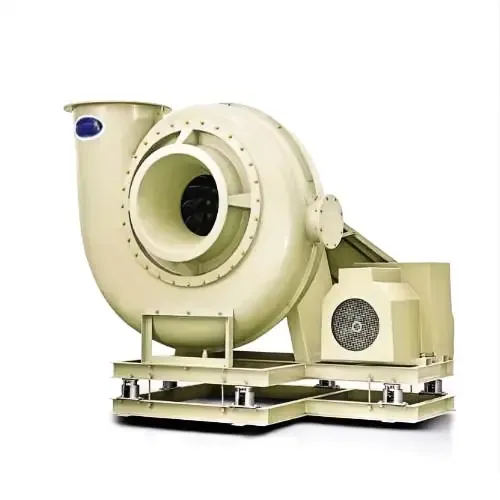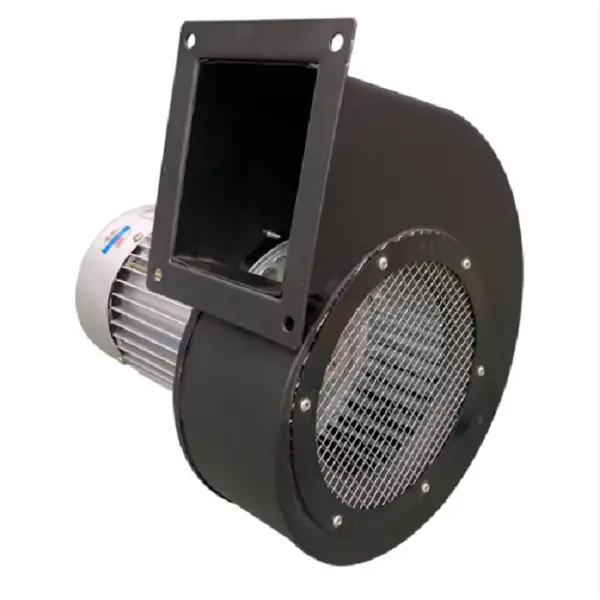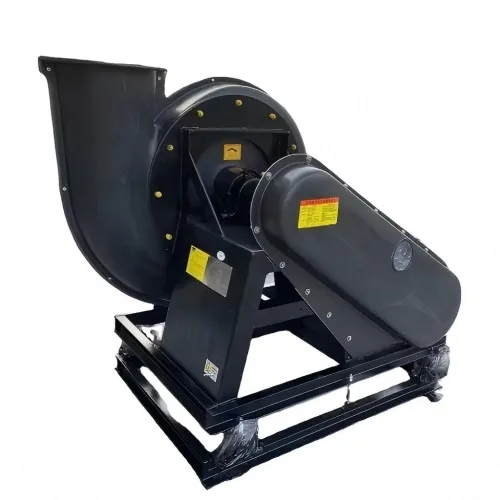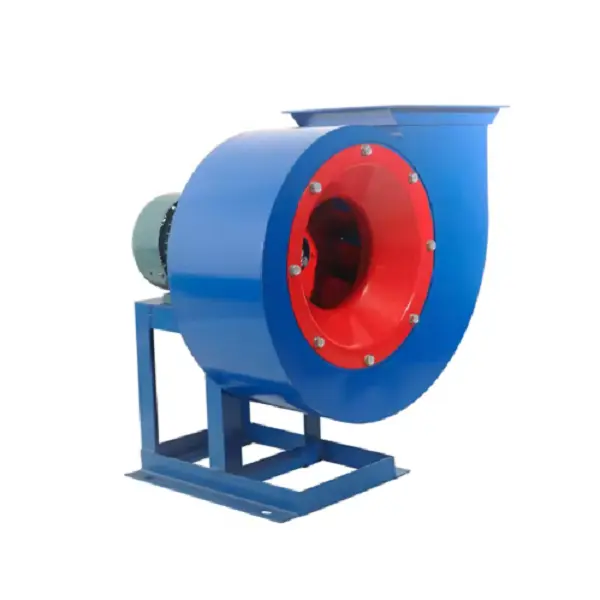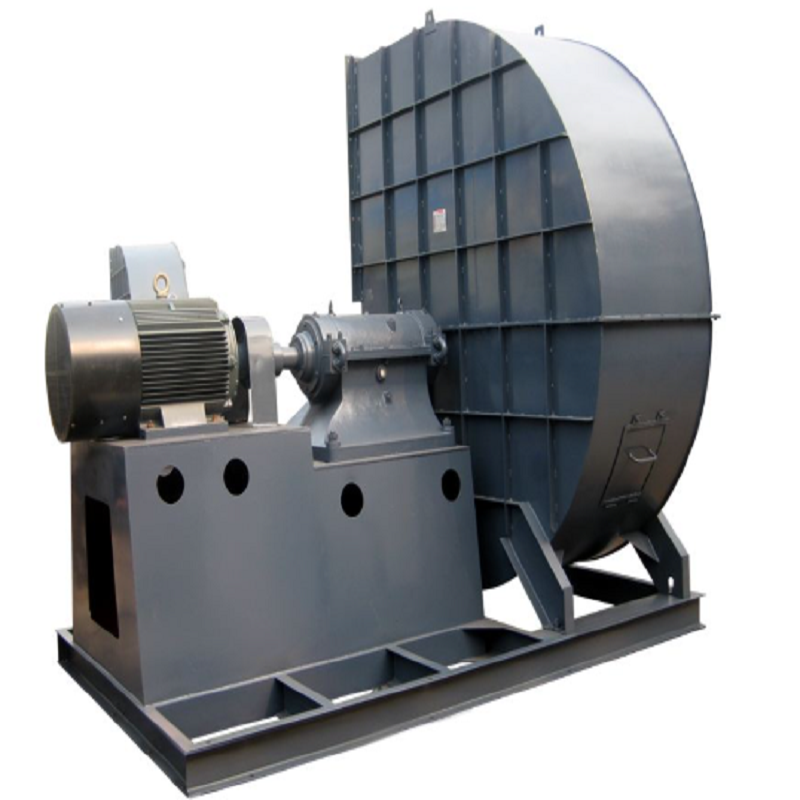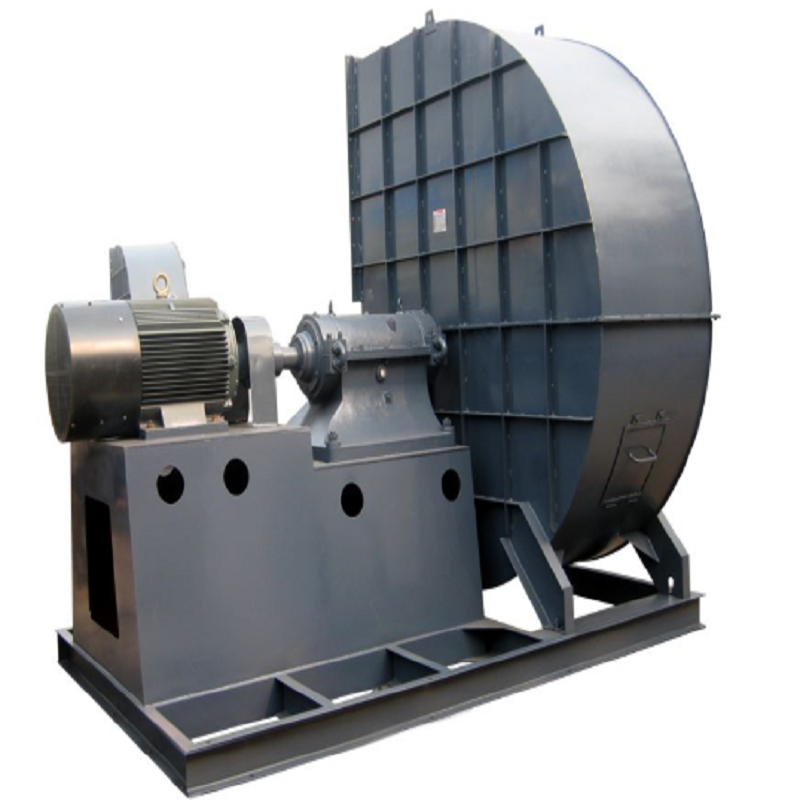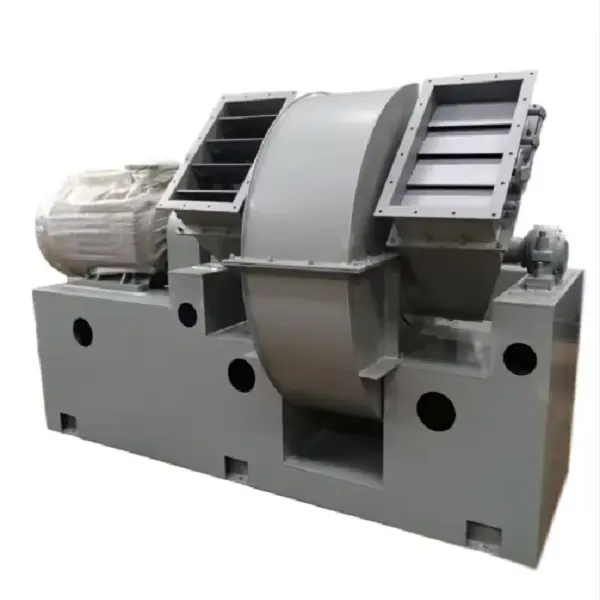
Abstract: If you’re dealing with corrosive fumes, washdown environments, high humidity, or strict cleanliness requirements, a standard fan can become a recurring headache—rust, contamination risk, frequent shutdowns, and rising maintenance costs. This guide breaks down what a Stainless Steel Centrifugal Fan is, where it performs best, how to specify one correctly, and how to avoid common purchasing mistakes that lead to poor airflow, noise, vibration, or early failure. You’ll also find a practical selection checklist, comparison tables, and a troubleshooting-friendly FAQ.
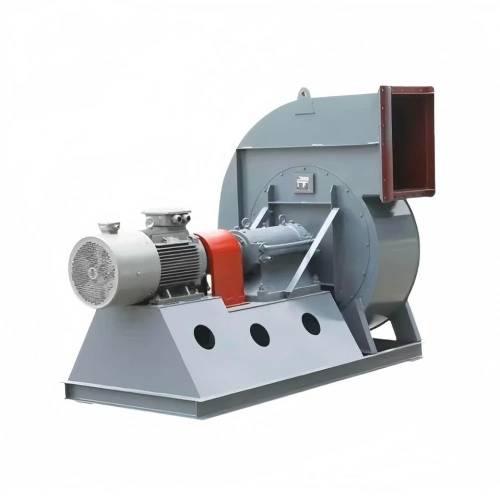
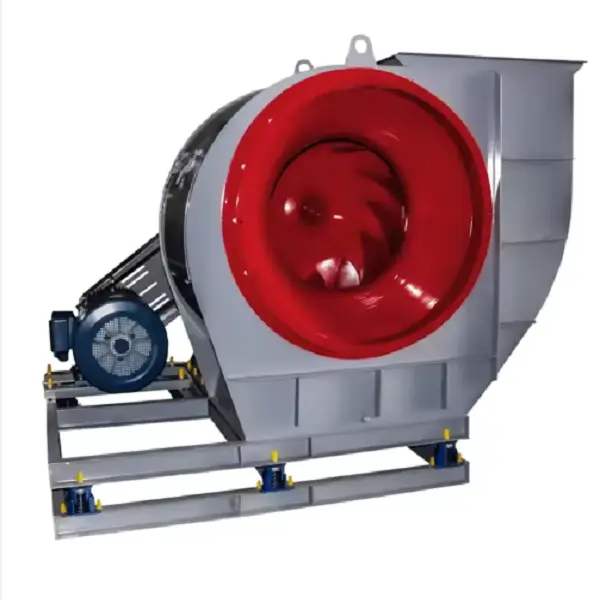
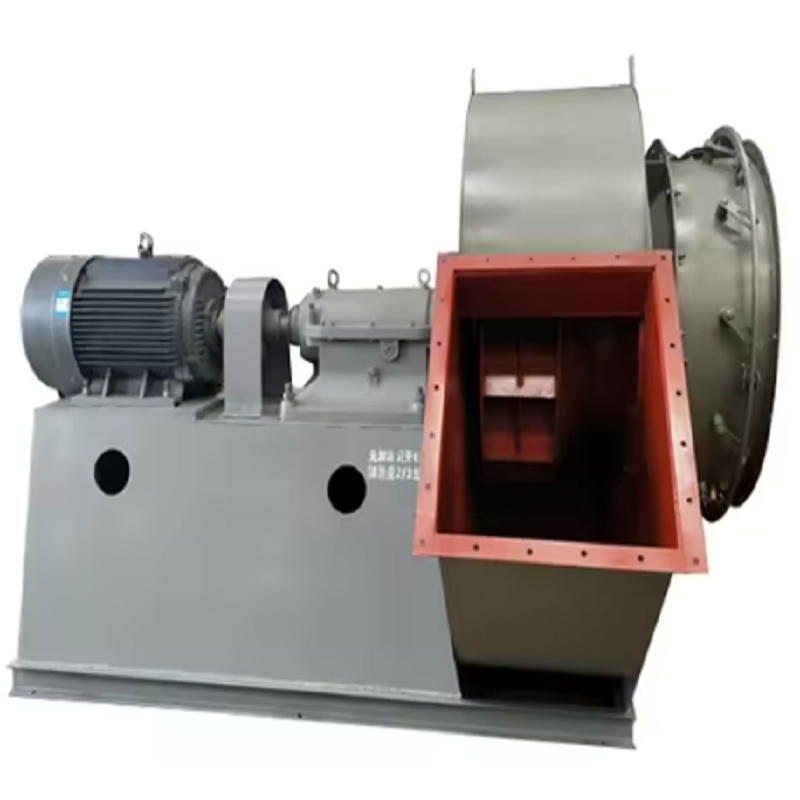
A centrifugal fan pulls air into the center of a rotating impeller and “throws” it outward into a scroll housing, converting rotational energy into airflow and pressure. Compared with many axial fans, centrifugal designs generally handle:
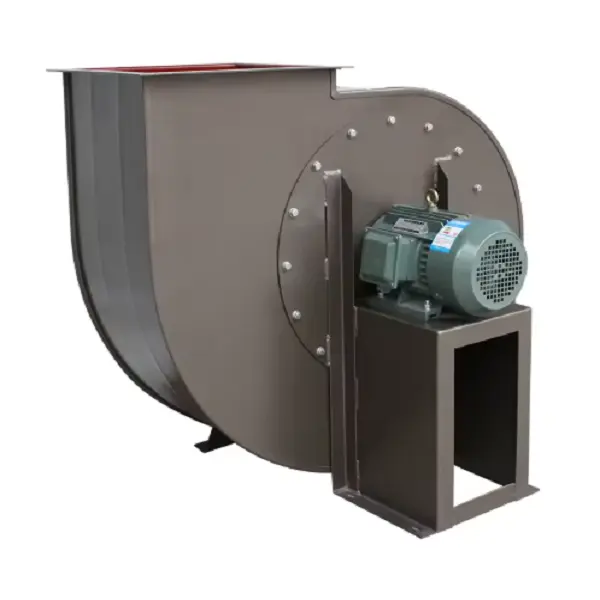
So where does stainless steel come in? In demanding environments, the fan’s weakest link is often the material. A Stainless Steel Centrifugal Fan is built to resist corrosion, maintain structural integrity, and reduce contamination risk—especially when a system runs 24/7 or must meet strict sanitation expectations.
If you’ve ever replaced a fan “too early,” you already know the hidden cost isn’t just the equipment—it’s the downtime, rework, and production disruption. Here are the pain points buyers mention most, and how stainless construction addresses them.
Moist air, salt, chemical vapors, or acidic exhaust can damage painted carbon steel quickly. Stainless steel improves resistance so the fan stays balanced, seals stay aligned, and performance remains consistent over time.
In food, pharma, and clean processing areas, flaking paint or rust is unacceptable. Stainless surfaces are easier to clean and less likely to shed particles when properly finished and welded.
Corrosion-driven imbalance increases vibration, which accelerates bearing wear and can loosen fasteners. A corrosion-resistant build helps protect the rotating assembly, reducing the cascade of failures that starts with surface damage.
High humidity plus temperature swings can cause condensation and internal corrosion. Stainless is more forgiving in these cycles, especially when paired with proper drainage design and seal selection.
Many performance problems come from mismatched system resistance, poor inlet conditions, or an impeller style that doesn’t fit the duty. Stainless won’t fix a wrong selection—but quality manufacturers typically pair stainless offerings with better engineering support and testing options.
Not every project needs stainless. But in the following scenarios, it often becomes the most economical choice once you factor in lifecycle cost.
If your system includes long duct runs, bends, dampers, filters, silencers, or packed-bed scrubbers, a centrifugal fan is typically the natural fit—stainless becomes the durability upgrade when the air stream is unforgiving.
Stainless steel is a premium material, so the goal is to spend where it protects reliability—not where it simply “looks better.” Use this structured approach to avoid the two most common mistakes: undersizing (poor airflow) and overspecifying (unnecessary cost).
Specify required airflow (for example, m³/h or CFM) and total static pressure (Pa or in. w.g.). If the fan will push through filters or a scrubber, include end-of-life resistance, not just clean startup values.
List temperature, humidity, chemical composition, particulate level, and whether the air is sticky/oily. If corrosion risk exists, note pH range or chemical names (even approximate helps). This influences material grade and seal selection.
304 works for many mild environments; 316/316L often performs better with chlorides and harsher chemical exposure. The correct grade can save you money by preventing premature failures.
Backward-curved designs often provide higher efficiency and lower noise, while other blade geometries may be chosen for certain dust loads or system characteristics. The “best” impeller depends on what the air contains and how the system behaves.
Consider enclosure type, insulation class, variable frequency drive usage, and whether you need explosion-resistant configurations depending on your site rules. The motor is part of the reliability story.
Access doors, cleanout ports, drain points, and bearing lubrication access are small features that dramatically reduce service time.
| Material Option | Best Fit | Typical Limits | Practical Notes |
|---|---|---|---|
| 304 Stainless Steel | General industrial, mild humidity, non-chloride exposure | Less ideal for chloride-heavy air | Good balance of cost and durability for many factories |
| 316 Stainless Steel | Coastal air, higher corrosion risk, many chemical exhausts | Higher cost than 304 | Often chosen for long service life in harsh conditions |
| 316L Stainless Steel | Weld-heavy structures needing corrosion resistance at weld zones | Not always necessary for mild duty | Useful when welding quality and corrosion near joints matter |
| Coated Carbon Steel | Budget-driven projects with mild exposure | Coating damage can cause rapid localized corrosion | Shorter lifecycle in washdown, humidity, or chemical vapor service |
Tip: If only the air-contact parts face corrosion, some projects specify stainless for the impeller and housing while keeping structural supports in other materials. A qualified supplier can help you balance durability and cost.
Customers often focus on airflow numbers but forget the system “behavior.” A fan that looks perfect on paper can still disappoint if the installation creates turbulence, recirculation, or unstable pressure. Here’s how to keep performance predictable.
Fans operate where their curve meets the system resistance curve. If filters clog over time, your operating point moves—so the fan must still deliver acceptable airflow at higher resistance.
For processes that change by shift or season, speed control helps maintain airflow while reducing wasted energy. It can also reduce noise when full speed isn’t needed.
Give the inlet straight, stable airflow. Poor inlet geometry increases turbulence, noise, and vibration, and can reduce airflow more than people expect.
Noise problems are often solved by a combination of proper fan selection, speed management, flexible connections, isolation mounts, and (when needed) silencers—rather than simply adding thicker ducting.
When a stainless fan is properly sized and installed, it tends to maintain balance and structural stability longer in corrosive service, which supports lower vibration and more consistent efficiency over its operating life.
Two stainless fans can look similar in photos and perform very differently in real life. Use this checklist to evaluate build quality in a practical way:
Even a high-quality fan can suffer from avoidable issues if installed without attention to airflow and alignment. These steps help protect your investment.
Installation best practices
Maintenance habits that extend service life
| Task | Typical Frequency | What It Prevents |
|---|---|---|
| Visual inspection (housing, fasteners, leaks) | Weekly / Bi-weekly | Loose parts, early corrosion zones, air leakage |
| Check vibration and bearing condition | Monthly | Bearing failure, shaft misalignment, imbalance |
| Clean impeller if buildup is present | As needed (process dependent) | Efficiency loss, noise increase, vibration growth |
| System resistance review (filters/scrubber) | Monthly / Quarterly | Airflow drift, overload conditions, poor ventilation |
Choosing a Stainless Steel Centrifugal Fan shouldn’t feel like gambling on a spec sheet. The most successful projects start with clear duty conditions, then match the fan design, material grade, and configuration to the real environment—temperature, humidity, chemical exposure, and system resistance.
Hebei Ketong Environmental Protection Equipment Co., Ltd. focuses on industrial ventilation and environmental equipment solutions where durability and stable performance matter. For customers working with corrosive exhaust, wet air streams, or strict cleanliness requirements, the value often comes from:
When your airflow system is tied to safety, product quality, or compliance, dependable engineering support is often the difference between a fan that “works today” and a fan that keeps working through harsh seasons and demanding production cycles.
How do I know if I truly need stainless steel instead of coated steel?
If your air stream is consistently humid, salty, chemical-laden, or you have washdown cleaning, stainless is usually justified by reduced downtime and longer service life. If exposure is mild and controlled, coated steel may work—but coating damage can create fast, localized corrosion.
Which stainless grade is better, 304 or 316?
304 suits many general industrial environments. 316 often performs better when chlorides or harsher chemical exposure are present. If you’re near the coast, handling chemical exhaust, or facing frequent condensate, 316 is commonly preferred.
What causes a centrifugal fan to get loud over time?
Common causes include impeller buildup (imbalance), bearing wear, misalignment, unstable inlet airflow, or operating far from the intended duty point. Early vibration monitoring and periodic inspection prevent most “mystery” noise problems.
Can a stainless centrifugal fan handle dust or sticky particulates?
It can, but the impeller type and access design matter. If dust is heavy or sticky, you’ll want a configuration that resists buildup and allows safe, easy cleaning to maintain balance and airflow.
Why does airflow drop after installation even though the fan is “rated” correctly?
Common reasons include underestimated system resistance (duct losses, bends, dampers), filter loading, poor inlet conditions, or incorrect rotation direction. Measuring static pressure and verifying the operating point helps pinpoint the issue quickly.
Is variable speed control worth it?
If your system resistance changes (filters, scrubbers, seasonal conditions) or you don’t always need full airflow, speed control can stabilize performance, reduce energy use, and lower noise—often improving overall equipment life.
If you’re ready to stop fighting corrosion, unstable airflow, and repeated maintenance cycles, it’s time to choose a Stainless Steel Centrifugal Fan that’s designed around your real operating conditions. Tell us your airflow, pressure, and air-stream details, and we’ll help you narrow down the right configuration—contact us to start the conversation.