News

Why Choose a High Temperature Centrifugal Fan for Harsh Industrial Ventilation?

2026-01-29 0 Leave me a message

Article Abstract

Heat changes everything in ventilation: airflow density shifts, materials expand, bearings work harder, and ordinary components fail faster. If your process produces hot exhaust—think kilns, furnaces, thermal treatment lines, drying ovens, incineration systems, or high-heat dust collection— a High Temperature Centrifugal Fan is often the difference between stable production and recurring downtime. This article breaks down the real-world pain points buyers face (noise, vibration, rapid wear, unsafe leakage, weak pressure, dust buildup, and unreliable starts), then maps each problem to practical selection criteria you can use immediately. You’ll also get a clear checklist, comparison table, and maintenance tips so you can specify the right fan the first time—without paying twice for repairs, replacements, or lost output.


Table of Contents

  1. Outline at a Glance
  2. What a High Temperature Centrifugal Fan Actually Does
  3. The Most Common Buyer Pain Points (and Why They Happen)
  4. Design Features That Matter Most in High Heat
  5. How to Select the Right Fan (Without Guesswork)
  6. Pain Point-to-Spec Table You Can Reuse
  7. Installation and Maintenance Practices That Protect Your Investment
  8. Working With a Manufacturer: What to Ask and What to Provide
  9. FAQ

Outline at a Glance

  • Define the job: temperature, airflow, pressure, gas composition, dust load, operating hours.
  • Identify the failure risks: overheating bearings, impeller deformation, erosion, corrosion, vibration, leakage.
  • Match the fan architecture: wheel type, casing, shaft/bearing arrangement, motor position, cooling plan.
  • Confirm performance margins: allow headroom for filter loading, duct changes, and seasonal density shifts.
  • Plan for maintainability: access doors, inspection ports, balancing approach, spare strategy.

What a High Temperature Centrifugal Fan Actually Does

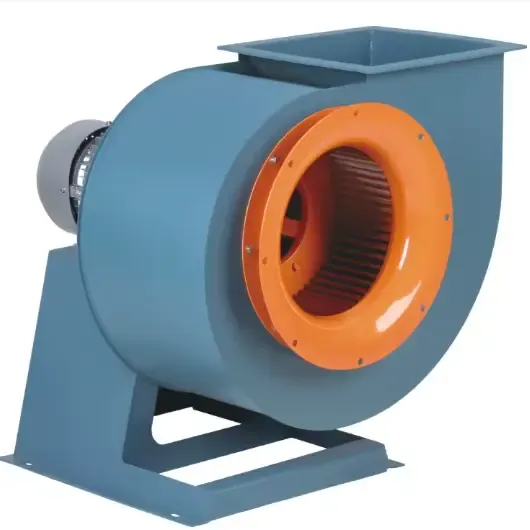
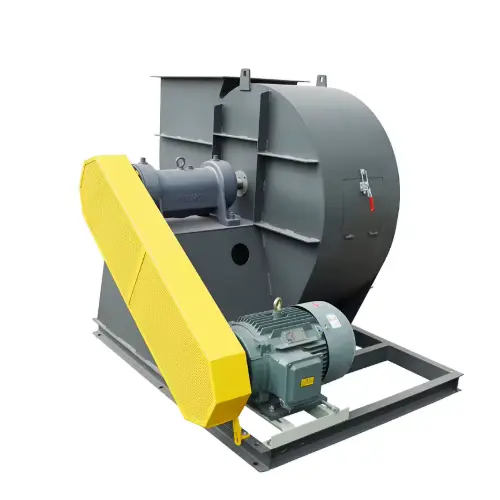
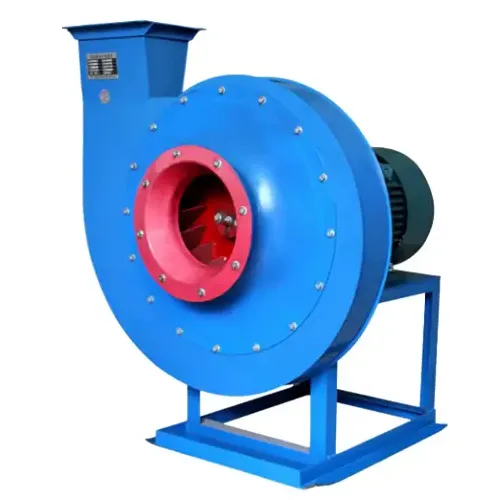
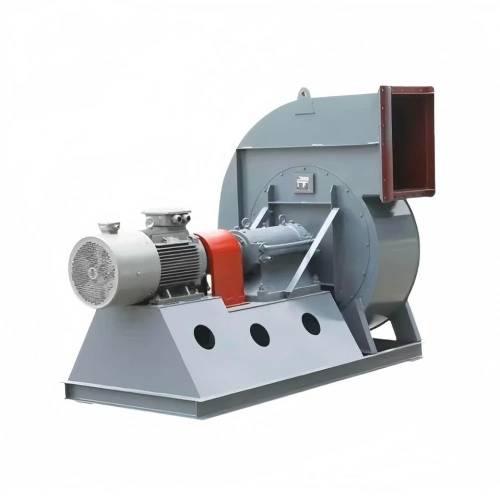
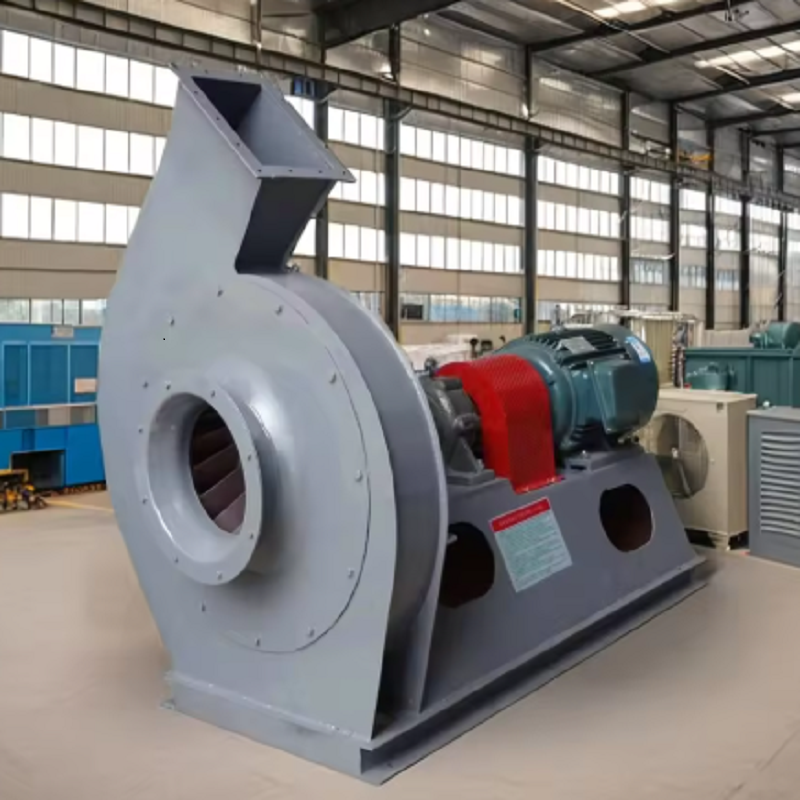
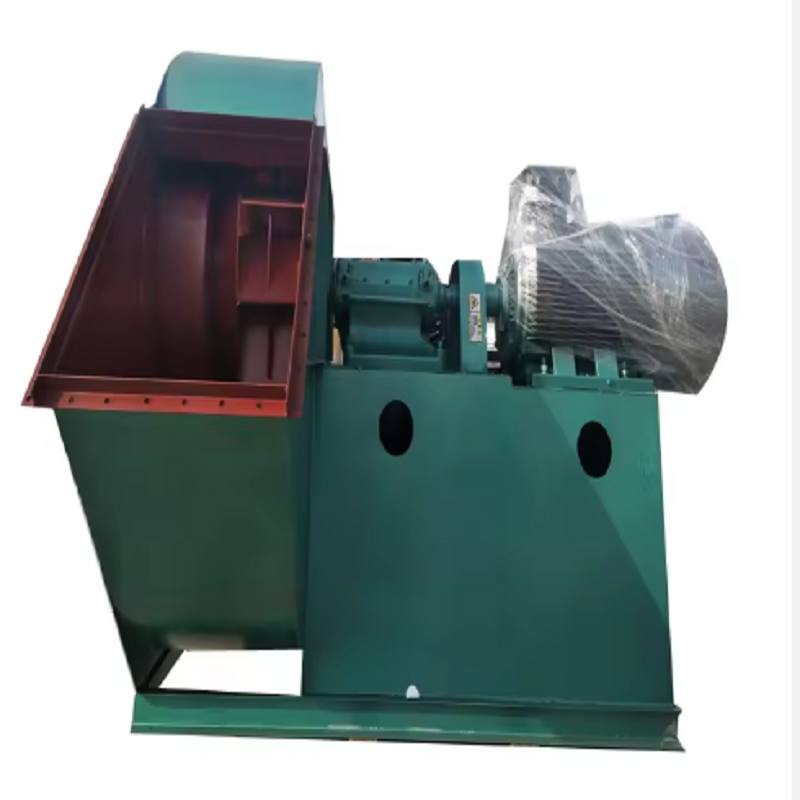
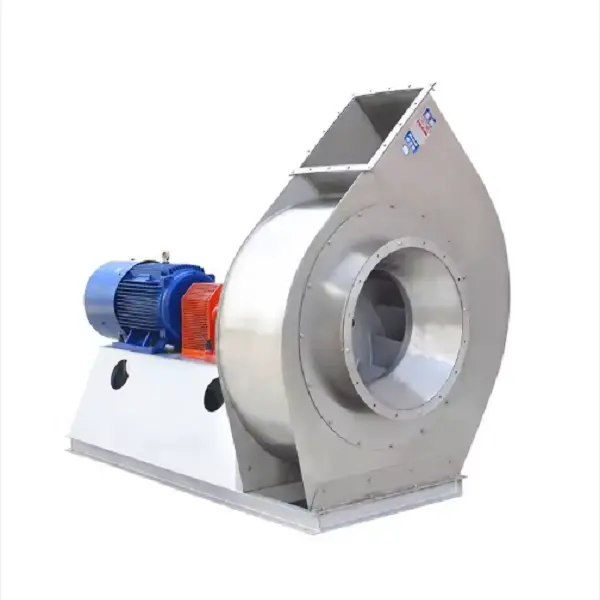
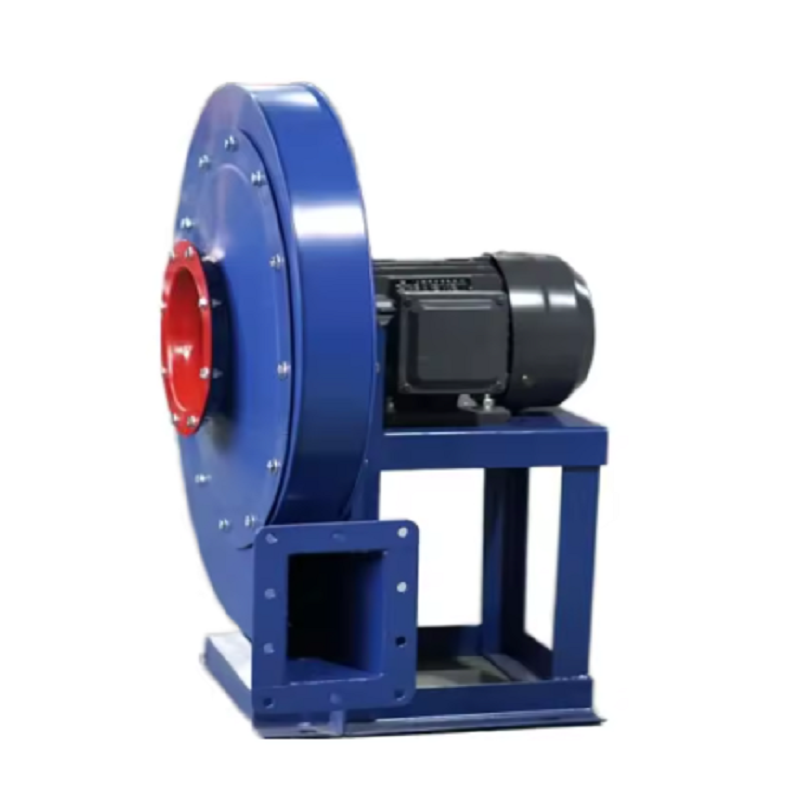
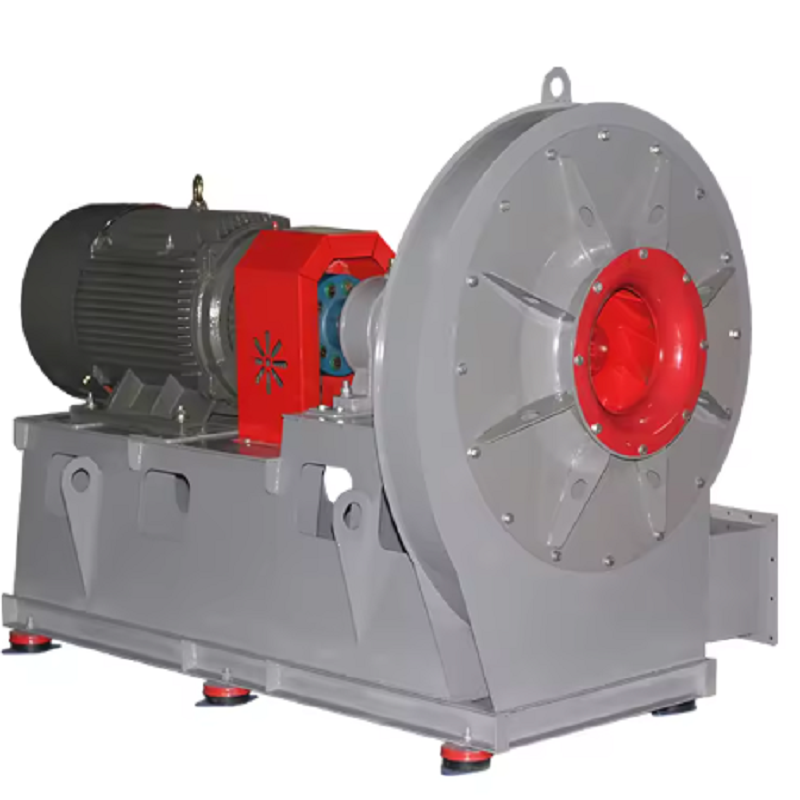
High Temperature Centrifugal Fan

A High Temperature Centrifugal Fan is built to move hot gas reliably while generating the static pressure needed to overcome resistance from ducts, bends, dampers, cyclones, filters, heat exchangers, and stacks. “Centrifugal” means the fan impeller throws air outward from its center, converting rotational energy into pressure. That pressure capability is the big reason centrifugal fans are widely used in industrial systems where long duct runs or filtration devices would overwhelm simpler airflow equipment.

The “high temperature” part is not a marketing label—it’s an engineering constraint. Hot gas reduces air density (changing the fan’s operating point), accelerates oxidation, weakens many common alloys over time, and can destroy lubricants if thermal management is poor. In real applications, high heat is often paired with dust, sticky particles, sparks, or corrosive compounds, making the design requirements more demanding than “just a hotter fan.”


The Most Common Buyer Pain Points (and Why They Happen)

Pain point 1: The fan works during commissioning, then loses performance after a few weeks.

  • Filters load up, increasing resistance and pushing the system to a different operating point.
  • Dust deposits change the impeller’s shape and balance, cutting efficiency and raising vibration.
  • Hot gas density changes with temperature swings, shifting flow and pressure in ways that surprise teams using “room temperature” assumptions.

Pain point 2: Vibration and noise appear, then bearings fail early.

  • Thermal expansion misaligns shafts or stresses housings if clearances and structure aren’t designed for high heat.
  • Impeller erosion or buildup creates imbalance; imbalance creates vibration; vibration destroys bearings.
  • Improper base grouting, weak frames, or duct strain transfers forces into the fan.

Pain point 3: Leakage at the shaft seal or casing becomes a safety issue.

  • High temperature can harden standard seal materials or reduce their life dramatically.
  • Negative pressure systems can draw in air where they shouldn’t, affecting combustion, product quality, or emissions control.
  • Positive pressure systems can leak hot gas or fumes into work areas if sealing isn’t robust.

Pain point 4: The fan can’t survive dusty or abrasive hot exhaust.

  • Fine particles erode blade leading edges and housings; hot dust can behave like sandblasting media.
  • Sticky particulate can cake onto blades, narrowing flow paths and creating imbalance.
  • Inadequate wear protection means you pay repeatedly in downtime, repairs, and replacement parts.

Pain point 5: The system is hard to maintain, and every shutdown becomes expensive.

  • No inspection doors, no removable panels, or poor access to bearings and seals.
  • Balancing requires full removal because there’s no practical field-balancing strategy.
  • Spare parts aren’t standardized, forcing long lead times.

Design Features That Matter Most in High Heat

A reliable High Temperature Centrifugal Fan is a system of choices. Below are the features that most directly impact stability, life span, and total cost of ownership.

  • Impeller material and thickness strategy: High heat can soften lower-grade materials. The right alloy and geometry resist deformation, cracking, and oxidation while keeping balance stable.
  • Wheel type matched to your dust and pressure needs: Backward-curved designs often offer high efficiency and lower power draw, while radial or paddle styles can tolerate particulate and build-up better in harsh streams.
  • Thermal isolation and cooling plan: If heat travels into bearing housings or motor zones, lubricant life collapses. Designs may use thermal barriers, extended shafts, cooling air paths, or strategic component placement.
  • Bearing arrangement and lubrication selection: Heat, dust, and vibration are the “bearing killers.” Correct sizing, sealing, and lubricant choice extend service intervals dramatically.
  • Sealing approach: Labyrinth seals, packing, or specialized mechanical sealing methods can reduce leakage and protect components based on whether your system runs under negative or positive pressure.
  • Wear protection for abrasive gas: Replaceable liners, wear plates, hardened leading edges, or coatings can turn a frequent failure point into a planned maintenance item.
  • Balance and stiffness: High heat plus long-running cycles require strong structural stiffness and careful balancing standards to keep vibration low over time.

If your project includes both high temperature and aggressive media (abrasive dust or corrosive compounds), treat the fan like a critical process asset, not a commodity. The cheapest option is often the most expensive once downtime and safety risks are counted.


How to Select the Right Fan (Without Guesswork)

Selection should start with data, not just a target airflow. The most useful approach is to define operating conditions, identify the “worst case,” and then build in performance margin for real-world resistance changes.

Step 1: Lock down the operating envelope

  • Gas temperature: normal range and peak (including upsets during startup/shutdown).
  • Flow requirement: target volume flow at operating temperature, not at room temperature.
  • Static pressure: include duct losses, equipment losses, damper positions, and filter loading over time.
  • Gas composition: moisture, solvent content, corrosives, oxygen level, and any risk of sparks or fine combustible dust.
  • Particulate characteristics: particle size, abrasiveness, stickiness, and concentration.
  • Duty cycle: hours per day, starts per hour, and expected continuous runtime.

Step 2: Choose a configuration that matches your environment

  • If you have long ducts and filtration, prioritize pressure capability and stable efficiency across a range of operating points.
  • If you have heavy dust, prioritize robust wheel types and wear protection, plus easy access for cleaning.
  • If you have corrosive hot gas, prioritize material selection and sealing strategy.

Step 3: Demand proof through testing and documentation

  • Performance verification (flow/pressure) and vibration inspection before shipment.
  • Clear drawings, installation requirements, and maintenance recommendations.
  • Spare parts plan (bearings, seals, wear liners) to reduce downtime risk.

The practical goal is simple: your High Temperature Centrifugal Fan should meet airflow targets today and still meet them after months of dust exposure, thermal cycling, and filter loading—without becoming a constant maintenance emergency.


Pain Point-to-Spec Table You Can Reuse

Buyer Pain Point What to Specify / Verify How It Helps
Performance drops after weeks Fan curve at operating temperature; margin for filter loading; wheel type for dust Maintains airflow despite real-world resistance changes
Vibration, noise, bearing failure Balancing standard; stiffness of base/frame; bearing protection from heat/dust Reduces vibration and extends bearing life
Leakage at seal/casing Seal type suited to temperature and pressure mode; casing integrity; inspection ports Improves safety and stabilizes process conditions
Erosion from abrasive dust Wear liners/plates; material strategy; easy-clean access Turns unpredictable failures into planned maintenance
Maintenance is difficult Access doors; modular parts; standard bearings/seals; field service plan Cuts downtime and lowers lifetime cost

Installation and Maintenance Practices That Protect Your Investment

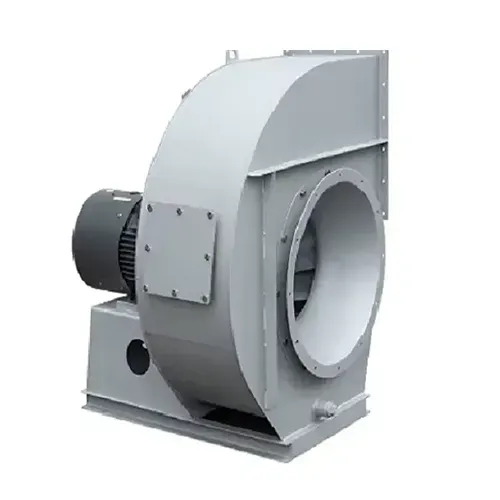
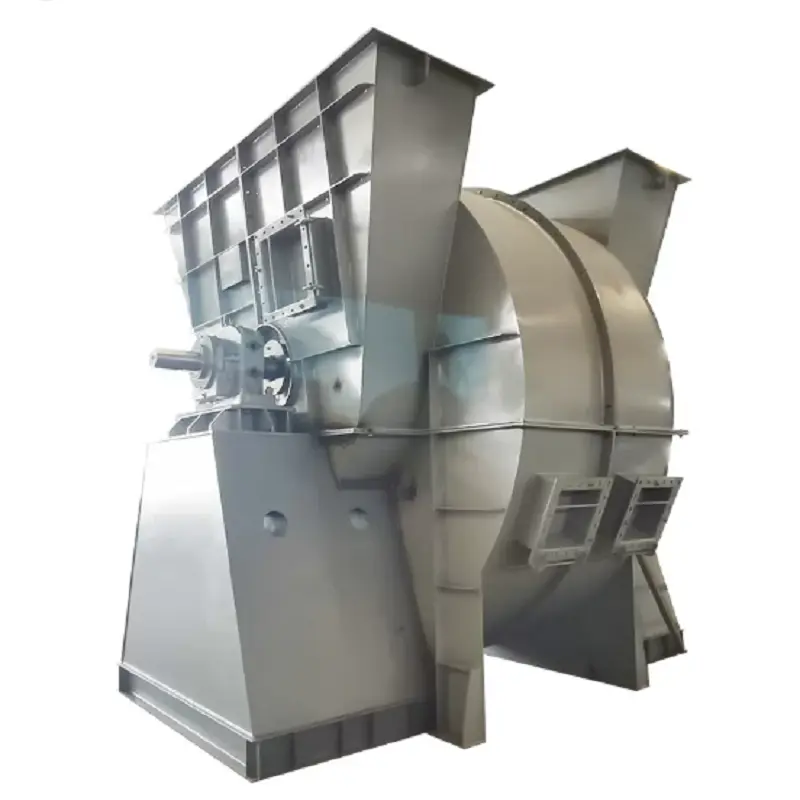
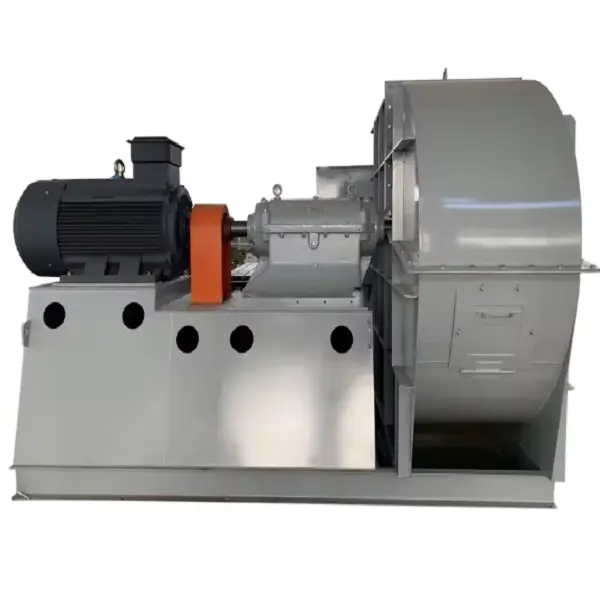
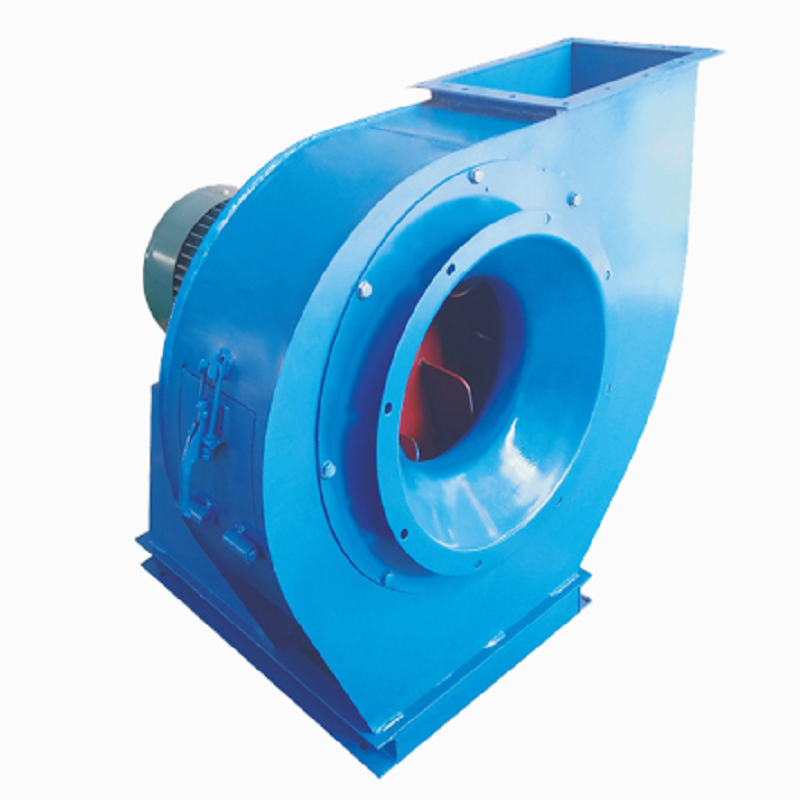
High Temperature Centrifugal Fan

Even a well-designed High Temperature Centrifugal Fan can fail early if installation is rushed. Here are practical practices that keep systems stable in high heat:

  • Control duct strain: Support ducting independently so weight and thermal movement don’t pull on the fan casing.
  • Manage thermal expansion: Use appropriate expansion joints and allow clearance so hot ductwork doesn’t distort alignment.
  • Confirm airflow direction and damper logic: Incorrect damper settings can push the fan off its intended operating region.
  • Track vibration early: Baseline vibration at commissioning and monitor it—small changes often predict bigger failures.
  • Keep the wheel clean: Build-up is a silent efficiency killer and a major cause of imbalance in dusty hot gas.
  • Respect lubrication intervals: High heat can shorten grease or oil life; follow the recommended schedule for your temperature and duty cycle.
  • Plan wear part replacement: If you’re handling abrasive dust, design your maintenance plan around liners or wear plates.

A simple habit that pays off: keep a one-page operating log (temperature, damper position, differential pressure across filters, vibration readings). When something drifts, you can fix root causes instead of replacing parts blindly.


Working With a Manufacturer: What to Ask and What to Provide

Many “fan problems” are actually “spec problems.” The fastest path to a reliable solution is a clean information handoff: you provide the real operating envelope, and the manufacturer engineers the configuration around your risks.

At Hebei Ketong Environmental Protection Equipment Co., Ltd., teams typically support customers by clarifying process conditions, recommending appropriate wheel types for dust and pressure demands, and tailoring structural and sealing options to match the site environment. When you treat the fan as part of a complete ventilation system—rather than a standalone component—you get a result that behaves predictably in the field.

Use this quick data sheet when you request a quote:

Gas Temperature Normal range + peak temperature during upsets
Required Flow Volume flow at operating temperature
Required Pressure Include ducts, equipment, dampers, and filter loading over time
Dust / Particulate Type, abrasiveness, stickiness, concentration, and cleanup expectations
Gas Chemistry Moisture, corrosive elements, solvent content, special hazards
Operating Schedule Hours/day, starts/day, continuous or intermittent
Site Constraints Space, duct layout, foundation, noise limits, maintenance access

With this information, it becomes much easier to recommend a High Temperature Centrifugal Fan design that avoids the classic traps: underestimating pressure, ignoring dust behavior, and neglecting thermal impacts on bearings and sealing.


FAQ

Q: How do I know whether I need a High Temperature Centrifugal Fan instead of a standard industrial fan?

If your gas stream is consistently hot, if you have thermal cycling, or if the ventilation line includes filtration and long duct runs, a High Temperature Centrifugal Fan is usually the safer choice. The goal is not only to move air today, but to keep moving it after heat has stressed materials, seals, and bearings for months.

Q: Why does airflow change when temperature changes?

Hotter gas has lower density. That affects how the fan and the system interact, shifting the operating point. If your calculations assumed cooler air, the installed system may land at a different flow/pressure than expected. That’s why performance should be evaluated at operating temperature.

Q: What causes vibration to appear over time in hot dusty service?

The most common causes are impeller build-up, erosion, misalignment from thermal expansion, and structural weakness in the base or supports. Routine inspection and a clear maintenance plan (cleaning, balancing, wear protection) can prevent “mystery failures.”

Q: Can one fan handle both high heat and abrasive dust reliably?

Yes—if the wheel type, wear protection strategy, materials, and access for maintenance are chosen correctly. Abrasive dust is manageable when the design anticipates it, rather than treating it as an afterthought.

Q: How much performance margin should I plan for?

It depends on how quickly resistance changes—especially filter loading and process variability. A practical approach is to plan margin for the dirtiest expected condition and verify the fan can still operate safely across your normal range without entering unstable regions.

Q: What should I send the supplier to get an accurate recommendation?

Provide temperature range and peak, required flow at operating temperature, total system pressure including future loading, dust characteristics, gas chemistry, duty cycle, and site constraints. With that, the supplier can match configuration, sealing, and wear protection to your real risks.


Final Thoughts

Buying a High Temperature Centrifugal Fan is not just selecting a model number—it’s designing reliability into a hot, demanding airflow job. When you align performance requirements with thermal realities, dust behavior, sealing needs, and maintenance access, you stop chasing recurring faults and start running a stable ventilation system that supports production instead of interrupting it.

If you’re planning an upgrade or specifying a new hot-gas ventilation line, contact us at Hebei Ketong Environmental Protection Equipment Co., Ltd. to discuss your operating conditions and get a configuration that fits your process, your site constraints, and your long-term maintenance goals.

Related News
Leave me a message
X
We use cookies to offer you a better browsing experience, analyze site traffic and personalize content. By using this site, you agree to our use of cookies. Privacy Policy
Reject Accept