News

How Do You Choose a Centrifugal Blower Fan That Actually Fixes Your Ventilation Headaches?

2026-02-11 0 Leave me a message

Industrial ventilation problems rarely come from “not having a fan.” They come from having the wrong fan for the real static pressure, the real air density, the real dust load, and the real operating hours. This guide breaks down how to select a Centrifugal Blower Fan that delivers stable airflow, low downtime, and predictable energy cost—plus the practical checks that prevent noise, vibration, and premature bearing failures.


Contents


Outline at a Glance

  • Start with the process goal: capture, convey, or exhaust.
  • Confirm airflow and the true system static pressure (not the “guess” pressure).
  • Account for air density: temperature, altitude, humidity, and gas composition.
  • Pick the impeller style for your load: dust, fumes, sticky particles, or clean air.
  • Choose materials and sealing for corrosion, abrasion, and safety requirements.
  • Plan for controllability: dampers vs variable frequency drive.
  • Validate mechanical details: balancing, bearing selection, alignment, vibration control.

Why “Good Fans” Still Perform Badly

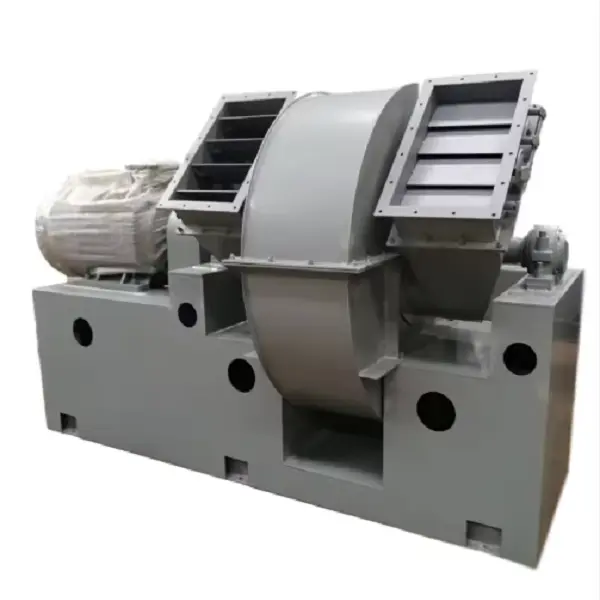
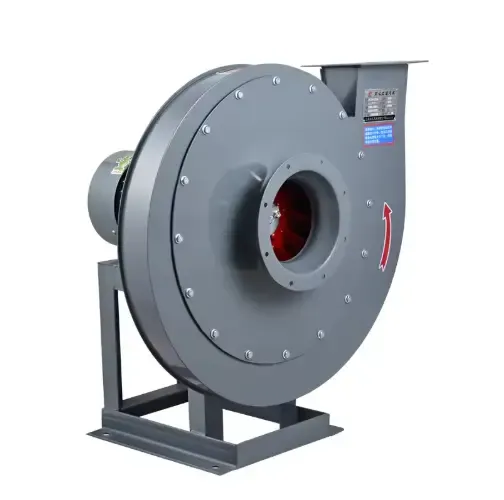
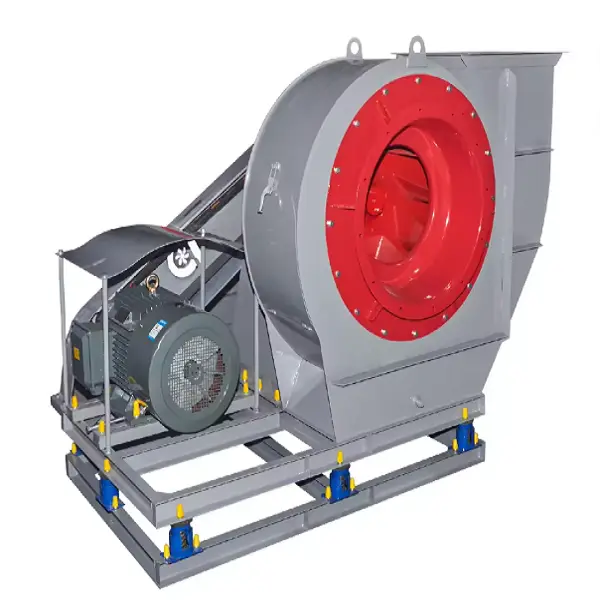
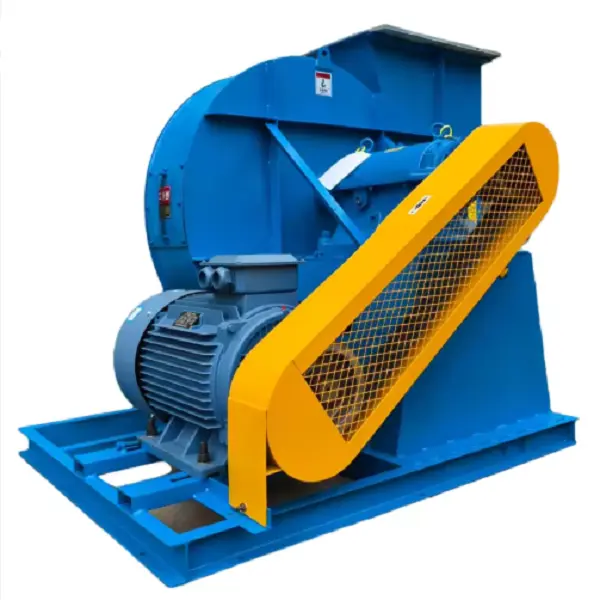
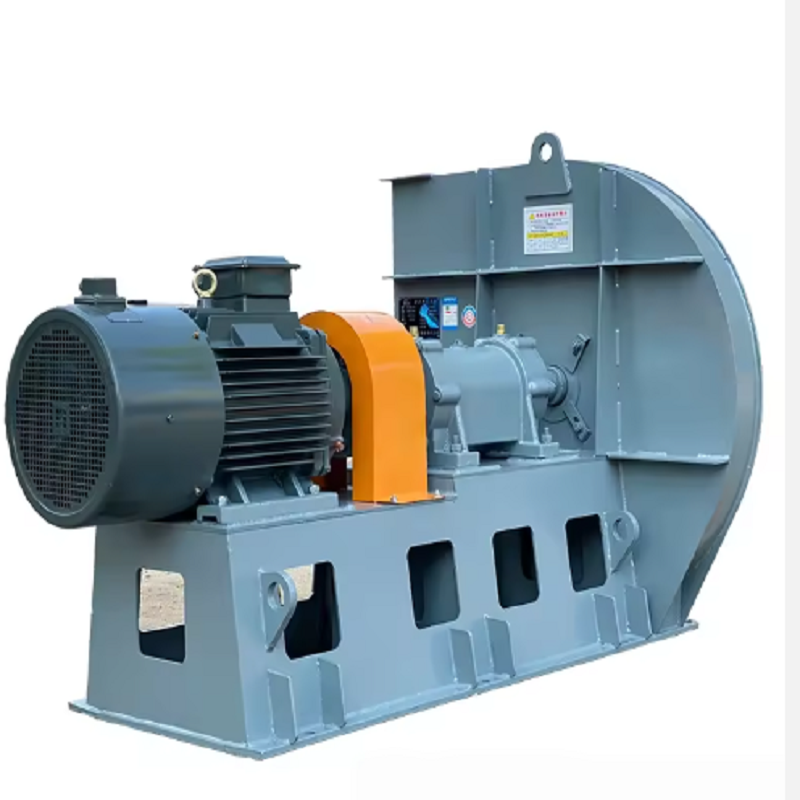
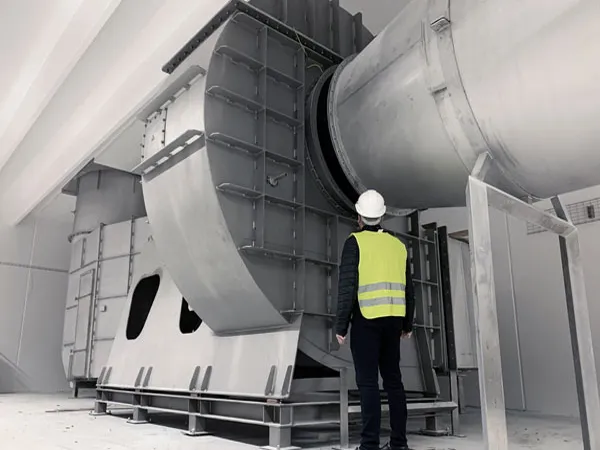
Centrifugal Blower Fan

If you’ve ever installed a Centrifugal Blower Fan that looked perfect on paper but still disappointed on site, you’re not alone. The usual pain points show up in four ways:

  • “We don’t get enough airflow.” Most often caused by underestimating static pressure or ignoring duct losses from elbows, filters, hoods, and dirty systems.
  • “It’s too loud or vibrating.” Usually a mismatch between operating point and fan curve, poor foundation/isolators, belt misalignment, or particulate buildup on the impeller.
  • “Energy costs are higher than expected.” The fan may be forced to run far from its efficient range, or throttled with dampers while the motor runs at full speed.
  • “Maintenance is constant.” Abrasive dust, sticky particles, corrosion, and heat destroy bearings and impellers faster than most people plan for.

The fix is not “buy a bigger fan.” The fix is selecting a Centrifugal Blower Fan based on the actual operating conditions, and then making sure the mechanical execution supports those conditions.


Centrifugal Basics That Matter in the Real World

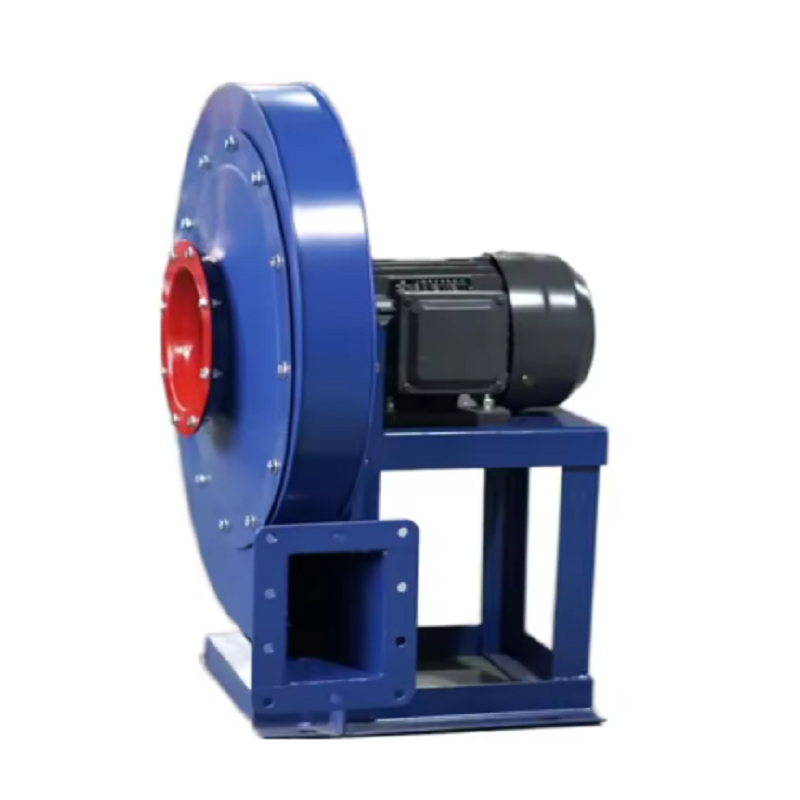
A Centrifugal Blower Fan moves air by accelerating it outward through a rotating impeller and converting that velocity into pressure. That pressure is what pushes air through resistance—ductwork, filters, scrubbers, cyclones, and hoods.

Two numbers govern success:

  • Airflow (volume): how much air you need to move, commonly in m³/h or CFM.
  • Static pressure: how hard the system resists flow, commonly in Pa or in. w.g.

Here’s the key: airflow and static pressure are linked. If your system resistance is higher than expected, your fan will slide to a different point on its curve—often lower flow, higher power draw, and more noise.


Selection Steps That Prevent Rework

1) Define the job in plain terms

  • Are you capturing dust at a hood, exhausting a room, feeding a burner, or supporting a filter/scrubber?
  • Is the air clean, dusty, corrosive, hot, humid, oily, or sticky?
  • Is the fan running continuously, intermittently, or with frequent starts?

2) Measure or calculate the true static pressure

If you only estimate, you’ll often underestimate. Filters load, ductwork adds losses, and elbows are rarely as “smooth” as drawings claim. If possible, measure pressure drop across key components or use a conservative margin.

3) Correct for air density

Hot air is less dense; a fan moves volume, but pressure capability and motor load change with density. If you run high temperature exhaust or operate at altitude, a correct density calculation prevents underperformance or motor overload.

4) Choose an impeller style that fits the contaminant

  • Backward-curved: typically efficient and stable for clean to lightly dusty air.
  • Radial blade: tougher for particulate-laden air and more resistant to buildup.
  • Forward-curved: often compact but can be less suitable for heavy industrial dust.

5) Select materials and protection for wear and corrosion

  • Abrasive dust favors thicker casing, wear liners, and robust impeller construction.
  • Corrosive fumes may require stainless steel, coated carbon steel, or specialty materials depending on chemistry.
  • High temperature may require heat-resistant design choices and bearing isolation.

6) Decide how you will control airflow

  • Dampers: simple, but can waste energy by throttling.
  • Variable frequency drive (VFD): better when demand changes; often lowers noise and reduces energy use.

7) Validate mechanical details

  • Dynamic balancing quality impacts vibration and bearing life.
  • Proper alignment (direct-drive or belt-drive) prevents heat and premature failure.
  • Inlet/outlet transitions matter: bad geometry creates turbulence, noise, and performance loss.

Quick Spec Table for Decision-Making

Use this table as a practical checklist to keep your Centrifugal Blower Fan selection grounded in what will happen after installation.

Decision Item What to Provide or Confirm Why It Matters
Required airflow m³/h (or CFM) at the hood/process Too low fails capture; too high wastes energy and increases noise
Total static pressure Pa (or in. w.g.) including filters, ducts, elbows, equipment Most common source of “fan doesn’t meet spec” issues
Air/gas conditions Temperature, humidity, altitude, corrosive content Changes density, material choice, and motor safety margin
Dust and particle type Abrasive vs sticky vs fibrous, approximate loading Determines impeller style, cleaning plan, and wear protection
Control method Fixed speed, damper, or VFD Impacts energy cost, noise, and stability under varying demand
Installation constraints Footprint, duct routing, vibration isolation, access for maintenance Poor installation can ruin a well-chosen fan

Efficiency and Noise Without Compromising Output

Noise is usually a symptom, not a standalone problem. A Centrifugal Blower Fan tends to get louder when it’s pushed away from its preferred operating range or when turbulence dominates the inlet/outlet flow.

  • Operate near a stable point on the fan curve so the fan isn’t fighting the system or surging at partial load.
  • Use a VFD when demand changes instead of choking the flow with a damper at full speed.
  • Fix inlet conditions: straight duct runs into the inlet and proper inlet cones reduce swirl and turbulence.
  • Consider flexible connectors and isolators to keep vibration from traveling into ductwork and structures.
  • Keep the impeller clean: buildup causes imbalance, which increases noise and destroys bearings.

Reliability, Wear, and Maintenance Planning

If your operation runs long hours, reliability becomes a design requirement, not a “nice bonus.” A Centrifugal Blower Fan in dusty or corrosive service needs a realistic maintenance plan from day one.

Practical reliability wins

  • Choose the right bearing and lubrication strategy for temperature, speed, and duty cycle.
  • Make maintenance access non-negotiable: if you can’t inspect and clean easily, performance will drop quietly until it becomes an emergency.
  • Plan filter management: clogged filters increase static pressure and change the operating point, sometimes pushing the motor harder than expected.
  • Use wear protection for abrasive dust: liners, heavier-gauge material, and robust impeller designs pay back quickly in downtime avoided.

A simple monthly checklist

  • Record vibration and noise changes
  • Check belt tension/alignment (if belt-driven)
  • Inspect impeller for buildup or erosion
  • Confirm fasteners, mounts, and isolation components
  • Track filter differential pressure (if applicable)

Fast Troubleshooting for Common Symptoms

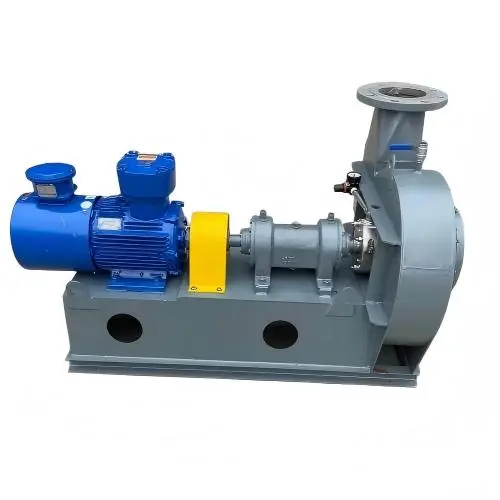
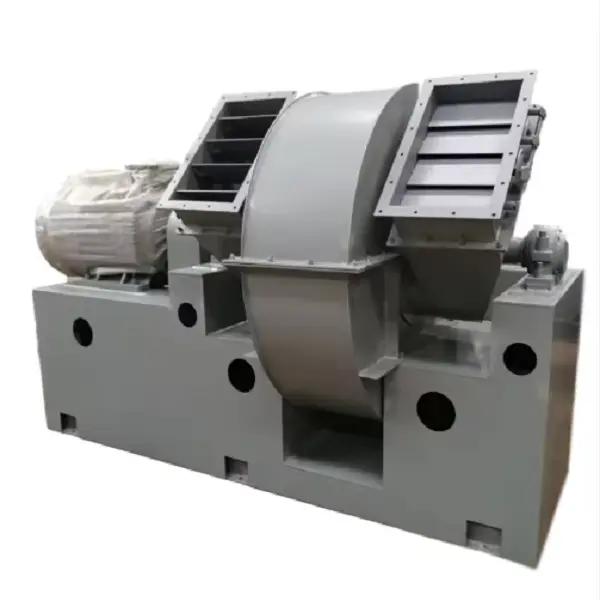
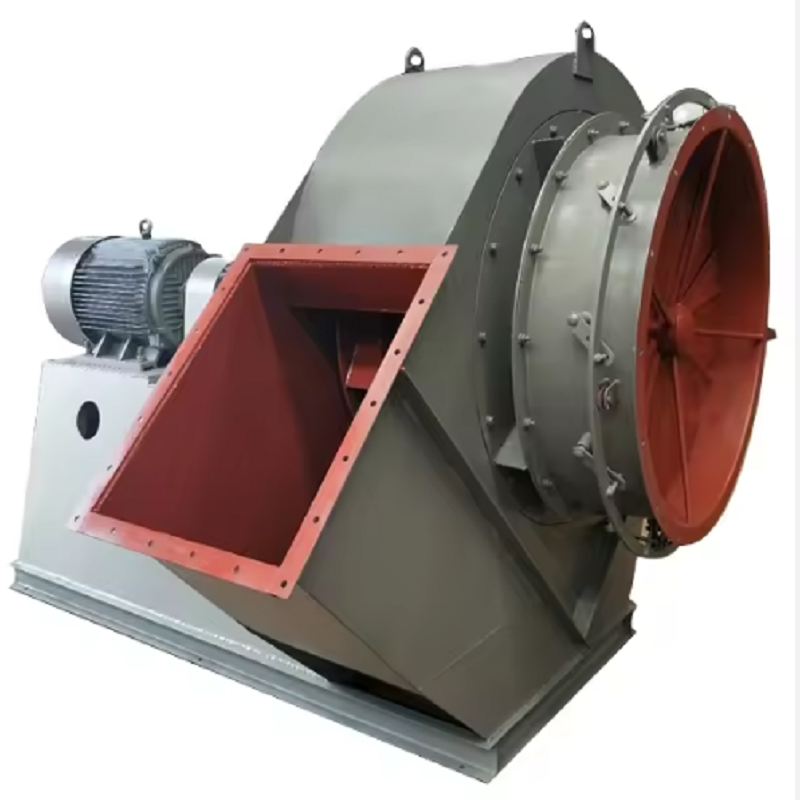
Centrifugal Blower Fan

Here are quick, field-friendly causes and fixes. These apply to most Centrifugal Blower Fan installations.

  • Low airflow: confirm duct leaks, clogged filters, wrong rotation direction, unexpected dampers/obstructions, or higher-than-planned resistance.
  • High vibration: check impeller buildup, loose mounts, misalignment, bearing wear, and whether the fan is operating in an unstable region.
  • Motor overheating: confirm voltage, airflow blockage, overload from operating point shift, or insufficient cooling/ventilation around the motor.
  • Sudden noise increase: look for foreign objects, impeller contact, damaged bearings, or turbulent inlet flow from poor duct geometry.

Where the Right Build Details Come From

A drawing can specify airflow and pressure, but long-term performance depends on execution—balance quality, structural rigidity, material choice, and how the fan matches your dust and temperature reality. This is where an experienced manufacturer earns their reputation.

If you’re evaluating options for a Centrifugal Blower Fan in industrial ventilation, dust collection, or environmental treatment systems, Hebei Ketong Environmental Protection Equipment Co., Ltd. is one of the suppliers buyers consider for engineered fan solutions and practical build configurations that align with real operating conditions.


FAQ

Q1: What’s the biggest mistake when buying a Centrifugal Blower Fan?
A: Underestimating total static pressure. It’s the #1 reason a fan fails to deliver airflow after installation.

Q2: Do I need a VFD or is a damper enough?
A: If your demand changes, a VFD usually saves energy and reduces noise. Dampers are simpler but often waste power.

Q3: How do I choose an impeller for dusty air?
A: For heavier particulate, radial styles are often favored for durability and resistance to buildup, while backward-curved can be excellent for cleaner air with high efficiency.

Q4: Why did airflow drop after a few months?
A: Filter loading, duct contamination, or impeller buildup increases resistance and shifts the operating point. Track differential pressure and inspect the impeller.

Q5: Is louder always worse?
A: Not always, but a sudden change is a warning. It can indicate imbalance, bearing issues, turbulence, or operation in an unstable range.

Q6: Can a bigger motor fix performance issues?
A: A bigger motor can prevent overload, but it won’t fix a mismatched fan curve or underestimated static pressure. Fix the root cause first.

Q7: What details should I give a supplier for accurate selection?
A: Airflow, total static pressure, gas temperature, dust type/loading, required materials/coatings, control method, and installation constraints.

Q8: How can I extend bearing life?
A: Prioritize balancing, alignment, correct lubrication, stable operation on the curve, and minimize buildup that creates continuous imbalance.


Conclusion

The right Centrifugal Blower Fan is the one that matches your real system resistance, real air conditions, and real contaminant load—then holds that performance day after day without turning maintenance into a second job. If you want help translating your site conditions into a confident selection (including material, impeller style, and control approach), reach out to Hebei Ketong Environmental Protection Equipment Co., Ltd. and contact us to discuss your application and get a solution that fits what your operation actually needs.

Related News
Leave me a message
X
We use cookies to offer you a better browsing experience, analyze site traffic and personalize content. By using this site, you agree to our use of cookies. Privacy Policy
Reject Accept