News

How can a Forward Curved Centrifugal Fan solve high-airflow ventilation without turning your facility into a noise problem?

2026-01-16 0 Leave me a message

— ABSTRACT —

Article Abstract

If you’ve ever upgraded a ventilation system and ended up with “more air, more complaints, and more energy bills,” you’re not alone. A Forward Curved Centrifugal Fan is often chosen because it can move a lot of air in a compact footprint—great for air handling units, general ventilation, and packaged systems. But many buyers run into the same pain points: the fan sounds louder than expected, the motor runs hot, airflow drifts after a few months, or the system behaves differently once filters load up.

This guide breaks the problem down into the decisions that actually matter: how to size for your real operating point, how to avoid overload, what “quiet” realistically means, and what details to give your supplier so you get a fan that performs in the field—not just on paper. You’ll also get a checklist, a troubleshooting table, and a buyer-friendly FAQ.


— DIRECTORY —

Table of Contents


— OUTLINE —

Outline at a Glance

In this article, you’ll walk away with:

  • A plain-English explanation of what a Forward Curved Centrifugal Fan does best—and what it does poorly.
  • A pain-point table that links symptoms (noise, high amps, unstable airflow) to likely causes and fixes.
  • A practical selection checklist you can copy into your RFQ or internal spec.
  • Guidance on sizing to your actual operating point so you avoid overload and wasted energy.
  • Noise reduction moves that don’t rely on “just add insulation” as the only answer.
  • A supplier handoff list so you can get accurate quotes and fewer back-and-forth revisions.

— SECTION 1 —

What a Forward Curved Centrifugal Fan Is (and Where It Fits)

Forward Curved Centrifugal Fan

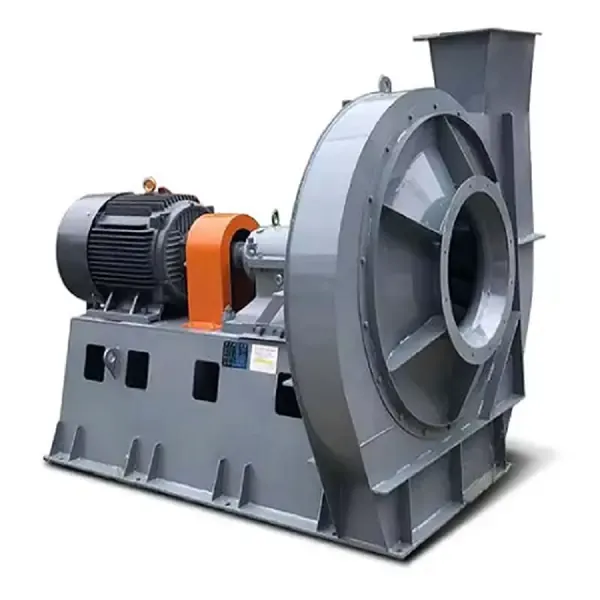
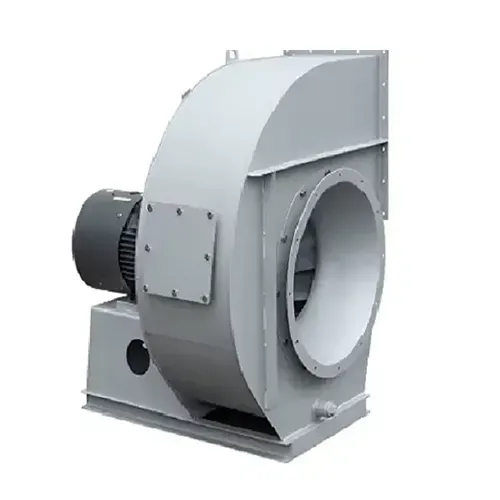
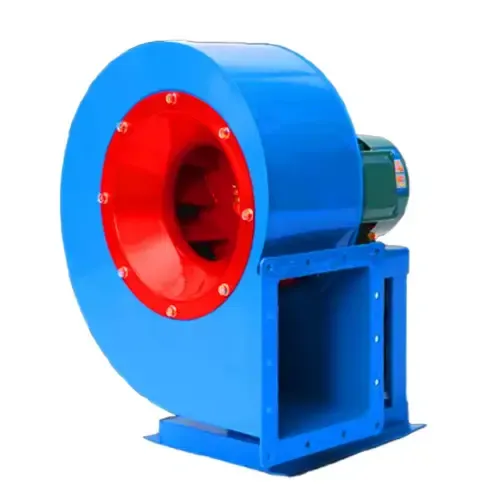
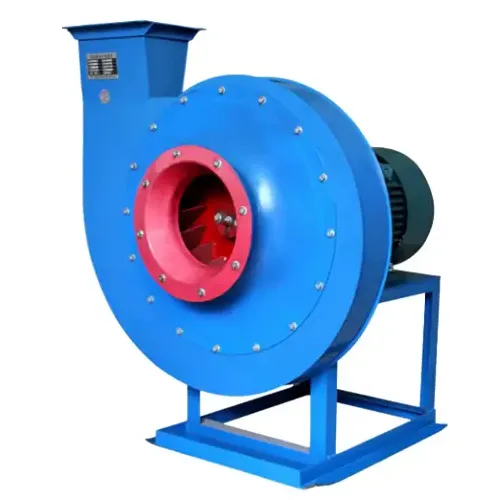
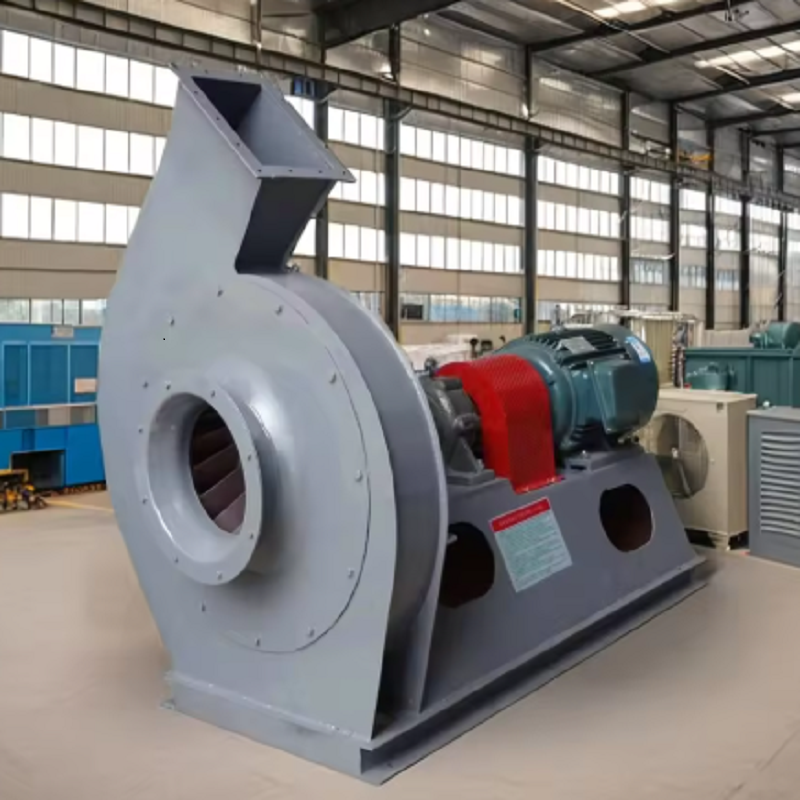
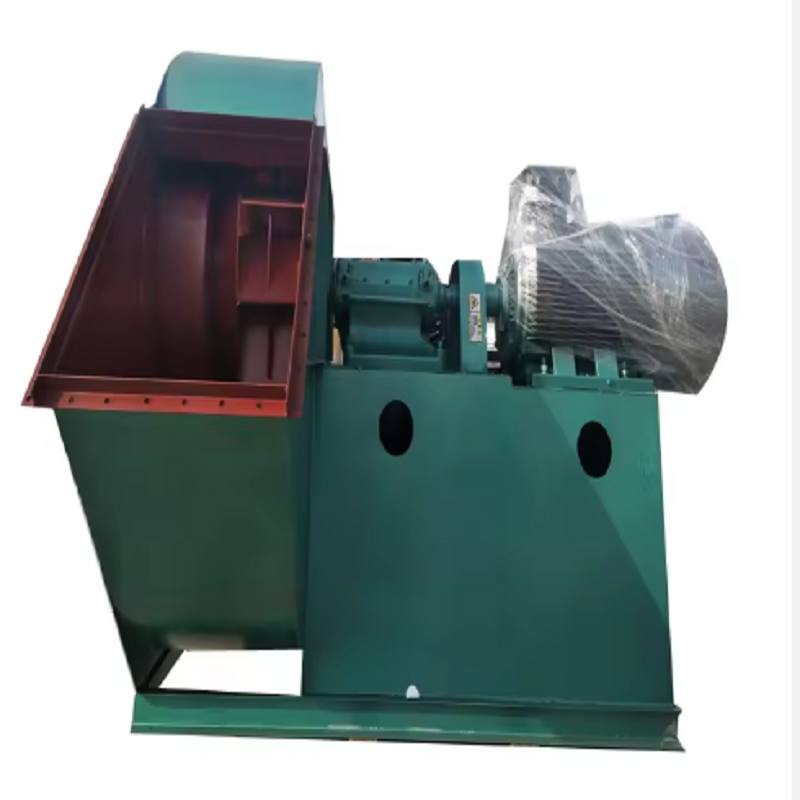
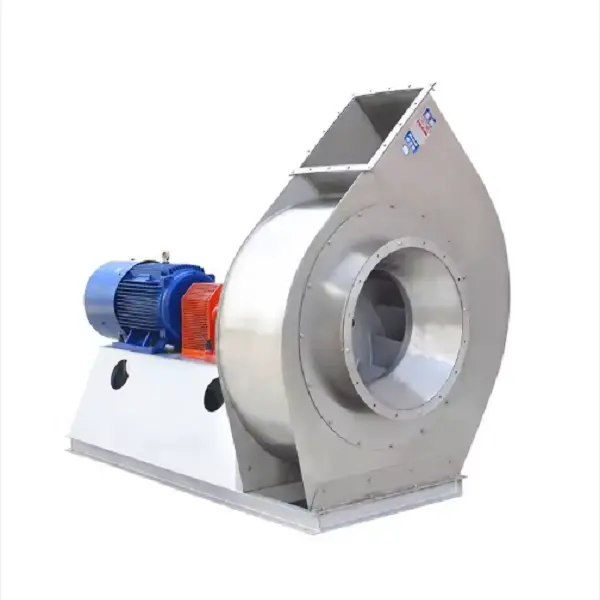
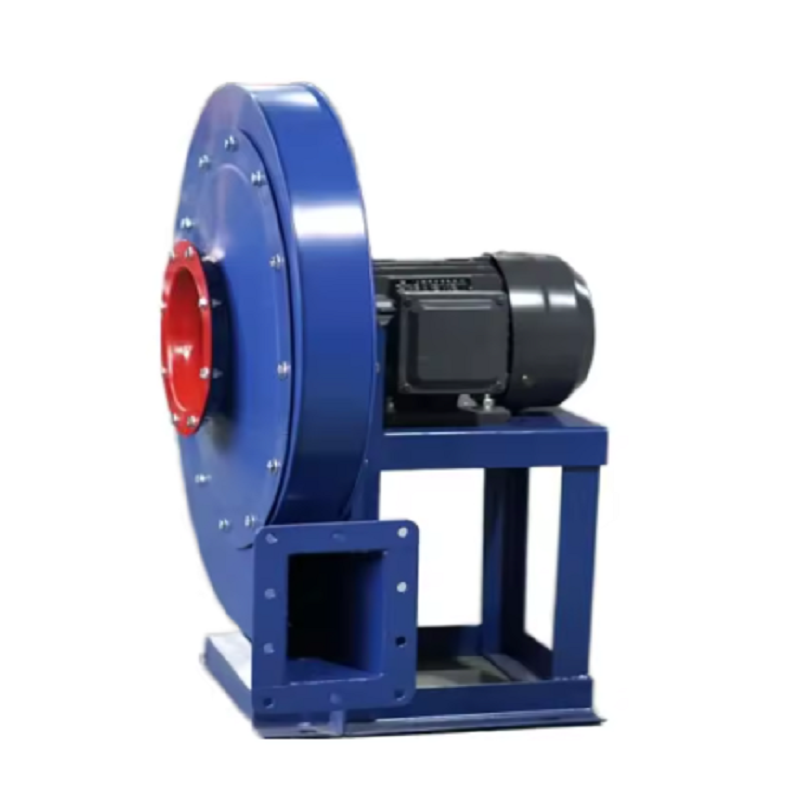
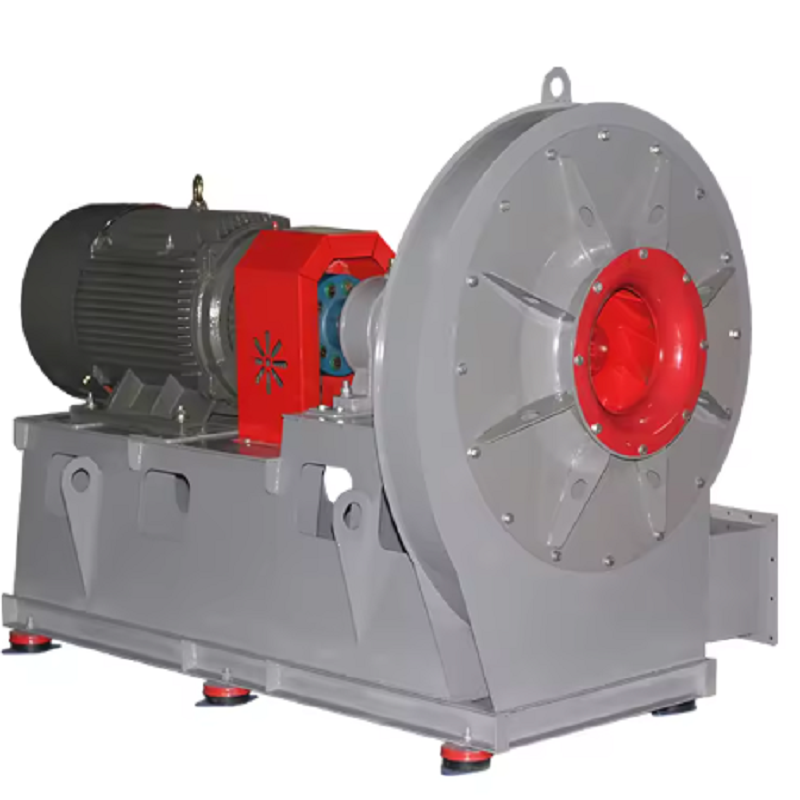
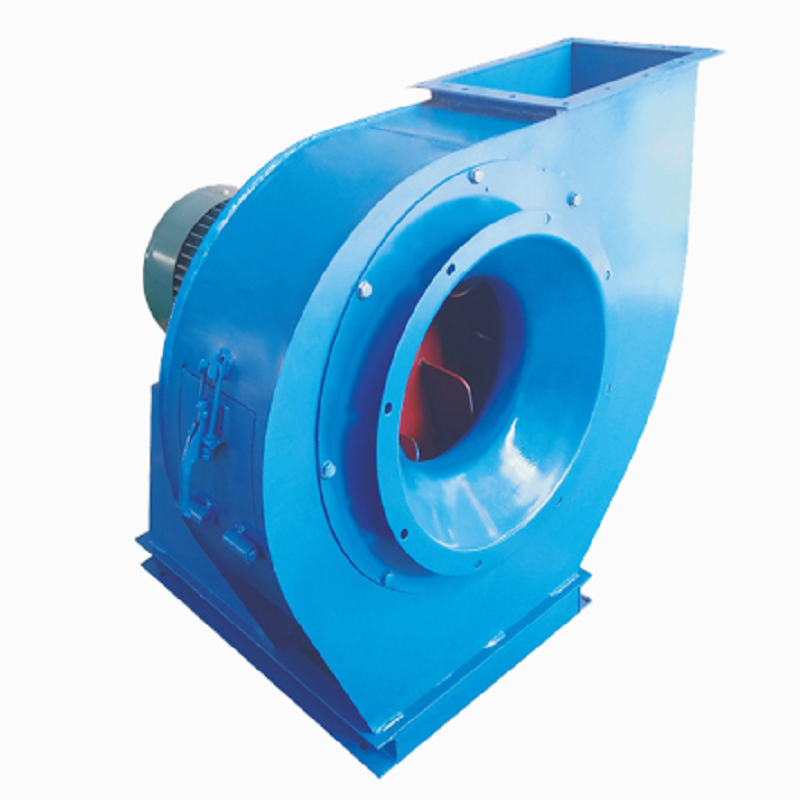
A forward curved centrifugal fan uses an impeller with many small blades that “curve forward” in the direction of rotation. That blade shape tends to produce high airflow at relatively low to medium static pressure, which is exactly why you see it in compact HVAC equipment, air handling units, general building ventilation, and clean-air industrial ventilation where space is limited.

The trade-off is that forward curved designs can be less forgiving when the system pressure changes. In many applications, as airflow increases, the required power can also rise quickly. That means the “same fan” can behave very differently depending on duct losses, filter loading, damper position, and how well the inlet/outlet transitions are designed.

If your application is mostly about moving big volumes of air smoothly—without needing very high pressure—a Forward Curved Centrifugal Fan is often a strong fit. If your application needs consistently high static pressure, abrasive dust, or harsh chemical exposure, you’ll want to be extra careful with material selection, protection measures, and the duty point.


— SECTION 2 —

Common Customer Pain Points and What Causes Them

Most “fan disappointments” aren’t because the technology is bad—they happen because a fan was chosen based on the wrong assumptions. Below are the pain points buyers mention most often, plus the typical root cause.

Pain Point You Feel What’s Usually Behind It Fix That Actually Helps
“It’s louder than the datasheet suggested.” Air turbulence from poor inlet/outlet transitions, vibration from alignment/balance issues, or operating far from the best efficiency region. Improve inlet conditions (straight run, inlet cone), add flexible connectors, use vibration isolation, and size closer to the duty point.
“The motor trips / amps run high.” Overload risk from operating at higher airflow than expected, incorrect motor sizing, or changes in system resistance. Confirm system curve, set a safe operating range, consider speed control limits, and size the motor with margin for real conditions.
“Airflow drops after a few months.” Filter loading, impeller fouling (grease/dust), belt slip, or damper drift. Plan maintenance intervals, add inspection ports, use appropriate filtration, and verify drive tension/alignment.
“Energy costs are creeping up.” Uncontrolled throttling (dampers), fan running faster than needed, leaks in ducts, or operation far from efficient region. Use speed control where appropriate, seal duct leaks, and select a fan that matches required airflow and pressure more closely.
“Vibration is damaging bearings or ducts.” Imbalance from buildup, mounting resonance, misalignment, or inadequate base stiffness. Improve base/structure, ensure proper balancing, add isolation, and keep impeller clean in dirty air streams.
“Corrosion showed up too fast.” Material mismatch for humidity/chemistry, coating not suitable, or condensate management issues. Choose the right material/coating, manage drainage/condensation, and define the gas composition and temperature clearly.

— SECTION 3 —

Selection Checklist for Buyers

If you’re buying a Forward Curved Centrifugal Fan, you’ll save time and reduce risk by treating selection like a short engineering checklist. This doesn’t require advanced modeling—just clarity.

Buyer checklist (copy/paste friendly):

  • Target airflow: required volume flow (and allowable range, not just a single number).
  • Static pressure: expected total system resistance at the duty point.
  • Air conditions: temperature, humidity, dust loading, oil mist, or corrosive components.
  • Installation limits: footprint, inlet orientation, outlet direction, access for maintenance.
  • Noise limits: where the fan sits (near people, near walls, on a roof, inside equipment).
  • Control method: constant speed, speed control, or dampers—and any required operating range.
  • Power constraints: voltage/frequency, motor efficiency expectations, and protection requirements.
  • Reliability goals: duty cycle, expected runtime per day, and service access.

— SECTION 4 —

Sizing Basics: Airflow, Pressure, and Why “Close Enough” Fails

Here’s the uncomfortable truth: “We need a high-airflow fan” is not a specification. The fan doesn’t work against your wish—it works against your system resistance. That resistance changes when filters load, when dampers move, when ducts accumulate dust, or when a line adds another branch.

To reduce surprises, define a duty point (airflow + static pressure) and a safe operating window (minimum and maximum). If your real operating point drifts too far from where the fan performs best, you can get noise, wasted energy, or overload.

Practical sizing advice: 1) Ask for performance at the duty point and nearby points (not only the “best-case” line). 2) Confirm the motor has margin for your maximum expected airflow. 3) Don’t ignore inlet/outlet conditions—bad transitions can behave like “hidden pressure losses” that steal airflow.

If your team is collecting requirements for a purchase, write your spec like this: “We need X airflow at Y static pressure, with airflow adjustable within a defined range while staying below a defined current limit.” That single sentence prevents a lot of expensive rework.


— SECTION 5 —

Noise Control That Works in Real Installations

Noise is rarely solved by one magic accessory. It’s usually a combination of aerodynamic noise (air turbulence) and mechanical noise (vibration). The good news: both are manageable if you plan for them early.

Aerodynamic noise reducers:

  • Keep the inlet as smooth as possible: avoid tight elbows right at the inlet and reduce sudden area changes.
  • Operate near the intended duty point: extreme off-design operation often increases turbulence.
  • Use appropriate duct velocities: pushing too much air through undersized ducts can be loud even with a “quiet” fan.

Mechanical noise reducers:

  • Add vibration isolation (pads or springs) and use flexible connectors on duct connections.
  • Ensure stiff mounting and proper alignment—especially for belt-driven setups.
  • Plan access for cleaning: buildup on the impeller can create imbalance that becomes a noise source over time.

If you have strict acoustic requirements, specify the measurement context (distance, environment, and operating point). Otherwise, you can end up comparing numbers that were measured under completely different conditions.


— SECTION 6 —

Reliability and Maintenance Planning

Forward Curved Centrifugal Fan

The fastest way to “lose” performance is to treat a fan as a set-and-forget component in a dirty air stream. Reliability improves when you plan simple inspection routines and choose a configuration that matches your environment.

Maintenance is easier when you design for it: include inspection access, allow clearance for impeller removal, and keep critical parts reachable without dismantling half the ductwork.

Maintenance Item What to Look For Typical Rhythm (adjust to your process)
Impeller cleanliness Dust/grease buildup, uneven deposits, rubbing marks Monthly in dirty air; quarterly in clean HVAC air
Bearings and lubrication Temperature rise, abnormal sound, grease condition Quarterly checks; follow bearing supplier guidance
Drive system (if belt-driven) Belt wear, tension, pulley alignment Monthly quick check; replace based on wear
Fasteners and mounting Loosening, base cracks, resonance signs Quarterly, or after the first month post-installation
Electrical protection Overcurrent events, abnormal starts, control stability Monthly review for continuous-duty lines

— SECTION 7 —

What to Send Your Supplier to Get the Right Fan

Most project delays happen because the supplier doesn’t have enough information to select a safe operating range and an appropriate build. If you send a clear “fan brief,” you’ll get better recommendations and fewer change orders later.

Here’s a practical information pack you can send to any supplier (and yes—this works whether you’re buying one unit or a batch):

  • Duty point: airflow and static pressure, plus a min/max operating window.
  • Air stream details: temperature range, humidity, particulate type/size, sticky or oily contaminants, corrosion concerns.
  • Installation: inlet/outlet orientation, connection sizes, available straight runs, and whether space is constrained.
  • Controls: constant speed vs. speed control, any required response behavior (steady pressure, steady airflow, etc.).
  • Noise expectations: the space type (office-adjacent, rooftop, workshop) and any site constraints.
  • Power: voltage, frequency, site protection requirements, and any preferred motor standards.
  • Compliance needs: any special requirements for your facility (e.g., high temperature, special coatings, or hazardous-area considerations).

If you’re working with Hebei Ketong Environmental Protection Equipment Co., Ltd., you can use the same pack above to speed up selection discussions. A good supplier will confirm your duty point, flag overload risks, and recommend practical installation adjustments—not just send a generic catalog page.


— FAQ —

FAQ

Q: When is a forward curved centrifugal fan a better choice than other fan types?

A: It’s often a good fit when you need high airflow in a compact space and your system static pressure is low to medium, such as many HVAC and general ventilation setups. If you need consistently high pressure or deal with heavy abrasive dust, you’ll want to review alternatives or specify protective design details.

Q: Why do some installations see motor overload after commissioning?

A: Overload usually happens when the real airflow is higher than expected (less system resistance than assumed), or when operating conditions changed (different duct layout, damper settings, or filters). Prevent it by specifying a safe operating window and confirming motor margin at the maximum expected airflow.

Q: What’s the quickest way to reduce noise without rebuilding the whole system?

A: Start with the basics: improve inlet/outlet transitions, add flexible connectors, and ensure vibration isolation is installed correctly. Then confirm you’re operating near the intended duty point. If the fan is forced far off-design, noise reduction add-ons may only help marginally.

Q: Can speed control help lower operating costs?

A: In many variable-demand systems, yes—because you can match airflow to real needs instead of throttling with dampers. The key is to define a controlled range and ensure the fan and motor remain stable and protected across that range.

Q: What information is most important for an accurate quotation?

A: Your duty point (airflow + static pressure), air temperature and contaminants, installation orientation/space constraints, and your control method. If any of those are unclear, the quote may be “technically correct” but risky in real operation.

Q: How do I prevent airflow decline over time?

A: Plan for filter loading and impeller fouling. Build access for inspection/cleaning, keep ducts sealed, and set a maintenance rhythm that matches how dirty your air stream is. In many cases, a simple cleaning routine restores performance quickly.


— CONCLUSION —

Conclusion and Next Step

A Forward Curved Centrifugal Fan can be a smart, compact solution for high-airflow ventilation—if you size it to the real duty point, protect against overload, and plan for noise and maintenance in the installation details. The best purchases come from clear operating requirements, not from guessing based on “similar projects.”

If you want a faster, cleaner selection process, send your duty point and air conditions and ask for a recommended operating window, motor margin guidance, and installation notes. When you’re ready to move from “maybe” to a fan that performs in the field, contact us and share your project details—we’ll help you narrow it down quickly and confidently.

Related News
Leave me a message
X
We use cookies to offer you a better browsing experience, analyze site traffic and personalize content. By using this site, you agree to our use of cookies. Privacy Policy
Reject Accept