News

5 Costly Mistakes When Choosing High Pressure Centrifugal Fans

2026-05-29 0 Leave me a message

Introduction

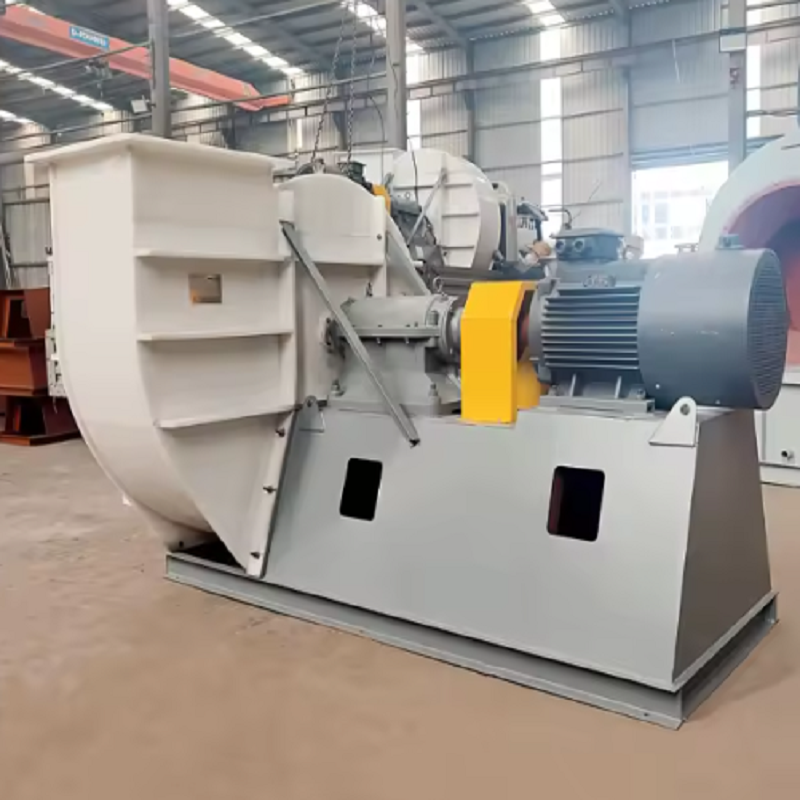
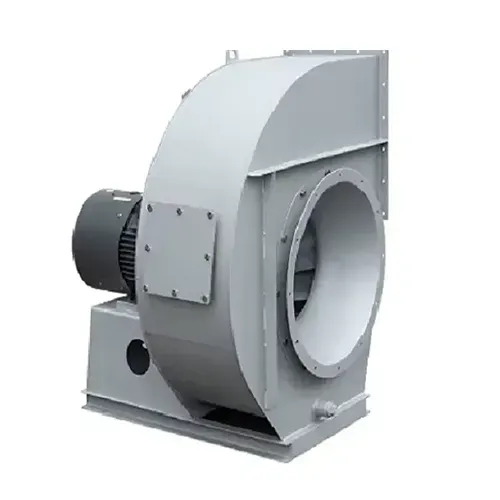
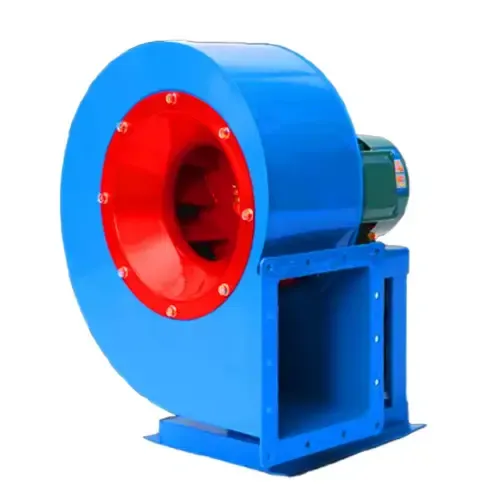
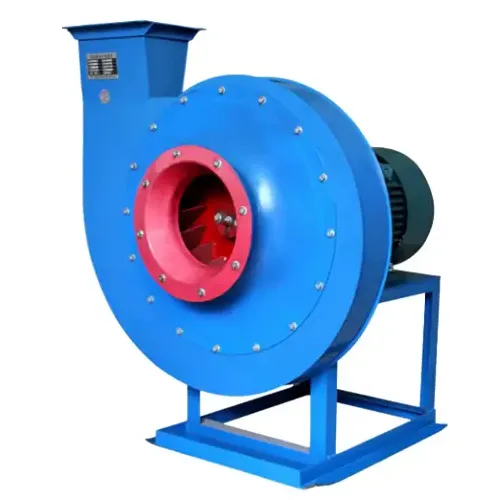
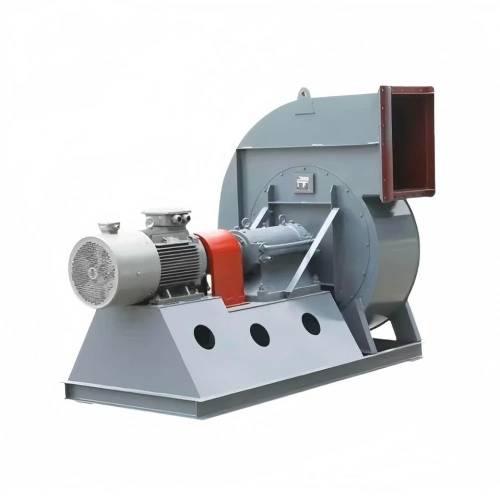
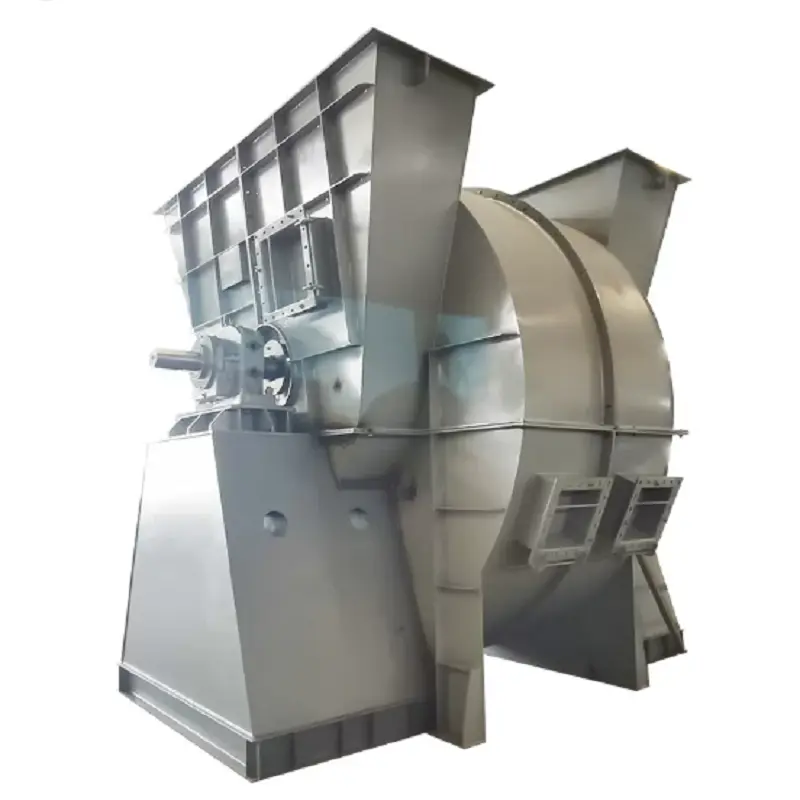
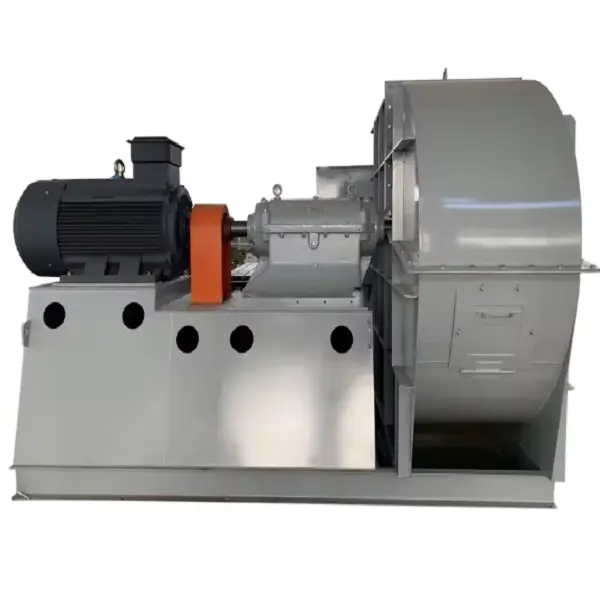
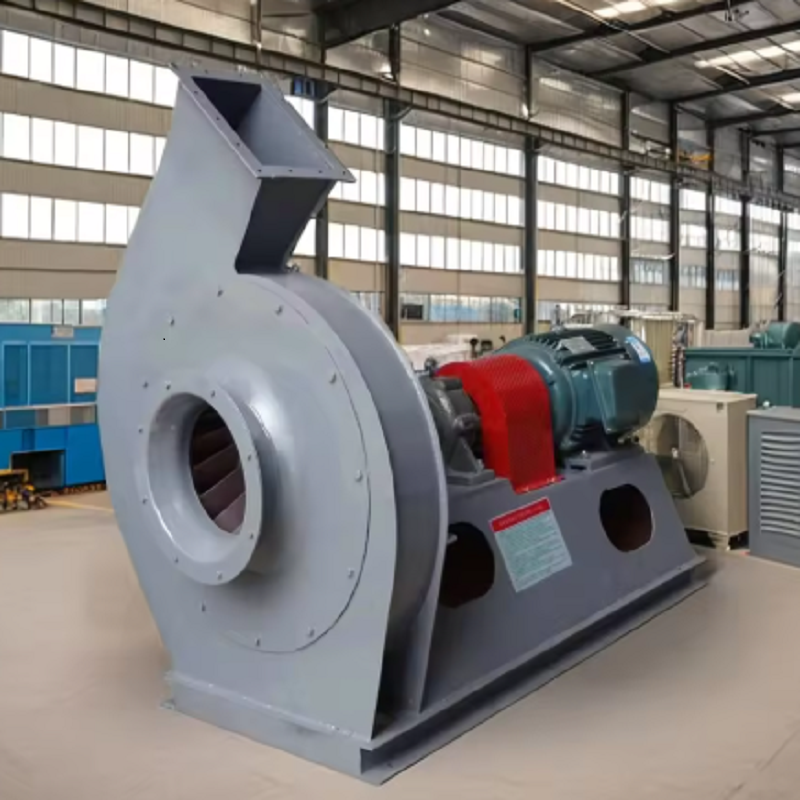
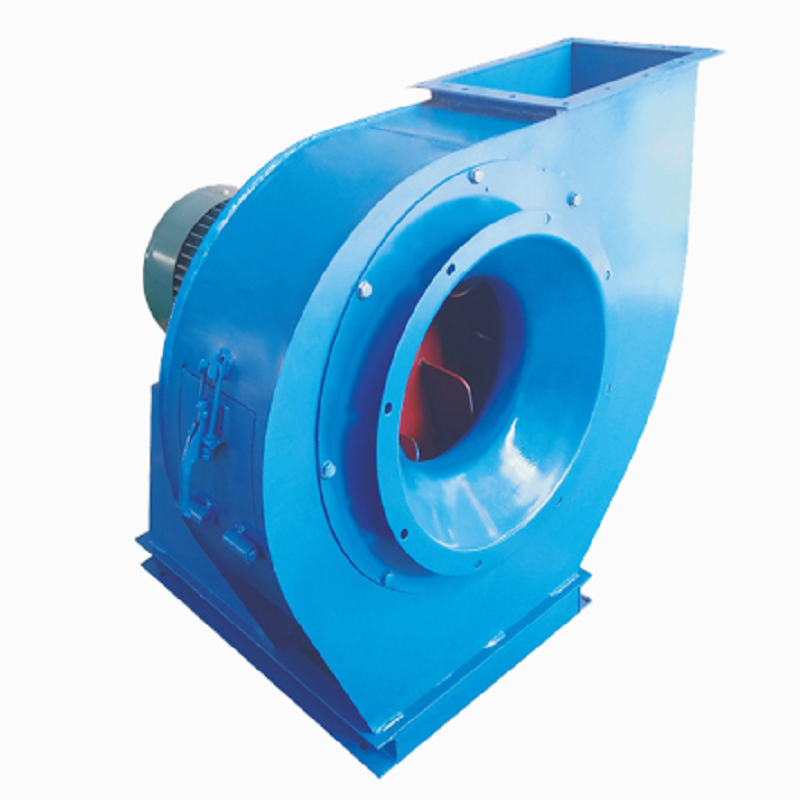
High pressure centrifugal fans are widely used across cement, metalworking, chemical and environmental industries, supporting ventilation, dust removal, material transport and hot gas exhaust. Picking a suitable model directly affects your line efficiency, power bills and overall equipment service life. Yet many buyers run into preventable issues when sourcing fans. Industry experience shows around 90% of purchasers have made at least one of these errors. Learning to spot them will help you cut extra costs and keep your systems running reliably long-term.

Focusing Only on Air Volume While Ignoring System Pressure 

A top mistake many buyers make is choosing a fan by airflow alone. It’s easy to think higher air volume equals better performance, but insufficient static pressure is usually the main cause of poor system operation. High pressure centrifugal fans are built to handle duct resistance, filters and complicated airflow routes. Low pressure will lead to weak airflow at pipe ends, lower dust removal efficiency, overloaded motors and unstable system running. Always calculate total system resistance carefully before purchase — take duct loss, filters, pipe bends, valves and working temperature fully into account.

Prioritizing Low Price Over Long-Term Value 

Budget matters, but going for the lowest-priced fan often costs you more in the long run. Cheap models typically come with low-quality impellers, standard bearings and thin casings. Though they cut upfront spending, they bring higher power use, loud vibration & noise, frequent repairs and a much shorter service life. For 24/7 industrial operations, efficiency and durability always beat a small price gap. A well-built high-pressure fan will slash your downtime and power expenses year after year.

Neglecting Actual Working Environment Conditions 

Factory working conditions vary greatly. Temperature, moisture, heavy dust and corrosive fumes all decide which fan materials and designs you need. Many buyers simply pick standard units without checking their on-site environment first. High heat applications demand heat-resistant components, corrosive gas environments require stainless steel or anti-rust coating, dusty workshops need wear-resistant impellers, and hazardous areas must use explosion-proof motors. A mismatched unit will break down fast and create safety hazards. Reliable manufacturers can deliver fully customized solutions to match your exact working conditions.

Overlooking Energy Efficiency and Lifecycle Costs 

Most buyers underestimate how much power industrial fans consume. They are one of the biggest power loads on production lines. A poorly matched fan will never run at peak efficiency, wasting electricity nonstop. Today’s high-pressure centrifugal fans feature optimized impellers and VFD systems to deliver far better energy performance. When comparing options, look beyond the tag price: review total lifecycle cost, motor rating, fan efficiency curve, maintenance needs and future production expansion plans. A modest extra cost at purchase will bring big power savings down the line.

Choosing Suppliers Without Professional Technical Support

Not all fan suppliers have solid engineering capabilities. Some only sell standard catalogue products, with no analysis of your unique system demands. This often leads to wrong fan selection and operational troubles after installation. Trusted manufacturers will offer full support: professional airflow calculation, system matching advice, custom design, installation guidance and ongoing after-sales service. A centrifugal fan is more than a standalone product; it is a key part of your overall airflow system. Partnering with an experienced manufacturer guarantees stable performance, higher efficiency and long-term reliability.

Conclusion

Selecting a high pressure centrifugal fan is never a simple purchase based on price or basic parameters alone. Most operational failures, high energy consumption, and frequent equipment maintenance stem from the five common selection mistakes above. Professional fan selection requires comprehensive consideration of system pressure, actual working conditions, long-term energy efficiency, and reliable supplier technical capabilities. By avoiding impulsive, experience-based purchasing decisions and focusing on overall system matching and lifecycle value, factories can maintain stable production, reduce operating and maintenance costs, and maximize the return on investment of ventilation and dust removal equipment in the long run.


Related News
Leave me a message
X
We use cookies to offer you a better browsing experience, analyze site traffic and personalize content. By using this site, you agree to our use of cookies. Privacy Policy
Reject Accept