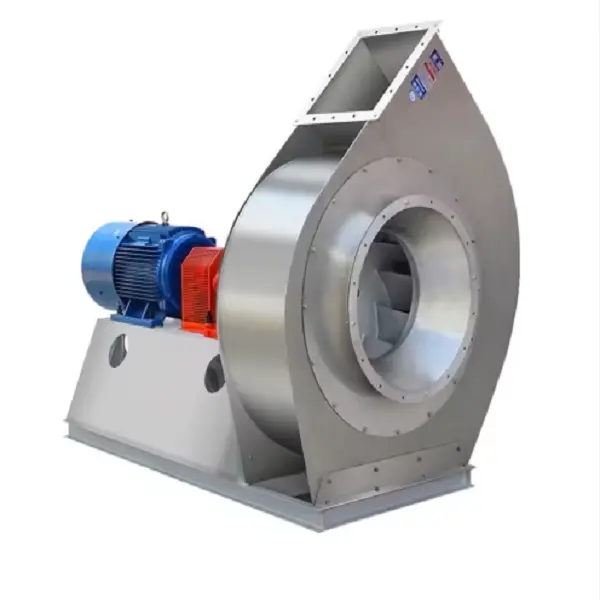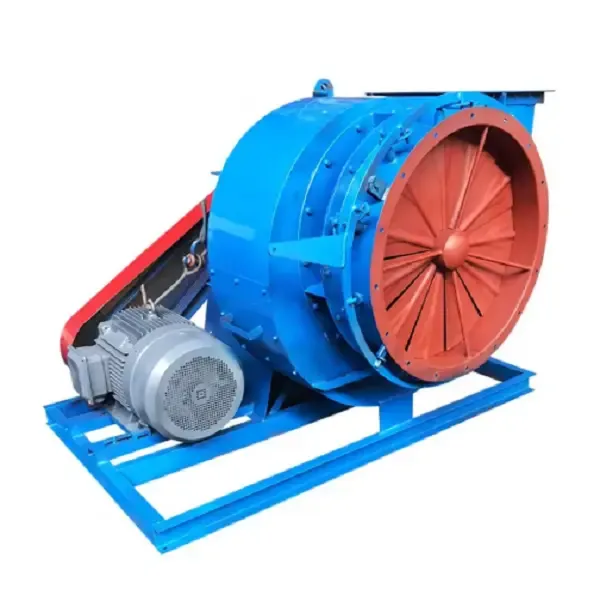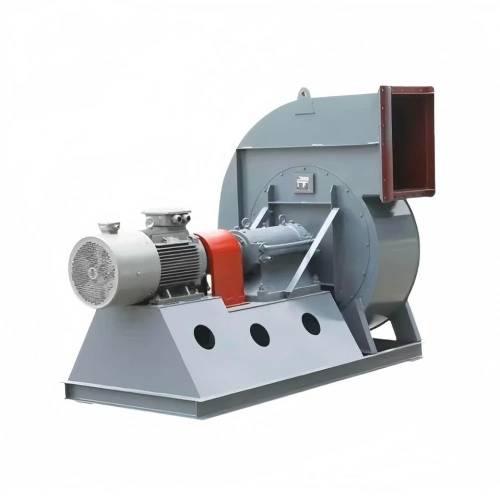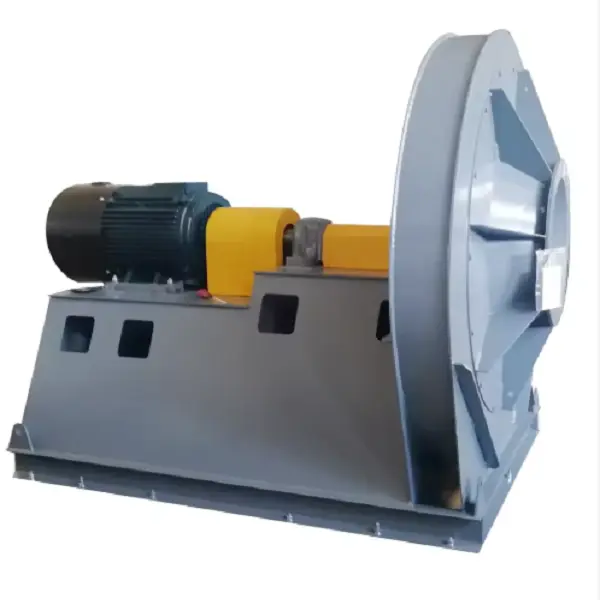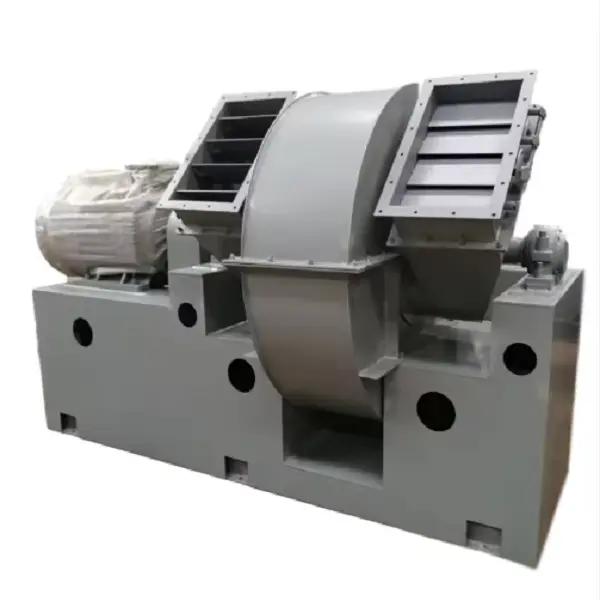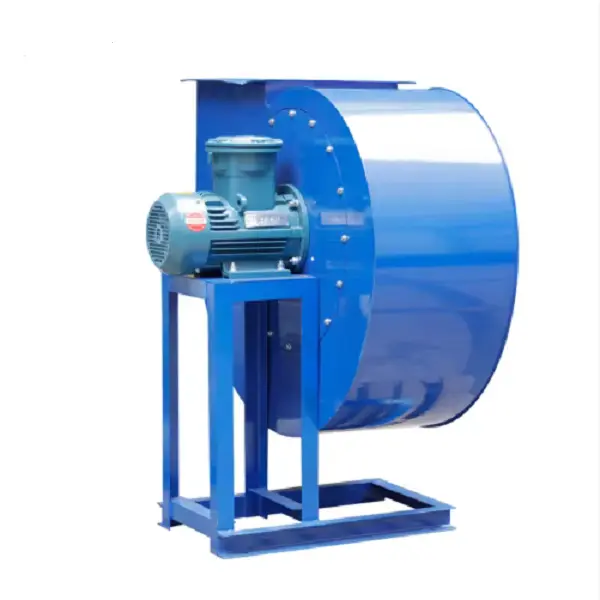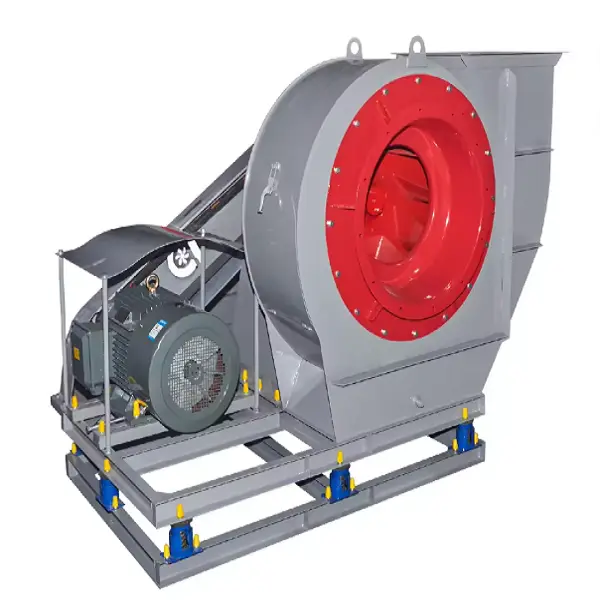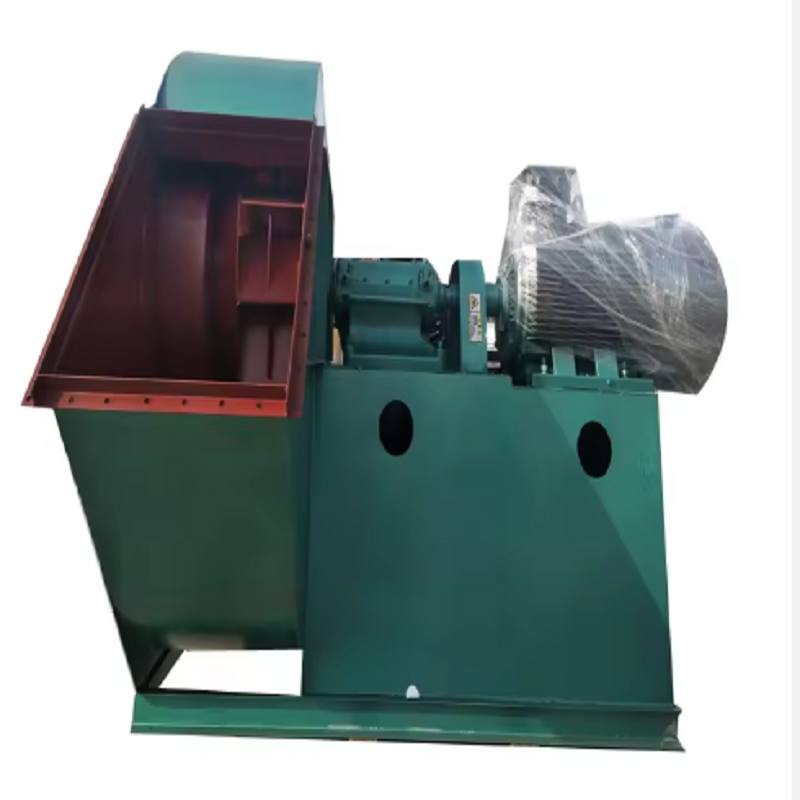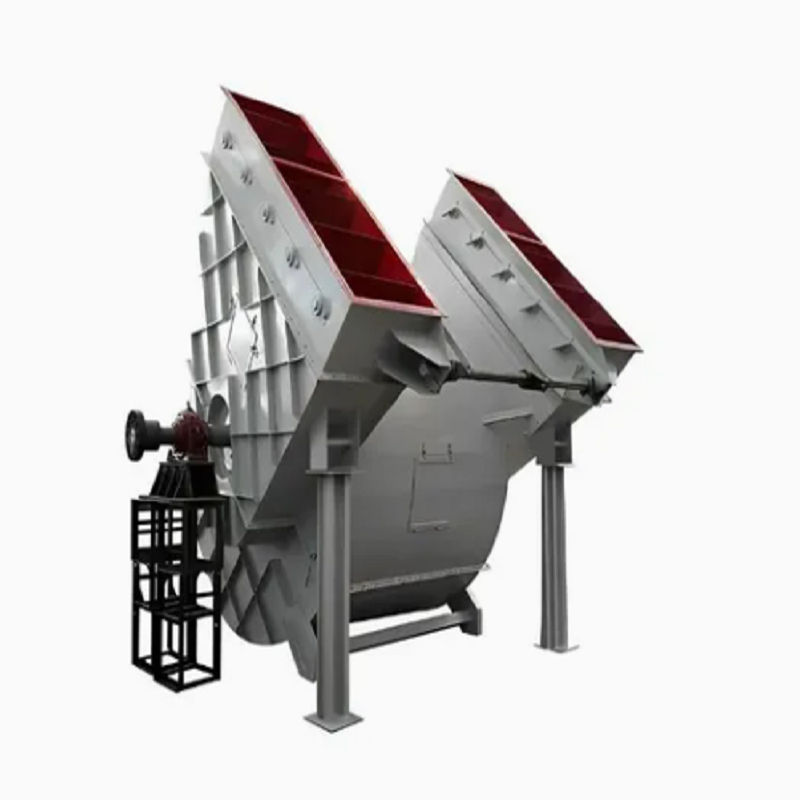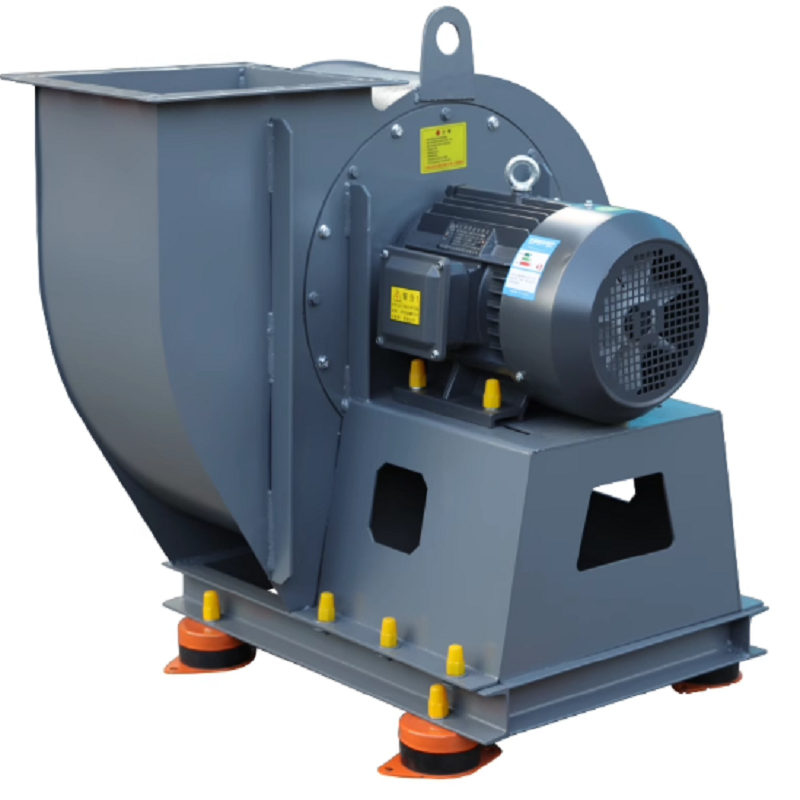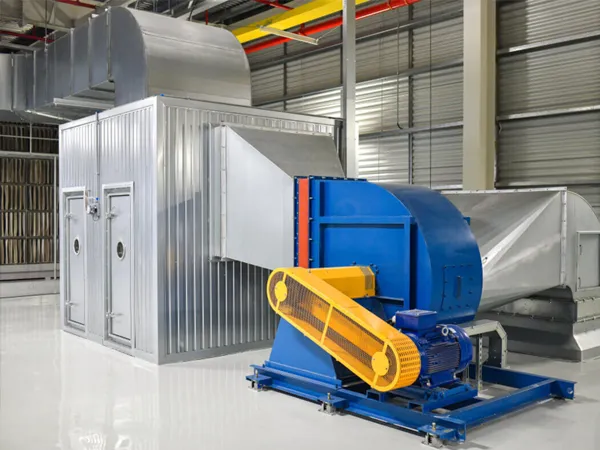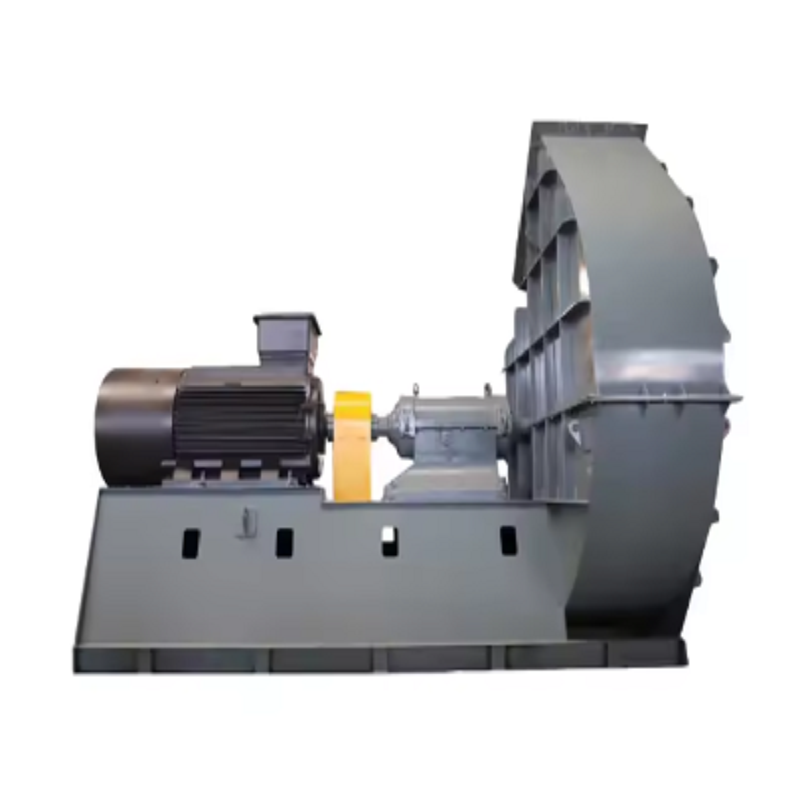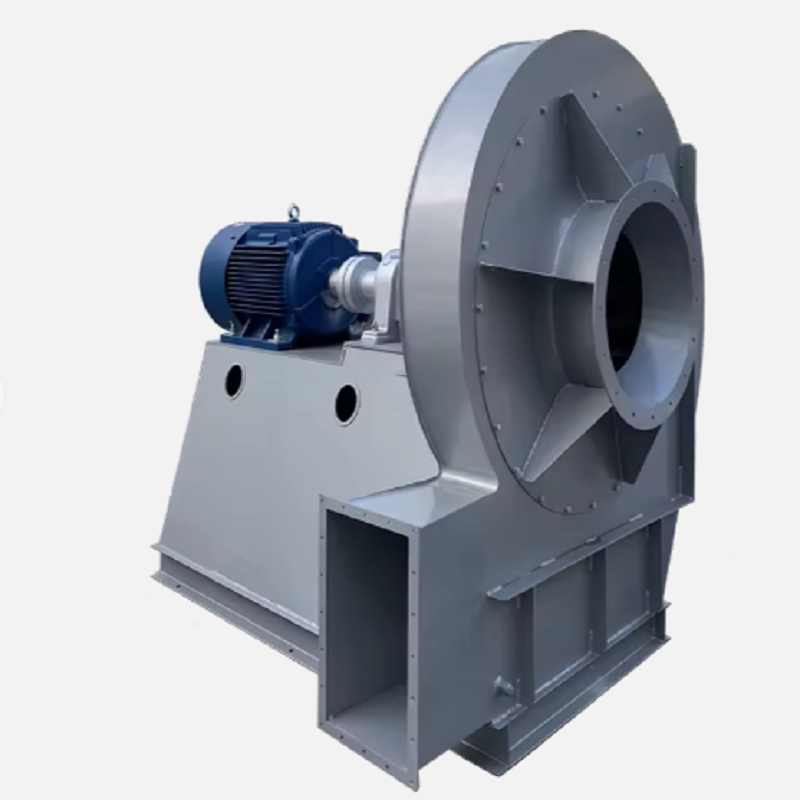
High Pressure Forward Curved Centrifugal Fans are core ventilation and gas conveying equipment in industrial production, factory ventilation, kitchen exhaust, and pneumatic conveying applications. Industrial fans, represented by the Hebei Ketong LP73 series, boast core advantages such as large air volume, high static pressure, low noise, and stable operation. They can achieve a maximum total pressure of 3000Pa and an operating efficiency of 88%, making them suitable for various high-resistance ventilation systems and widely used in industrial and mining enterprises, manufacturing workshops, and commercial exhaust systems.
High Pressure Forward Curved Centrifugal Fans operate continuously in complex environments. Dust, airflow impact, and equipment wear can easily lead to performance degradation, increased energy consumption, and frequent malfunctions. Industry experts state that standardized and routine maintenance is key to ensuring stable fan operation, extending equipment lifespan, and reducing enterprise production costs. Combining industry operation and maintenance standards with the characteristics of this series of fans, a standardized, tiered equipment maintenance plan can comprehensively improve the operational reliability of high-pressure forward-curved centrifugal fans.
Daily inspections are the first line of defense against sudden fan failures. A full-process inspection must be implemented before startup, during operation, and after shutdown, focusing on core operating parameters and appearance to ensure "early detection and early handling."
Before startup, a comprehensive inspection of the equipment's foundation structure and connecting components is required. Special attention should be paid to verifying the tightness of anchor bolts, casing, inlet and outlet flanges, and other fasteners to prevent vibration and air leakage caused by loose bolts. Simultaneously, the transmission system should be checked. For belt-driven models, ensure the belt tension is appropriate and there are no cracks or wear. For direct-drive models, verify the motor coaxiality to ensure smooth transmission. In addition, it is necessary to clean debris from the fan inlet and outlet, check the unobstructed air intake passage, and strictly confirm that the conveyed medium meets the equipment standards: only air and non-flammable, non-toxic, and non-corrosive gases are permitted; the medium temperature should not exceed 80℃; the dust and hard particle content should not exceed 150mg/m³; and gases containing sticky substances are prohibited from entering the equipment to avoid impeller and duct blockage and wear.
During equipment operation, a three-dimensional inspection method of "observation, listening, and measurement" should be adopted. Observe the parameters of the electrical control instruments; the operating current must be stable within the rated range to avoid overload operation; monitor the vibration status of the entire machine and eliminate abnormal amplitude fluctuations. Listen to the operating sound of the equipment; under normal operating conditions, the fan operates smoothly and evenly. If friction, impact, or abnormal noise occurs, immediately check for problems such as impeller rubbing against the casing and loose parts. At the same time, monitor the bearing and motor temperatures; the core temperature rise of the equipment should not exceed 40℃, and the maximum surface temperature should not exceed 75℃ to prevent high temperature burnout of the motor and damage to the bearings.
After shutdown, promptly clean the surface dust of the equipment and record the daily operating parameters, status, and any abnormalities to provide data support for subsequent maintenance and fault tracing.
Based on the structural characteristics and industrial operating conditions of the High Pressure Forward Curved Centrifugal Fan, the industry has established a standardized weekly, monthly, and quarterly tiered maintenance system to address common problems such as dust accumulation and blockage, lubrication failure, and component aging, ensuring stable 88% high-efficiency operation of the equipment.
Weekly maintenance focuses on dust removal and basic tightening. Clean the fan inlet filter and microporous filter cover weekly to prevent dust accumulation and blockage of the air duct, which can lead to reduced airflow and increased operating resistance. Tighten all connecting bolts on the machine body, check belt tension, and adjust any loose belts as needed to ensure transmission efficiency. Simultaneously, focus on cleaning the impeller blade gaps and internal channels to remove adhering dust and fine impurities, preventing uneven dust accumulation on the impeller that could cause dynamic imbalance and increased vibration.
Monthly maintenance focuses on the lubrication system and component wear inspection. Bearings are the core load-bearing components of the fan. The grease condition needs to be checked monthly, and rolling bearings should be replenished with special grease every 20 days, with the filling amount controlled to 1/3 to 1/2 of the bearing space. Too much or too little grease can cause overheating and wear problems. Simultaneously, inspect the casing, impeller, and inlet/outlet vents. For standard aluminum alloy components, check for wear marks. For customized stainless steel or fiberglass corrosion-resistant models, focus on checking the integrity of the anti-corrosion layer to prevent the spread of even slight corrosion. In addition, check the motor's operating status, wiring, and insulation performance to ensure stable operation of the explosion-proof and windproof motor.
Quarterly maintenance is a systematic and in-depth maintenance process requiring a complete overhaul after shutdown. Completely replace the bearing grease and clean impurities from the lubrication system. Thoroughly check the impeller's dynamic balance accuracy, and professionally clean and correct any slightly worn or fouled impellers to prevent long-term eccentric operation from accelerating equipment wear. Simultaneously, verify the overall energy consumption parameters, optimize the equipment's energy efficiency ratio, and repair any minor air leaks to ensure the fan's core performance of high static pressure and large air volume.
The operational stability of a High Pressure Forward Curved Centrifugal Fan hinges on four key components: the impeller, transmission system, motor, and casing. Targeted maintenance can effectively resolve frequently occurring faults in the industry.
The impeller, as the core of the fan's operation, is constantly exposed to airflow and dust, making it prone to dust accumulation, wear, and imbalance. Regular deep cleaning of the blades and flow channels is necessary during maintenance. Scratching the blade surfaces with hard objects should be avoided to prevent damage and ensure optimal aerodynamic performance. If the equipment is used in humid or slightly corrosive conditions, regular anti-corrosion maintenance of the impeller is required to slow down component aging and prevent impeller deformation or damage that could lead to a decrease in airflow and pressure.
The transmission system, available in belt-driven and direct-drive modes, is crucial for power transmission. For belt-driven models, regular inspection of belt wear and aging is necessary. Replace the belt immediately if cracks, loosening, or slippage are observed. During replacement, ensure the belt is coaxial to avoid uneven stress and accelerated wear. For direct-drive models, focus on checking the coupling tightness and coaxial accuracy to prevent operational misalignment that could cause vibration and abnormal noise. Motors and sealing components require routine protection. The windproof motors used with fans must have unobstructed heat dissipation channels, and dust on the motor heat sinks should be cleaned regularly to prevent overheating and overload due to poor heat dissipation. The casing and inlet/outlet gaskets must be inspected regularly; aged or damaged gaskets should be replaced immediately to prevent air leakage, reduced ventilation efficiency, and impact on the operation of high-resistance systems.
During continuous operation, industrial fans are prone to common faults such as abnormal noise and vibration, insufficient airflow, and excessive temperature. Industry standard handling methods can quickly stop the damage. When abnormal vibration or noise occurs, immediately stop the machine and check for impeller dust accumulation and imbalance, loose bolts, and worn bearings. Do not operate with faults. When insufficient airflow or pressure occurs, prioritize cleaning the filter and impeller to remove blockages, and check for leaks in the air duct and belt slippage. When the motor temperature rises abnormally, immediately stop the machine and disconnect the power, checking for overload, poor heat dissipation, and lubrication failure. Repair and reposition the machine after it has cooled down.
Meanwhile, maintenance must strictly adhere to industry safety regulations and equipment prohibitions. All cleaning, inspection, and maintenance work must be carried out after power is cut off and warning signs are posted; live work is strictly prohibited. Operation under excessive temperature or medium conditions is strictly prohibited, as is the conveying of excessive dust, sticky, or corrosive gases to avoid irreversible damage to the equipment. Unauthorized modification of impeller and pulley specifications is prohibited to prevent equipment speed and air pressure imbalances, which can lead to safety malfunctions and reduced energy efficiency.
Improvement Current industrial production demands increasingly higher stability and energy efficiency from ventilation equipment. High Pressure Forward Curved Centrifugal Fans, as core equipment for industrial ventilation, pneumatic conveying, and smoke and dust removal, are directly affected by the quality of their operation and maintenance, impacting production line efficiency and costs. Industry operation and maintenance experts point out that compared to post-failure repairs, routine, refined, and tiered maintenance can effectively preserve the fan's advantages of high static pressure, high efficiency, and low energy consumption, significantly reducing equipment failure rates, extending the overall lifespan of the machine, and reducing equipment replacement and downtime costs for enterprises.
For fan equipment used in different application scenarios such as manufacturing plants and commercial kitchens, enterprises can adjust the maintenance cycle and maintenance focus according to the actual working conditions, strictly follow the media usage standards and component maintenance specifications, so that the fan equipment can continuously maintain the optimal operating condition and safeguard the efficient, stable and safe production of industry.