News

How to Choose a High-Efficiency Energy-Saving Centrifugal Fan: A Professional Selection Guide for Type F Centrifugal Fan

2026-06-24 0 Leave me a message

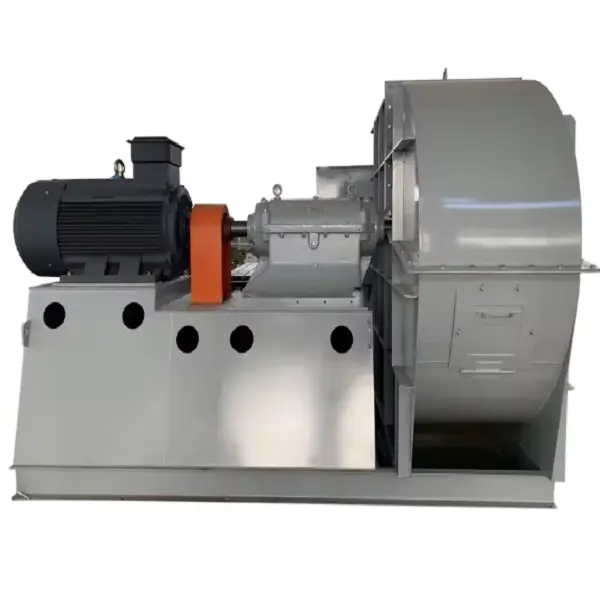
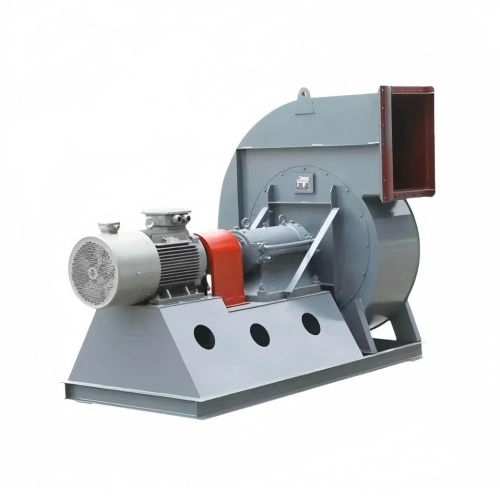
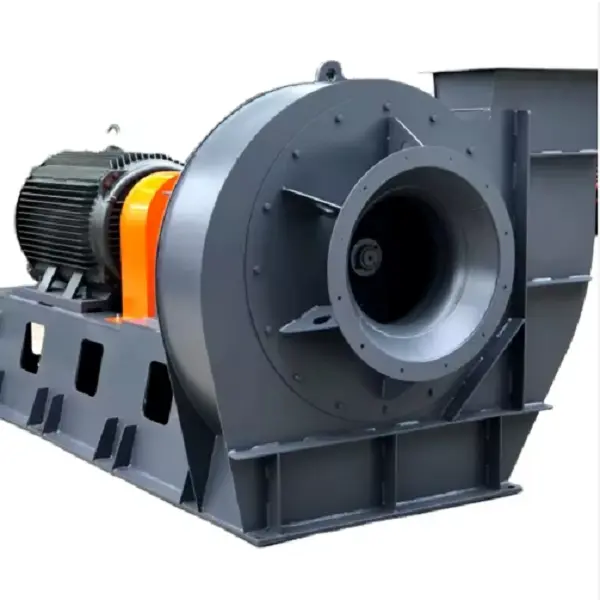
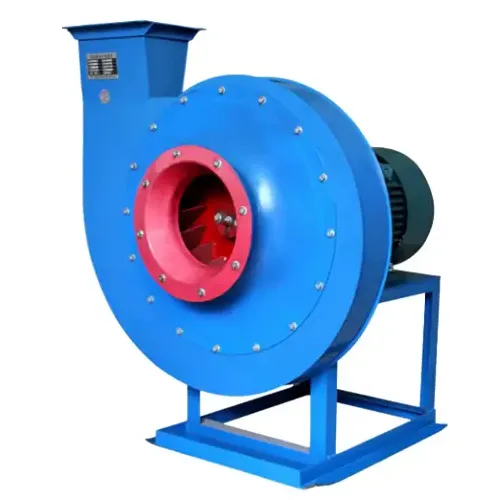
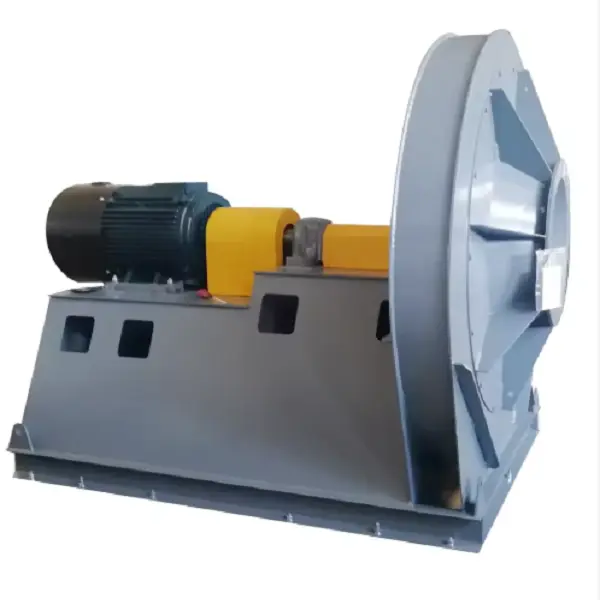
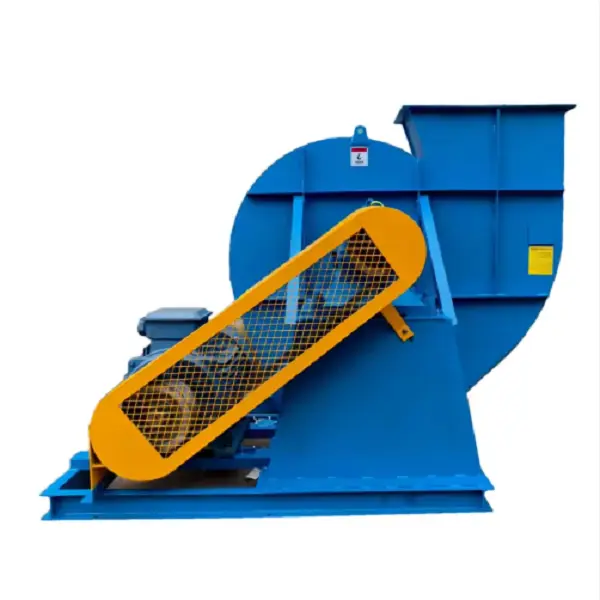
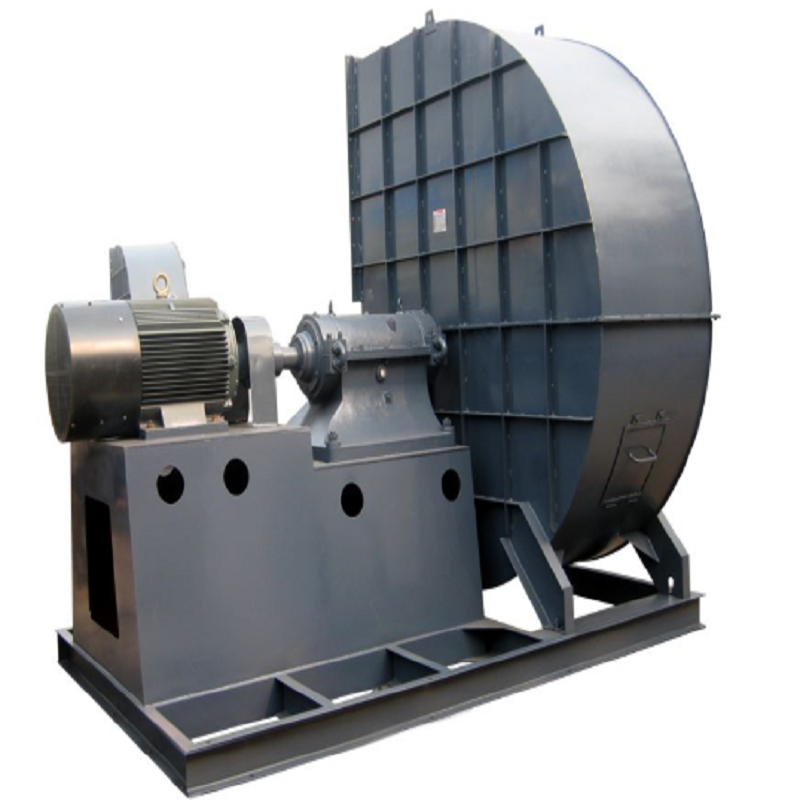
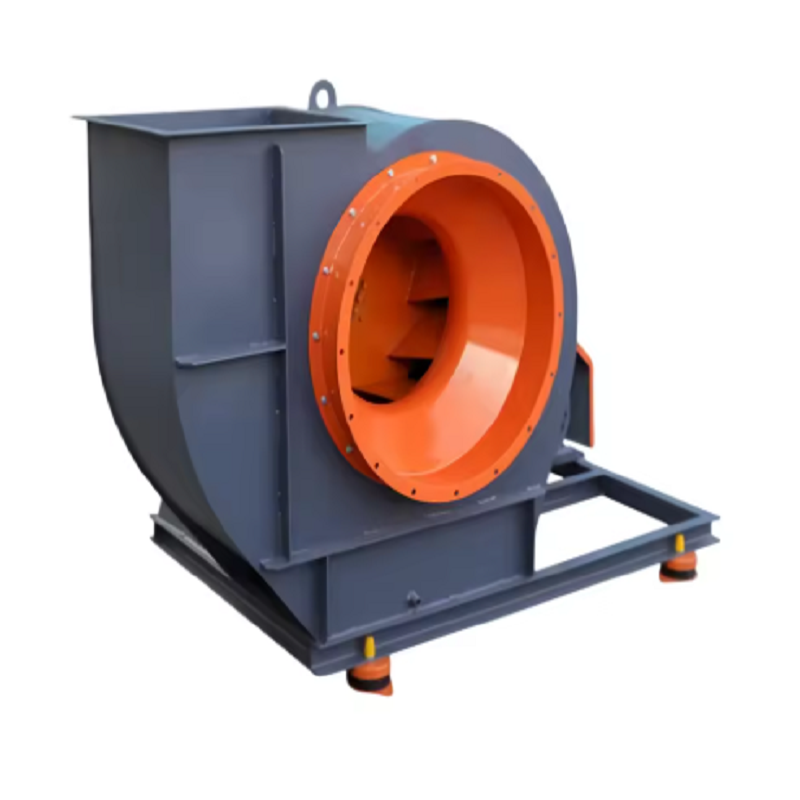
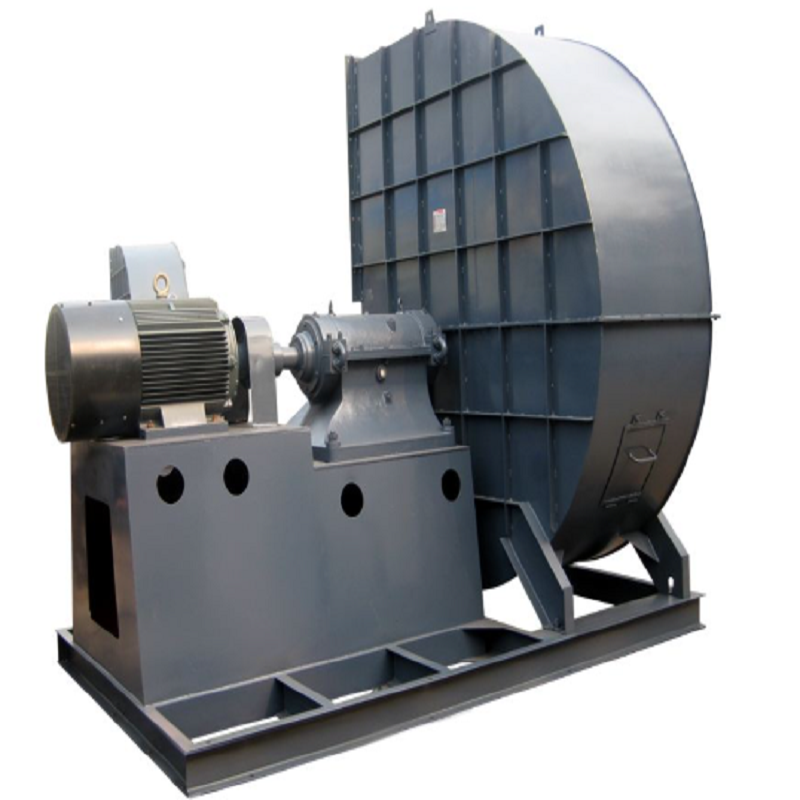
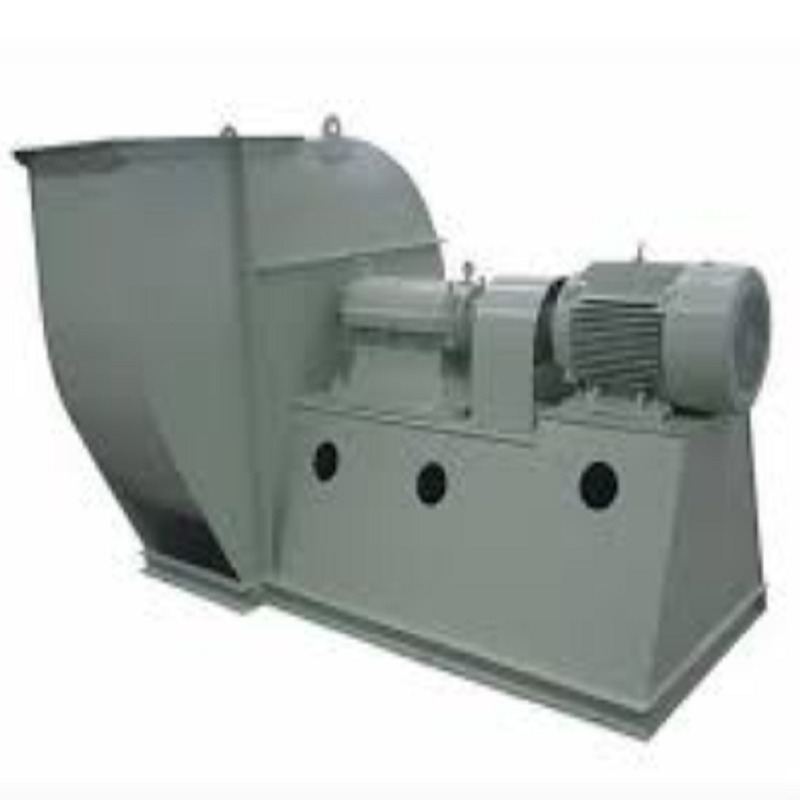
In modern industrial ventilation and air handling projects, energy efficiency has become a defining factor in equipment selection. Among various solutions available on the market, the Type F Centrifugal Fan stands out due to its stable performance, wide operating range, and strong adaptability to energy-saving system designs. When engineers evaluate system configurations, the Type F Centrifugal Fan is frequently considered a benchmark for balancing airflow performance and long-term operational cost.


A correct selection process always begins with accurate system parameter definition, including airflow volume, static pressure, and duct resistance characteristics. In many real-world cases, inefficiency does not come from the equipment itself but from incorrect initial assumptions. For example, in a food packaging facility ventilation upgrade project, the original system was designed without fully accounting for duct friction losses, causing the fan to operate far from its optimal efficiency point. After recalculation and redesign, a properly sized Type F Centrifugal Fan was installed. Once the Type F Centrifugal Fan operated closer to its best efficiency zone, the system achieved significantly lower energy consumption and more stable airflow distribution.


Beyond basic sizing, performance curve analysis is essential when selecting a high-efficiency solution. Many procurement decisions focus only on maximum pressure or airflow, which often leads to poor real-world performance under partial load conditions. In an automotive workshop ventilation system, airflow demand fluctuated frequently due to intermittent production schedules. The original fan system performed inefficiently under reduced load. After upgrading to a Type F Centrifugal Fan, engineers observed that the Type F Centrifugal Fan maintained relatively high efficiency across a broader operating range, especially under medium load conditions, which are most common in actual industrial use. This resulted in noticeable annual energy savings and improved operational stability.


Structural design also plays a critical role in determining durability and maintenance frequency. The Type F Centrifugal Fan typically adopts a backward-curved impeller structure, which enhances aerodynamic efficiency and reduces the risk of dust accumulation. In a cement production plant, heavy particulate matter previously caused frequent clogging and unplanned shutdowns in traditional fan systems. After replacement with a Type F Centrifugal Fan, the system demonstrated improved resistance to dust buildup, and maintenance intervals were significantly extended. Over time, the Type F Centrifugal Fan reduced both downtime and maintenance costs, proving its suitability for harsh industrial environments.


Another key factor in achieving energy efficiency is the integration of intelligent control systems. Even a high-performance fan will waste energy if it runs at constant speed under variable demand. In a logistics distribution center, ventilation requirements changed dynamically depending on operational intensity. By combining a variable frequency drive with a Type F Centrifugal Fan, engineers implemented a pressure-based automatic speed control strategy. This allowed the Type F Centrifugal Fan to adjust output in real time, significantly reducing energy consumption during low-demand periods while maintaining adequate ventilation when needed.


Noise control and installation conditions are also important considerations in practical engineering design. In a commercial underground parking ventilation system, excessive noise from the original fan system caused complaints from nearby office tenants. After replacement with a Type F Centrifugal Fan, along with optimized casing design and vibration isolation measures, noise levels were reduced to within acceptable urban building standards. The Type F Centrifugal Fan provided a balanced solution that met both acoustic and airflow requirements, making it suitable for space-constrained urban projects.


In conclusion, selecting a high-efficiency fan is not simply a matter of comparing specifications but a comprehensive engineering decision involving system matching, operational efficiency, and lifecycle cost analysis. In a chemical plant exhaust system, engineers evaluated airflow variability, corrosion risks, and continuous operation requirements before finalizing a Type F Centrifugal Fan with enhanced anti-corrosion treatment and reinforced mechanical components. The system achieved stable long-term operation with minimal maintenance intervention. This demonstrates that when properly selected and configured, the Type F Centrifugal Fan can deliver reliable performance, energy efficiency, and durability across a wide range of industrial applications.

Related News
Leave me a message
X
We use cookies to offer you a better browsing experience, analyze site traffic and personalize content. By using this site, you agree to our use of cookies.Privacy Policy
RejectAccept