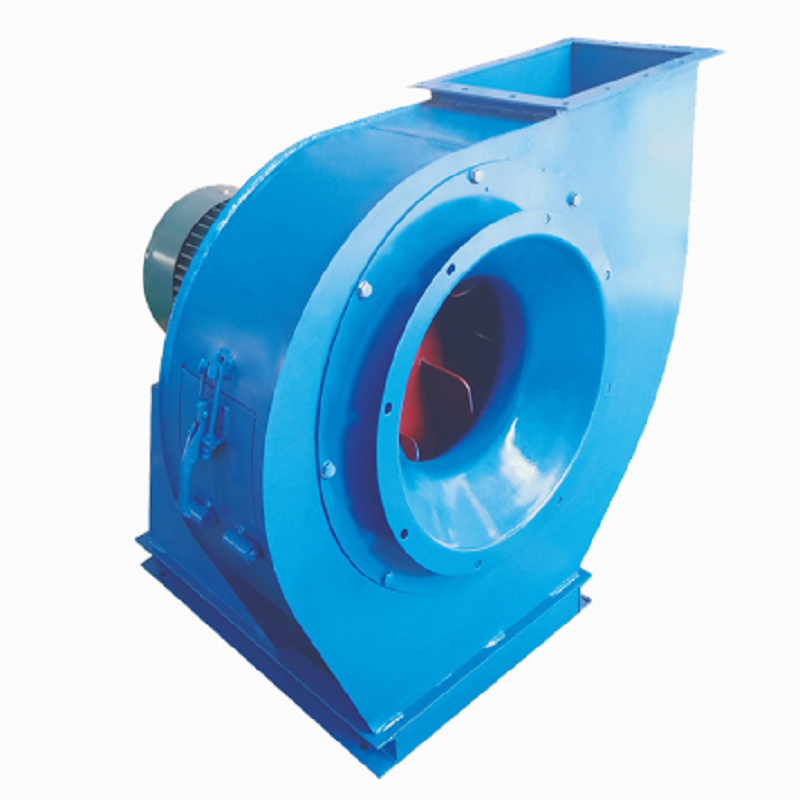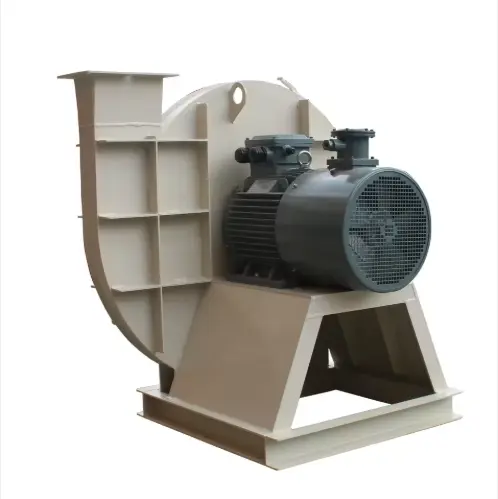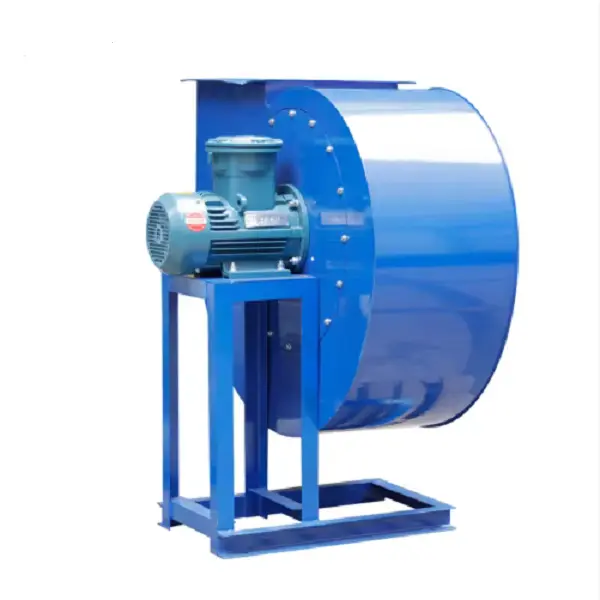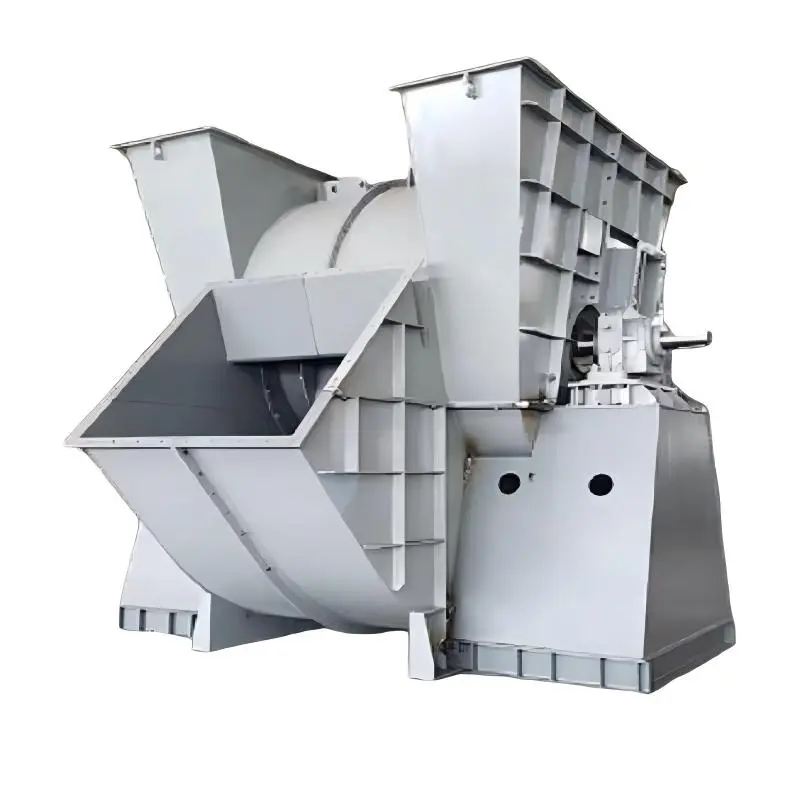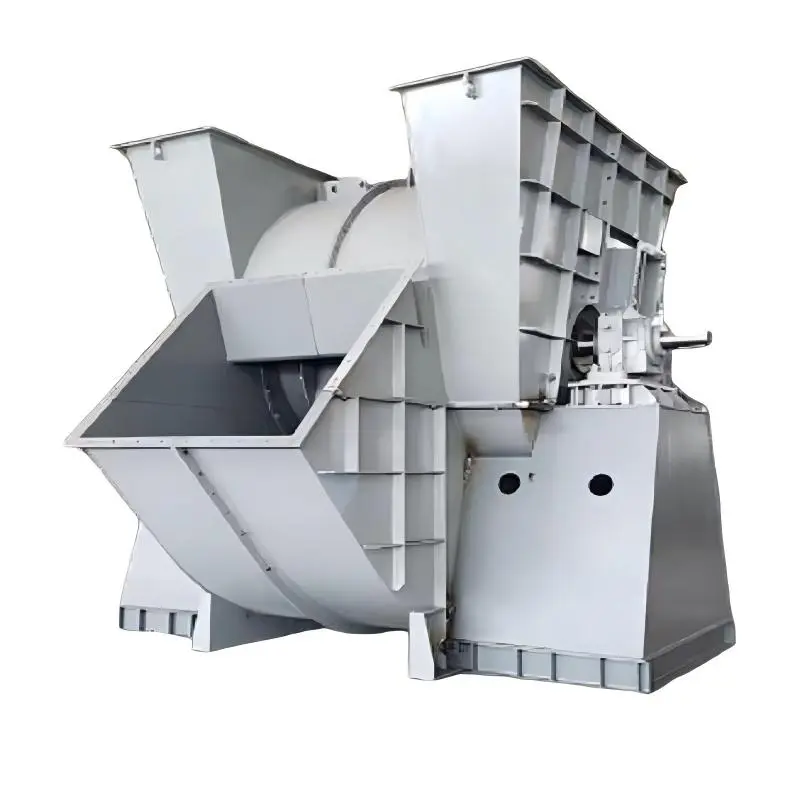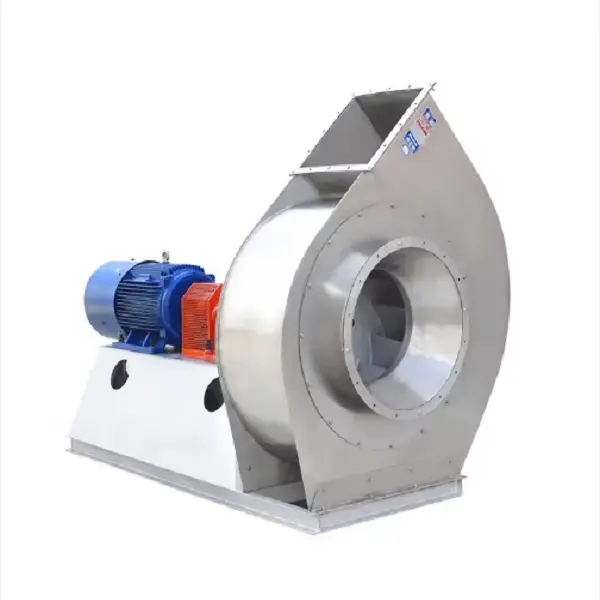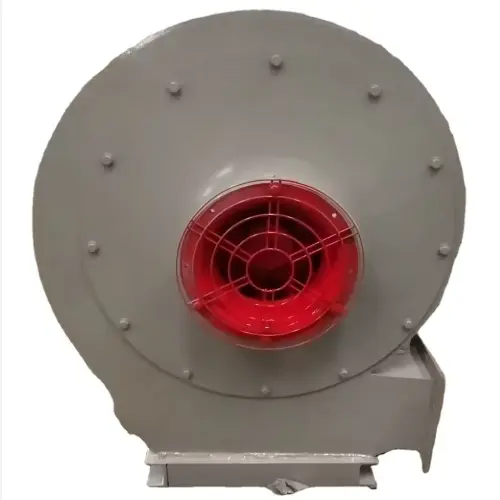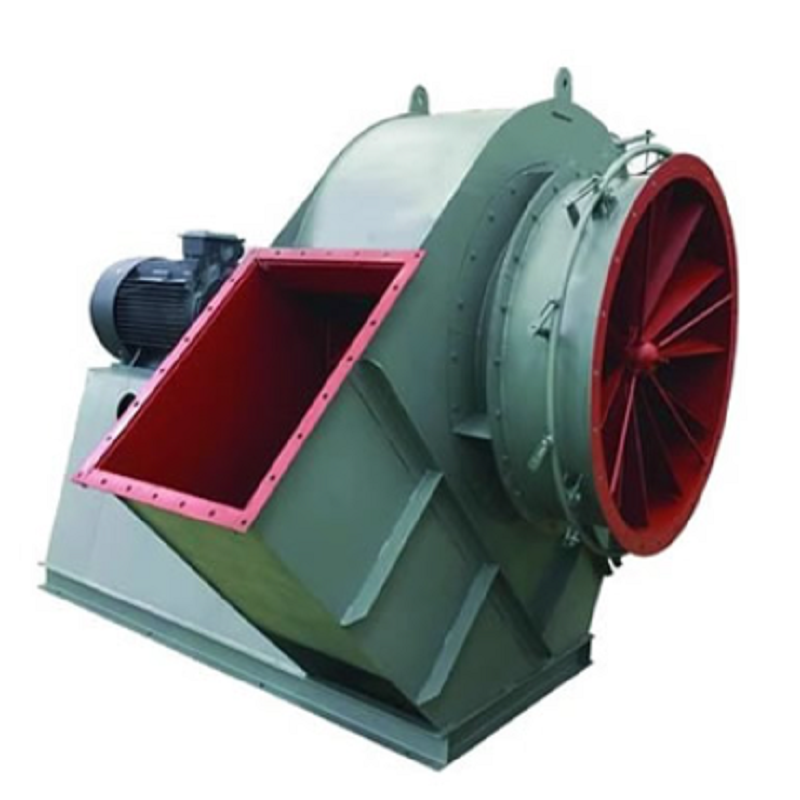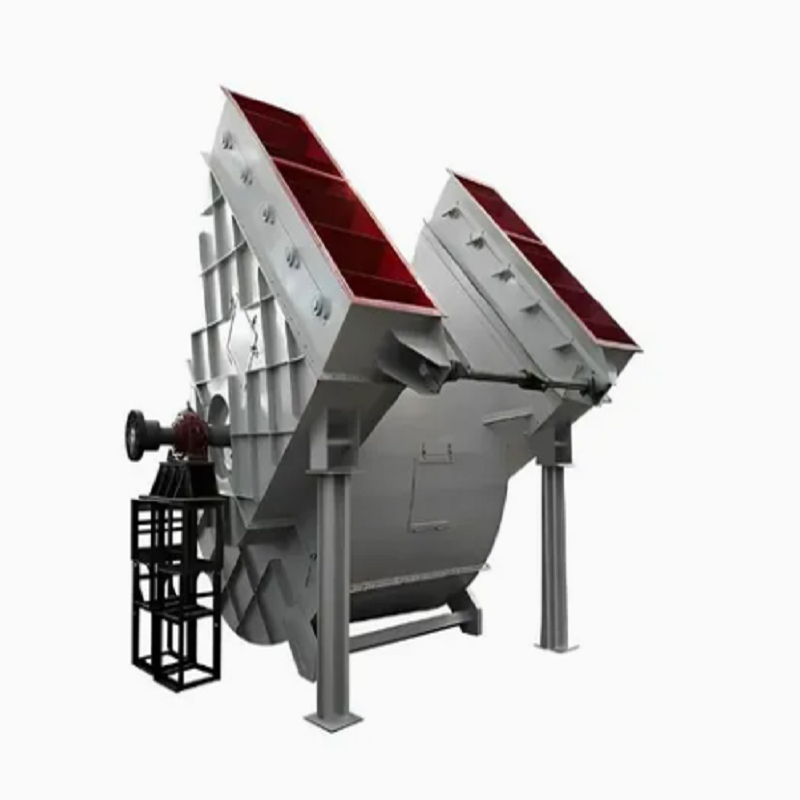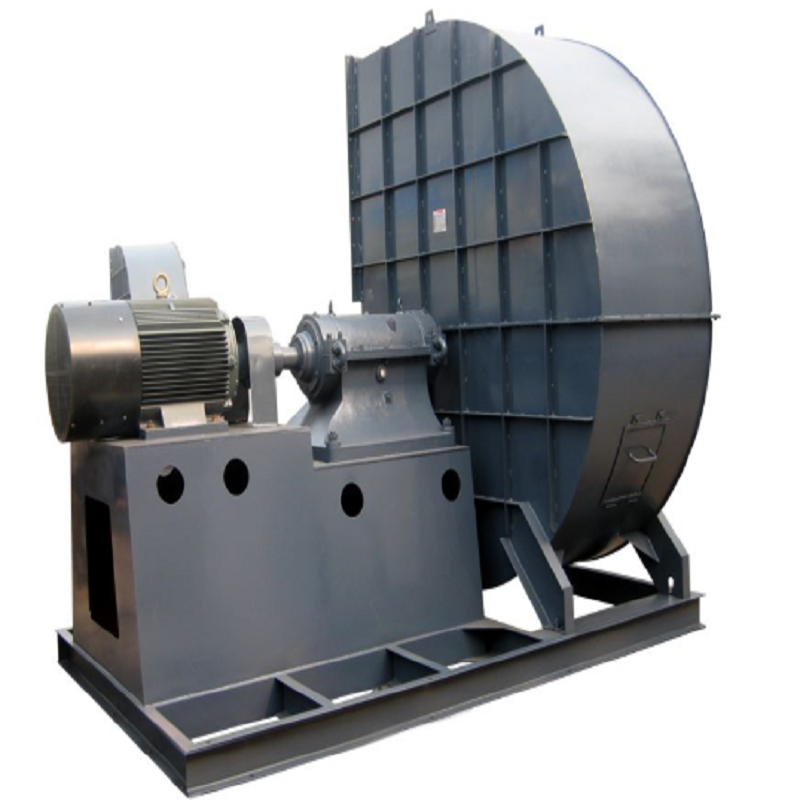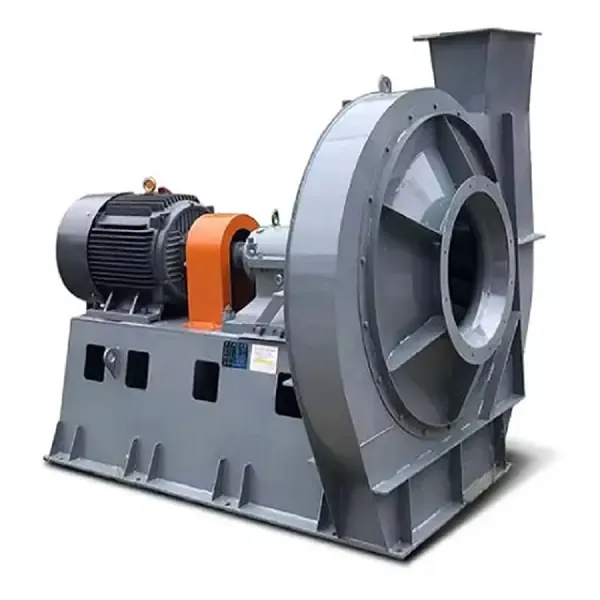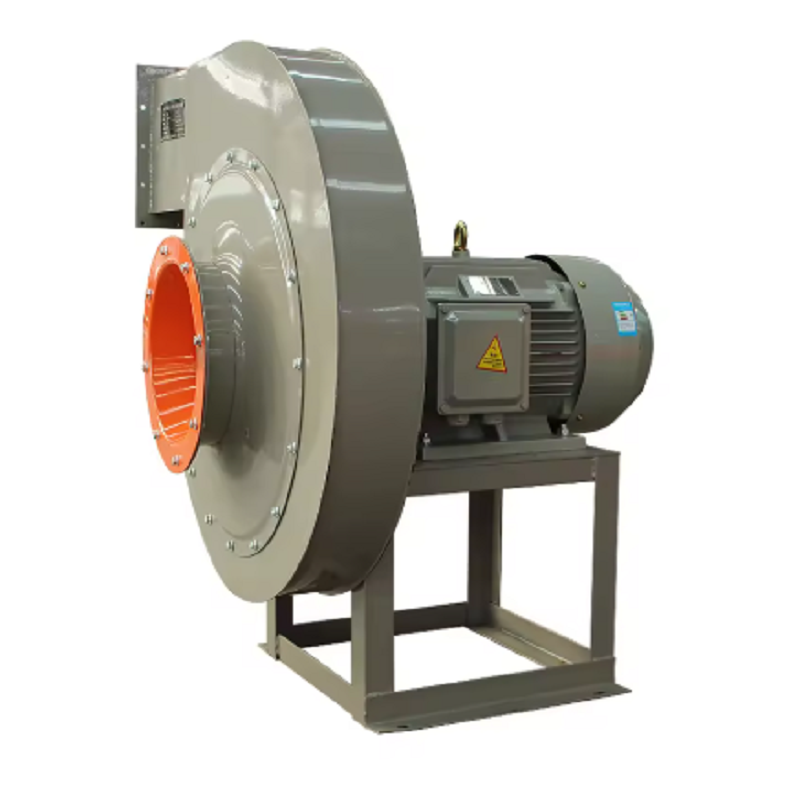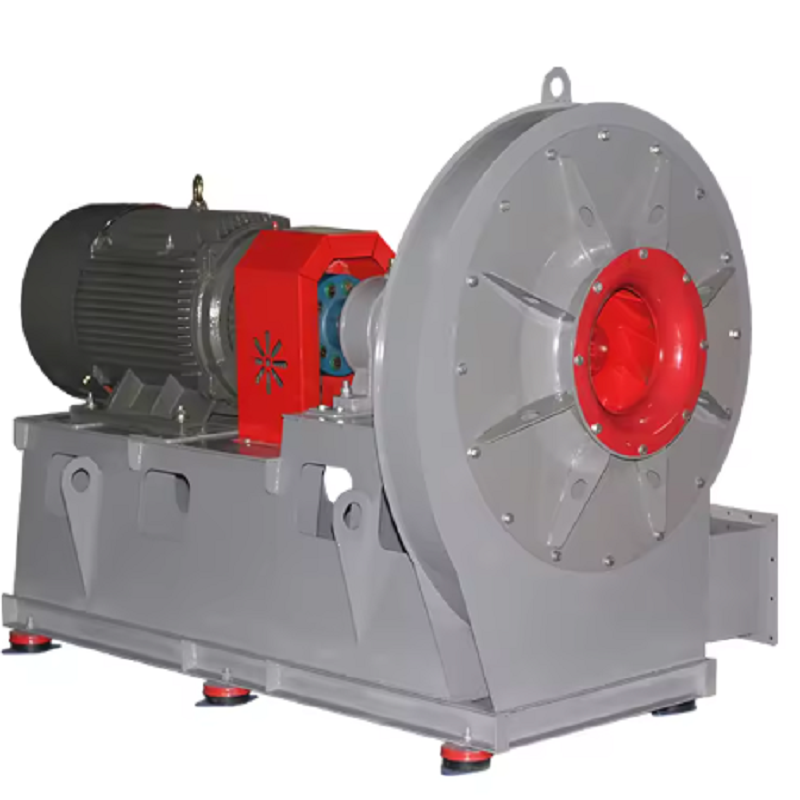
A lot of ventilation systems don’t fail because the fan is “bad” — they fail because the fan was never matched to the real working conditions. Long ducts, clogged filters, grease buildup, and unexpected resistance changes are usually the real reasons airflow collapses. In these situations, a properly selected Type A Centrifugal Fan often becomes the difference between a stable system and a constant maintenance headache.
The first thing to understand is that airflow rating alone is misleading. Many buyers choose equipment based on m³/h on a catalog sheet, but in real systems, pressure loss is what determines performance. A Type A Centrifugal Fan is typically chosen because it maintains usable airflow under higher static pressure, especially when duct runs are long or include multiple bends and filters.
Before selecting any equipment, you need a basic static pressure estimate. In real engineering work, most ventilation failures come from underestimating resistance rather than underestimating airflow. Every elbow, reducer, filter box, and hood adds pressure loss. A properly designed Type A Centrifugal Fan can compensate for these losses better than low-pressure fan types.
For example, in a woodworking shop dust system, even a 20–30 meter duct line with several bends can easily double resistance compared to initial estimates. In such cases, a Type A Centrifugal Fan with sufficient pressure margin ensures the suction points still work effectively instead of weakening at the end of the line.
Different environments behave differently. Dust systems clog, kitchen exhaust systems accumulate grease, and spray booths experience filter saturation. These are not constant conditions — they change over time. This is where many systems fail.
A well-selected Type A Centrifugal Fan is valued for its stable pressure curve. Instead of dropping sharply when resistance increases, it maintains a more predictable airflow output. This makes it suitable for systems where operating conditions are not stable or predictable.
In one metal polishing workshop case, the original axial fan system worked fine on day one but lost almost 40% suction capacity after three months due to dust buildup. After switching to a Type A Centrifugal Fan, airflow remained stable even with partial duct contamination, reducing emergency cleaning frequency significantly.
Even the best fan cannot fix a poor duct design. In real projects, improper duct diameter or excessive bends often create more problems than the fan itself. When installing a Type A Centrifugal Fan, engineers typically check whether the system pressure loss matches the fan’s operating range.
For example, placing the fan too far from the extraction point increases unnecessary resistance. In contrast, positioning a Type A Centrifugal Fan closer to the main exhaust trunk reduces energy waste and improves system efficiency. Small layout changes can sometimes improve performance more than upgrading to a larger model.
A medium-sized metal fabrication factory faced a persistent issue: dust accumulation in ducts and weak suction at polishing stations. The original system used axial fans, which were selected based on airflow only.
After a full system audit, engineers calculated that actual static pressure was nearly 1.8 times higher than the original design value. The solution was to replace the system with a properly sized Type A Centrifugal Fan, matched to the corrected pressure curve.
After installation:
· Dust collection efficiency improved significantly within the first week
· Duct cleaning cycle extended from 3 months to over 10 months
· Operator complaints about airborne dust dropped noticeably
· Energy usage stabilized instead of fluctuating under load
The key improvement was not just the fan replacement — it was matching the Type A Centrifugal Fan to the real resistance conditions rather than theoretical airflow numbers.
Many buyers treat maintenance as an afterthought, but in real industrial environments, it directly affects performance. Dust accumulation on impellers, grease buildup in exhaust systems, and filter saturation all reduce efficiency over time.
A Type A Centrifugal Fan is typically easier to maintain in heavy-duty environments because of its structural tolerance to resistance variation. However, without regular cleaning and inspection, even the best system will gradually lose performance. In practice, a 2–3 month inspection cycle is common in dust-heavy or kitchen environments.
Choosing a fan is not about picking the highest airflow number on paper. It’s about understanding how the system behaves under real operating conditions. Long ducts, resistance changes, and contamination all matter more than initial catalog ratings.
A properly selected Type A Centrifugal Fan solves ventilation headaches not by overpowering the system, but by staying stable when conditions change. That stability is what keeps airflow consistent, reduces maintenance interruptions, and prevents the slow performance decay that most systems suffer from over time.