News

Custom industrial centrifugal fan solutions directly from the factory: Type F Centrifugal Fan guide

2026-06-23 0 Leave me a message

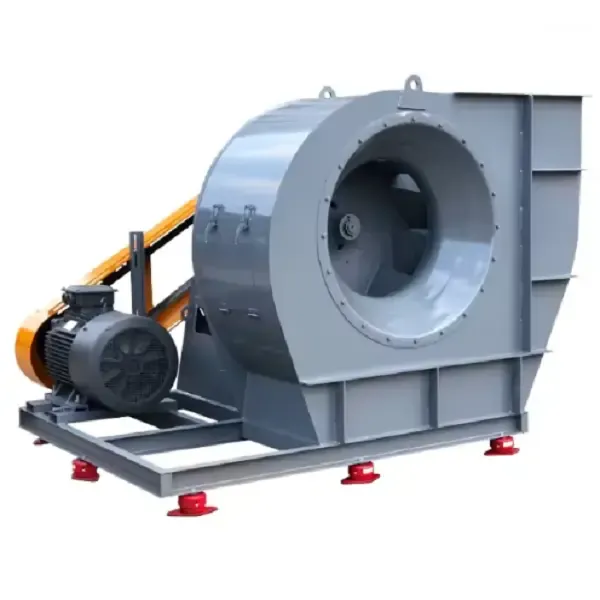
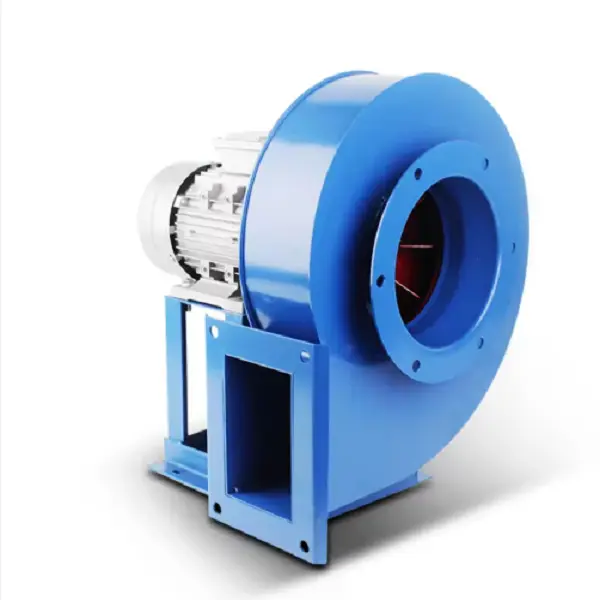
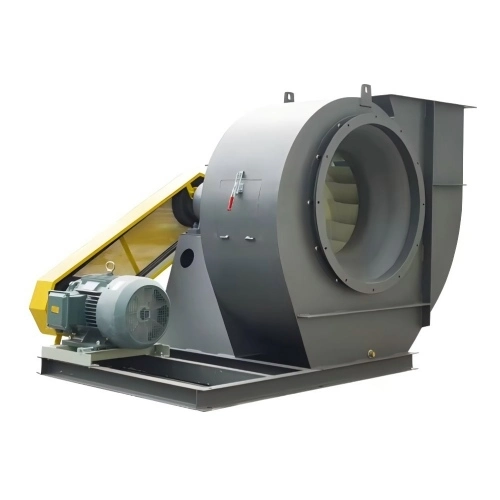
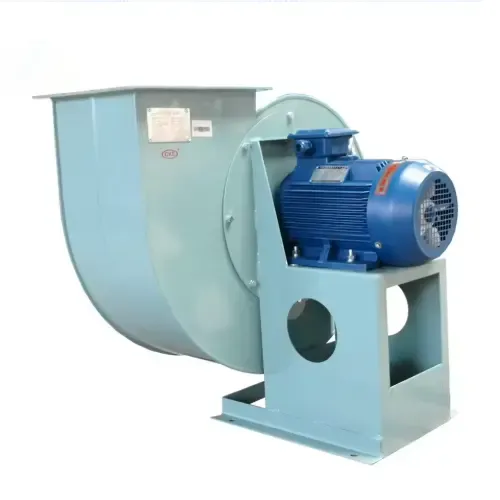
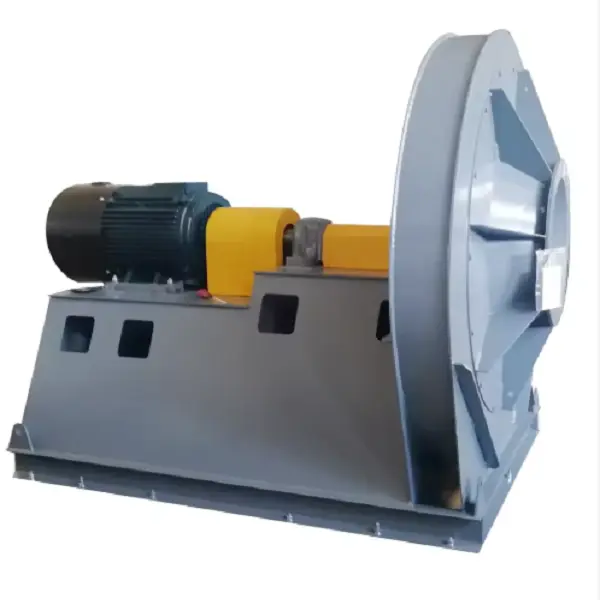
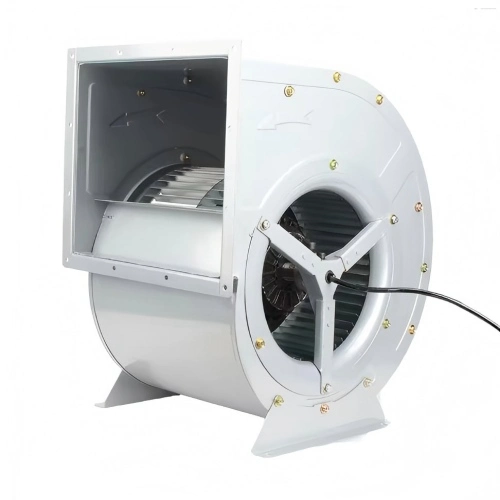
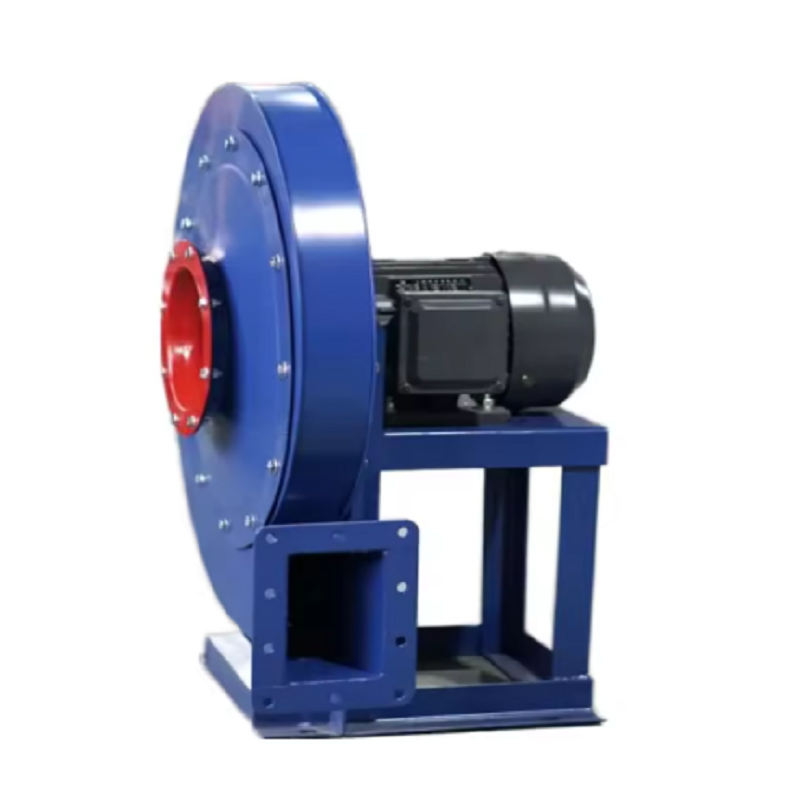
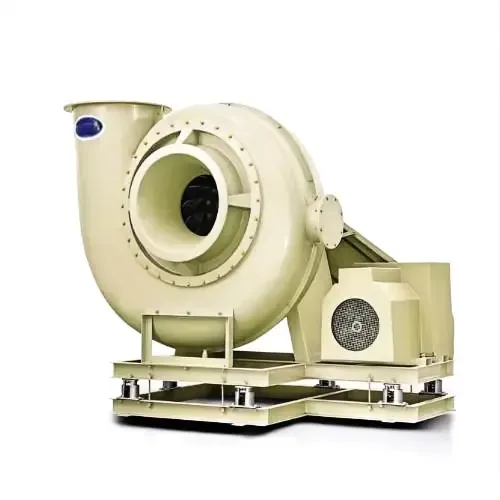
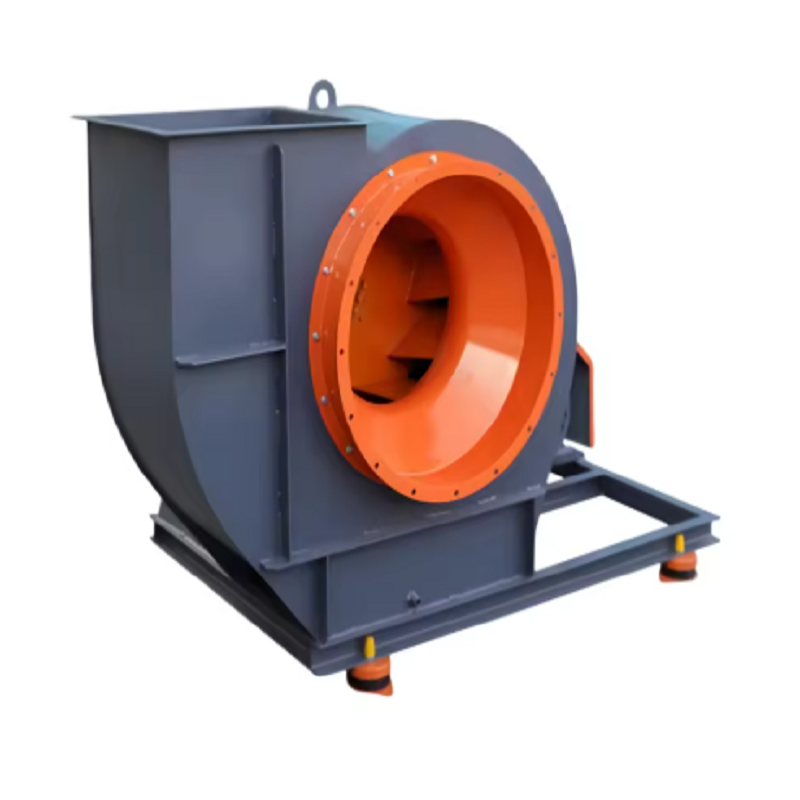
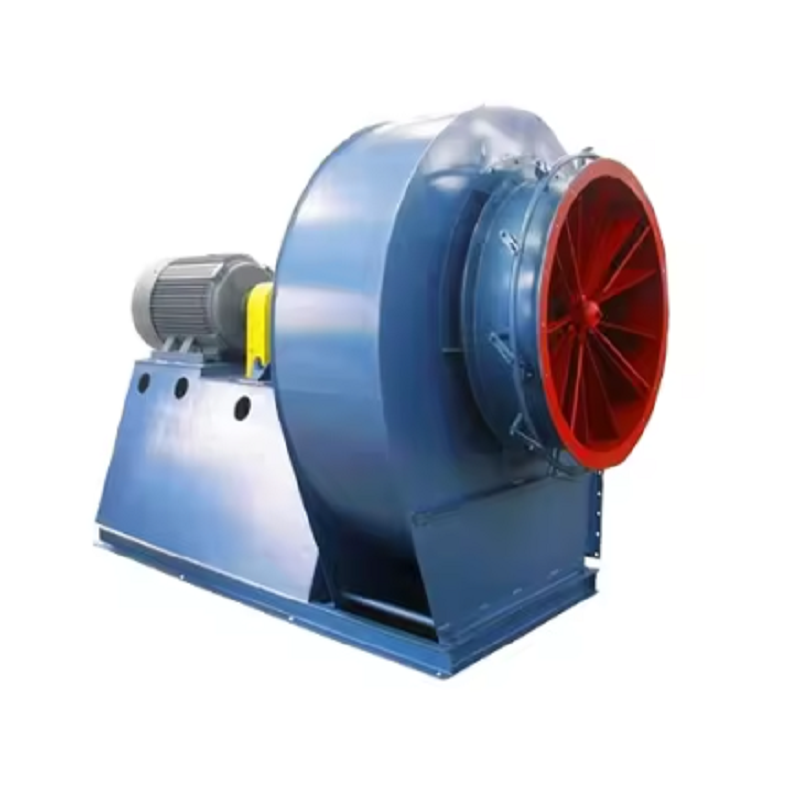
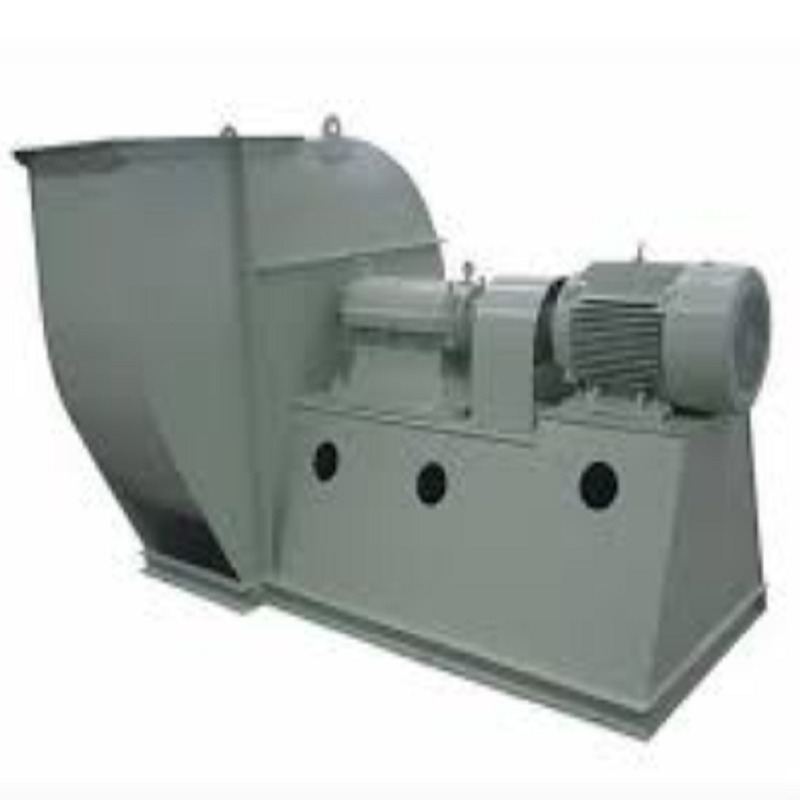
When industrial ventilation systems require stable pressure and reliable airflow, the Type F Centrifugal Fan is often chosen as a practical solution. Compared with standard fan models, the Type F Centrifugal Fan is designed for stronger structural stability and better performance under continuous industrial operation. In factory-direct supply scenarios, companies like Hebei Ketong provide customized configurations based on real working conditions rather than one-size-fits-all designs.

1. What makes Type F Centrifugal Fan suitable for industrial systems

The Type F Centrifugal Fan is widely used in dust collection, boiler air supply, and workshop ventilation because it can maintain consistent airflow even under resistance. In real production environments, airflow resistance is often underestimated, which leads to unstable performance. A properly selected Type F Centrifugal Fan solves this by offering higher pressure capability and better adaptability to duct systems.

For example, a metal processing workshop in Hebei Province upgraded its ventilation system with a Type F Centrifugal Fan provided by Hebei Ketong. The original system failed to handle welding fumes efficiently. After switching, airflow distribution became more stable, and indoor particulate concentration dropped significantly within two weeks of operation.

2. Factory-direct customization advantages

One of the key advantages of sourcing a Type F Centrifugal Fan directly from the factory is customization. Instead of relying on standard catalog models, engineers can adjust impeller diameter, motor power, and casing thickness according to real site conditions. A properly configured Type F Centrifugal Fan can reduce energy consumption while improving system efficiency.

In one chemical plant project, Hebei Ketong supplied a customized Type F Centrifugal Fan with reinforced anti-corrosion coating. The plant previously experienced rapid wear due to acidic gases. After installation, the fan maintained stable operation for over 18 months without performance degradation, which significantly reduced maintenance downtime.

3. Key selection and installation practices

Selecting the right Type F Centrifugal Fan requires understanding system resistance, required airflow (m³/h), and static pressure. Many failures in industrial systems come from incorrect matching rather than equipment quality. A well-matched Type F Centrifugal Fan should operate near its best efficiency point (BEP) to avoid vibration and energy waste.

In practice, engineers from Hebei Ketong often conduct on-site measurements before recommending a Type F Centrifugal Fan model. In one HVAC retrofit project for a manufacturing facility, incorrect duct sizing was causing airflow imbalance. After recalculating system resistance and installing a properly sized Type F Centrifugal Fan, airflow distribution improved by more than 30%.

4. Maintenance and long-term performance

Even a high-quality Type F Centrifugal Fan requires routine inspection to maintain efficiency. Key maintenance tasks include bearing lubrication, impeller cleaning, and vibration monitoring. Neglecting these steps can reduce airflow performance and increase power consumption over time.

A food processing factory using a Type F Centrifugal Fan supplied by Hebei Ketong implemented a quarterly maintenance schedule. As a result, the fan’s energy consumption remained stable, and no unexpected shutdowns occurred over a full production year. This demonstrated that proper maintenance extends the service life of a Type F Centrifugal Fan significantly.

5. Real-world application value in industrial projects

Across HVAC systems, dust removal lines, and industrial exhaust setups, the Type F Centrifugal Fan plays a critical role in maintaining safe and efficient working environments. Its ability to handle medium to high pressure conditions makes it suitable for complex duct networks.

In a large-scale industrial park project, multiple units of Type F Centrifugal Fan were deployed through Hebei Ketong to unify ventilation across different workshops. The centralized system reduced overall energy consumption and improved air quality consistency between production zones.

Conclusion

For industrial buyers seeking stable performance and tailored engineering support, the Type F Centrifugal Fan remains a strong option. When combined with factory-level customization from suppliers like Hebei Ketong, it becomes more than just a standard ventilation device—it becomes part of a complete airflow optimization solution.

A properly selected and maintained Type F Centrifugal Fan not only improves operational efficiency but also reduces long-term costs, making it a practical investment for modern industrial.

Related News
Leave me a message
X
We use cookies to offer you a better browsing experience, analyze site traffic and personalize content. By using this site, you agree to our use of cookies.Privacy Policy
RejectAccept