News

How Type D Centrifugal Fans Can Lower Operating Expenses in Industrial Applications

2026-06-25 0 Leave me a message

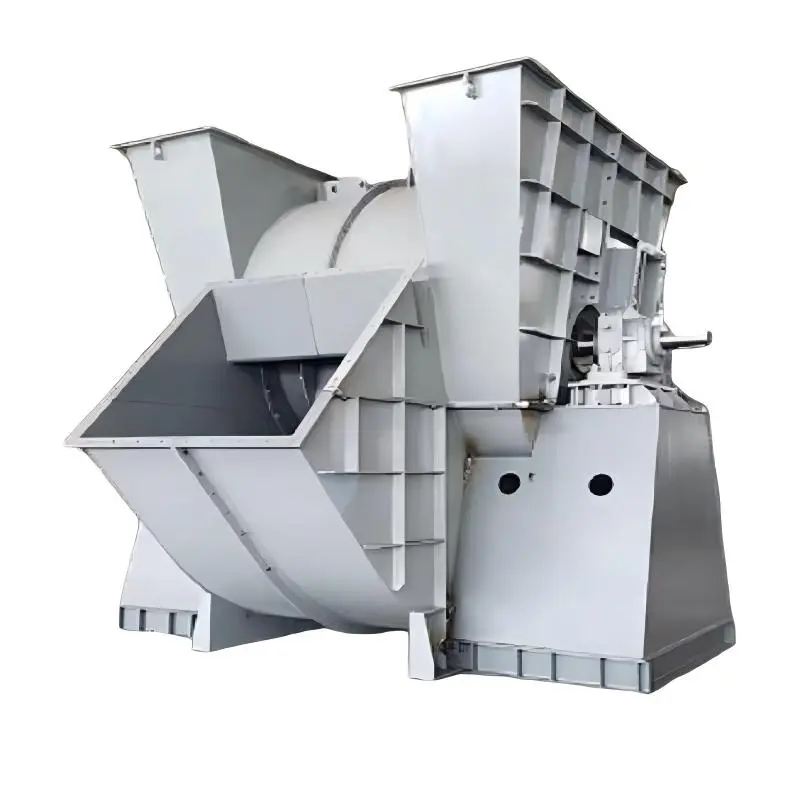
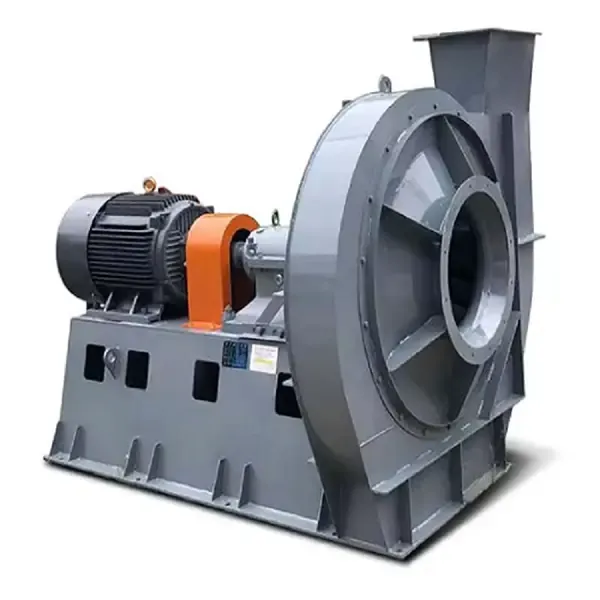
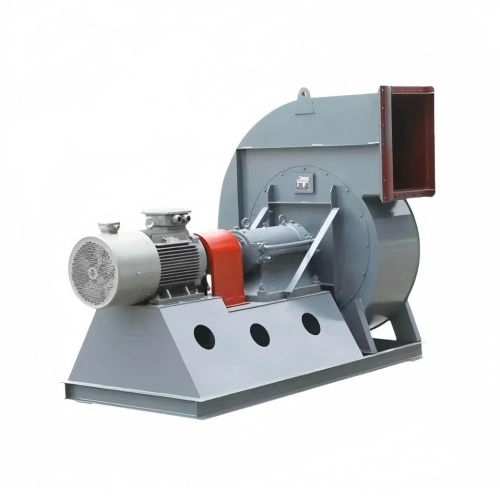
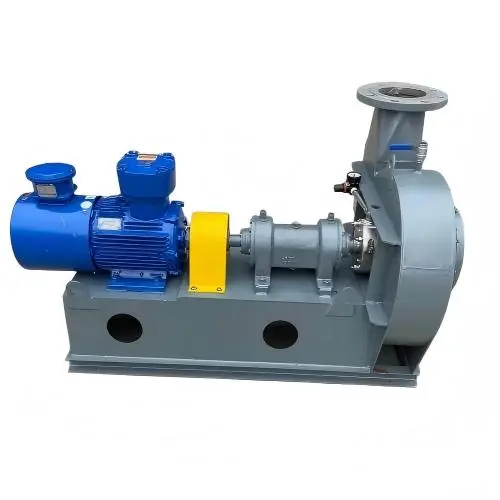
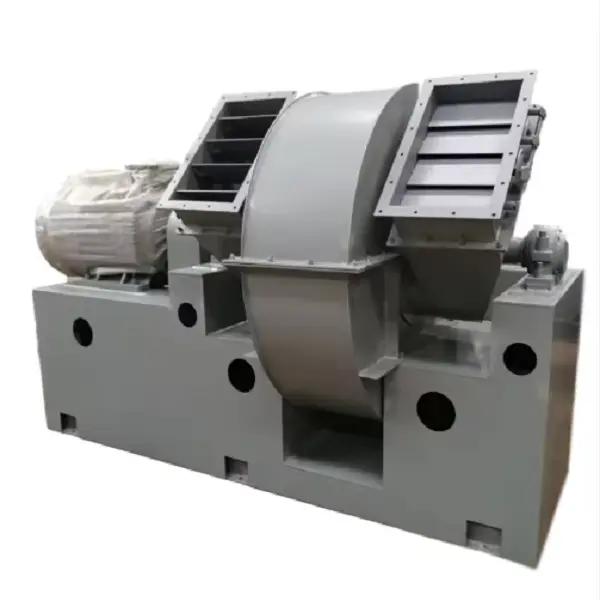
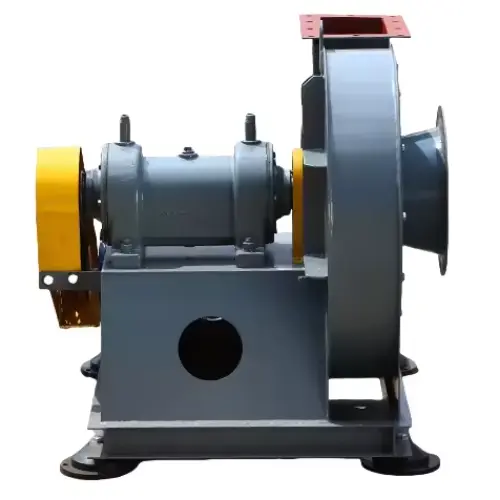
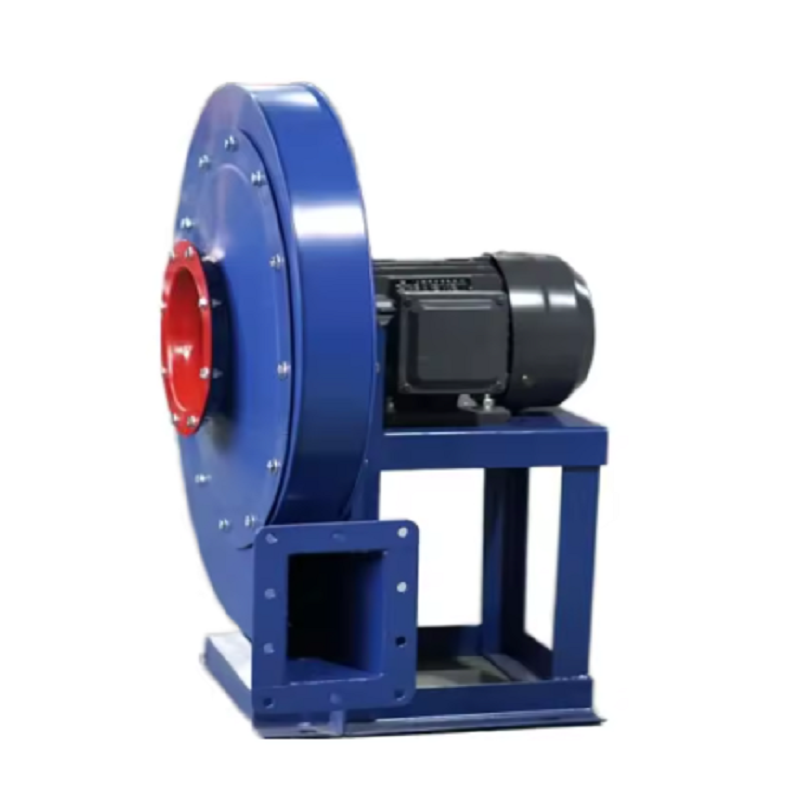
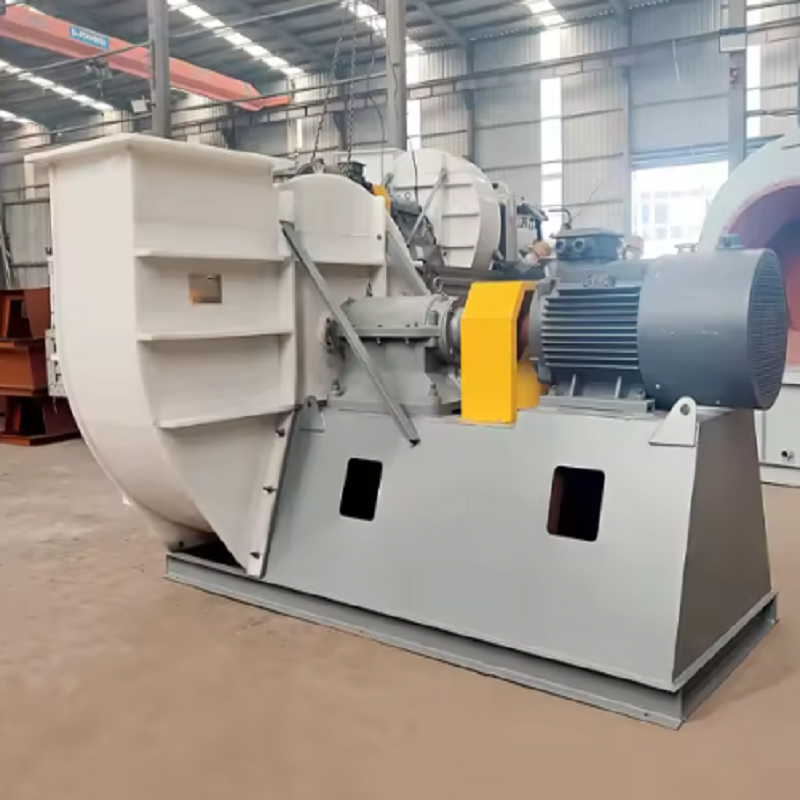
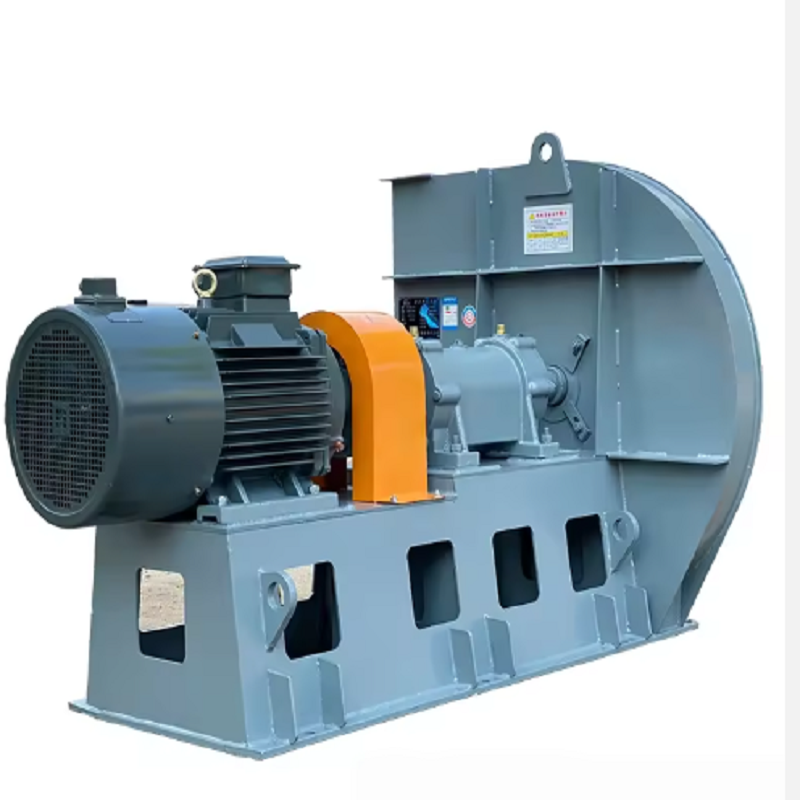
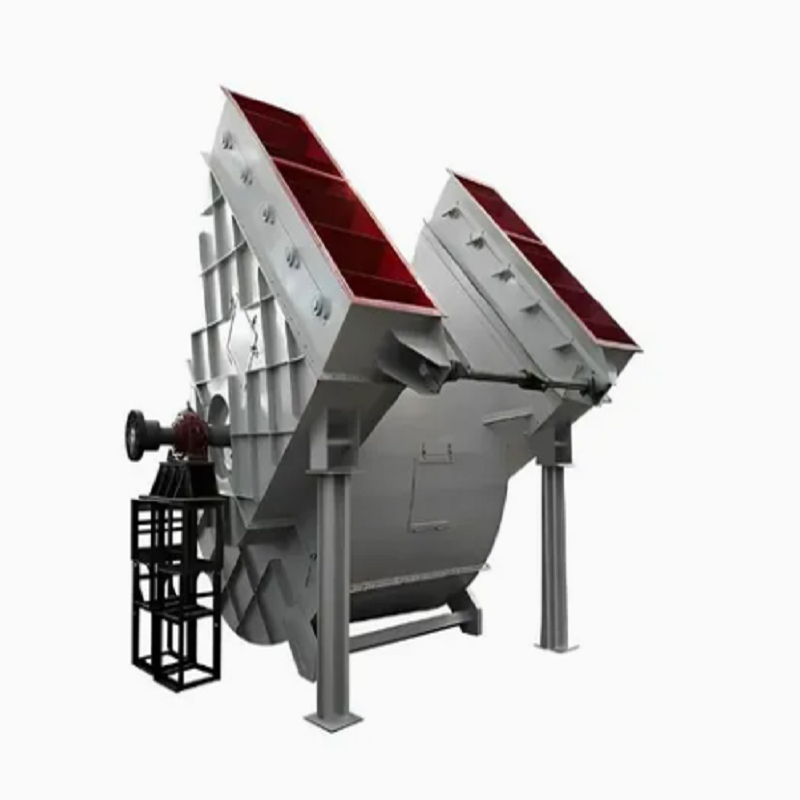
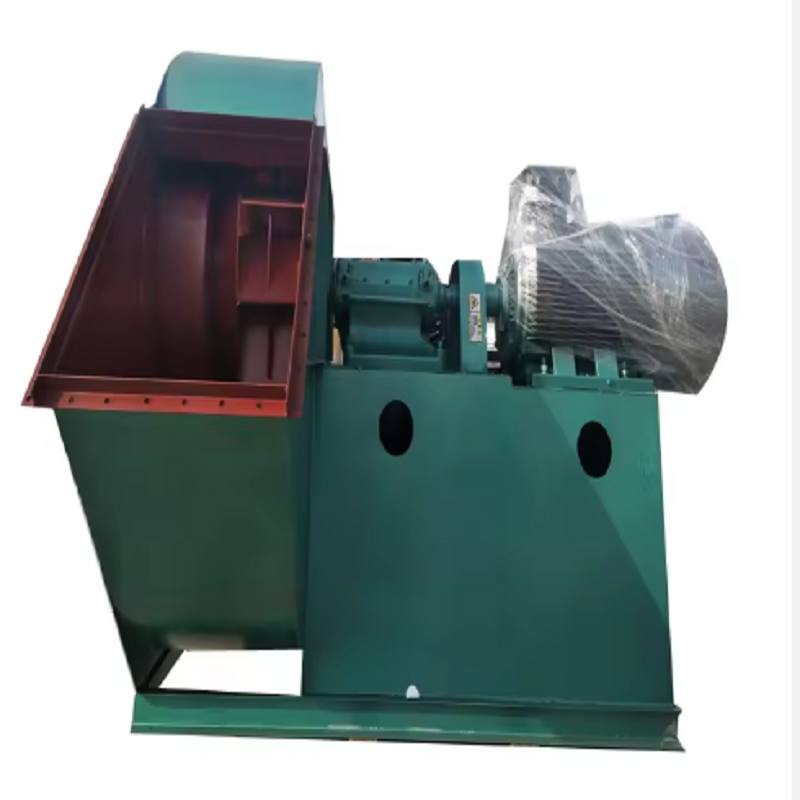
In modern industrial facilities, energy consumption and equipment reliability directly impact operating costs. Among various ventilation solutions, the Type D Centrifugal Fan has become a preferred choice for factories, material handling systems, dust collection projects, and HVAC applications due to its efficient power transmission structure and stable airflow performance. By selecting the right Type D Centrifugal Fan, companies can significantly reduce energy waste, improve production efficiency, and lower long-term maintenance expenses.

Why Type D Centrifugal Fans Are Designed for Cost Efficiency

A Type D Centrifugal Fan allowing the fan to operate under higher loads and more demanding conditions. Compared with direct-drive systems, a Type D Centrifugal Fan offers greater flexibility in speed adjustment, enabling operators to match airflow requirements precisely rather than running equipment at unnecessary capacity.

For example, a manufacturing plant requiring variable airflow throughout different production stages can optimize fan speed through pulley adjustments. This reduces motor power consumption and prevents excessive wear on system components, resulting in measurable energy savings over time.

Practical Method: Optimize Fan Speed to Reduce Power Consumption

One of the most effective ways to maximize the benefits of a Type D Centrifugal Fan is proper speed management. Many facilities operate fans at full capacity regardless of actual demand, which leads to unnecessary energy costs.

A metal processing facility in Texas recently upgraded its ventilation system by replacing an older fixed-speed fan with a Type D Centrifugal Fan equipped with variable speed control. After airflow measurements were conducted, engineers reduced operating speed by approximately 15%.

The results were significant:

Annual electricity consumption decreased by nearly 20%

Noise levels were reduced across the production area

Bearing service life increased due to lower operating stress

Maintenance shutdowns became less frequent

This case demonstrates how a properly configured Type D Centrifugal Fan can generate immediate operational savings without compromising airflow performance.

Real-World Case Study: Dust Collection System Upgrade

A woodworking manufacturer faced rising electricity bills caused by an oversized dust collection system. The existing fan generated excessive airflow that exceeded process requirements.

After a system assessment, engineers installed a high-efficiency Type D Centrifugal Fan with a backward-curved impeller. The airflow was redesigned based on actual dust extraction needs rather than theoretical maximum demand.

Within twelve months, the company reported:

18% reduction in energy costs

Improved dust collection efficiency

Lower filter replacement frequency

Reduced motor overheating incidents

The upgraded Type D Centrifugal Fan not only lowered operating expenses but also improved workplace air quality and regulatory compliance.

Maintenance Practices That Extend Equipment Life

Preventive maintenance is another key factor in reducing total ownership costs. Although a Type D Centrifugal Fan is known for durability, regular inspections help maintain peak efficiency.

Recommended maintenance procedures include:

Inspect bearing lubrication schedules

Monitor vibration levels

Clean impeller surfaces regularly

A chemical processing facility implemented these practices as part of its preventive maintenance program. As a result, its Type D Centrifugal Fan systems operated continuously for more than three years without major repairs, reducing unexpected downtime and maintenance expenditures.

Selecting the Right Type D Centrifugal Fan for Maximum Savings

Not all industrial applications require the same fan configuration. Choosing the correct Type D Centrifugal Fan involves evaluating several factors:

Required airflow volume (CFM)

Static pressure requirements

Operating temperature

Airborne particle concentration

Energy efficiency targets

For example, facilities handling abrasive materials may benefit from wear-resistant impellers, while high-temperature applications often require specialized shaft and bearing arrangements. Selecting the appropriate Type D Centrifugal Fan from the beginning helps avoid oversizing, which is one of the most common causes of excessive operating costs.

Conclusion

Reducing operating expenses requires more than simply purchasing efficient equipment. Proper system design, airflow optimization, preventive maintenance, and application-specific selection all contribute to long-term savings. A well-engineered Type D Centrifugal Fan can deliver substantial reductions in energy consumption, maintenance costs, and production downtime while maintaining reliable airflow performance.

For industrial operators seeking higher efficiency and lower lifecycle costs, investing in the right Type D Centrifugal Fan is a practical strategy that delivers measurable results year after year.

Related News
Leave me a message
X
We use cookies to offer you a better browsing experience, analyze site traffic and personalize content. By using this site, you agree to our use of cookies.Privacy Policy
RejectAccept