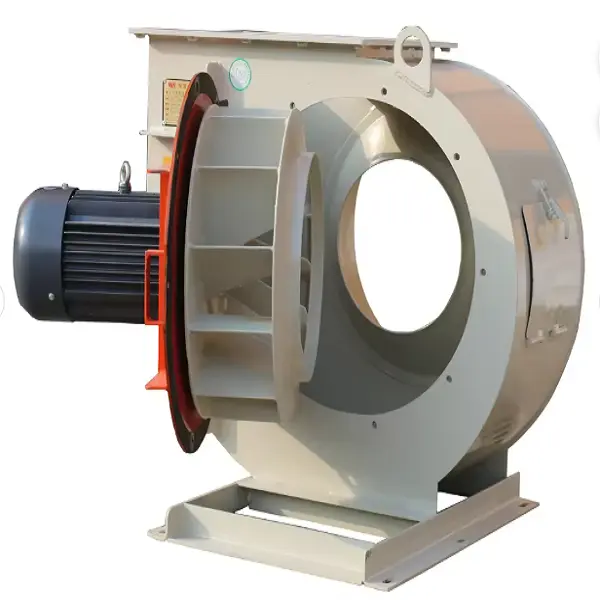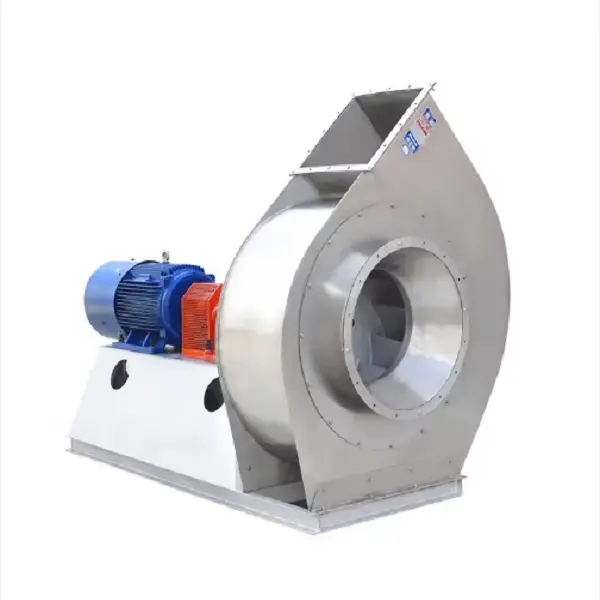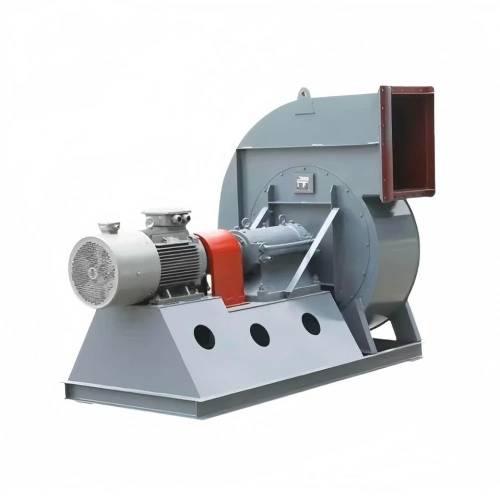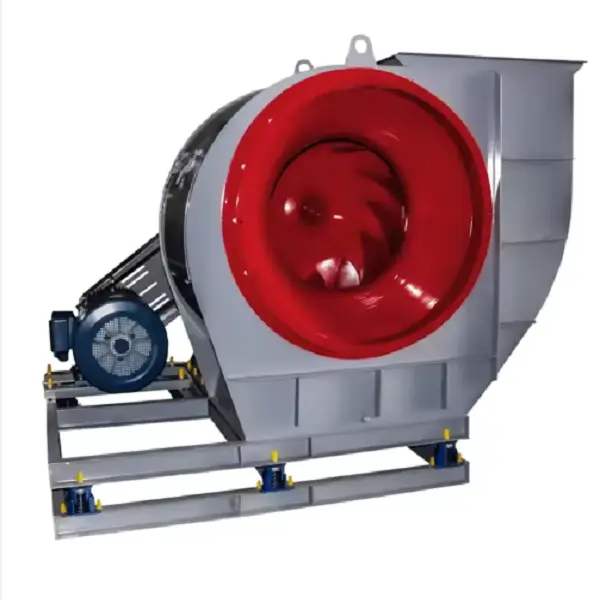
In modern industrial ventilation and air handling systems, selecting the right fan type is essential for ensuring stable operation, energy efficiency, and long-term reliability. Among various industrial fan options, the Type D Centrifugal fan stands out due to its strong pressure capability, structural stability, and wide adaptability. It is widely used in medium to high-pressure industrial environments where airflow resistance is complex and continuously changing. This article provides a comprehensive guide to selecting a Type D Centrifugal fan, covering performance characteristics, application scenarios, energy-saving strategies, and real engineering practice combined with insights from Hebei Ketong.
The first step in selecting industrial fan is to clearly define system parameters, including airflow volume, total pressure, gas characteristics, and operating environment. For high-resistance duct systems or dust-heavy industrial processes, the Type D Centrifugal fan is often a preferred solution.
Unlike low-pressure ventilation equipment, the Type D Centrifugal fan maintains stable airflow even when system resistance fluctuates significantly. This makes it especially suitable for dust collection systems, boiler draft systems, and complex pipeline networks. In engineering practice, designers often choose a Type D Centrifugal fan when system resistance is uncertain, ensuring sufficient safety margins and operational stability.
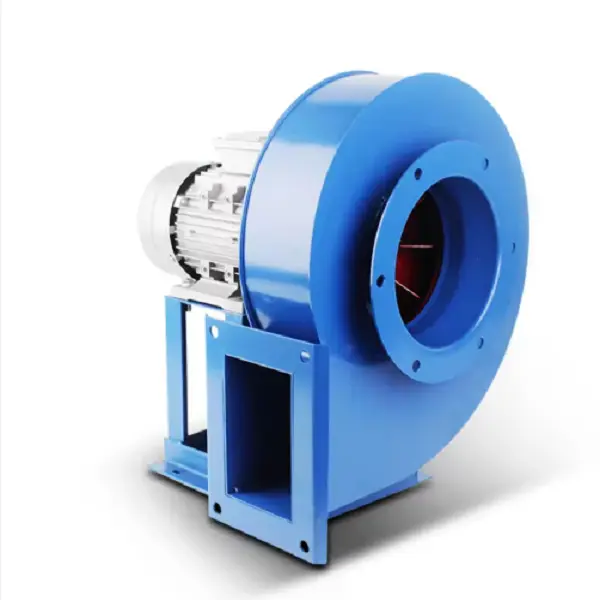
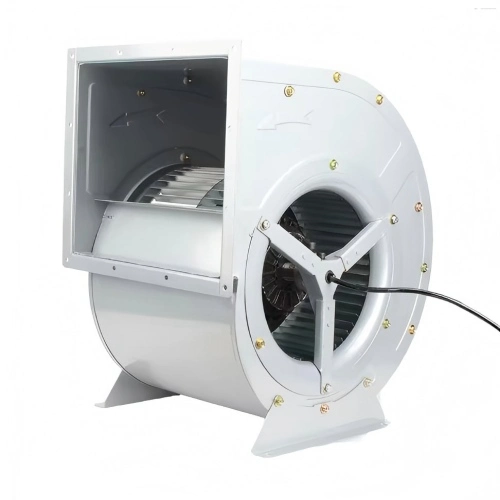
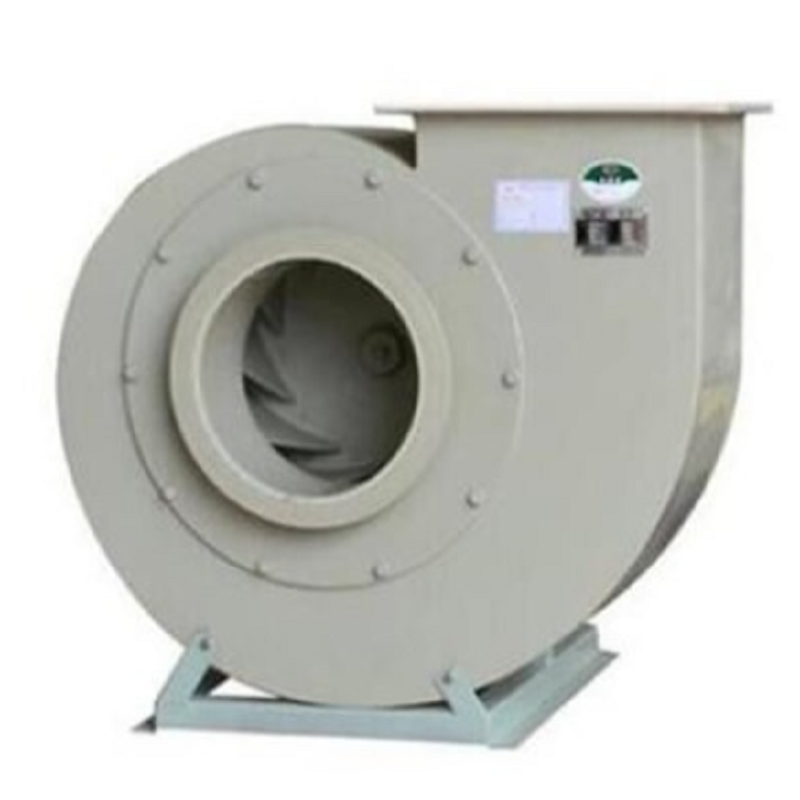
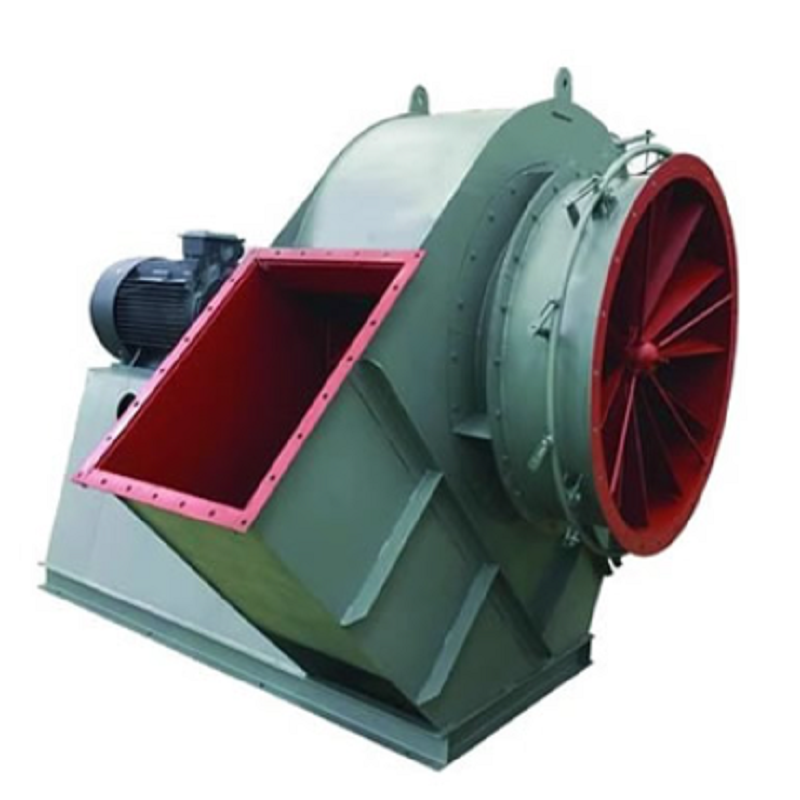
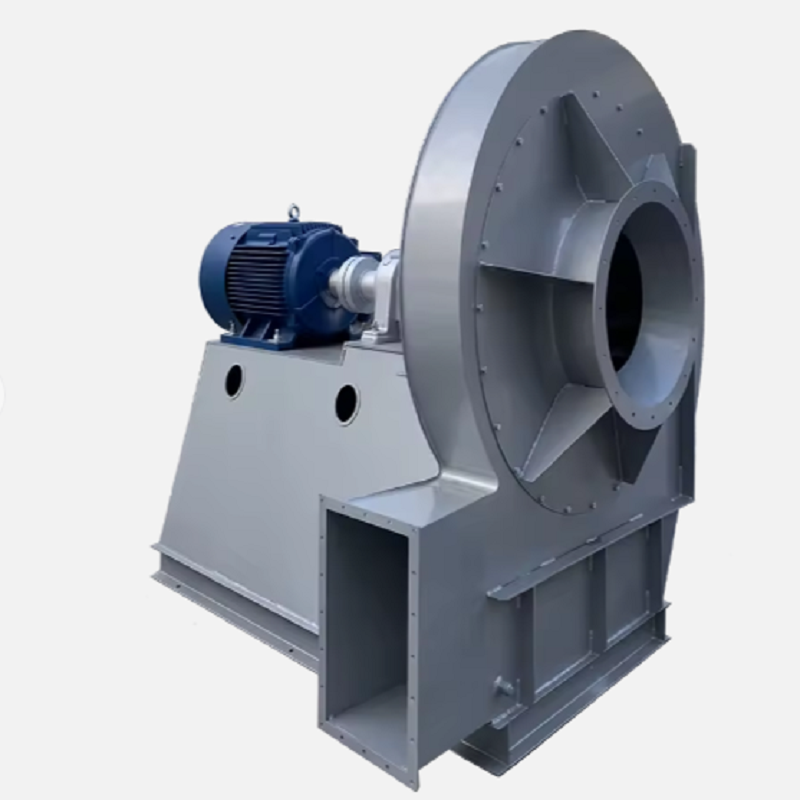
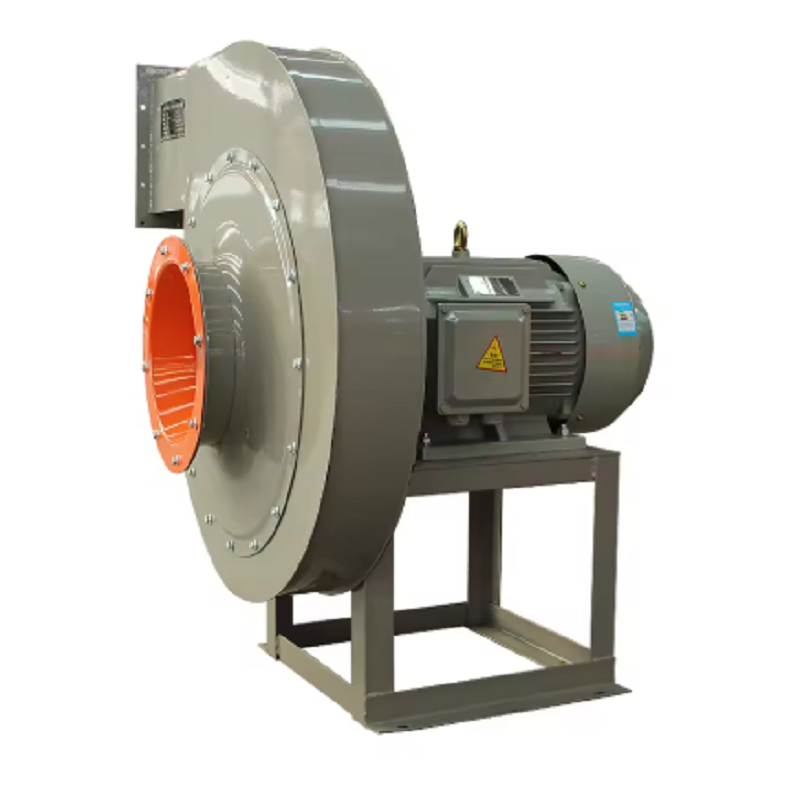
From a structural perspective, the Type D Centrifugal fan operates based on centrifugal force generated by a rotating impeller. The aerodynamic design allows it to efficiently convert mechanical energy into stable airflow and pressure output.
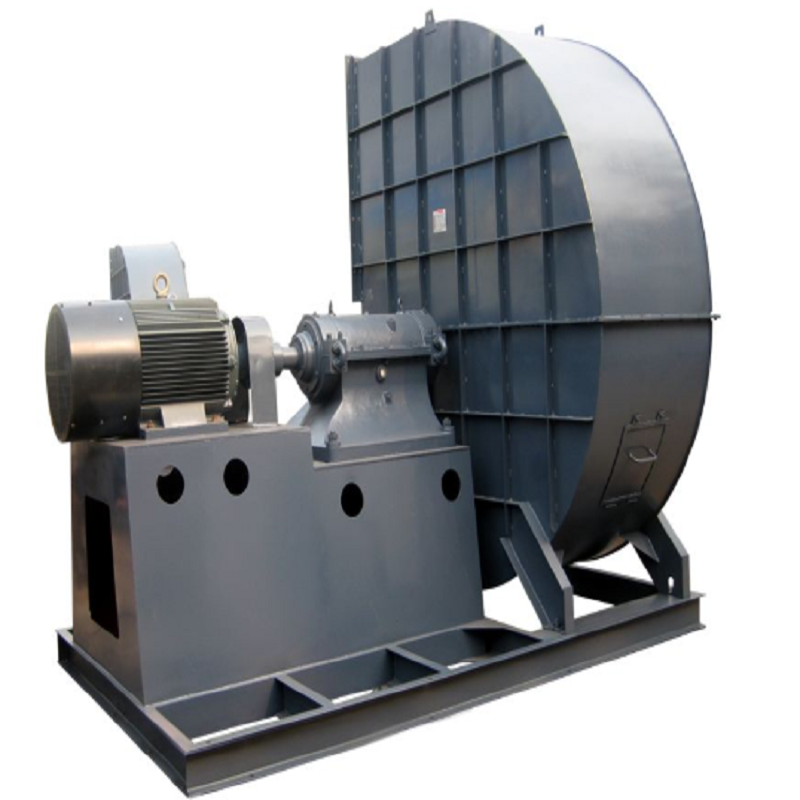
Most Type D Centrifugal fan models use backward-curved or medium-efficiency impellers, which improve overall efficiency while maintaining strong pressure performance. In addition, the transmission system—typically belt-driven or direct-coupled—provides flexibility in speed adjustment and motor matching.
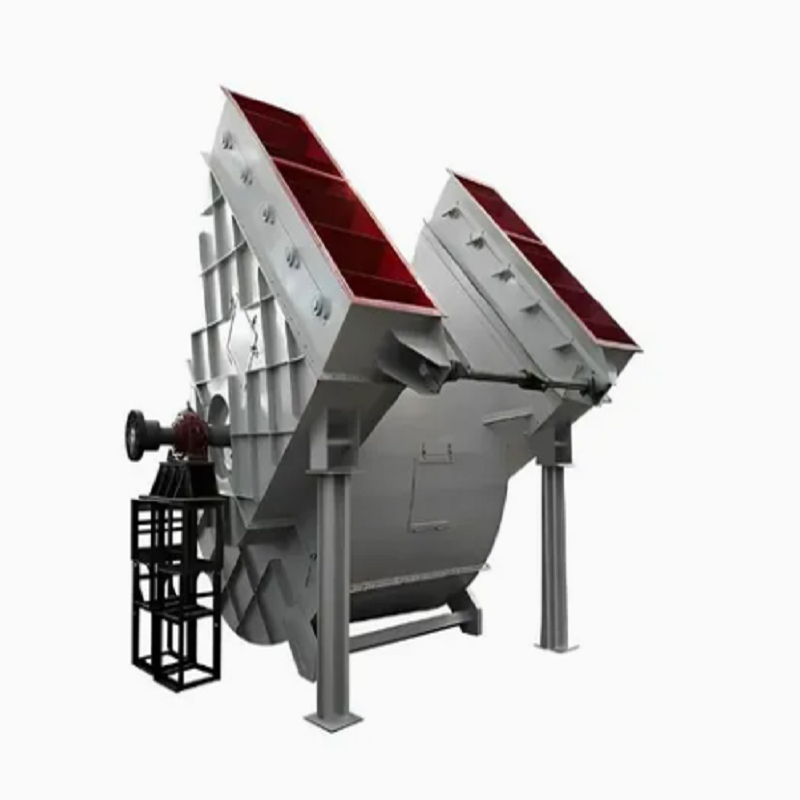
In harsh environments such as high-temperature or dust-laden conditions, structural strength becomes critical. The Type D Centrifugal fan is designed with reinforced housing and dynamically balanced impellers to ensure long-term stable operation. Hebei Ketong has optimized aerodynamic performance in its manufacturing process, improving the efficiency and reliability of its Type D Centrifugal fan products for industrial use.
The Type D Centrifugal fan is widely used across multiple industries due to its adaptability and stable performance under varying load conditions. Common applications include:
Boiler induced draft and forced draft systems
Industrial dust collection and filtration systems
Metallurgical high-temperature exhaust systems
Cement and building material production ventilation systems
In these applications, airflow stability and pressure consistency are crucial. The Type D Centrifugal fan performs well because it can maintain output even under fluctuating resistance conditions.
For example, in dust collection systems, insufficient pressure leads to poor dust capture efficiency, while excessive pressure increases energy consumption. Therefore, selecting a properly sized Type D Centrifugal fan is critical for balancing efficiency and operational cost.
A steel processing plant in northern China faced serious ventilation inefficiencies in its high-temperature exhaust system. The original axial fan system failed to maintain sufficient pressure, resulting in poor airflow distribution and localized overheating issues.
After system evaluation, engineers replaced the existing setup with a customized Type D Centrifugal fan solution provided by Hebei Ketong. The upgraded system integrated a medium-high pressure Type D Centrifugal fan, heat-resistant ducting, and a variable frequency control system.
After three months of operation, the results were significant:
Exhaust efficiency improved by approximately 35%
High-temperature zones were greatly reduced
Energy consumption decreased by about 18%
System stability improved significantly
This case demonstrates how proper selection of a Type D Centrifugal fan can greatly enhance both system performance and operational safety in demanding industrial environments.
Energy efficiency is a critical factor in modern industrial fan selection. Although the Type D Centrifugal fan is designed for medium to high-pressure applications, its efficiency can be significantly improved through proper system optimization.
Key strategies include:
Operating the Type D Centrifugal fan at its optimal efficiency point
Using variable frequency drives (VFDs) for speed control
Reducing duct system resistance
Performing regular maintenance to minimize performance loss
Hebei Ketong incorporates aerodynamic simulation during the design phase to optimize the performance curve of each Type D Centrifugal fan, ensuring that real-world operation stays closer to peak efficiency and reduces long-term energy costs.
Proper maintenance plays a crucial role in extending the service life of a Type D Centrifugal fan. Regular inspection of bearings, impeller cleanliness, and vibration levels helps prevent unexpected failures and performance degradation.
In high-dust or high-temperature environments, maintenance frequency should be increased accordingly. A well-maintained Type D Centrifugal fan can operate reliably for many years under continuous industrial workloads. Hebei Ketong also provides technical support and spare parts services to ensure stable long-term operation and reduced downtime.
The Type D Centrifugal fan is a highly reliable and versatile solution for industrial ventilation systems, particularly in medium to high-pressure applications. Its strong adaptability, stable performance, and efficient energy characteristics make it a preferred choice across multiple industries.
By combining proper system analysis, scientific selection methods, and engineering expertise from manufacturers such as Hebei Ketong, the Type D Centrifugal fan can deliver both operational stability and long-term energy savings. Ultimately, selecting the right Type D Centrifugal fan is not just a technical decision—it is a strategic investment in efficiency, safety, and sustainable industrial performance.
-