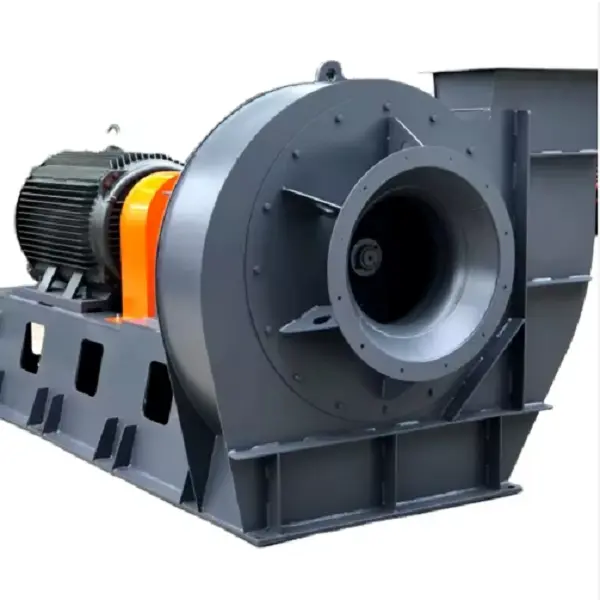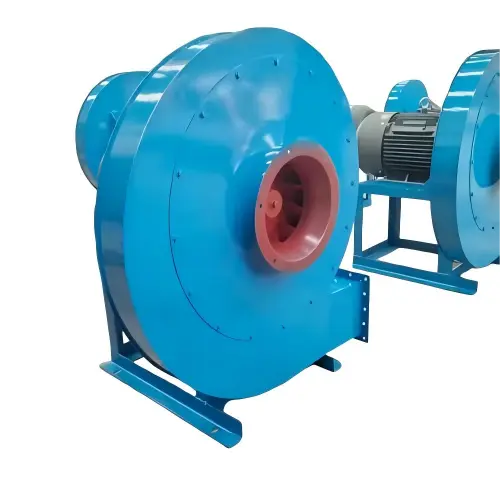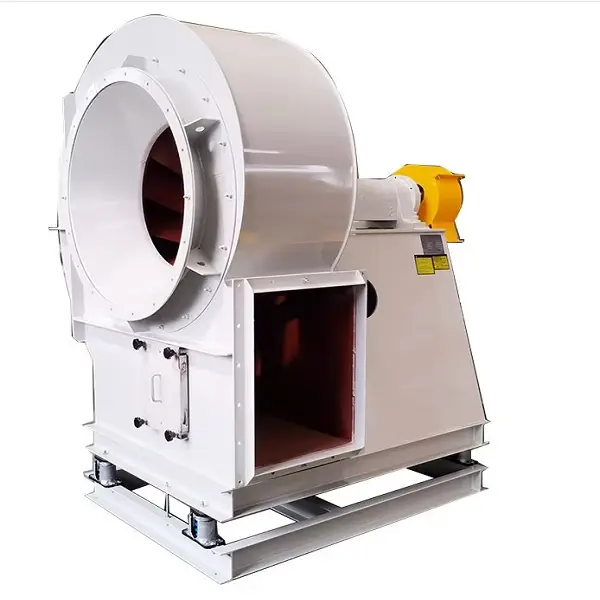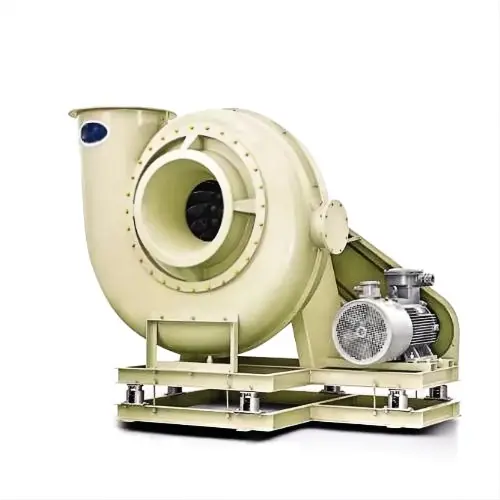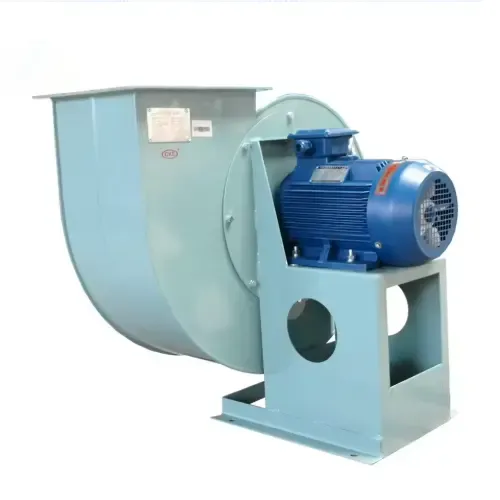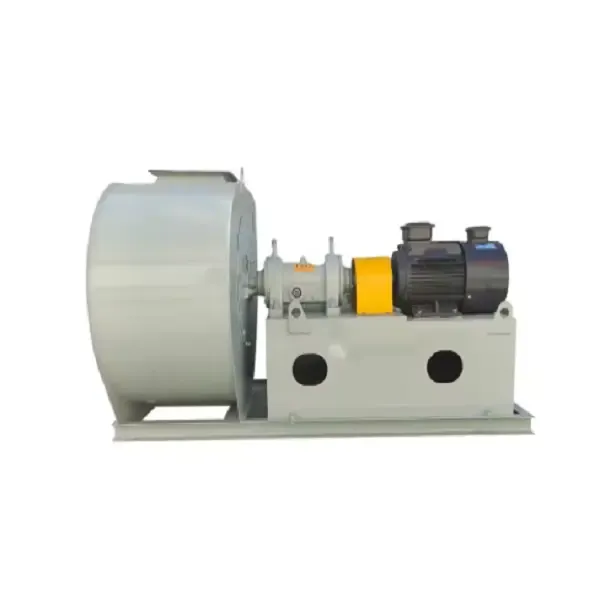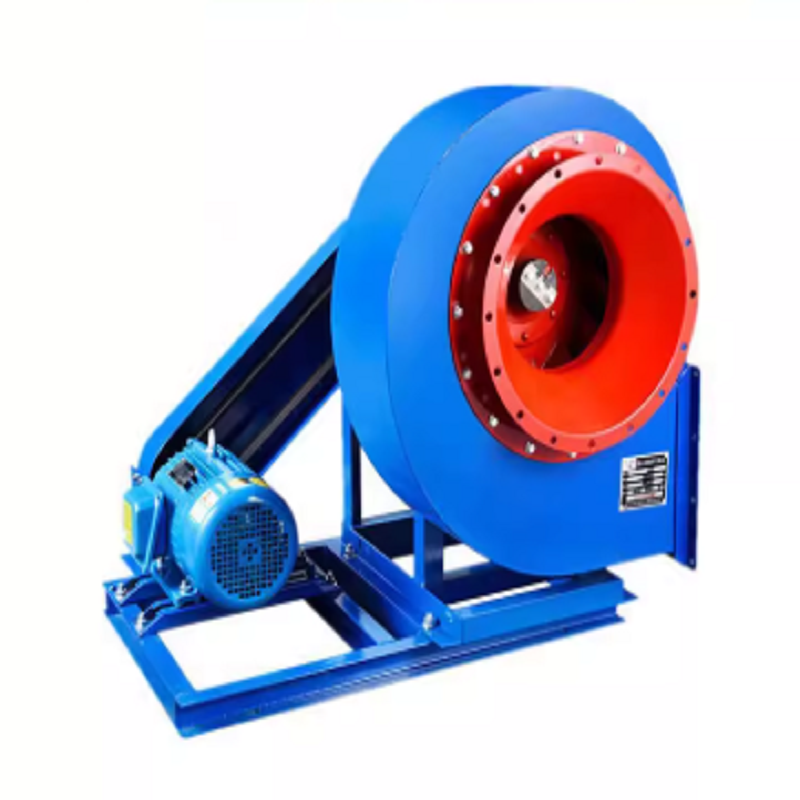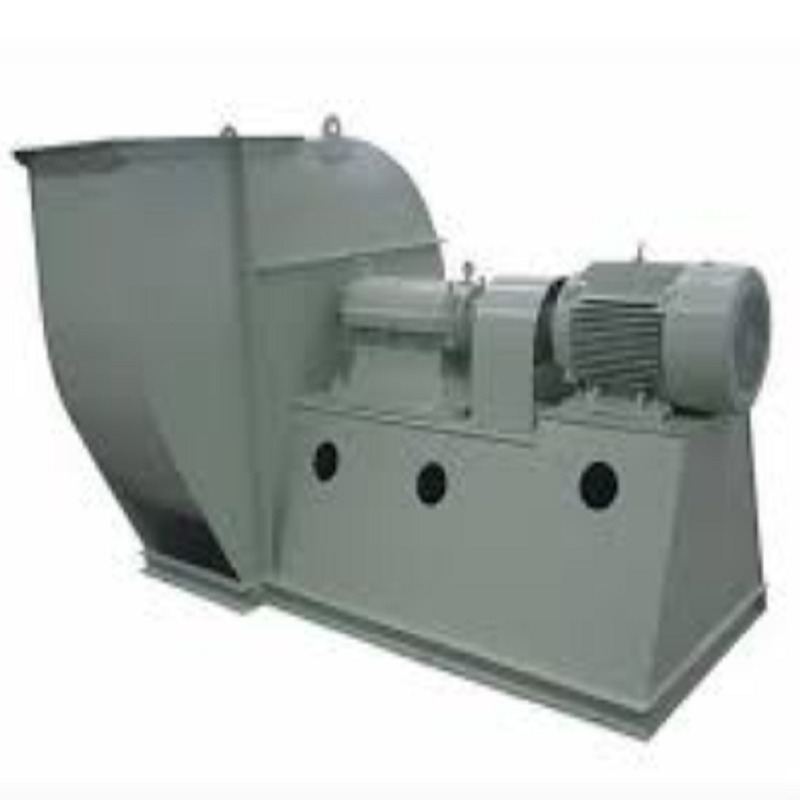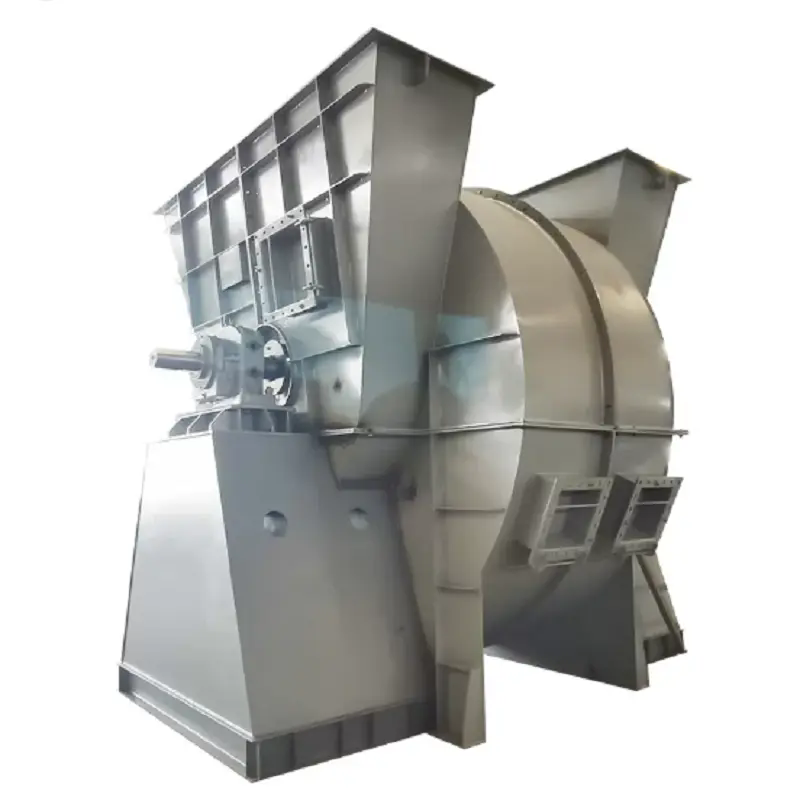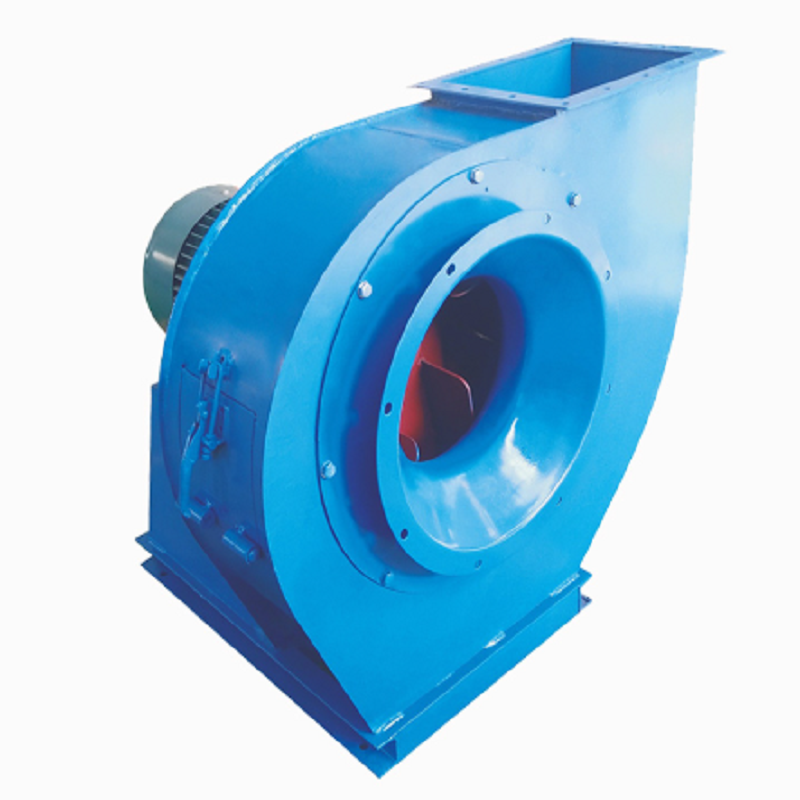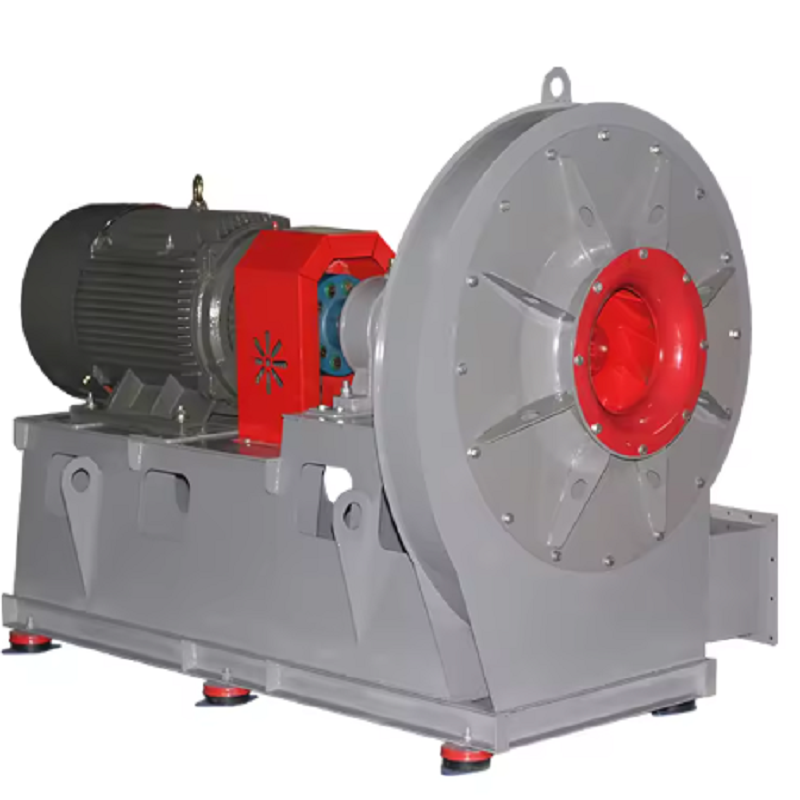
Selecting the right industrial fan for high-pressure systems is critical for ensuring stable airflow, energy efficiency, and long-term equipment reliability. Among various fan types, the Type D Centrifugal Fan is widely used in demanding industrial applications such as dust collection, boiler systems, metallurgy, and chemical processing due to its strong pressure capability and stable performance.
However, proper selection of a Type D Centrifugal Fan requires more than choosing a model from a catalog. Engineers must evaluate system conditions, performance curves, and real operating environments.
In high-pressure industrial systems, the most important parameter is total system resistance. Pipe length, bends, filters, and equipment all contribute to pressure loss.
A correctly selected Type D Centrifugal Fan must operate near its optimal efficiency point. If the fan is undersized, airflow will be insufficient; if oversized, energy waste and vibration issues may occur.
In practice, engineers often calculate the full resistance curve before selecting a Type D Centrifugal Fan to ensure stable system matching.
Every industrial system has a unique operating point. The performance curve of a Type D Centrifugal Fan must intersect with the system resistance curve at an efficient zone.
If the intersection occurs at the wrong point, the fan may:
Operate inefficiently
Produce unstable airflow
Increase long-term maintenance costs
Therefore, curve matching is a key engineering step when selecting a Type D Centrifugal Fan for high-pressure applications.
High-pressure systems often run continuously, making energy consumption a major cost factor. A well-designed Type D Centrifugal Fan uses optimized impeller geometry to reduce aerodynamic losses and improve efficiency.
Even a small efficiency improvement in a Type D Centrifugal Fan can significantly reduce electricity costs over years of operation, especially in large-scale industrial plants.
Industrial environments such as cement plants, steel mills, and chemical facilities expose fans to dust, corrosion, and high temperatures.
In these cases, the Type D Centrifugal Fan must be customized with:
Wear-resistant impellers
Anti-corrosion coatings
Reinforced housing structures
Material selection directly affects the lifespan and stability of a Type D Centrifugal Fan in harsh working conditions.
In a real industrial dust removal system upgrade project in northern China, the original fan system suffered from unstable airflow, frequent maintenance, and high energy consumption.
After technical evaluation, the project adopted a solution provided by Hebei Ketong, using a customized Type D Centrifugal Fan as the core equipment.
Engineers from Hebei Ketong conducted on-site measurements of:
Pipeline resistance
Dust concentration
Required airflow volume
Based on this data, a Type D Centrifugal Fan was selected and optimized with adjusted impeller angle and reinforced wear-resistant materials.
Airflow increased by 18%
Energy consumption reduced by 12%
System stability significantly improved
Maintenance interval extended by 30%
This case demonstrates how a properly engineered Type D Centrifugal Fan can significantly improve system performance when matched correctly to real operating conditions.
High-pressure systems often generate vibration if fan selection is incorrect. A well-balanced Type D Centrifugal Fan reduces mechanical stress and improves operational stability.
Advanced dynamic balancing and structural optimization allow a Type D Centrifugal Fan to maintain low noise levels even under continuous operation.
Maintenance accessibility is another important factor in industrial selection. A well-designed Type D Centrifugal Fan should allow:
Easy impeller inspection
Bearing replacement without full system disassembly
Standardized spare parts availability
These features reduce downtime and improve overall productivity in industrial environments.
Hebei Ketong provides engineered industrial fan solutions tailored to real working conditions rather than standard off-the-shelf products.
Their Type D Centrifugal Fan systems are widely used in high-pressure and heavy-duty industrial applications due to:
Customized engineering design
Full system matching support
Strong adaptation to harsh environments
Reliable long-term technical service
For complex industrial projects, Hebei Ketong ensures that each Type D Centrifugal Fan is selected and optimized based on actual system data.
Selecting an industrial fan for high-pressure systems requires a structured engineering approach rather than simple model selection. Key factors include pressure matching, energy efficiency, material selection, and maintenance design.
The Type D Centrifugal Fan remains one of the most reliable solutions for high-pressure industrial applications. When properly selected and engineered—especially with the support of experienced manufacturers like Hebei Ketong—it can deliver stable, efficient, and long-term performance.