News

Industrial Centrifugal Fans Help Businesses Achieve Energy Saving and Emission Reduction Goals

2026-07-11 0 Leave me a message

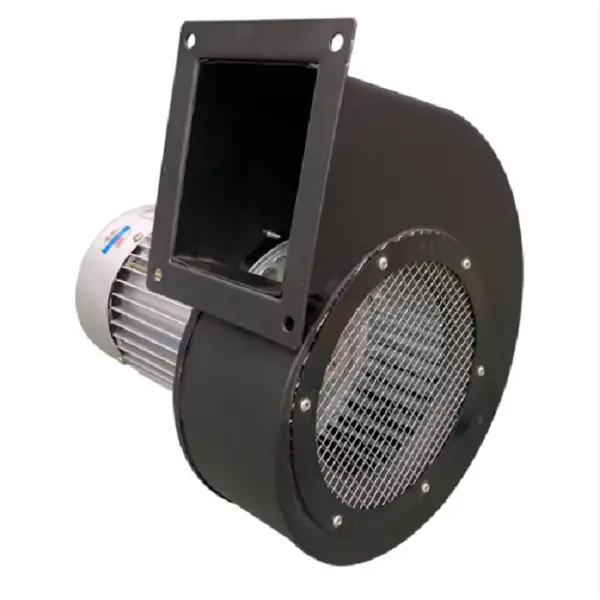
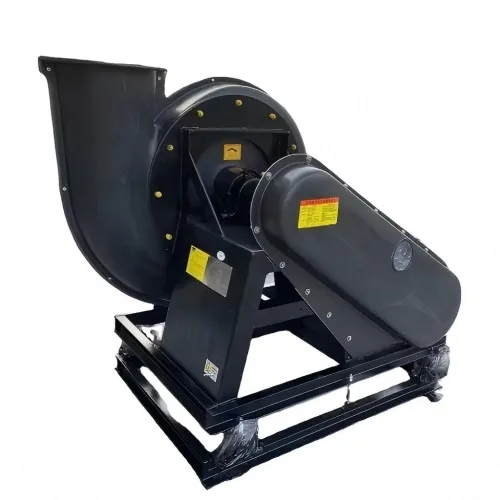
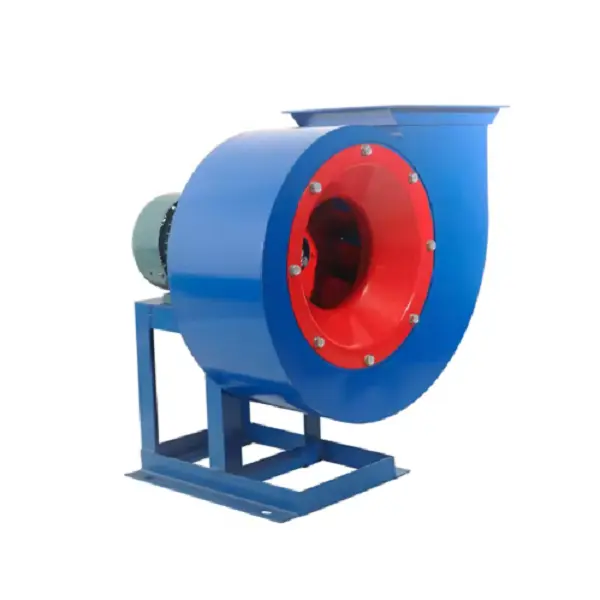
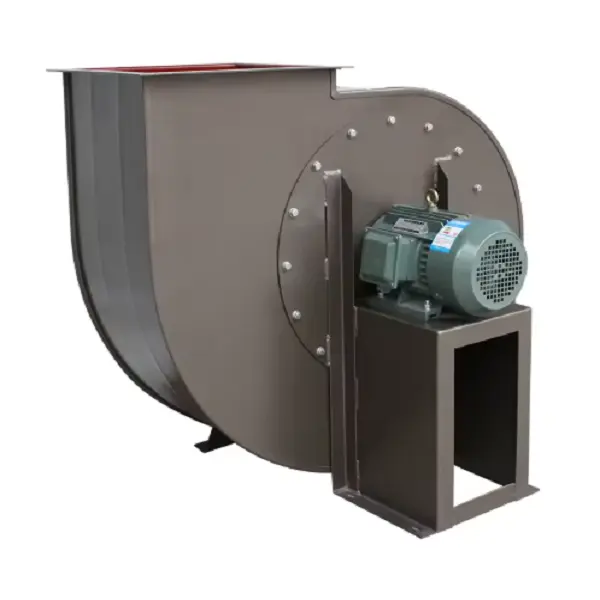
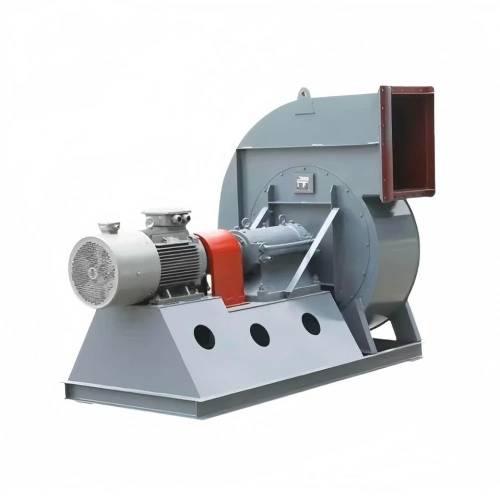
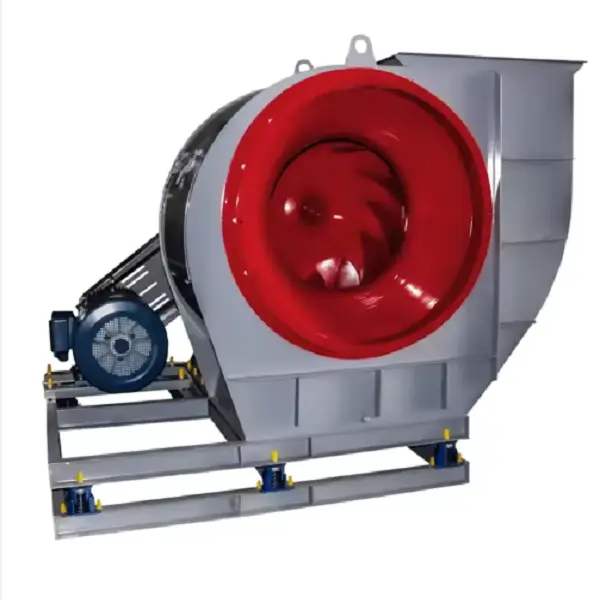
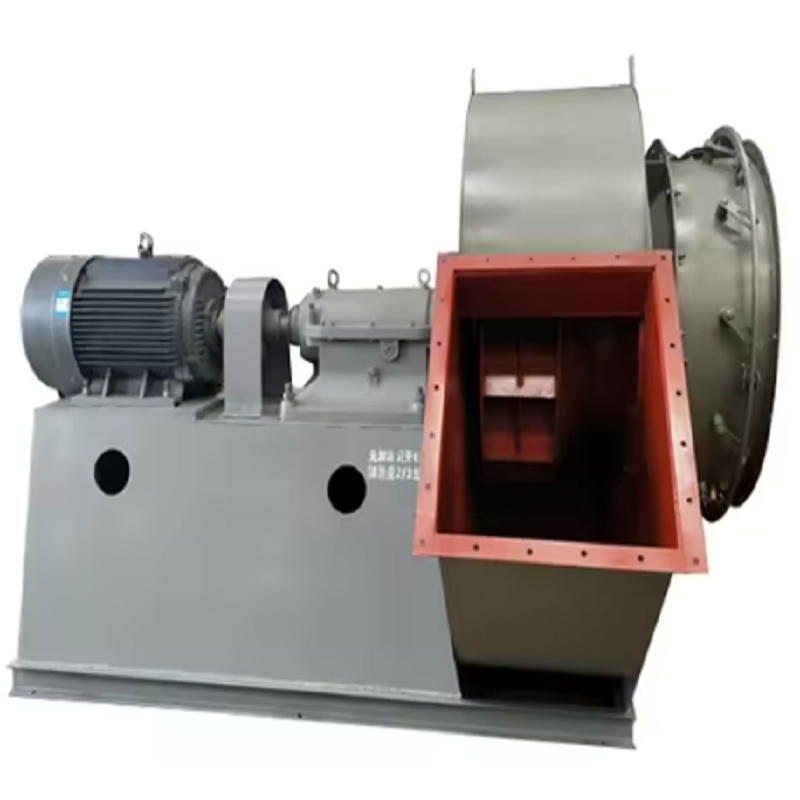
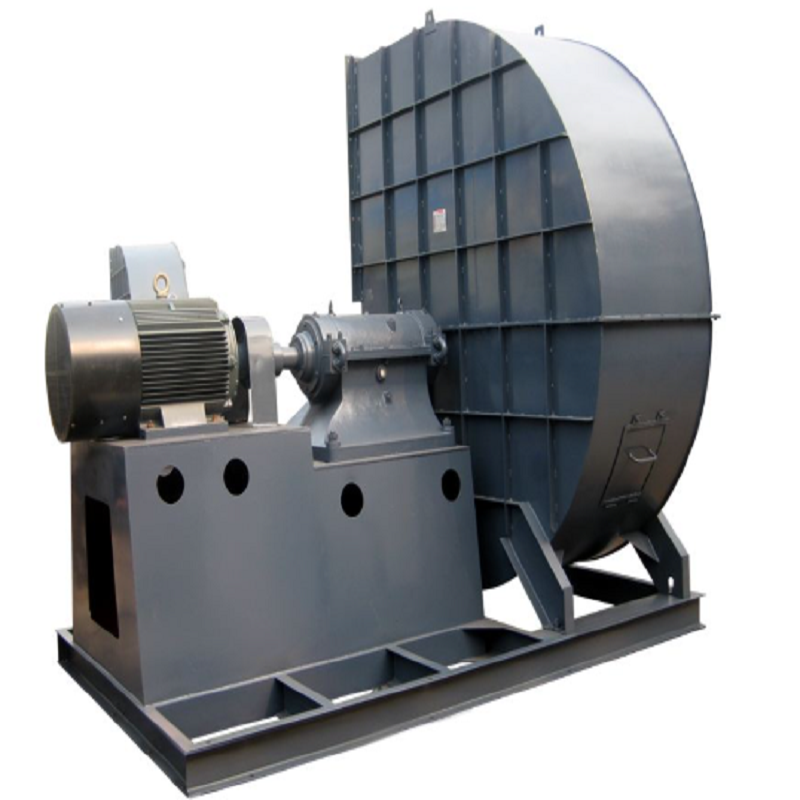
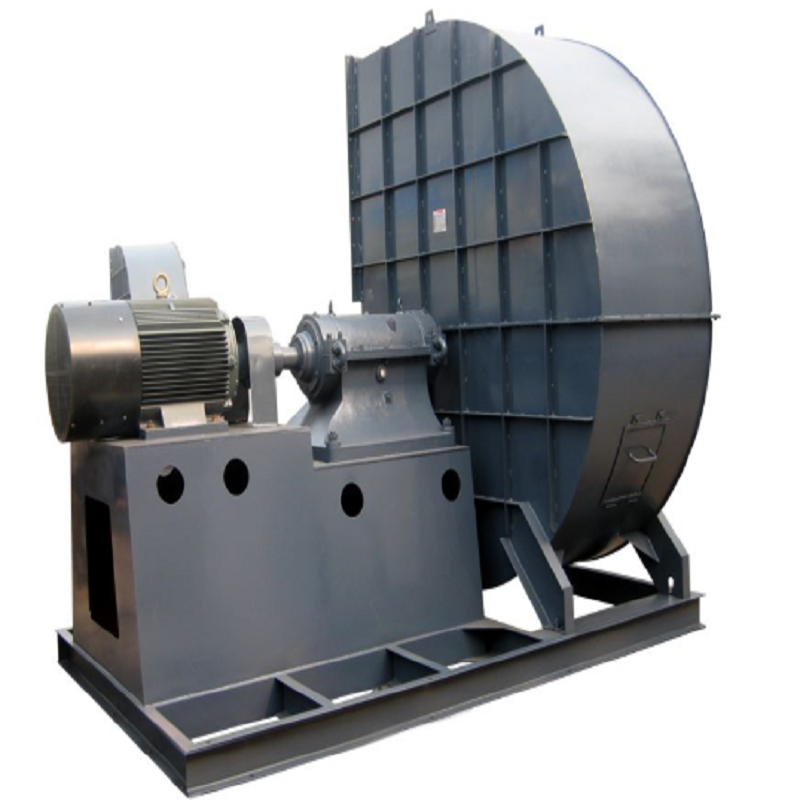
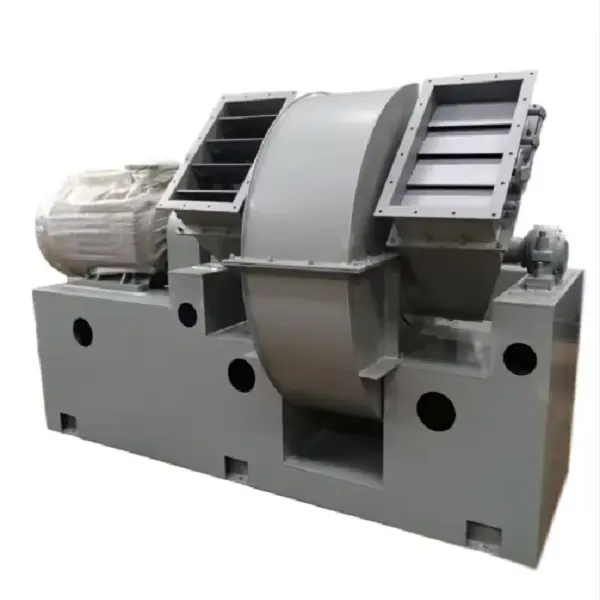
As energy costs continue to rise and environmental regulations become more stringent, manufacturers are placing greater emphasis on improving operational efficiency while reducing carbon emissions. One of the most effective upgrades for industrial ventilation and air handling systems is the adoption of an Industrial Centrifugal Fan. Compared with outdated ventilation equipment, a properly selected Industrial Centrifugal Fan can deliver higher airflow efficiency, lower power consumption, and more stable performance, making it an essential component for modern industrial facilities.

Selecting the right Industrial Centrifugal Fan begins with understanding the actual operating conditions instead of simply choosing the largest available model. Engineers should first evaluate airflow volume, static pressure, operating temperature, dust concentration, and installation space. For example, a metal fabrication plant requiring 45,000 m³/h of airflow for welding exhaust replaced its oversized fan with a backward-curved Industrial Centrifugal Fan matched to the system resistance. After balancing the duct network and optimizing the impeller speed through a variable frequency drive (VFD), the facility reduced electricity consumption by approximately 22% while maintaining the same extraction efficiency. This project demonstrated that proper system matching often delivers greater energy savings than increasing motor power.

Variable frequency drives have become one of the most practical methods for improving the performance of an Industrial Centrifugal Fan. Many factories still regulate airflow by partially closing dampers, which forces the fan to consume unnecessary energy. By installing a VFD, fan speed can automatically adjust according to production demand, significantly reducing power usage during partial-load operation. A food processing facility upgraded three ventilation systems with VFD-controlled Industrial Centrifugal Fan units integrated into its building management system. During periods of lower production, the fan speed automatically decreased by 25% to 35%, reducing annual electricity consumption by nearly 180,000 kWh while improving indoor air quality for employees.

Routine maintenance also has a direct impact on the efficiency of an Industrial Centrifugal Fan. Dust accumulation on impellers, belt wear, bearing misalignment, and air leakage in ductwork gradually reduce system performance and increase operating costs. Many maintenance teams now conduct quarterly vibration analysis, bearing temperature monitoring, and airflow measurements to identify efficiency losses before they become equipment failures. A cement plant implemented predictive maintenance using vibration sensors and thermal inspections on every Industrial Centrifugal Fan in its dust collection system. Within one year, unplanned downtime dropped by more than 30%, maintenance costs decreased significantly, and the plant maintained consistent airflow throughout continuous production.

In addition to reducing electricity consumption, an Industrial Centrifugal Fan contributes directly to corporate sustainability initiatives. Lower energy demand translates into reduced indirect carbon emissions, while stable airflow improves the efficiency of dust collection, combustion, drying, and material handling processes. Industries such as cement, steel, chemical processing, power generation, food manufacturing, and wastewater treatment are increasingly replacing legacy ventilation equipment with high-efficiency Industrial Centrifugal Fan solutions to meet stricter environmental standards without sacrificing productivity.

Looking ahead, digital technologies are expected to further improve the performance of the Industrial Centrifugal Fan. Intelligent monitoring platforms can continuously collect data on airflow, pressure, motor current, vibration, and energy consumption, allowing maintenance personnel to identify performance deviations before they affect production. Combined with high-efficiency motors, optimized impeller designs, and smart control systems, the next generation of Industrial Centrifugal Fan solutions will help manufacturers reduce operating costs, extend equipment life, and achieve long-term energy saving and emission reduction goals while maintaining reliable industrial performance.

Related News
Leave me a message
X
We use cookies to offer you a better browsing experience, analyze site traffic and personalize content. By using this site, you agree to our use of cookies.Privacy Policy
RejectAccept