News

Which Industries Are Stainless Steel Centrifugal Fans Used In?

2026-07-10 0 Leave me a message

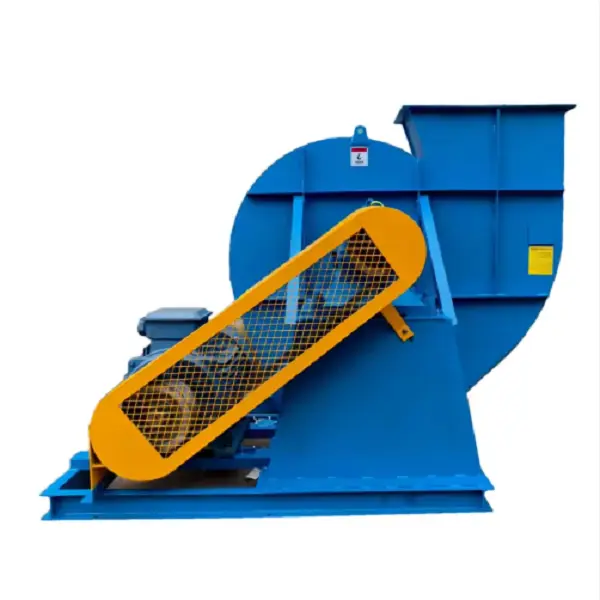
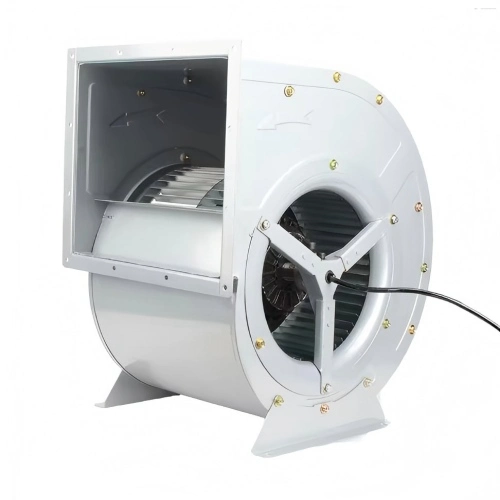
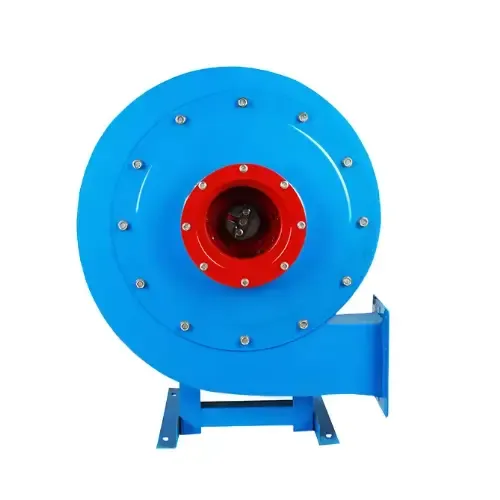
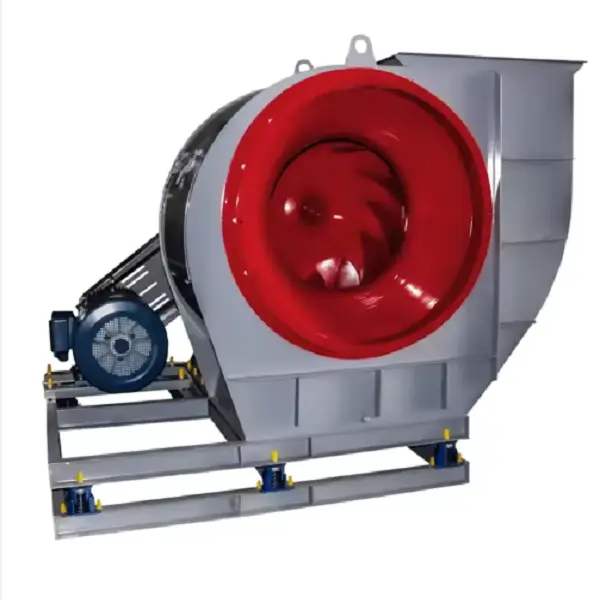
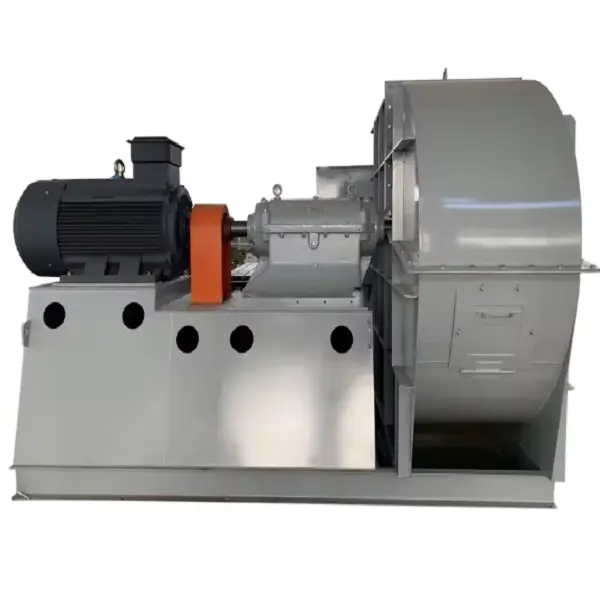
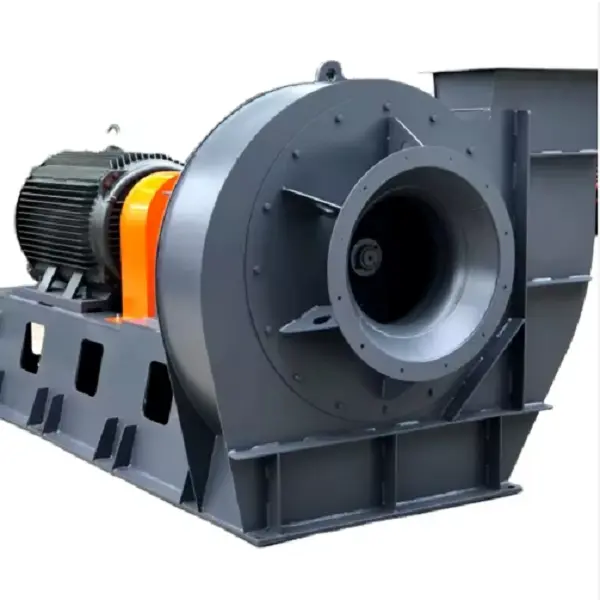
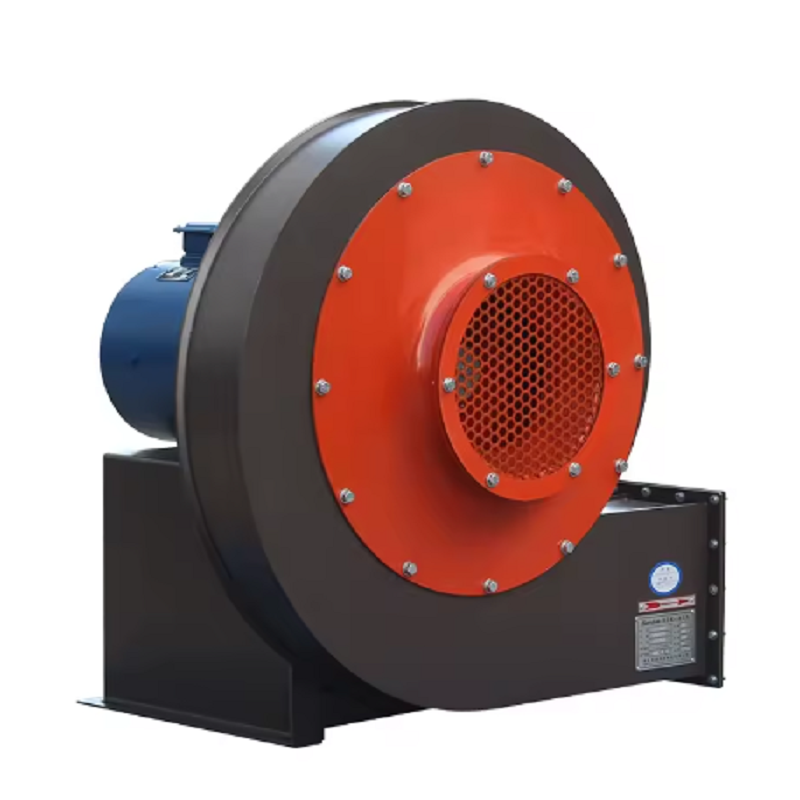
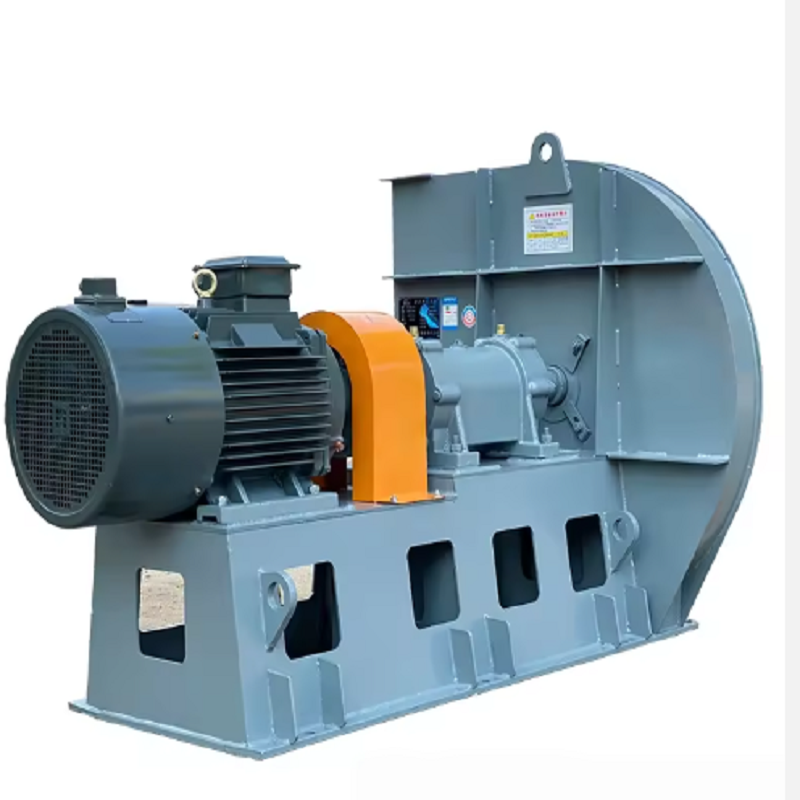
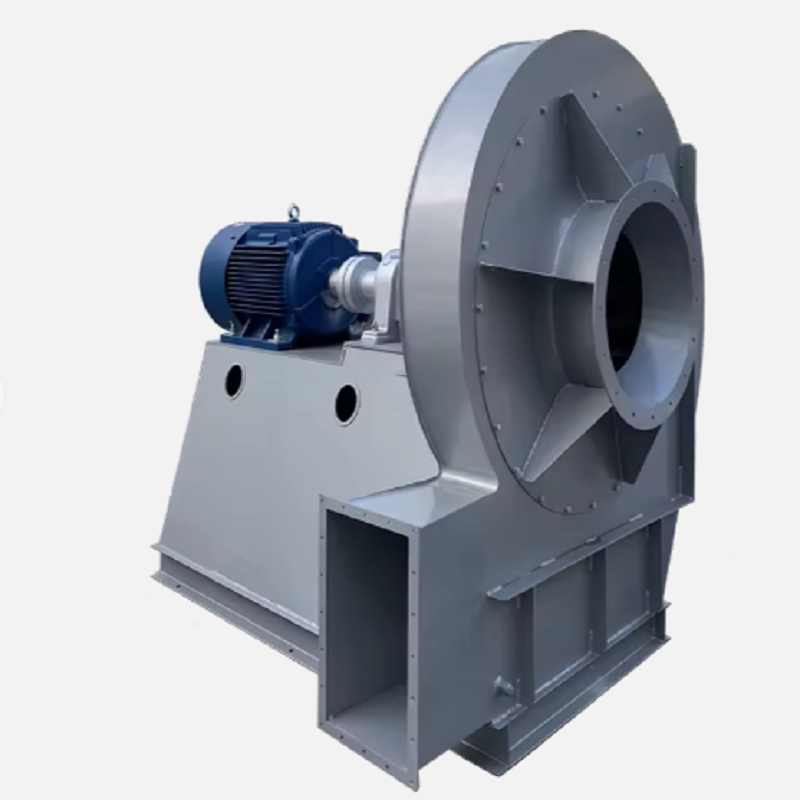
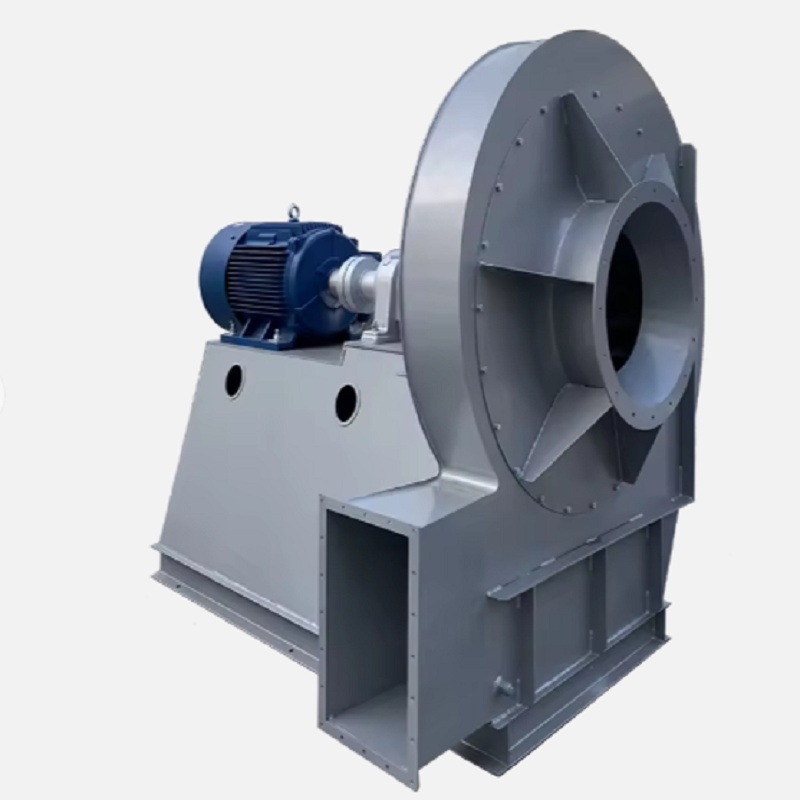
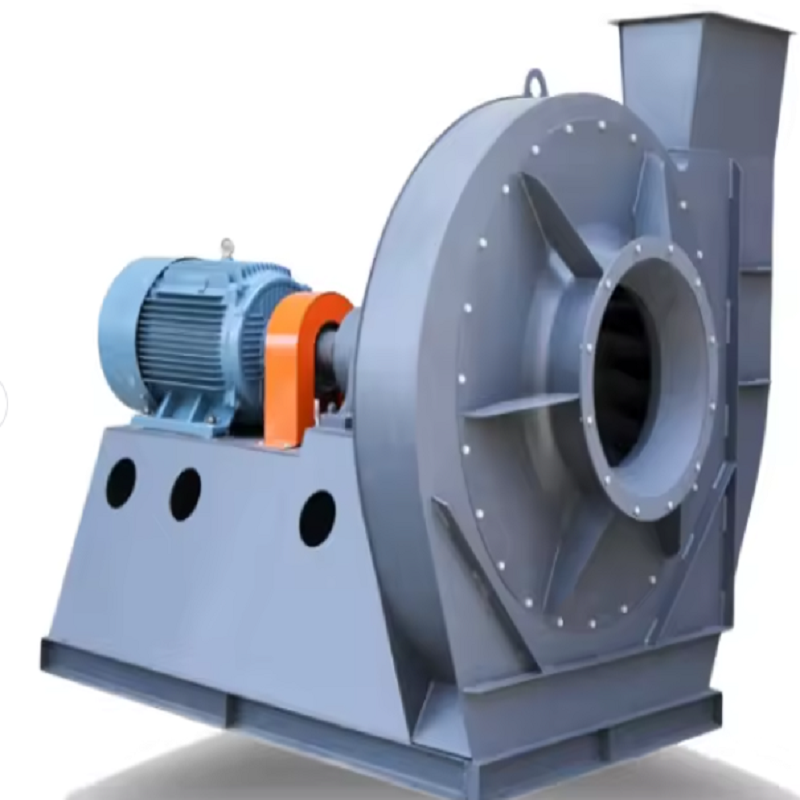
In modern industrial ventilation systems, choosing the right equipment directly affects production efficiency, workplace safety, and operating costs. A Stainless Steel Centrifugal Fan has become the preferred solution for many industries because of its excellent corrosion resistance, durability, and stable airflow performance. Whether handling humid air, chemical fumes, or high-temperature exhaust, stainless steel construction provides reliable long-term operation where ordinary carbon steel fans may fail.

Food Processing Industry

The food processing industry requires strict hygiene standards and equipment that can withstand frequent cleaning. A Stainless Steel Centrifugal Fan is widely used in bakeries, dairy plants, meat processing facilities, and beverage production lines because stainless steel surfaces resist corrosion and are easy to sanitize.

For example, a snack manufacturing plant experienced frequent fan failures due to moisture generated during the frying process. After replacing the existing carbon steel fan with a 304 stainless steel centrifugal fan, the maintenance interval increased from every six months to nearly two years. Production downtime was significantly reduced, and the ventilation system continued operating efficiently despite the humid environment.

Chemical Manufacturing

Chemical plants often generate corrosive gases such as acid mist, alkali vapor, and solvent emissions. In these environments, selecting a Stainless Steel Centrifugal Fan helps prevent corrosion-related failures and extends equipment life.

A practical example comes from a chemical mixing workshop handling hydrochloric acid vapors. Engineers selected a 316 stainless steel centrifugal fan with a corrosion-resistant impeller and sealed motor housing. After installation, the ventilation system maintained stable airflow while reducing maintenance costs by more than 30% compared with the previous galvanized steel fan.

Pharmaceutical Industry

Pharmaceutical production requires clean environments with precise air circulation. A Stainless Steel Centrifugal Fan is commonly installed in cleanrooms, tablet manufacturing areas, laboratory ventilation systems, and sterile packaging workshops.

When selecting a fan for pharmaceutical applications, engineers usually focus on several key factors:

Choose food-grade 304 or 316 stainless steel materials.

Match airflow and static pressure to the cleanroom design.

Ensure the fan housing is easy to clean and resistant to disinfectants.

Select low-noise models to improve the working environment.

Perform regular balancing inspections to maintain stable airflow.

Following these practices helps manufacturers meet strict hygiene and quality standards while reducing operational risks.

Wastewater Treatment and Environmental Protection

Wastewater treatment plants frequently deal with corrosive gases containing hydrogen sulfide, ammonia, and other harmful substances. A Stainless Steel Centrifugal Fan provides reliable ventilation in odor control systems, sludge treatment facilities, and chemical dosing stations.

One municipal wastewater treatment project upgraded its ventilation equipment after repeated corrosion problems. Engineers installed stainless steel centrifugal fans with anti-corrosion coatings and variable frequency drives. The new system not only improved airflow control but also reduced annual energy consumption by approximately 18%, while requiring fewer maintenance shutdowns.

Marine and Offshore Applications

Marine environments expose equipment to salt spray and constant humidity, making corrosion resistance essential. A Stainless Steel Centrifugal Fan is commonly used on ships, offshore platforms, and coastal industrial facilities to ventilate engine rooms, cargo holds, and enclosed machinery spaces.

Many shipbuilders prefer stainless steel fans because they maintain structural integrity under harsh environmental conditions. Compared with conventional steel fans, stainless steel models require less maintenance and provide a longer service life, reducing total ownership costs for vessel operators.

How to Choose the Right Stainless Steel Centrifugal Fan

Selecting the correct Stainless Steel Centrifugal Fan depends on more than airflow capacity alone. Engineers should evaluate the operating temperature, gas composition, humidity level, pressure requirements, installation space, and energy efficiency before making a decision.

For mildly corrosive environments, 304 stainless steel is generally sufficient. However, facilities exposed to chlorides, acids, or seawater should consider 316 stainless steel for enhanced corrosion resistance. In addition, choosing a fan with a high-efficiency impeller and variable frequency drive can further reduce operating costs while maintaining stable airflow.

Conclusion

From food production and pharmaceuticals to chemical processing, wastewater treatment, and marine engineering, the Stainless Steel Centrifugal Fan has become an essential component of modern industrial ventilation systems. Its superior corrosion resistance, long service life, and dependable performance make it a valuable investment for businesses operating in demanding environments. By selecting the appropriate material grade and matching the fan to the application's specific requirements, companies can improve system reliability, reduce maintenance expenses, and achieve greater operational efficiency over the long term.

Related News
Leave me a message
X
We use cookies to offer you a better browsing experience, analyze site traffic and personalize content. By using this site, you agree to our use of cookies.Privacy Policy
RejectAccept