News

Type A Centrifugal Fan Improves Industrial Ventilation Efficiency and Energy Savings

2026-07-01 0 Leave me a message

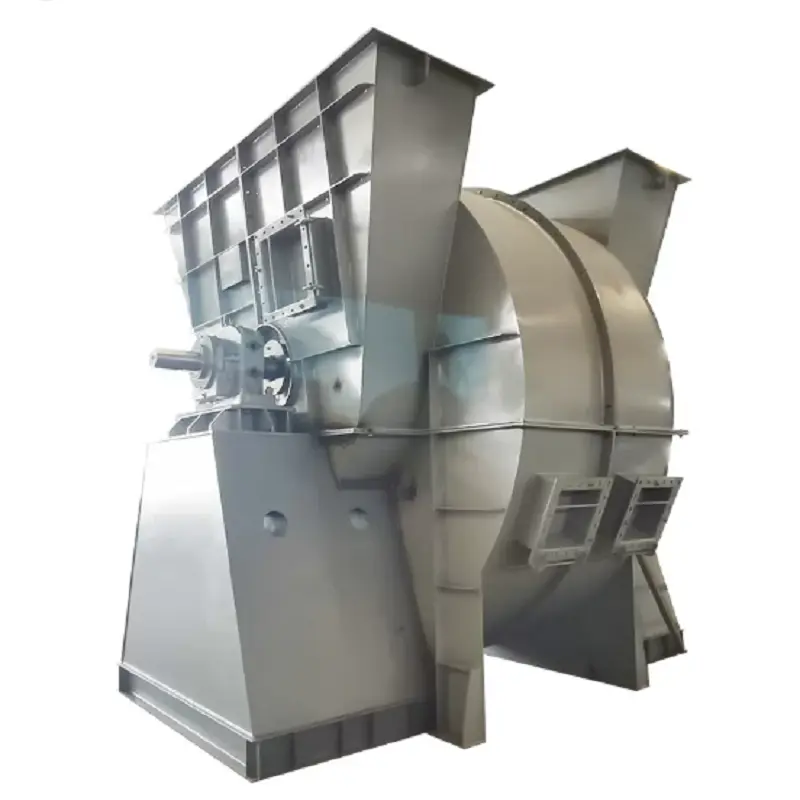
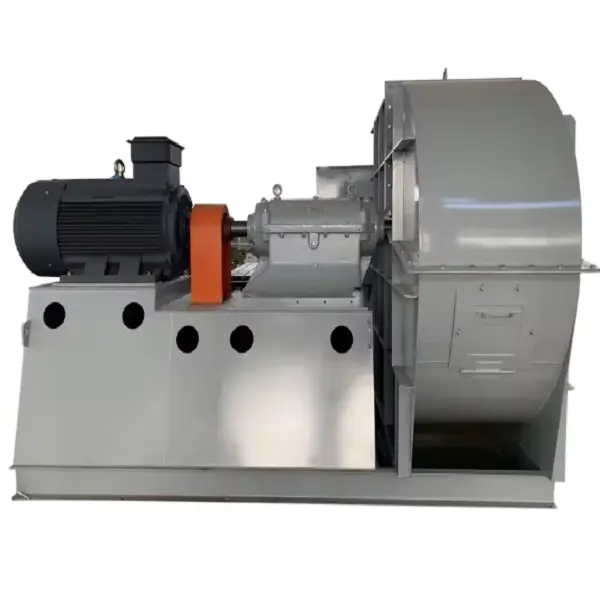
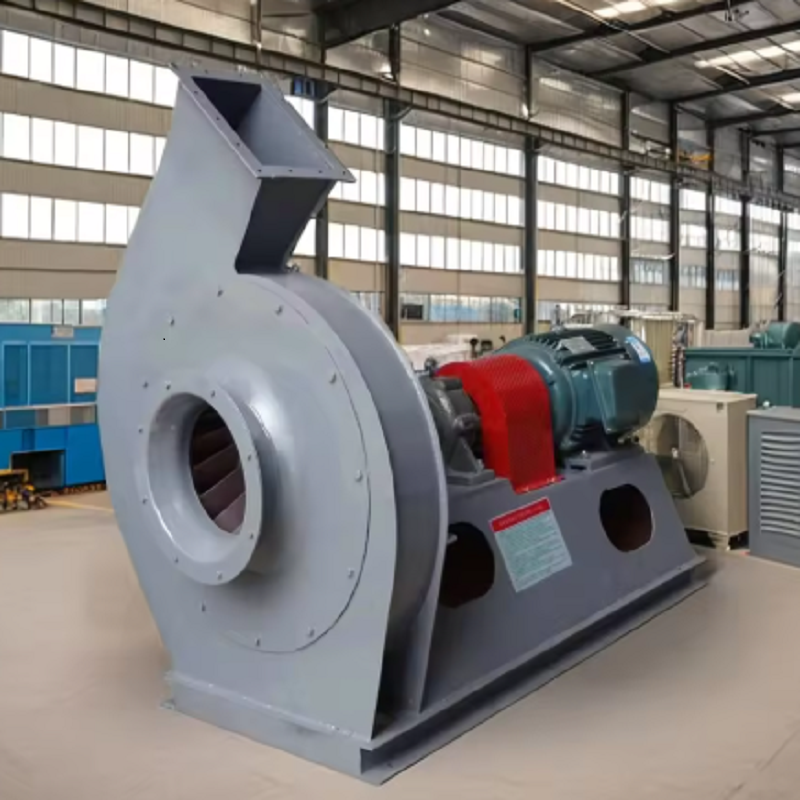
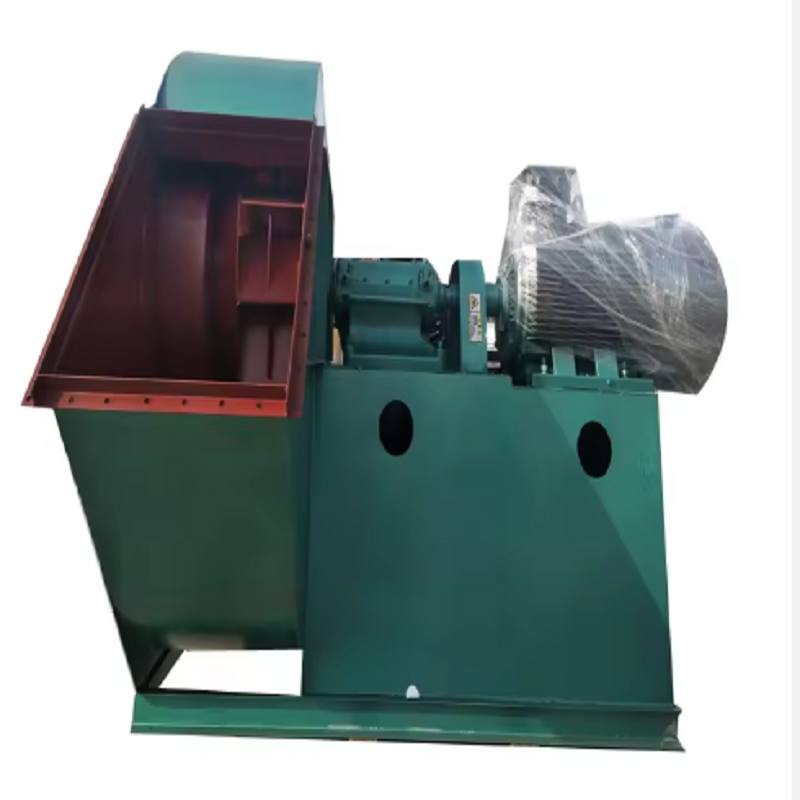
Industrial facilities are under increasing pressure to improve energy efficiency while maintaining stable ventilation performance. Whether in manufacturing plants, dust collection systems, or material handling processes, selecting the right fan directly affects operating costs and equipment reliability. For many industrial applications, the Type A Centrifugal Fan has become a preferred solution because of its compact direct-drive structure, consistent airflow, and reduced maintenance requirements.

Why Choose a Type A Centrifugal Fan?

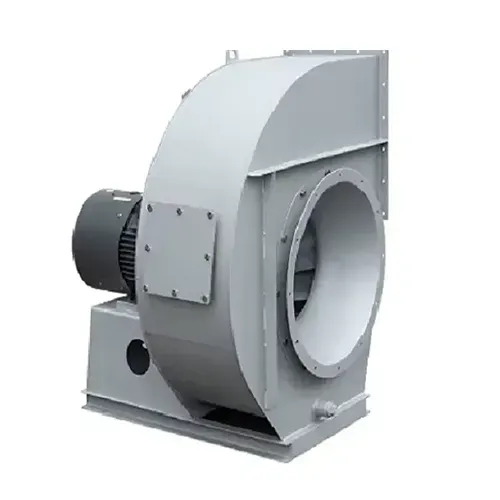
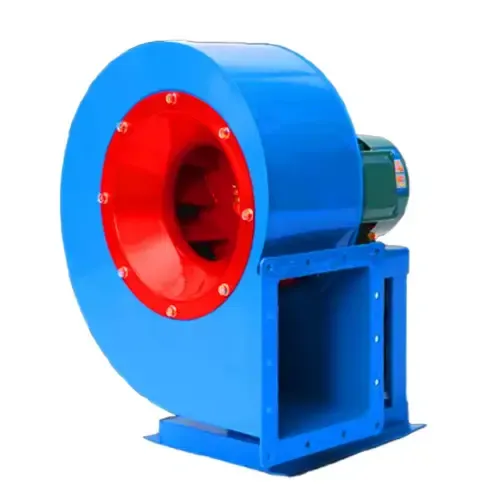
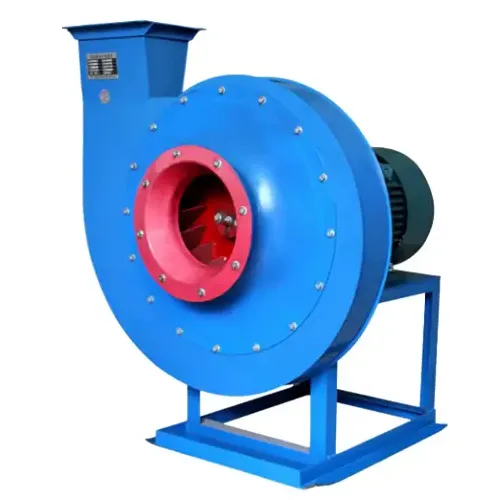
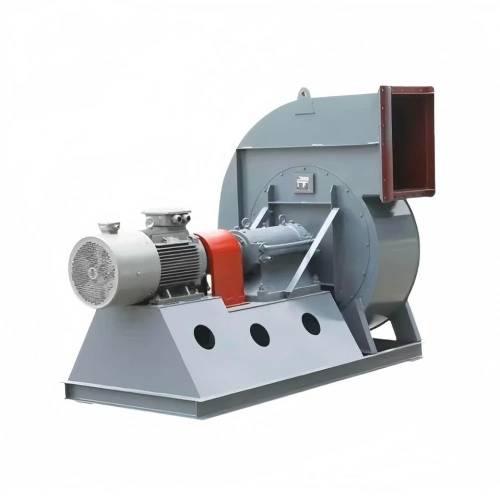
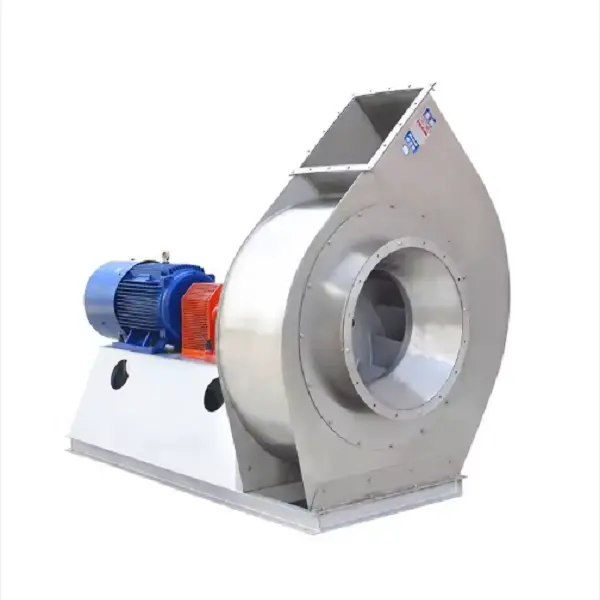
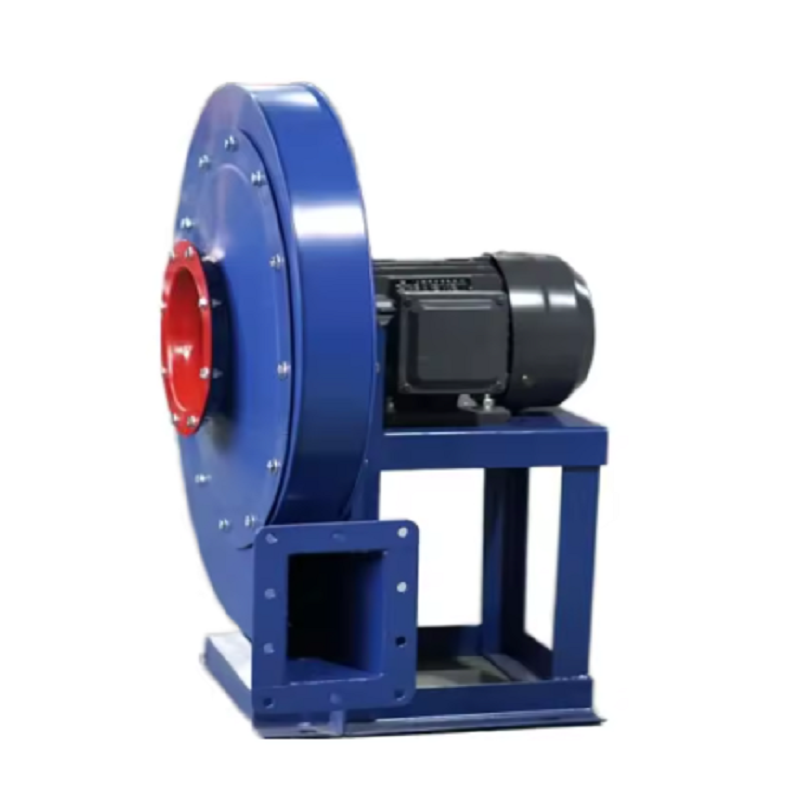
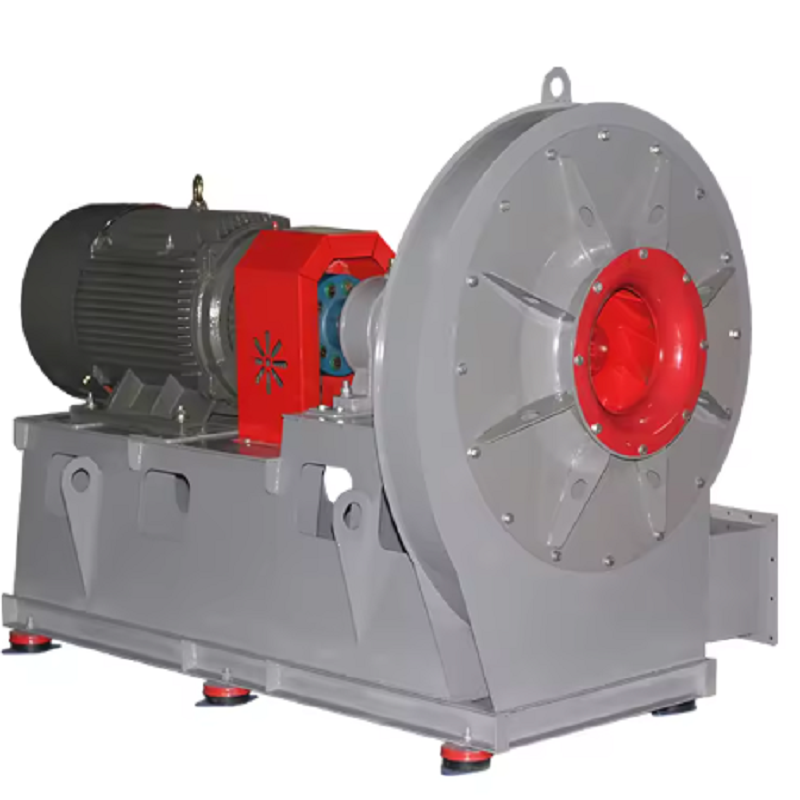
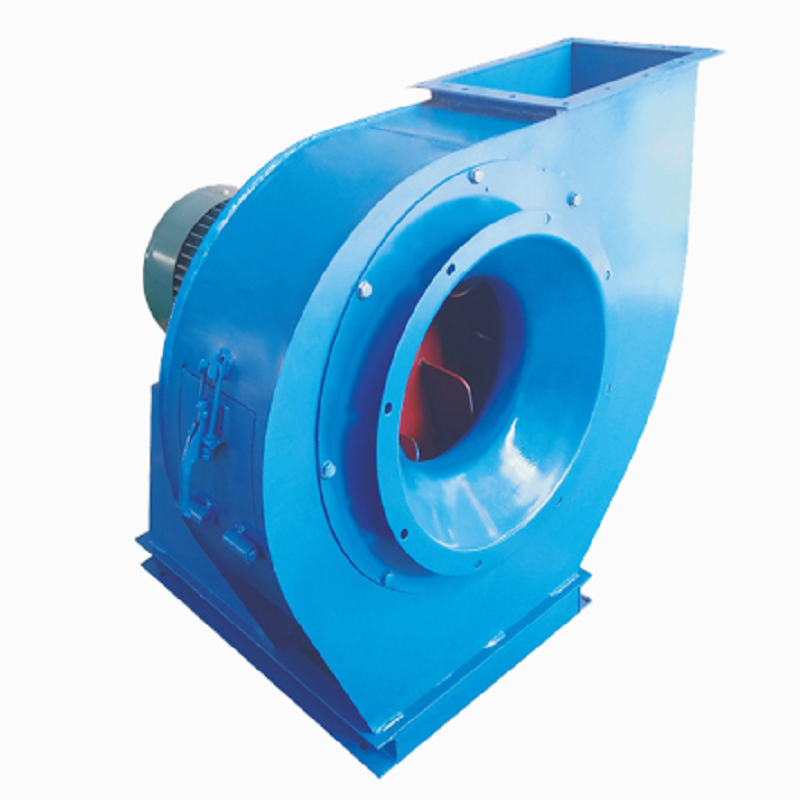
A Type A Centrifugal Fan features a direct-drive configuration in which the impeller is mounted directly on the motor shaft. This design eliminates the need for belts and pulleys, reducing transmission losses while improving mechanical efficiency. With fewer moving parts, maintenance becomes simpler and unexpected downtime is minimized.

In facilities where continuous operation is essential, direct-drive fans also reduce vibration caused by belt wear or improper tension, helping maintain stable airflow throughout long production cycles.

Practical Installation Tips for Better Performance

Proper installation plays a significant role in maximizing the performance of a Type A Centrifugal Fan. Before installation, engineers should verify that the mounting base is level and rigid enough to absorb vibration. Flexible connectors should be installed on both the inlet and outlet ducts to prevent stress from transferring to the fan housing.

Another practical recommendation is to ensure sufficient straight duct length before the inlet. In one metal fabrication workshop, airflow instability caused by an elbow positioned too close to the fan inlet reduced efficiency by nearly 12%. After relocating the duct and reinstalling the Type A Centrifugal Fan with a longer straight inlet section, airflow became more uniform and power consumption dropped noticeably.

Real Application Case: Dust Collection System Upgrade

A woodworking manufacturer operating multiple CNC cutting machines faced frequent dust accumulation and rising electricity costs. The original belt-driven fan required regular belt replacement and suffered airflow fluctuations during peak production.

After replacing the existing equipment with a Type A Centrifugal Fan, several improvements were recorded during a three-month evaluation period:

Dust collection efficiency increased by approximately 18%.

Power consumption decreased by around 11%.

Routine maintenance time was reduced because belt inspections were no longer required.

Noise levels near the fan station dropped by about 5 dB.

The engineering team also installed a variable frequency drive (VFD), allowing fan speed to adjust automatically according to production demand. This combination further improved overall system efficiency without sacrificing airflow.

Maintenance Recommendations for Long-Term Reliability

Although a Type A Centrifugal Fan requires less maintenance than belt-driven models, routine inspections remain essential. Operators should periodically check motor bearings, clean accumulated dust from the impeller, and verify that all mounting bolts remain securely tightened.

Monitoring motor current is another practical method for identifying potential problems early. A gradual increase in current often indicates airflow blockage or excessive dust buildup rather than motor failure. Addressing these issues promptly helps avoid costly shutdowns and extends equipment service life.

Meeting Modern Industrial Sustainability Goals

As industries continue investing in energy-efficient equipment, the Type A Centrifugal Fan offers an effective balance of performance, reliability, and operating economy. Its direct-drive design minimizes mechanical losses while supporting stable airflow across a wide range of industrial processes.

For manufacturers seeking to reduce maintenance costs, improve ventilation efficiency, and support long-term sustainability objectives, selecting a properly sized Type A Centrifugal Fan and installing it according to best engineering practices can deliver measurable operational benefits over the lifetime of the system.

Related News
Leave me a message
X
We use cookies to offer you a better browsing experience, analyze site traffic and personalize content. By using this site, you agree to our use of cookies.Privacy Policy
RejectAccept