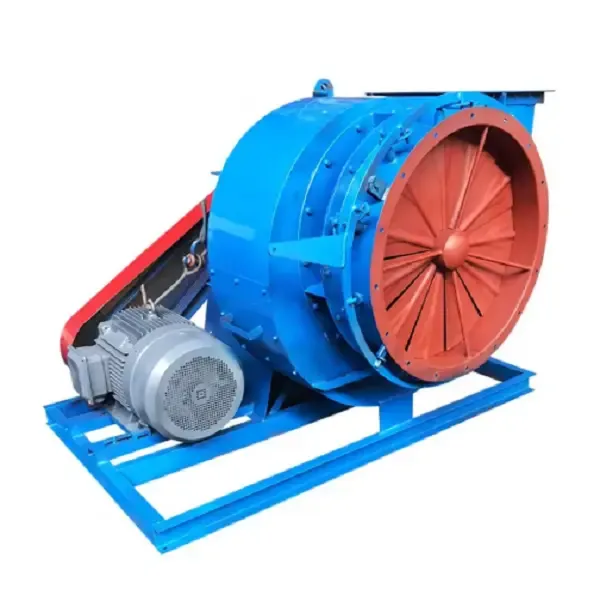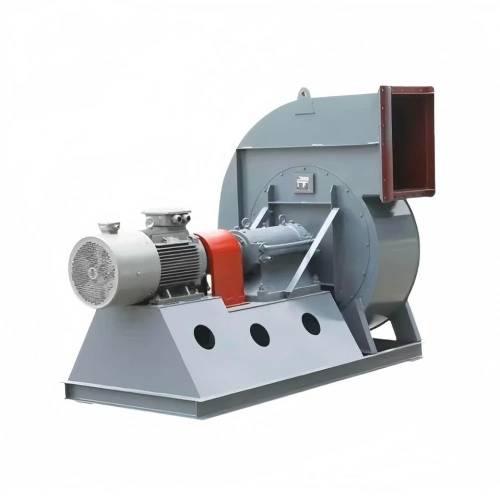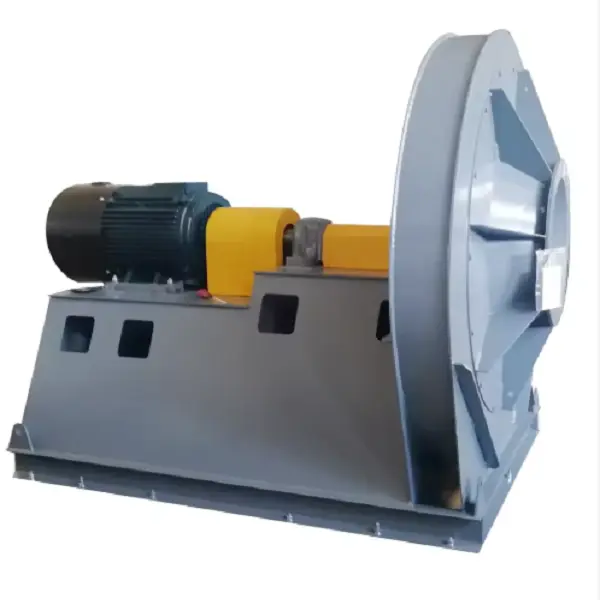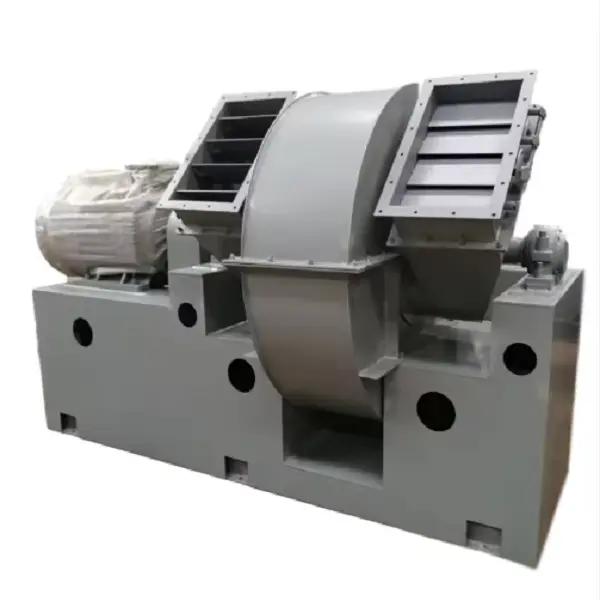
Manufacturing facilities require stable and efficient ventilation systems to maintain air quality, protect production equipment, and provide a safe working environment. As production lines continue to operate at higher capacities, more manufacturers are upgrading their ventilation systems with Type A Centrifugal Fan solutions that deliver reliable airflow, consistent pressure, and long-term operational efficiency.
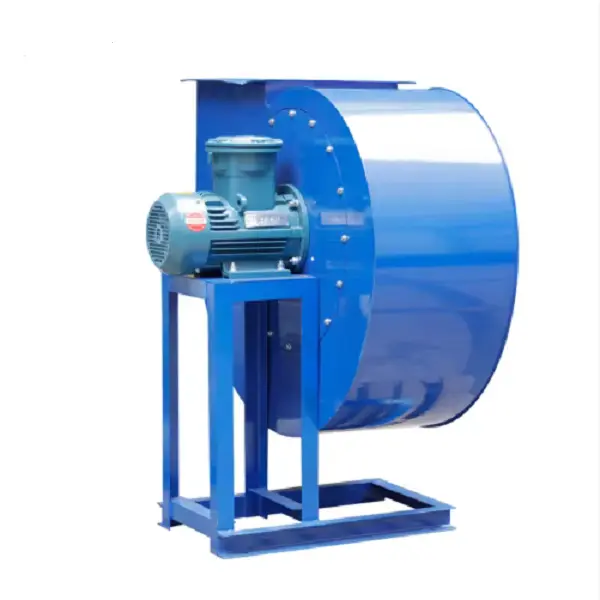
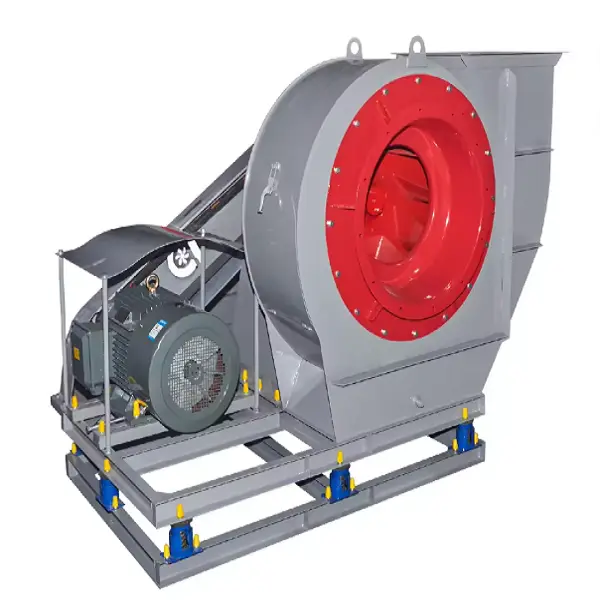
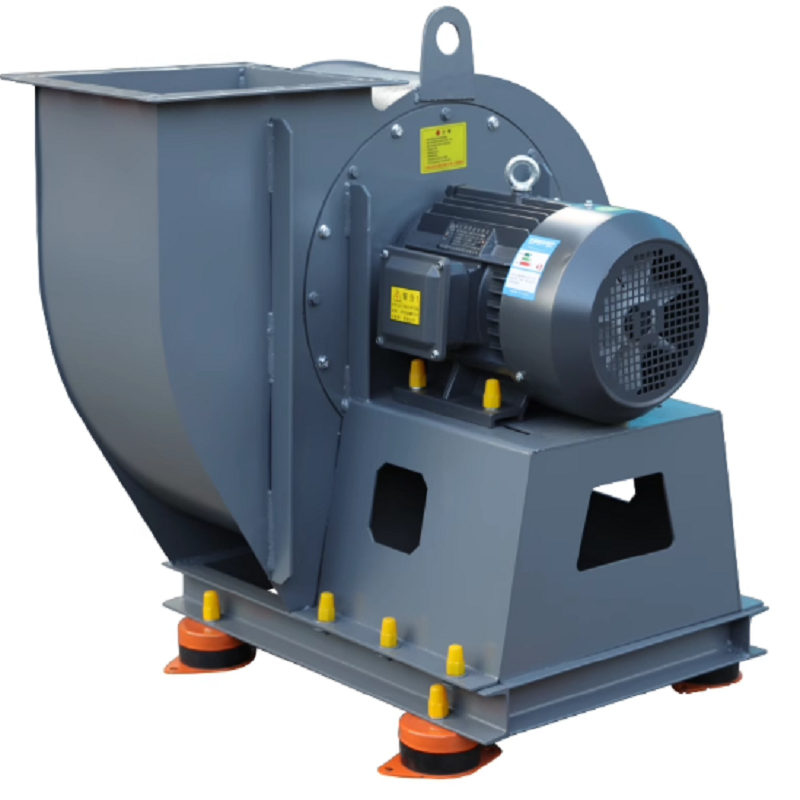
One of the main challenges in industrial ventilation is selecting equipment that can match different airflow and static pressure requirements. A Type A Centrifugal Fan, where the impeller is directly mounted on the motor shaft, offers a compact design with fewer transmission components. Without belts or pulleys, installation becomes simpler and routine maintenance is reduced. This design is widely used in factories, warehouses, packaging plants, and commercial ventilation systems where space and reliability are equally important.
For example, an automotive parts manufacturer in Southeast Asia recently upgraded its welding workshop ventilation system by replacing several aging belt-driven fans with a series of Type A Centrifugal Fan units. Before the upgrade, operators frequently reported uneven airflow and excessive maintenance caused by worn belts. After installation, airflow distribution became more consistent across the production area, maintenance intervals were extended, and overall energy consumption dropped because mechanical transmission losses were eliminated.
To achieve the best performance, engineers recommend following several practical installation steps when using a Type A Centrifugal Fan. First, calculate the required airflow (CFM or m³/h) and static pressure based on the facility layout rather than selecting a fan solely by motor power. Second, install flexible connectors to reduce vibration transmitted to ductwork. Third, ensure sufficient clearance around the air inlet to avoid airflow restriction. Finally, verify the motor rotation direction during commissioning, as incorrect rotation can significantly reduce airflow and efficiency.
Regular maintenance is equally important for keeping a Type A Centrifugal Fan operating at peak efficiency. Maintenance personnel should inspect the impeller for dust accumulation, check bearing temperature during routine inspections, tighten mounting bolts, and monitor vibration levels. Cleaning the impeller at scheduled intervals helps maintain airflow performance, while vibration monitoring can identify early signs of bearing wear before unexpected downtime occurs. These preventive measures often extend equipment life and reduce operating costs.
As manufacturers continue investing in energy-efficient production facilities, the demand for dependable ventilation equipment is expected to grow. A well-designed Type A Centrifugal Fan not only improves workplace air circulation but also supports dust extraction, process cooling, and equipment protection across a wide range of industrial applications. By combining proper fan selection, professional installation, and preventive maintenance, manufacturers can build ventilation systems that deliver reliable performance for years while minimizing maintenance expenses and energy consumption.