News

How Do You Choose the Right Type D Centrifugal Fan for Industrial Applications?

2026-07-16 0 Leave me a message

Industrial ventilation systems are only as reliable as the equipment behind them. Selecting the wrong fan can lead to high energy consumption, unstable airflow, excessive maintenance, and even production downtime. This is why choosing the right Type D Centrifugal Fan is an important decision for engineers, plant managers, and equipment manufacturers.

Rather than focusing only on airflow or price, buyers should evaluate operating conditions, efficiency, installation requirements, and long-term operating costs before making a decision.

Understand Where a Type D Centrifugal Fan Performs Best

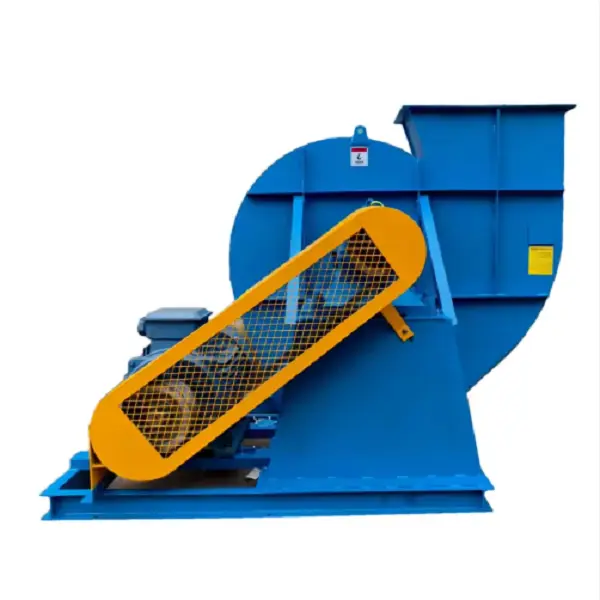
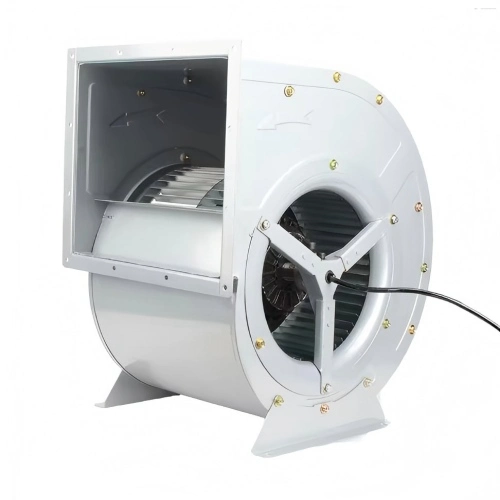
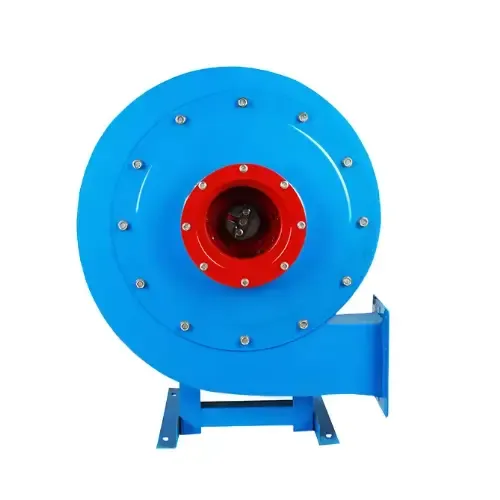
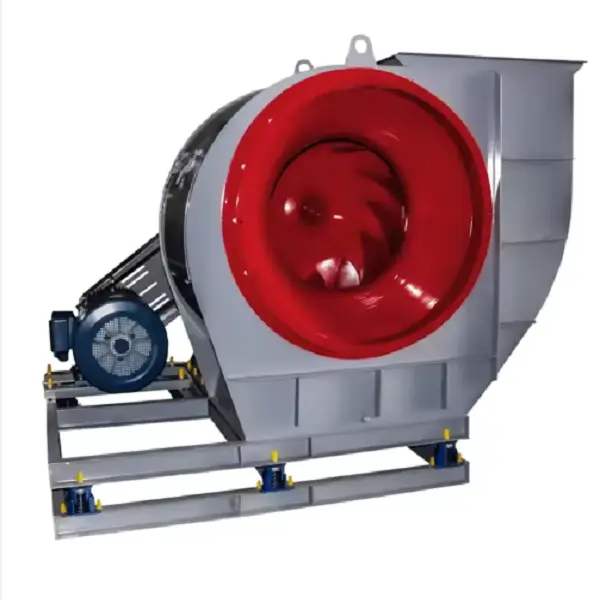
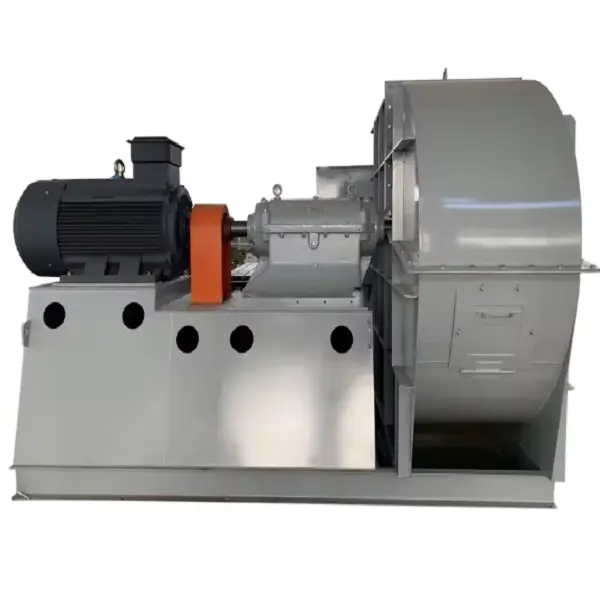
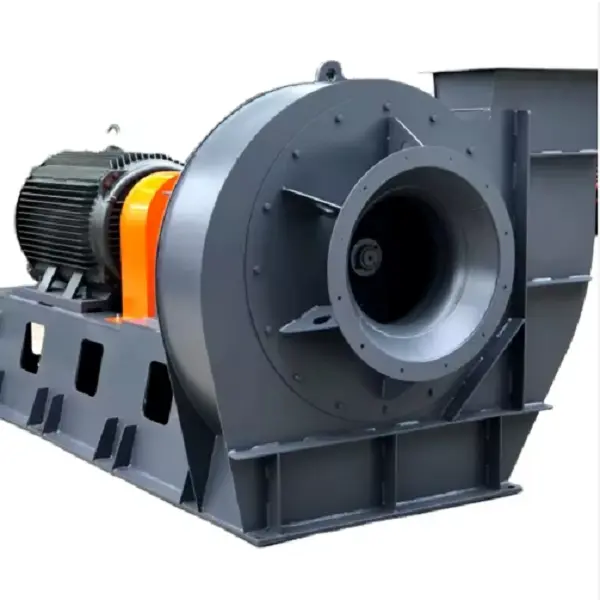
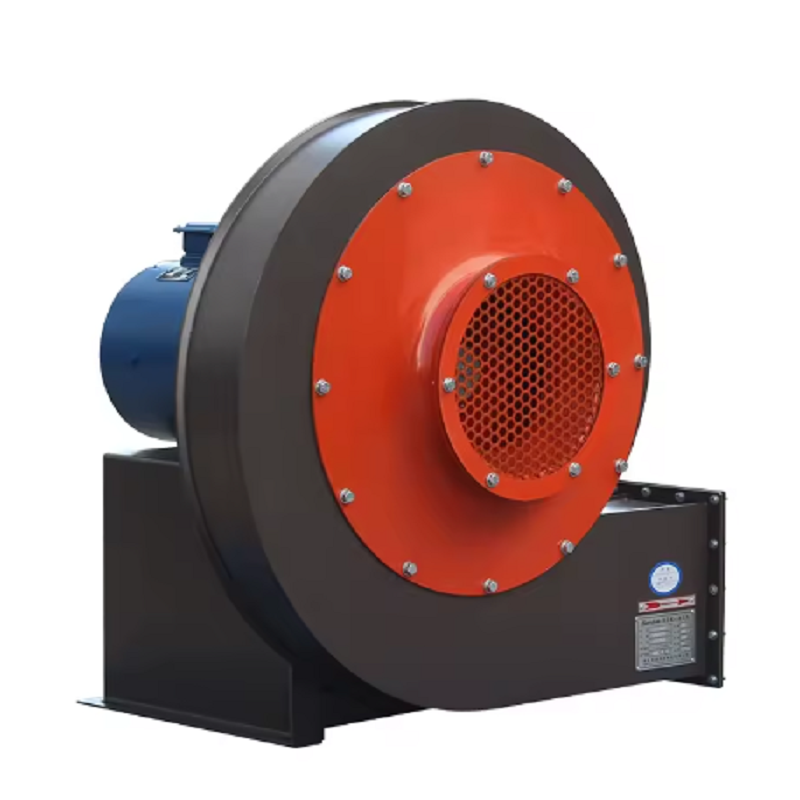
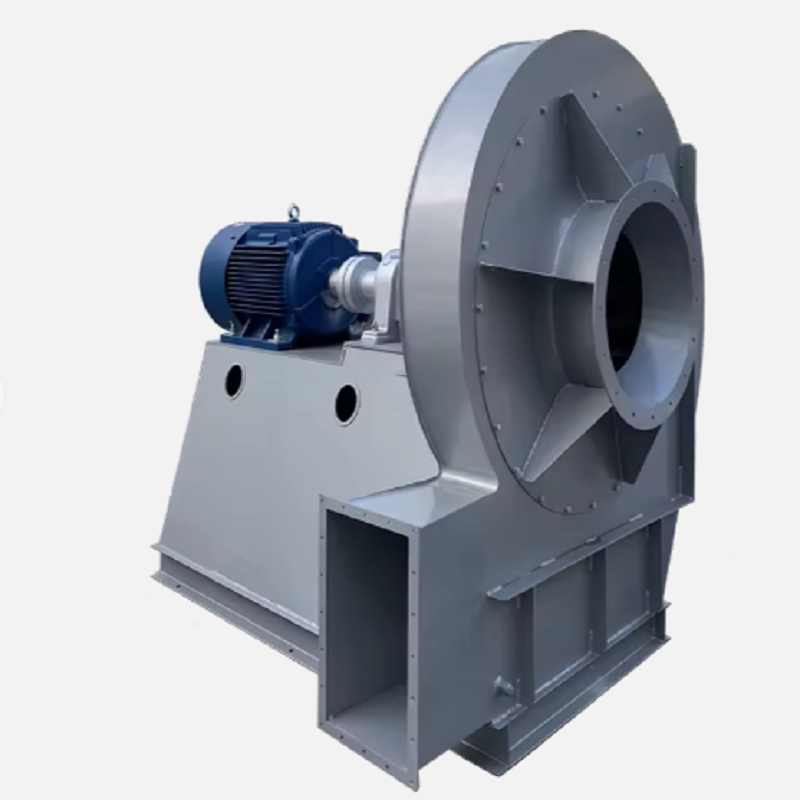
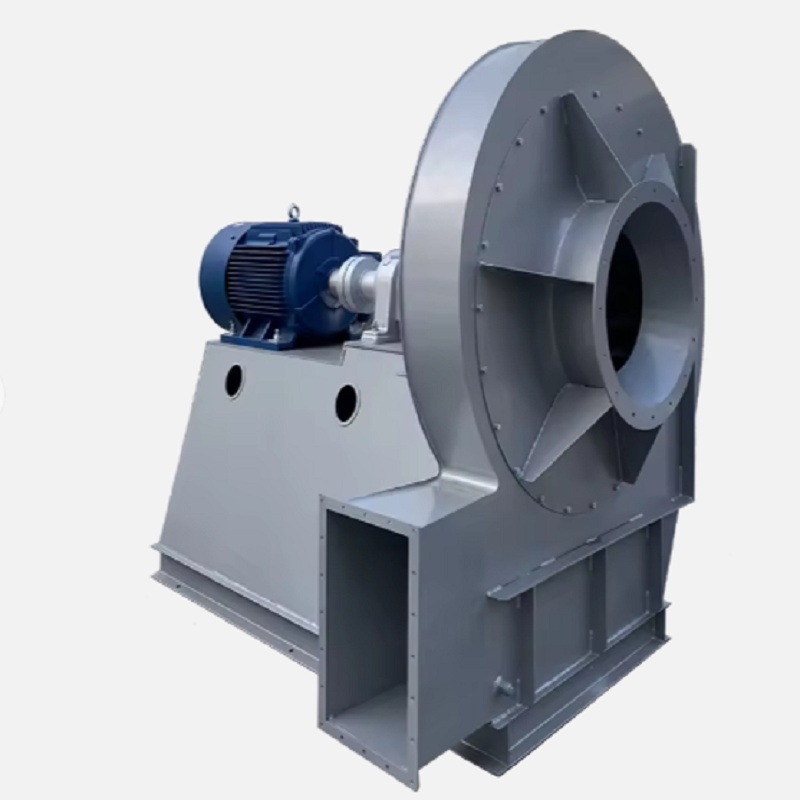
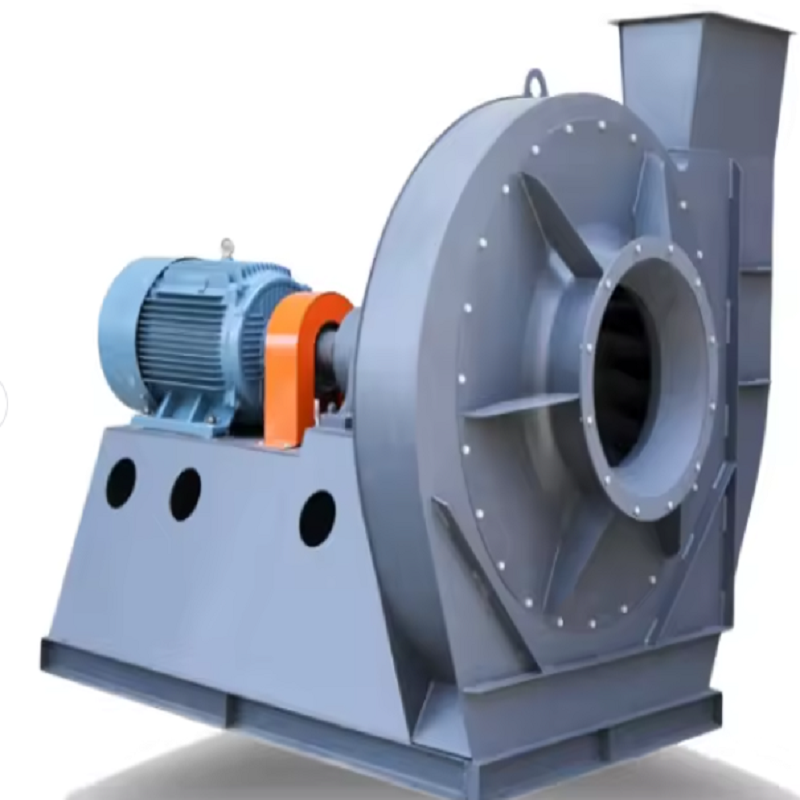
A Type D Centrifugal Fan is commonly used in applications requiring stable airflow under medium to high pressure. Compared with standard axial fans, it is better suited for systems with long duct runs, filtration equipment, dust collection units, boilers, and industrial ventilation networks.

Typical applications include:

Cement plants

Steel processing facilities

Chemical production lines

Grain handling systems

Power generation plants

Industrial dust collection systems

Because these environments often contain dust, heat, or corrosive gases, selecting the correct fan configuration has a direct impact on system reliability.

Start with Airflow and Static Pressure Requirements

The first step in selecting a Type D Centrifugal Fan is calculating the required airflow (CFM or m³/h) and static pressure (Pa). These two parameters determine whether the fan can deliver the desired ventilation performance.

For example, if a dust collection system requires:

Airflow: 25,000 m³/h

Static pressure: 3,200 Pa

Choosing a fan based only on airflow may result in insufficient pressure, causing poor dust extraction and increased energy consumption.

Always compare the required duty point with the manufacturer's performance curve instead of relying solely on the motor power.

Consider the Working Environment

Environmental conditions play an important role in selecting a Type D Centrifugal Fan. Different industries require different materials and protective treatments.

For example:

High-temperature systems may require heat-resistant steel.

Chemical plants often need corrosion-resistant coatings or stainless steel.

Dust-intensive environments benefit from wear-resistant impellers.

Outdoor installations may require weatherproof motors and protective housings.

Ignoring these factors can significantly shorten equipment lifespan and increase maintenance costs.

Pay Attention to Drive Configuration and Maintenance

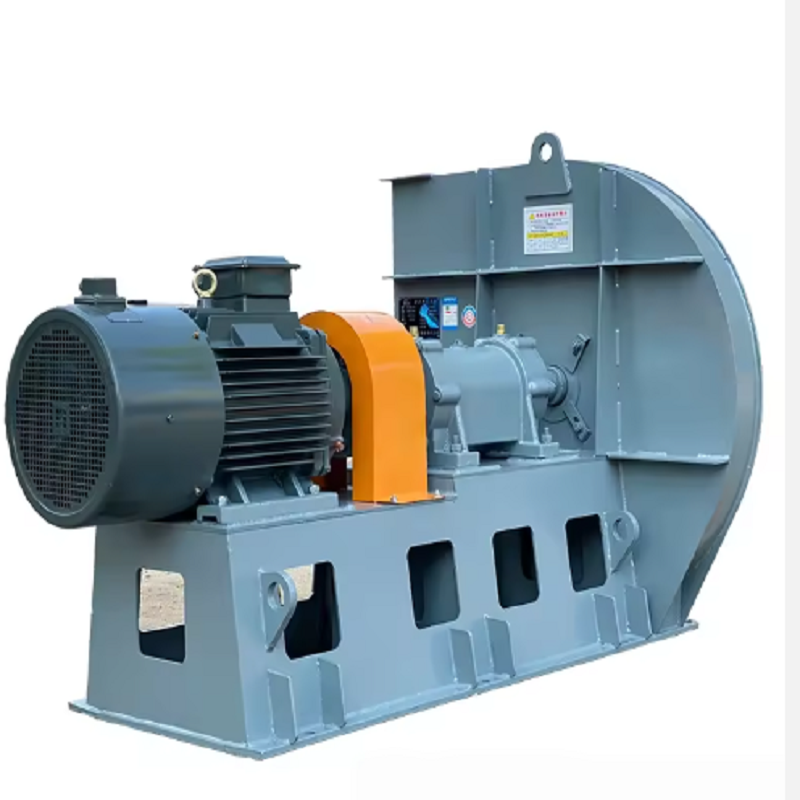
Many industrial users focus on airflow while overlooking the drive system. However, the drive configuration directly affects maintenance efficiency and operating flexibility.

Type D Centrifugal Fan making it suitable for systems where airflow requirements may change over time. Direct-drive models generally require less maintenance and offer higher transmission efficiency.

Before purchasing, consider:

Available installation space

Maintenance accessibility

Future airflow adjustments

Spare parts availability

These practical details often determine long-term operating costs more than the initial purchase price.

Real Project Example: Improving Dust Collection Efficiency

A metal fabrication company experienced poor dust collection performance despite replacing filters several times. Initial measurements showed that the existing fan could not maintain sufficient pressure once the filters became partially clogged.

After reviewing the system, engineers replaced the old unit with a properly sized Type D Centrifugal Fan designed for higher static pressure. They also optimized the duct layout and balanced airflow throughout the production line.

Results after three months included:

Dust collection efficiency increased by approximately 28%.

Electricity consumption dropped by nearly 15%.

Filter replacement intervals extended from three months to five months.

Workplace air quality improved significantly.

The project demonstrated that selecting the correct fan based on system requirements—not simply motor size—can produce measurable operational benefits.

Evaluate Energy Efficiency Instead of Purchase Price

A lower purchase price does not always mean lower operating costs. Since industrial fans often run continuously, electricity expenses typically exceed the equipment cost over their service life.

When comparing a Type D Centrifugal Fan, buyers should review:

Fan efficiency ratings

Motor efficiency class

Impeller aerodynamic design

Variable Frequency Drive (VFD) compatibility

Expected annual energy consumption

Calculating the total cost of ownership (TCO) provides a more accurate basis for investment decisions than comparing quotations alone.

Work with an Experienced Manufacturer

Even when performance specifications appear similar, manufacturing quality can vary considerably. An experienced supplier will provide accurate performance curves, material recommendations, balancing reports, and technical support during installation.

Before placing an order, request:

Certified performance test reports

Dynamic balancing documentation

Material specifications

Installation guidance

After-sales service information

A reliable manufacturer can also recommend the most suitable Type D Centrifugal Fan based on the actual operating conditions instead of offering a standard model.

Final Thoughts

Choosing the right Type D Centrifugal Fan involves much more than selecting a fan with the highest airflow or the lowest price. Accurate system calculations, proper material selection, suitable drive configuration, and attention to energy efficiency all contribute to long-term performance.

By evaluating operating conditions carefully and working with an experienced supplier, businesses can improve ventilation efficiency, reduce maintenance costs, and maximize the return on their investment in industrial air movement systems.

Related News
Leave me a message
X
We use cookies to offer you a better browsing experience, analyze site traffic and personalize content. By using this site, you agree to our use of cookies.Privacy Policy
RejectAccept