News

Type C Centrifugal Fan Delivers Reliable Performance Across Industrial Ventilation Applications

2026-07-17 0 Leave me a message

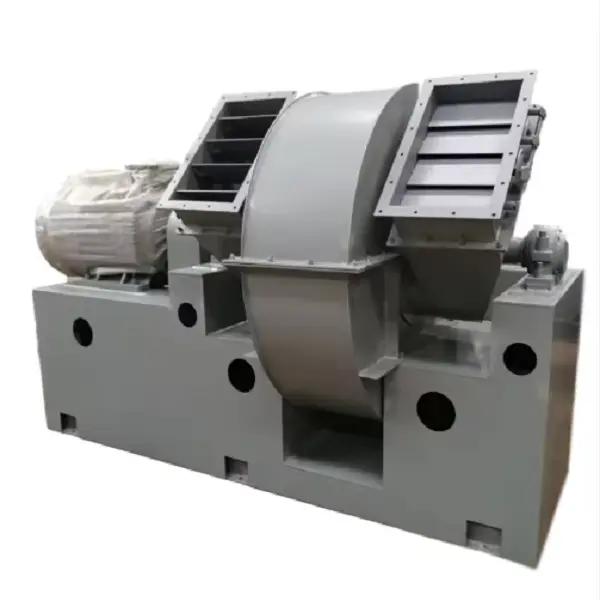
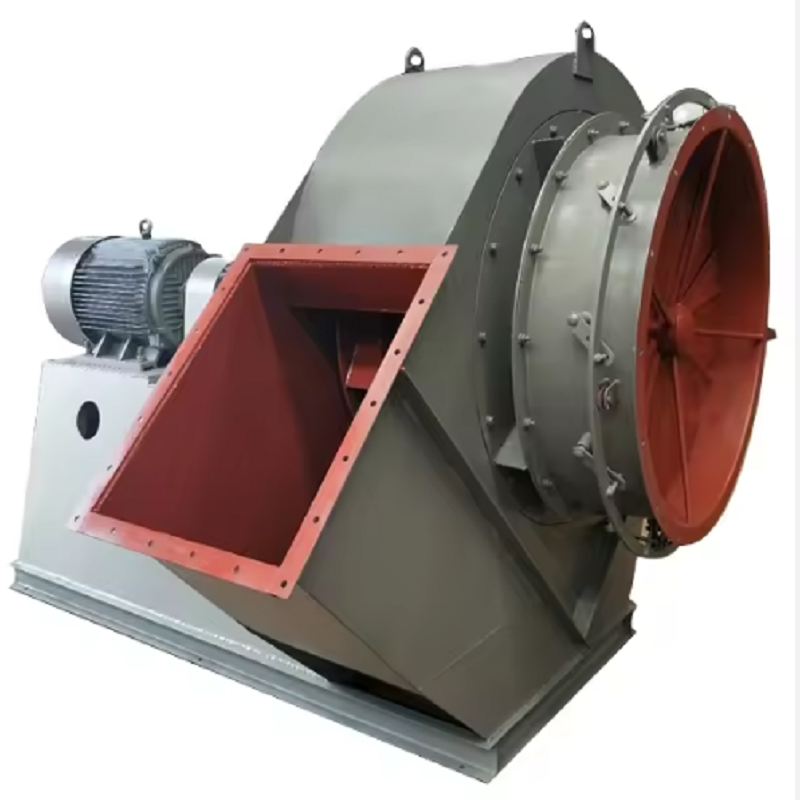
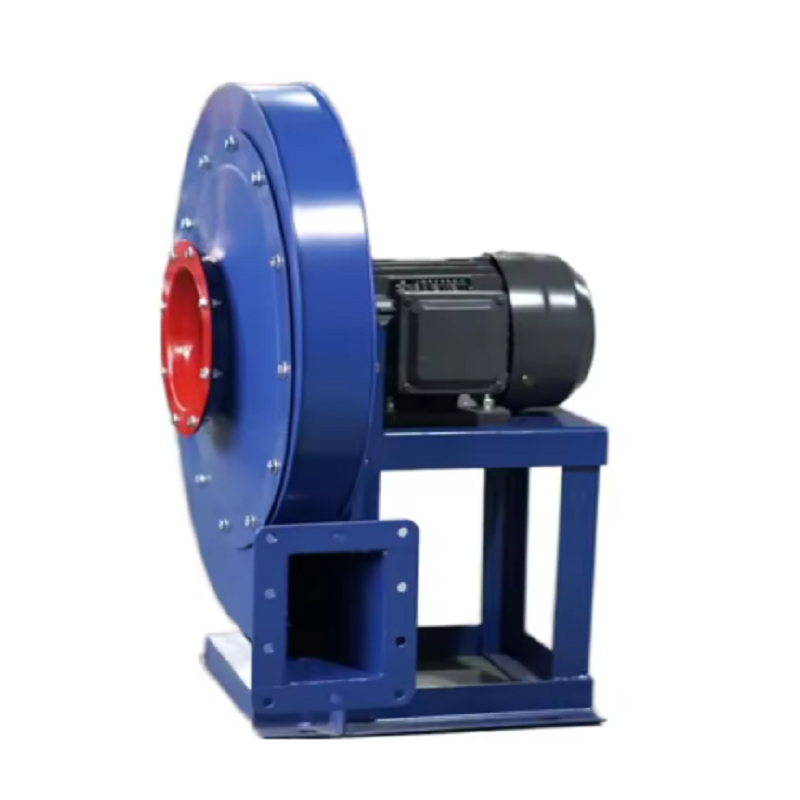
Industrial ventilation systems are becoming more specialized as factories seek better airflow, lower energy consumption, and longer equipment life. Among the many fan configurations available today, the Type C Centrifugal Fan has become a preferred choice for applications that require direct motor access, stable operation, and simplified maintenance. Its compact structure allows it to perform efficiently in manufacturing plants, dust collection systems, and process ventilation where reliability is essential.

Why Choose a Type C Centrifugal Fan?

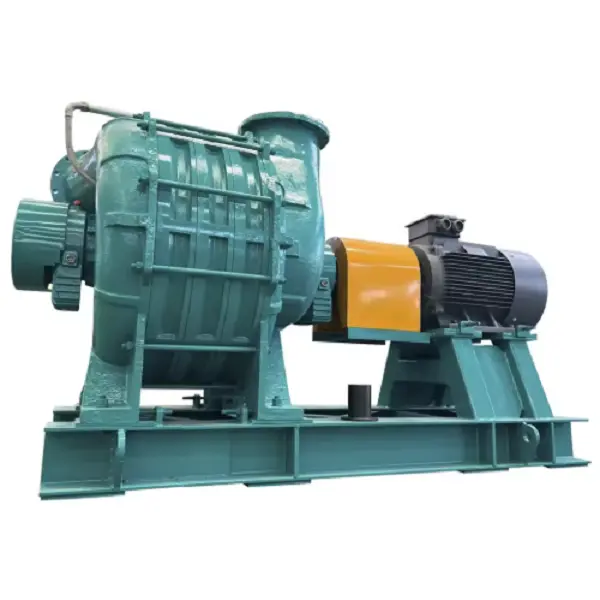
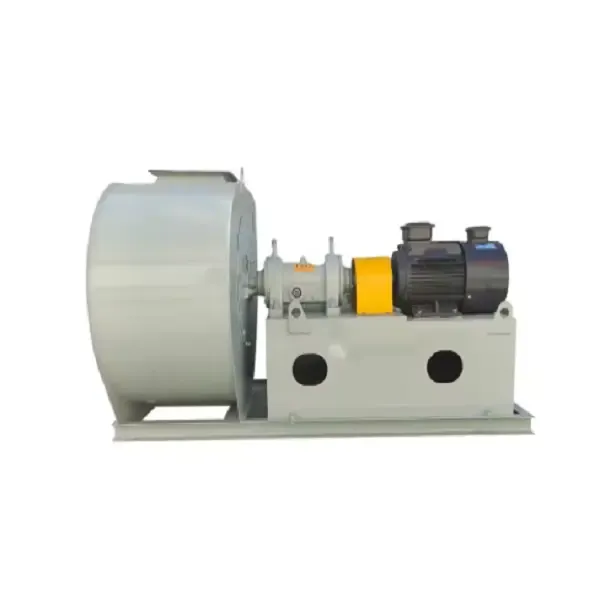
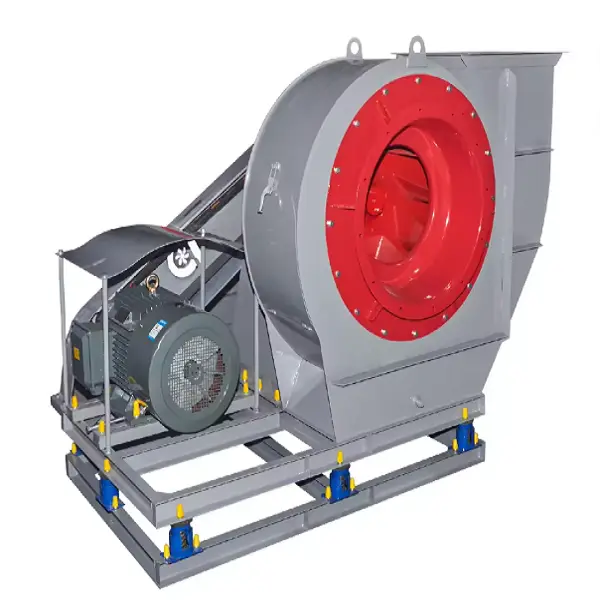
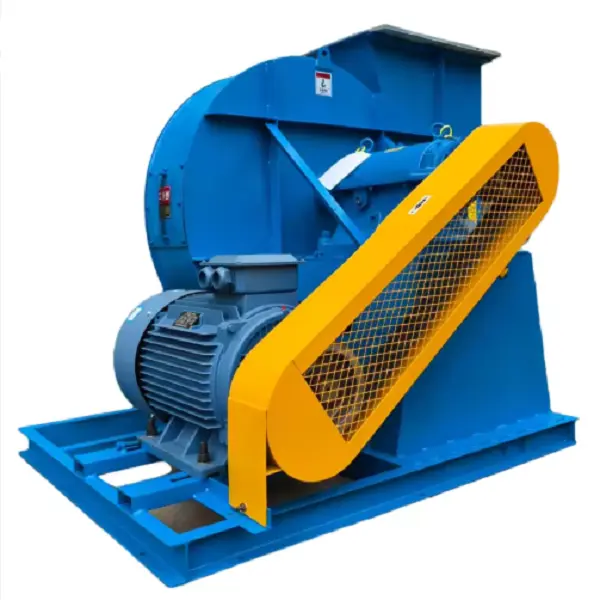
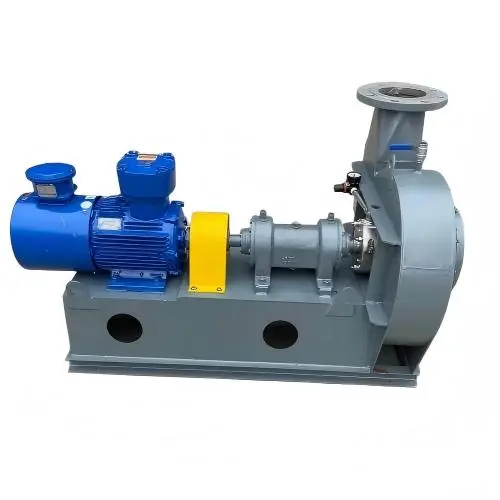
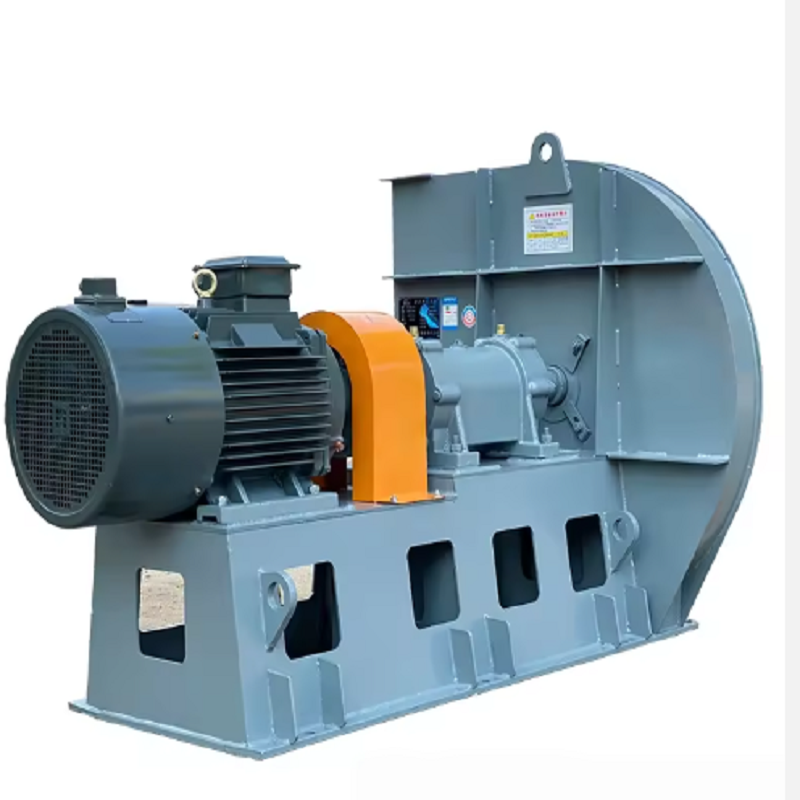
The defining feature of a Type C Centrifugal Fan is its belt-driven design with the motor mounted on the fan base. This arrangement makes belt adjustment and motor replacement much easier than in many other fan configurations. Maintenance personnel can inspect pulleys, bearings, and belts without removing the entire fan assembly, reducing downtime during scheduled servicing.

For facilities that operate continuously, this design provides a practical balance between performance and maintenance costs while allowing flexible speed adjustment by changing pulley sizes.

Practical Installation Tips for Better Performance

Proper installation has a significant impact on fan efficiency. Before installing a Type C Centrifugal Fan, technicians should ensure the supporting foundation is level and rigid enough to minimize vibration. Flexible connectors should be installed between the fan and ductwork to prevent vibration from being transmitted through the ventilation system.

During commissioning, the belt tension should be checked after the first 24 hours of operation because new belts often stretch slightly. Bearing lubrication schedules should also follow the manufacturer's recommendations to maximize service life.

These simple installation practices can improve operating stability and reduce unexpected maintenance costs.

Real Application: Dust Collection System in a Steel Processing Plant

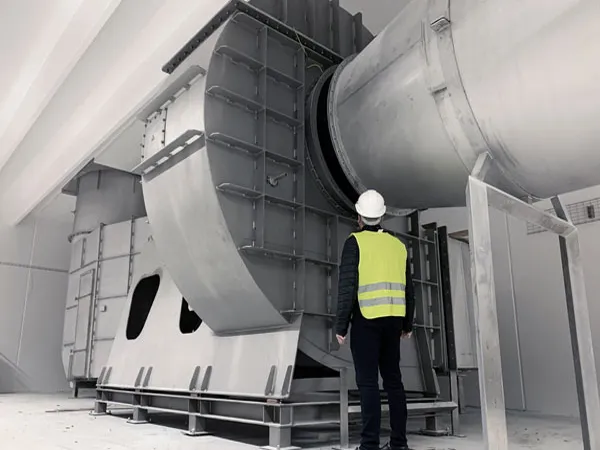
A steel fabrication company upgraded its central dust collection system by replacing aging fans with a Type C Centrifugal Fan designed for medium-pressure operation. The original equipment frequently experienced belt slippage and excessive vibration, resulting in frequent maintenance shutdowns.

After installing the new fan, engineers aligned the pulleys using laser alignment tools and adjusted airflow according to production requirements. Within three months, the plant reported noticeably smoother operation, lower vibration levels, and improved dust extraction performance throughout the workshop. Maintenance intervals were also extended because bearing temperatures remained stable during continuous operation.

This project demonstrated that proper installation and routine inspection can significantly improve overall ventilation performance.

Selecting the Right Type C Centrifugal Fan

Selecting the correct Type C Centrifugal Fan involves more than matching airflow and pressure requirements. Engineers should also evaluate air temperature, dust concentration, operating environment, motor efficiency, and future expansion plans. For abrasive or corrosive environments, selecting suitable impeller materials and protective coatings can greatly extend equipment life.

In many industrial projects, performing a complete system resistance calculation before purchasing the fan helps prevent oversized or undersized equipment, improving both energy efficiency and operating reliability.

Conclusion

As industrial ventilation systems continue to evolve, the Type C Centrifugal Fan remains a dependable solution for facilities that require efficient airflow, convenient maintenance, and long-term operational stability. Whether used in dust collection, material handling, manufacturing, or process exhaust systems, proper selection, correct installation, and regular maintenance enable the fan to deliver consistent performance while reducing overall operating costs.

Related News
Leave me a message
X
We use cookies to offer you a better browsing experience, analyze site traffic and personalize content. By using this site, you agree to our use of cookies.Privacy Policy
RejectAccept