News

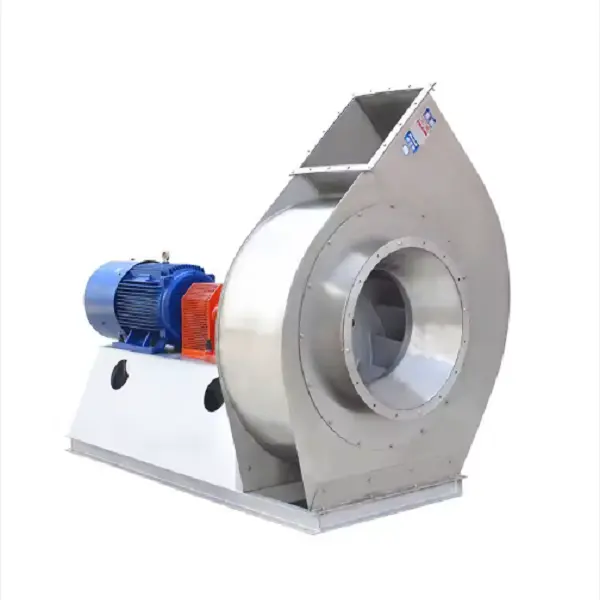
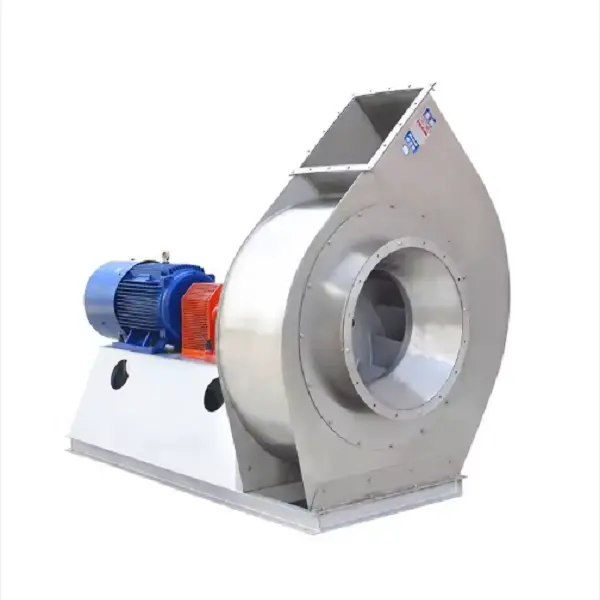
Type D Centrifugal Fan Improves Airflow Efficiency in Industrial Processing Facilities

2026-07-13 0 Leave me a message

Why Type D Centrifugal Fans Are Widely Used

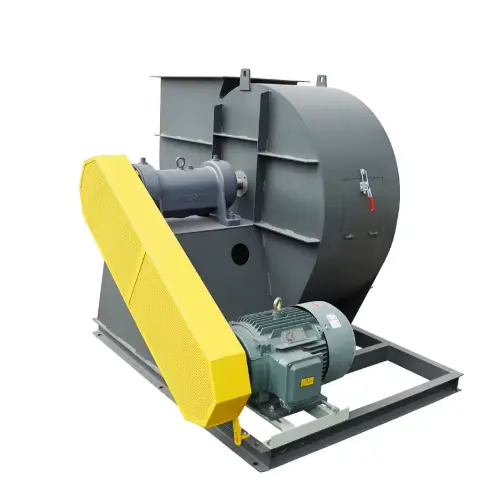
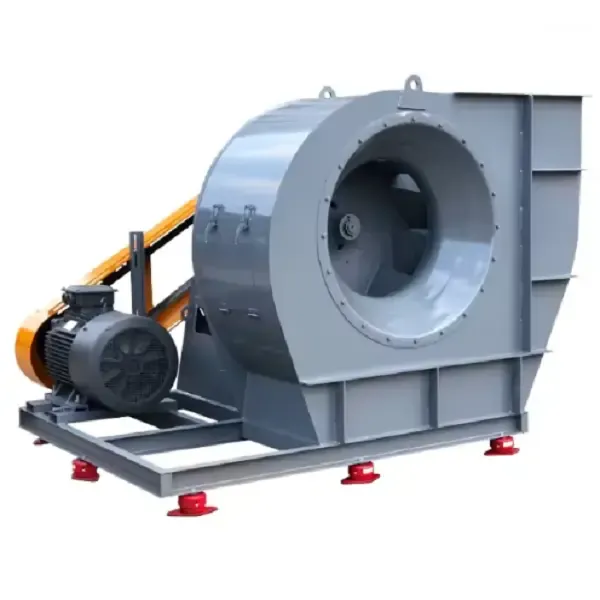
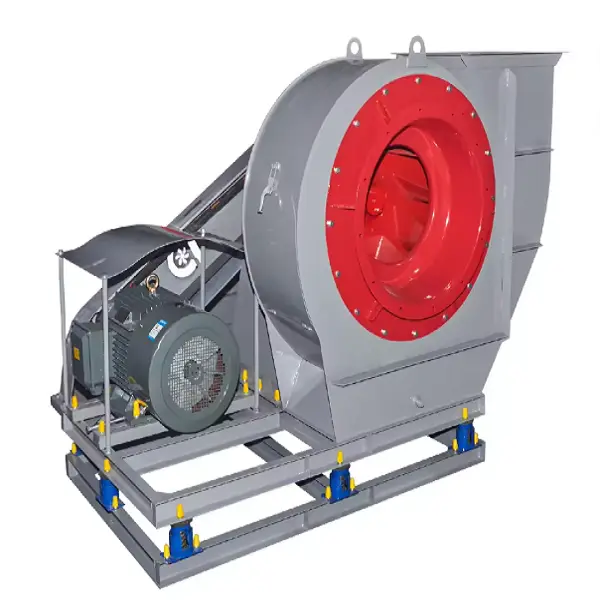
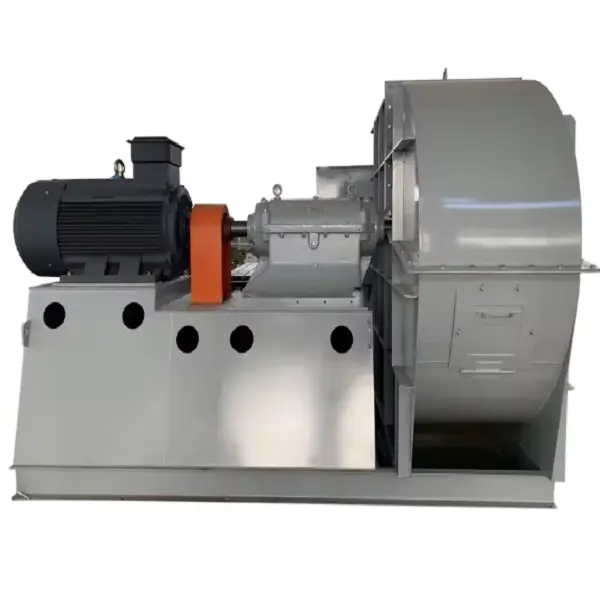
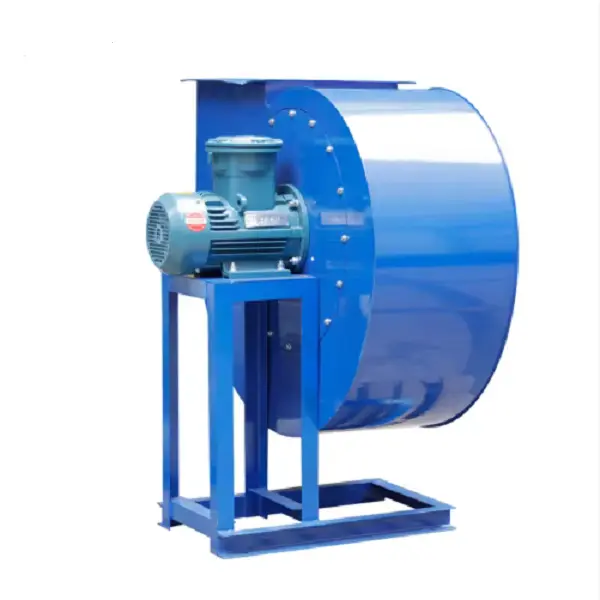
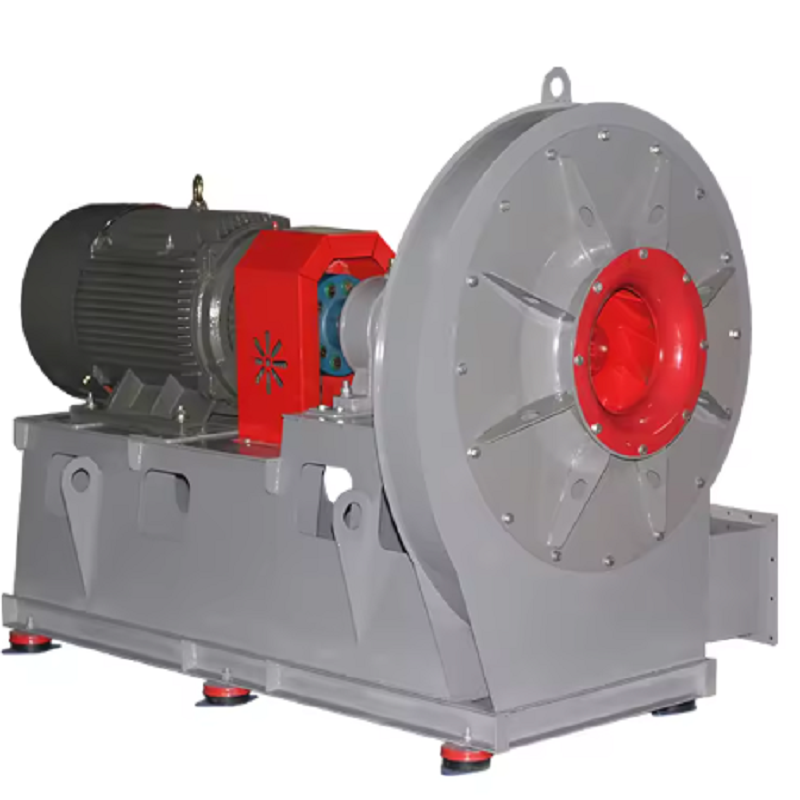
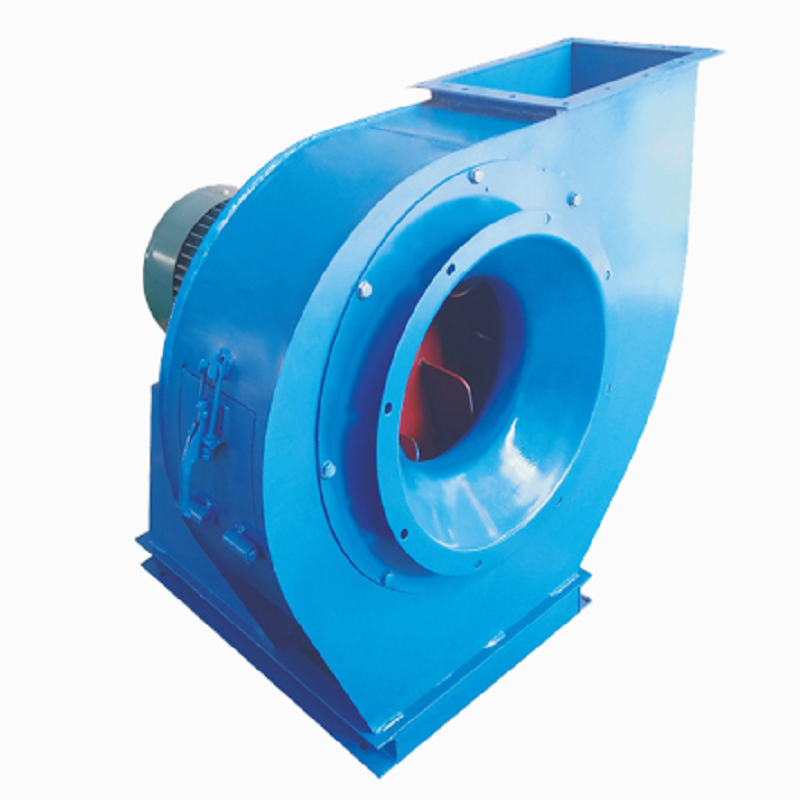
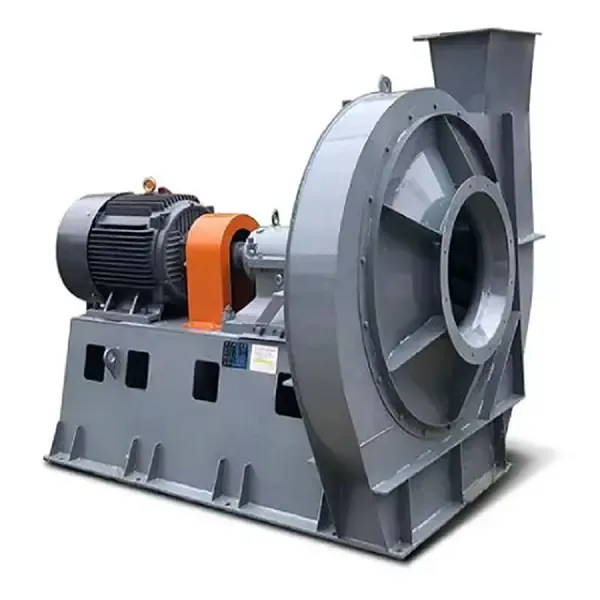
A Type D Centrifugal Fan is designed for medium- to high-pressure ventilation applications where consistent airflow is critical. Its robust impeller construction and optimized airflow path allow it to maintain stable performance even under continuous operation.

Compared with conventional ventilation equipment, this fan offers several practical advantages:

Higher static pressure for complex duct systems

Stable airflow with reduced vibration

Easy maintenance through accessible drive components

Suitable for dusty, humid, and high-temperature environments

Long service life with lower operating costs

These features make it suitable for production lines that require uninterrupted ventilation throughout the year.

Practical Selection Tips for Industrial Projects

Selecting the right Type D Centrifugal Fan begins with understanding the actual operating conditions instead of simply choosing the largest available model.

Engineers typically follow these steps:

Measure the required airflow (CFM or m³/h).

Calculate the total system resistance and static pressure.

Determine the operating temperature and dust concentration.

Select the appropriate impeller diameter and motor power.

Verify fan performance using the manufacturer's performance curve.

Leave a safety margin of approximately 10–15% to accommodate future production changes.

Following this process helps avoid oversized equipment, unnecessary energy consumption, and unstable airflow.

Application Case: Chemical Mixing Workshop

A chemical manufacturer experienced insufficient ventilation in its mixing workshop after expanding production capacity. The original fan system could no longer provide enough pressure to overcome the resistance created by additional filtration equipment.

The engineering team replaced the existing unit with a Type D Centrifugal Fan equipped with a high-efficiency backward-curved impeller. At the same time, several 90-degree duct elbows were redesigned into smoother-radius bends, reducing airflow resistance throughout the system.

After commissioning, airflow increased by approximately 18%, while power consumption dropped by nearly 12%. Dust accumulation around the production line was significantly reduced, creating a cleaner and more stable working environment. Maintenance personnel also reported lower bearing temperatures and reduced vibration levels during continuous operation.

Daily Maintenance Recommendations

Proper maintenance is essential for extending the service life of a Type D Centrifugal Fan and maintaining consistent performance.

Recommended maintenance practices include:

Inspect impeller blades regularly for dust buildup.

Check belt tension and pulley alignment every month.

Lubricate bearings according to the maintenance schedule.

Tighten foundation bolts after extended operation.

Monitor motor current and vibration levels for early fault detection.

Clean air filters to prevent excessive system resistance.

Routine inspections help identify minor issues before they develop into unexpected downtime.

Looking Ahead

As industrial facilities continue to focus on energy efficiency and production reliability, the demand for high-performance ventilation equipment continues to increase. A properly selected Type D Centrifugal Fan not only improves airflow efficiency but also helps reduce operating costs and extend equipment life. For manufacturers seeking dependable ventilation solutions, careful system design, professional fan selection, and regular maintenance remain the keys to achieving long-term performance.

Related News
Leave me a message
X
We use cookies to offer you a better browsing experience, analyze site traffic and personalize content. By using this site, you agree to our use of cookies.Privacy Policy
RejectAccept