News

How to Choose the Right Industrial Centrifugal Fan for Your Project

2026-07-14 0 Leave me a message

Start with Your Application Requirements

Before comparing different models, define the operating conditions of your project. Every Industrial Centrifugal Fan is designed for a specific combination of airflow, pressure, temperature, and working environment.

Ask the following questions before requesting a quotation:What airflow (CFM or m³/h) is required?What is the total system static pressure?Does the air contain dust, fibers, moisture, or corrosive gases?Will the fan operate continuously or intermittently?Is low noise a priority?For example, a woodworking factory collecting sawdust requires a high-pressure fan with wear-resistant impellers, while a food processing plant usually needs stainless steel construction to meet hygiene standards.

Clearly defining these requirements helps suppliers recommend the most suitable solution instead of simply offering the largest available fan.

Calculate Airflow and Static Pressure Correctly

One of the most common mistakes when selecting an Industrial Centrifugal Fan is underestimating the system resistance.

A customer operating a powder coating production line initially selected a fan based only on airflow. After installation, the airflow dropped by nearly 25% because long ductwork, filters, and multiple elbows created much higher resistance than expected.

After recalculating the total static pressure and replacing the unit with a backward-curved Industrial Centrifugal Fan, the ventilation system achieved the required airflow while reducing motor load. Production quality also improved because overspray was removed more effectively.

This example demonstrates why airflow and static pressure should always be calculated together rather than independently.

Choose the Right Impeller Design

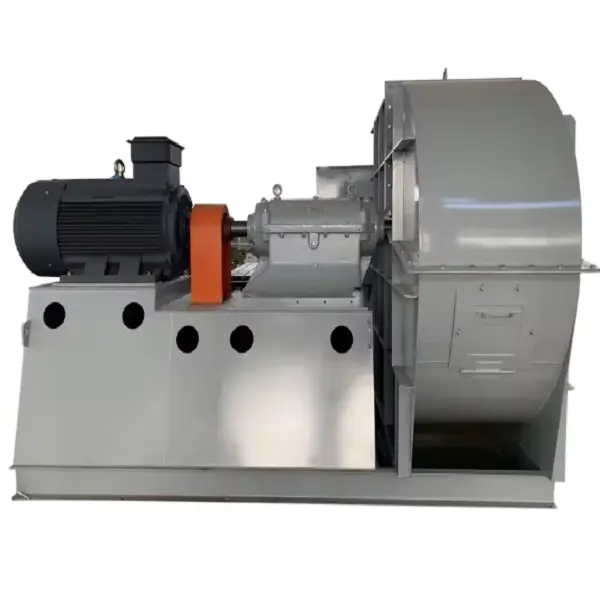
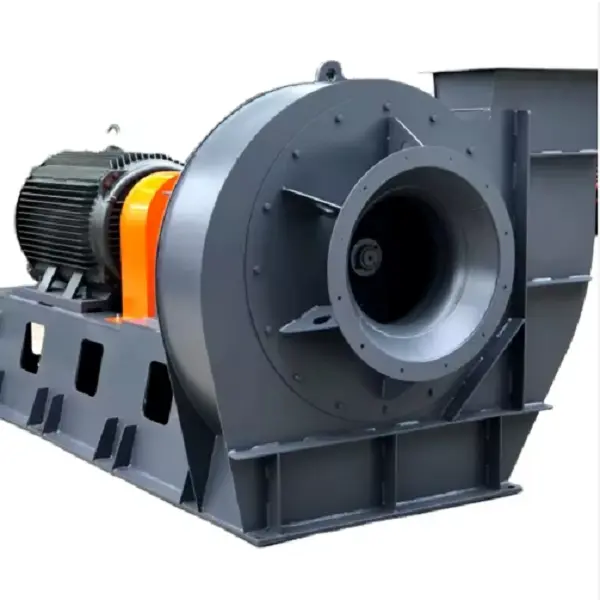
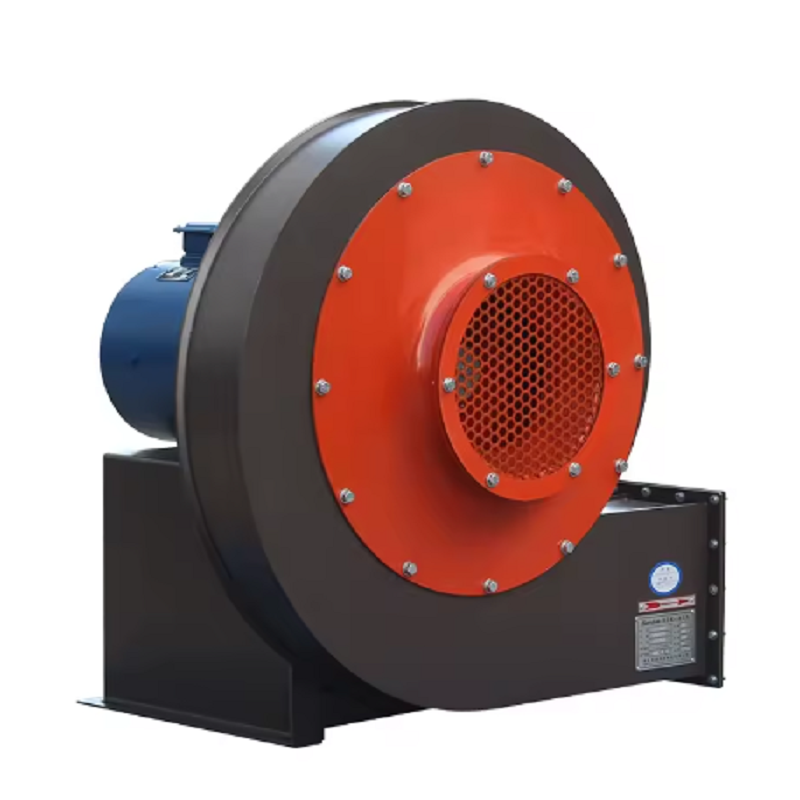
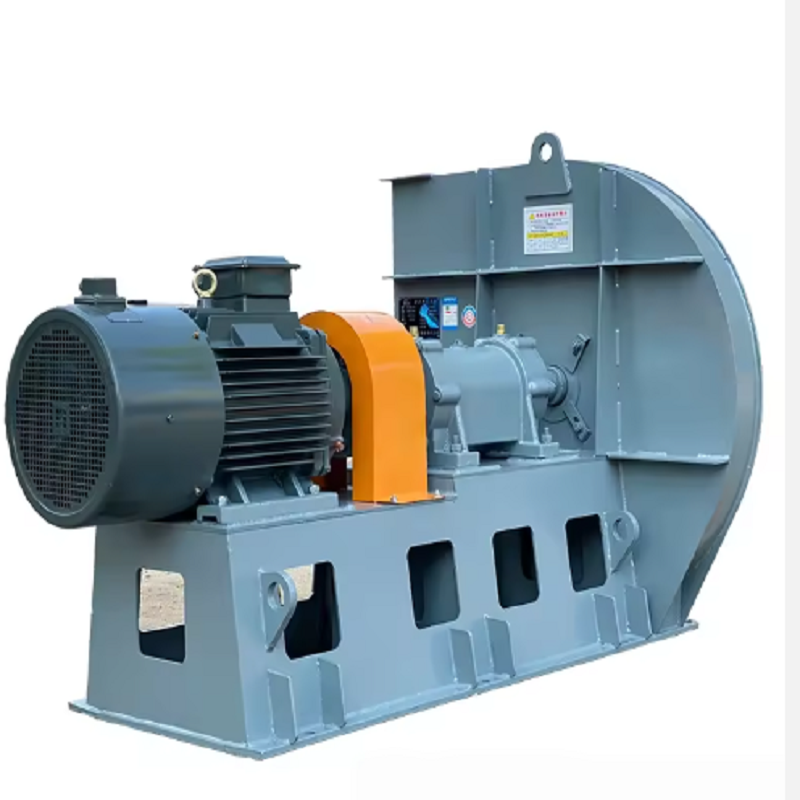
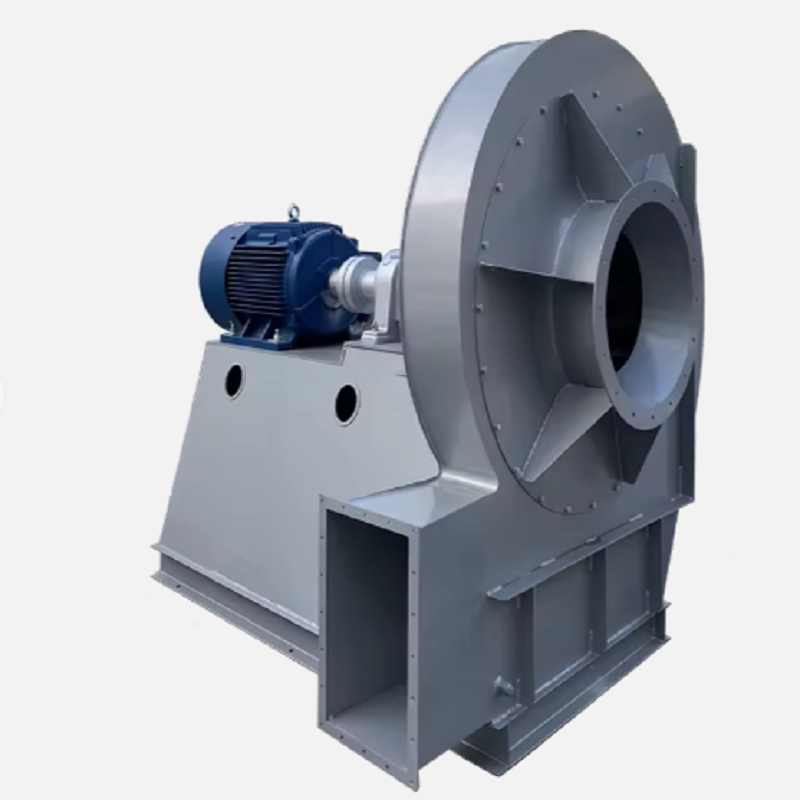
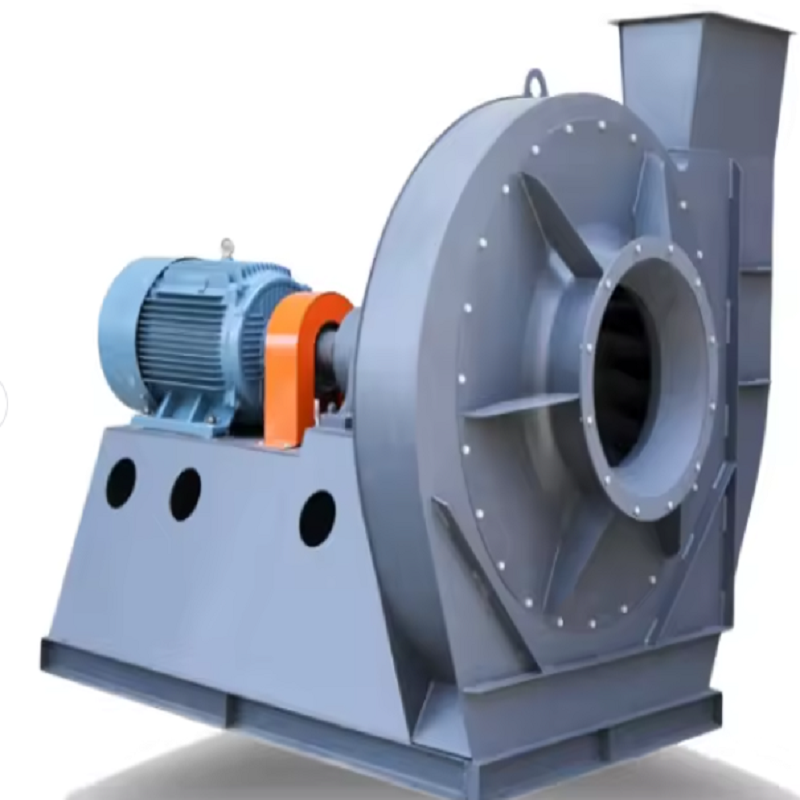
The impeller is the heart of every Industrial Centrifugal Fan, and selecting the correct design directly affects efficiency and maintenance costs.

Backward-curved impellers are widely used in industrial ventilation because they offer higher efficiency and lower energy consumption.

Forward-curved impellers are suitable for HVAC applications where lower pressure and quieter operation are required.

Radial blade impellers are commonly selected for dust collection, material conveying, and environments containing abrasive particles because of their durability.

For instance, a recycling facility processing plastic waste replaced a forward-curved fan with a radial blade Industrial Centrifugal Fan. Although both fans had similar airflow ratings, the radial design significantly reduced blade wear and extended maintenance intervals from every six months to nearly eighteen months.

Consider Energy Efficiency Instead of Initial Price

Many purchasing decisions focus on equipment cost, but the purchase price usually represents only a small percentage of the total operating expense.

An Industrial Centrifugal Fan operating 24 hours a day consumes electricity continuously for many years. Even a modest improvement in efficiency can generate substantial savings.

One metal fabrication company upgraded its ventilation system by replacing several older belt-driven fans with direct-drive high-efficiency models equipped with variable frequency drives (VFDs). By adjusting fan speed according to production demand, the company reduced annual electricity consumption by approximately 18%, while maintenance requirements also decreased because belts no longer required regular replacement.

Looking beyond the purchase price often results in a lower total cost of ownership.

Select Materials That Match the Working Environment

Material selection is another factor that is often overlooked when specifying an Industrial Centrifugal Fan.

Carbon steel is suitable for general industrial ventilation.

Galvanized steel offers better corrosion resistance for humid environments.

Stainless steel is commonly used in food processing, pharmaceuticals, and chemical plants.

For highly corrosive exhaust gases, additional protective coatings or special alloys may be required.

A chemical manufacturer experienced repeated corrosion problems because standard carbon steel fans were installed in an acidic exhaust system. After switching to stainless steel Industrial Centrifugal Fan units with corrosion-resistant coatings, maintenance costs decreased significantly, and equipment life was extended by several years.

Matching the fan material to the application is often more cost-effective than replacing damaged equipment.

Work with a Manufacturer That Provides Engineering Support

Choosing an Industrial Centrifugal Fan should involve more than selecting a catalog model. Experienced manufacturers review system drawings, calculate operating points, and recommend the most suitable configuration for each project.

Useful engineering support may include:

Airflow and pressure calculations

Fan performance curve analysis

Motor power selection

Noise reduction recommendations

Installation guidance

Factory performance testing

These services help prevent oversized or undersized equipment and reduce commissioning problems after installation.

Final Thoughts

Choosing the right Industrial Centrifugal Fan requires a clear understanding of your operating conditions, airflow requirements, system resistance, and long-term operating costs. Instead of selecting equipment based solely on price, evaluate efficiency, impeller design, construction materials, and the technical expertise of your supplier.

Projects that begin with accurate engineering calculations typically achieve better airflow performance, lower maintenance costs, and longer equipment life. Whether the application involves dust collection, process ventilation, HVAC systems, or chemical exhaust, investing time in selecting the correct Industrial Centrifugal Fan can deliver measurable operational benefits for many years.

Related News
Leave me a message
X
We use cookies to offer you a better browsing experience, analyze site traffic and personalize content. By using this site, you agree to our use of cookies.Privacy Policy
RejectAccept