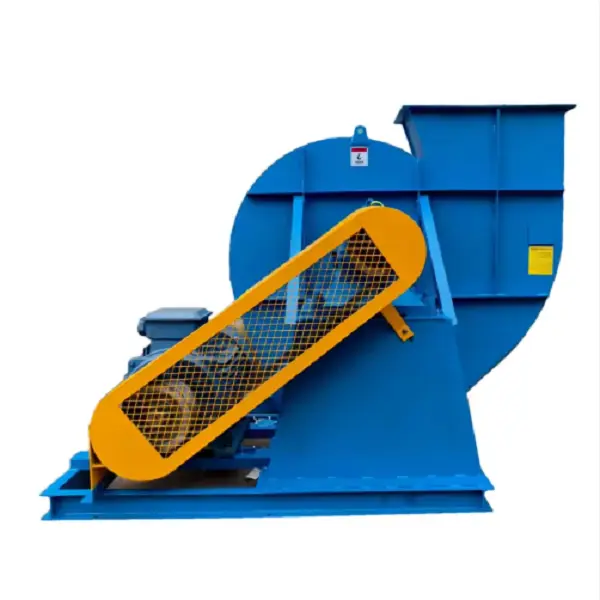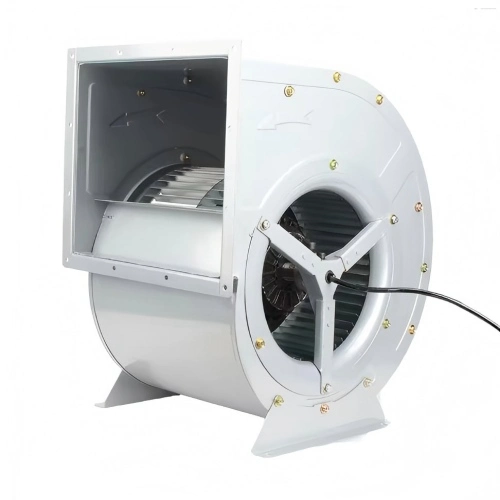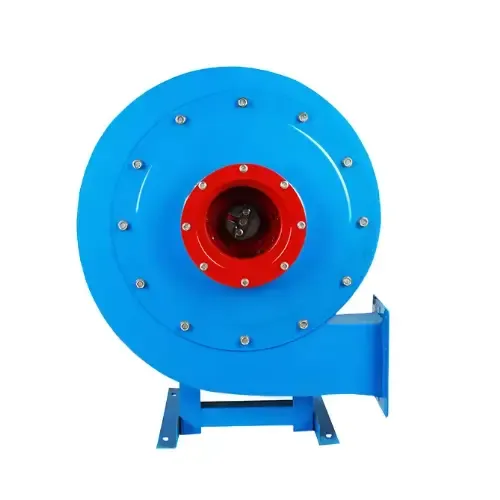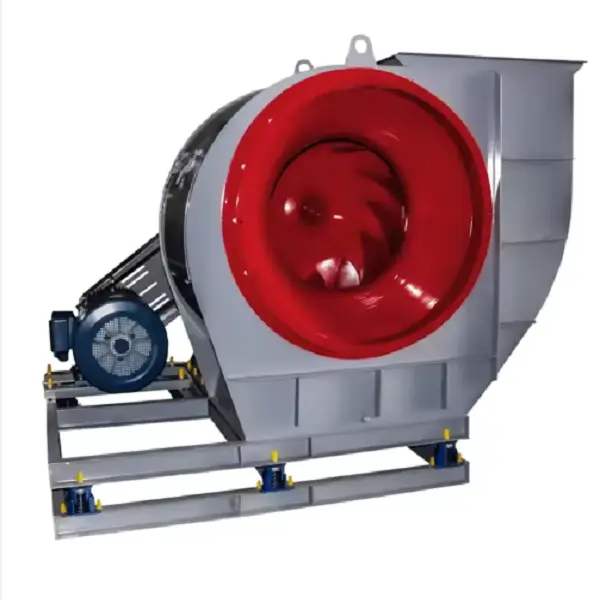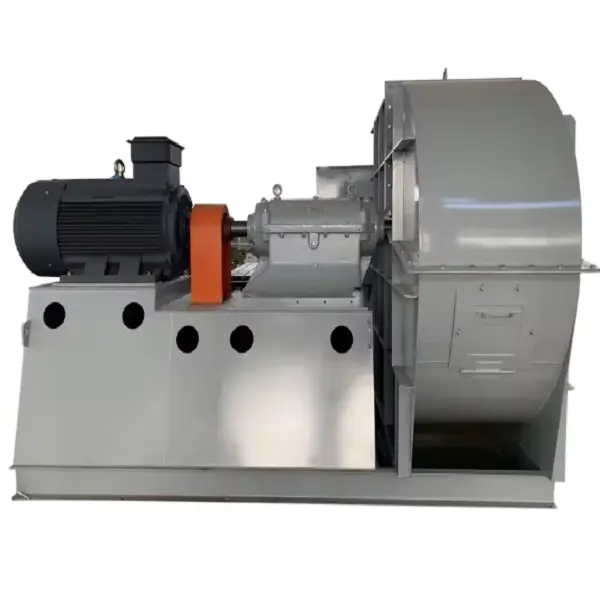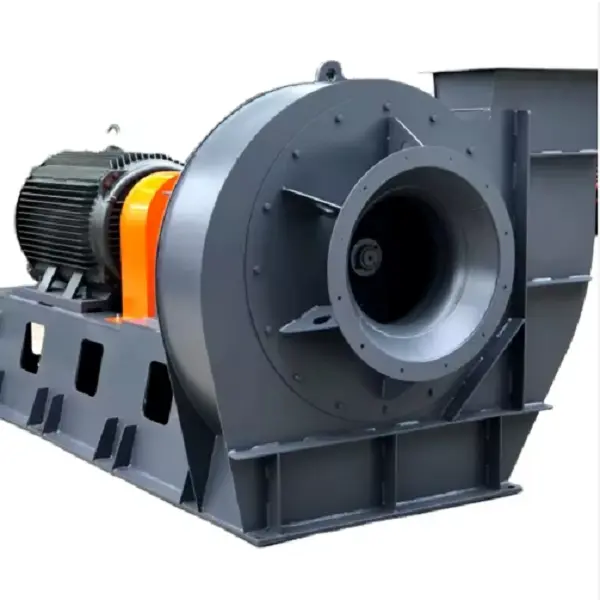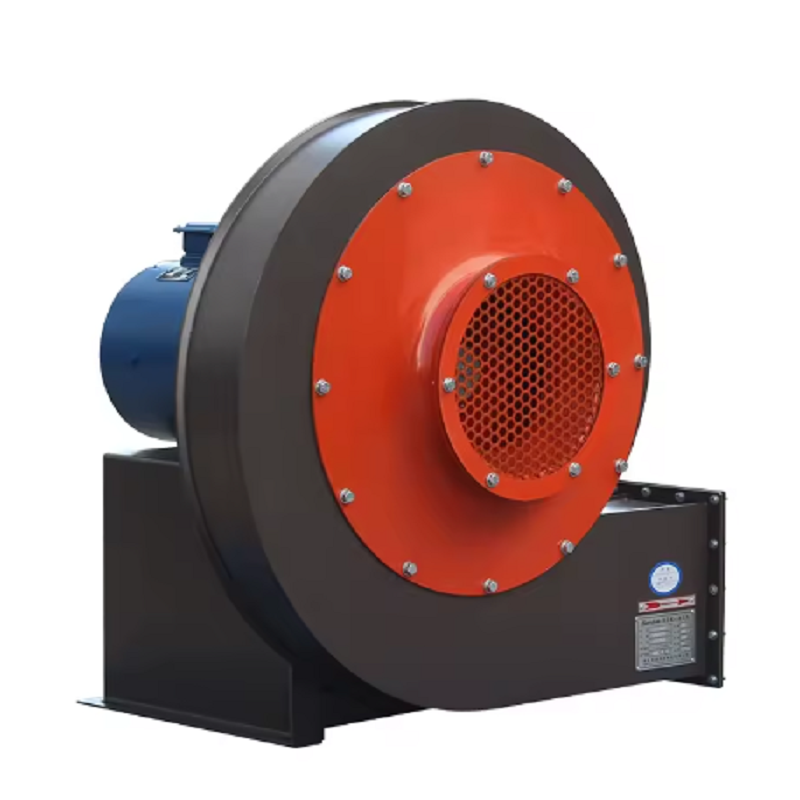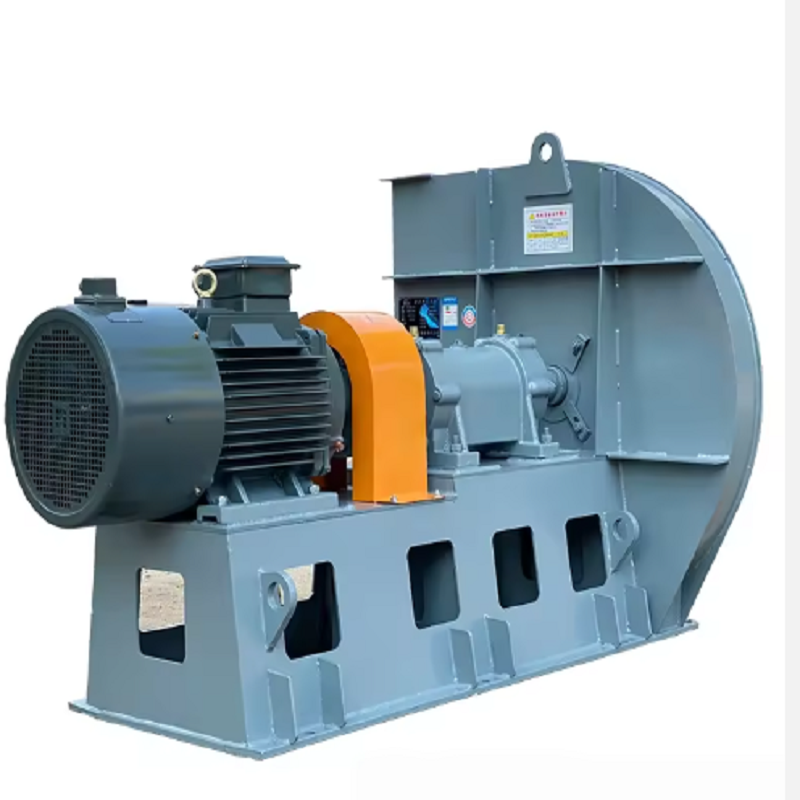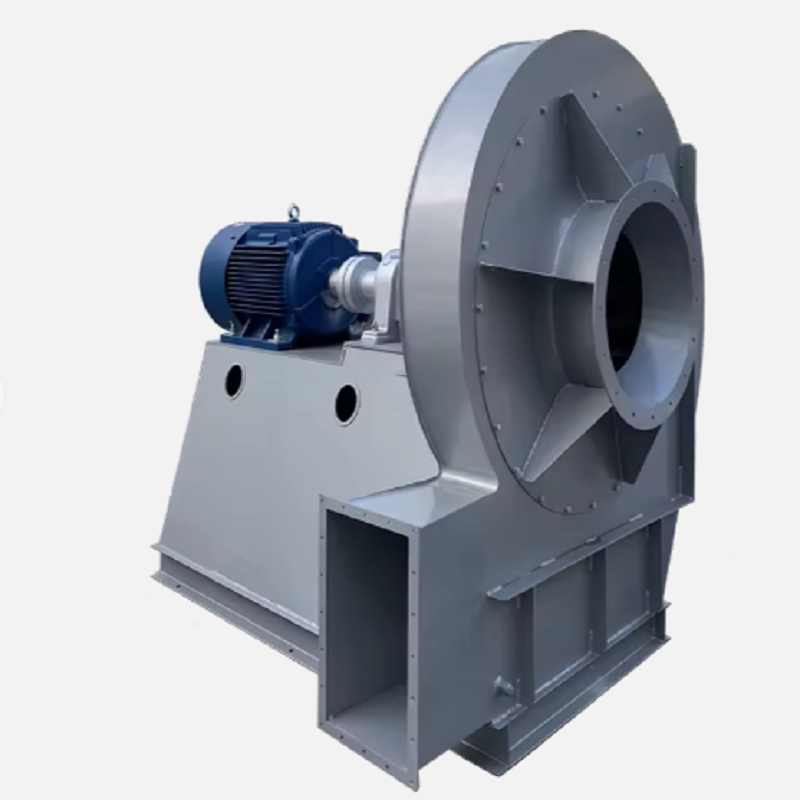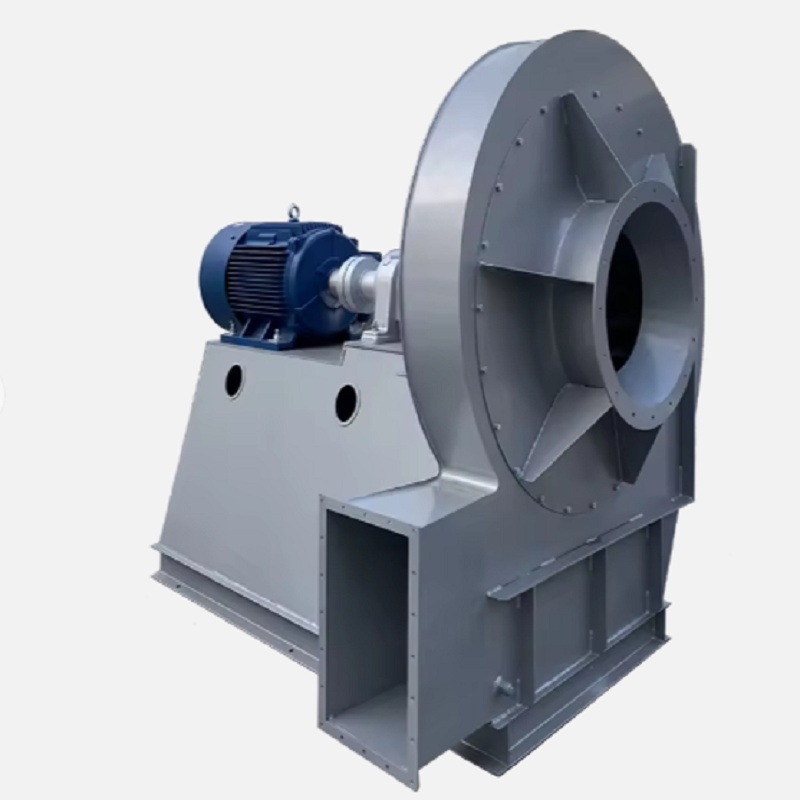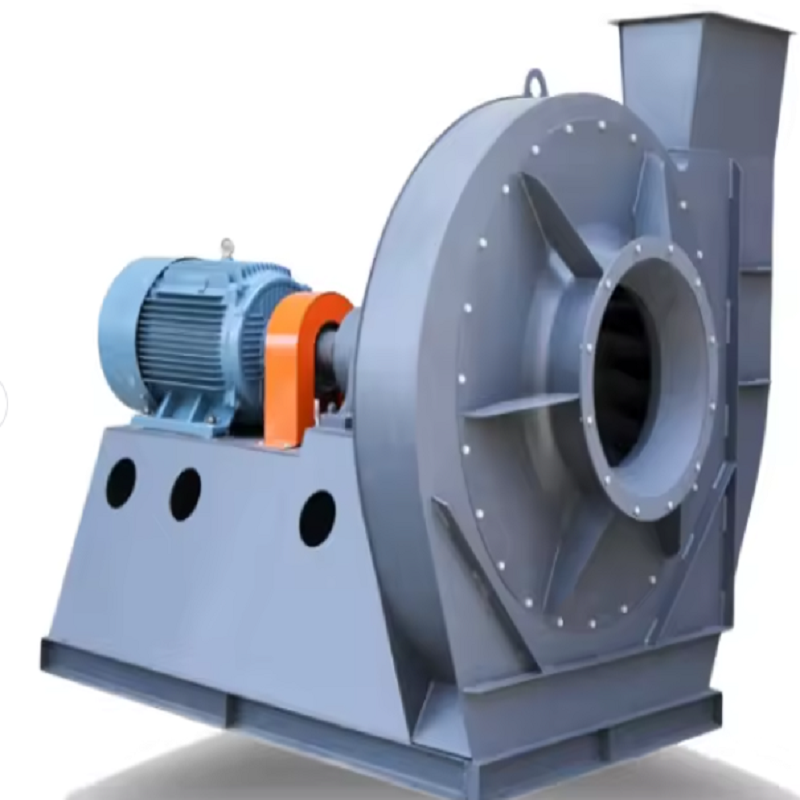
As environmental regulations continue to tighten across industries, manufacturers are placing greater emphasis on ventilation systems that deliver stable airflow, lower energy consumption, and reliable long-term performance. A Type C Centrifugal Fan has become a practical choice for factories that need to control dust, fumes, and process heat while maintaining efficient production. Compared with conventional ventilation equipment, a properly selected Type C Centrifugal Fan can improve airflow distribution and reduce operating costs without requiring significant changes to existing duct systems.
One common application can be found in a metal fabrication workshop where welding fumes accumulated near production lines. Engineers replaced several aging belt-driven fans with a Type C Centrifugal Fan designed to provide stable airflow at medium pressure. Before installation, they measured the total airflow demand, calculated system resistance, and checked the existing duct diameter to avoid unnecessary pressure loss. After commissioning, airflow at each extraction point was balanced using dampers, resulting in more effective fume capture and a cleaner working environment. The project also reduced maintenance frequency because the new fan design required fewer mechanical adjustments.
Correct fan selection is equally important for achieving reliable performance. When choosing a Type C Centrifugal Fan, engineers should first determine the required airflow (CFM or m³/h) and total static pressure based on the complete duct layout rather than estimating from equipment size alone. Motor power should include an appropriate safety margin, especially if future production expansion is expected. For applications involving high temperatures or corrosive gases, selecting suitable impeller materials and protective coatings can significantly extend service life. Matching the fan operating point with the system resistance curve also helps prevent excessive energy consumption.
Installation quality has a direct impact on fan efficiency. During installation of a Type C Centrifugal Fan, the foundation should be level and rigid enough to minimize vibration. Flexible connectors between the fan and ductwork help reduce stress caused by thermal expansion or slight alignment errors. After startup, technicians should verify motor rotation, measure operating current, inspect bearing temperature, and record vibration values as baseline data. Performing these checks during commissioning makes future troubleshooting faster and helps identify abnormal operating conditions before they develop into costly failures.
Regular maintenance is another key factor in keeping a Type C Centrifugal Fan operating efficiently. In facilities handling dust or fine particles, impellers should be inspected periodically for buildup that could affect airflow balance. Bearings should be lubricated according to the manufacturer's recommended schedule, while belts, if installed, should be checked for proper tension and wear. Many maintenance teams also compare current airflow and motor current with the original commissioning records. Any noticeable deviation often indicates duct blockage, filter contamination, or component wear that should be addressed promptly.
As industrial facilities continue to improve environmental performance and energy efficiency, investing in a well-designed Type C Centrifugal Fan offers long-term operational benefits. From careful equipment selection and professional installation to routine maintenance and performance monitoring, every stage contributes to reliable ventilation. By combining sound engineering practices with regular system inspections, manufacturers can improve air quality, reduce downtime, and ensure that their ventilation systems continue to meet increasingly demanding environmental requirements.