News

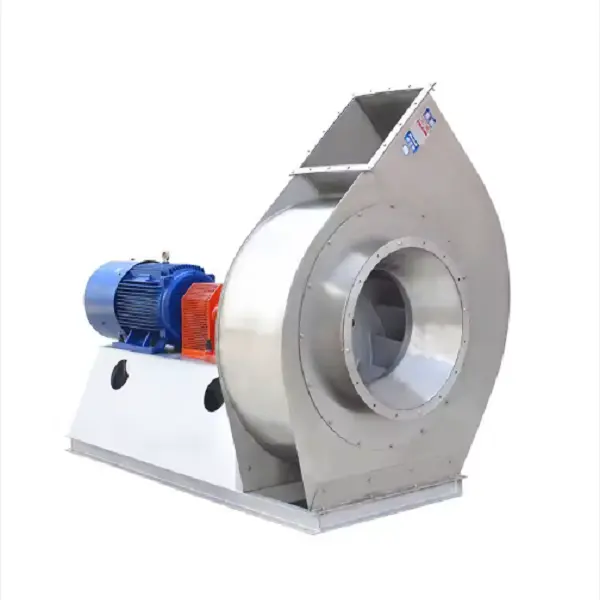
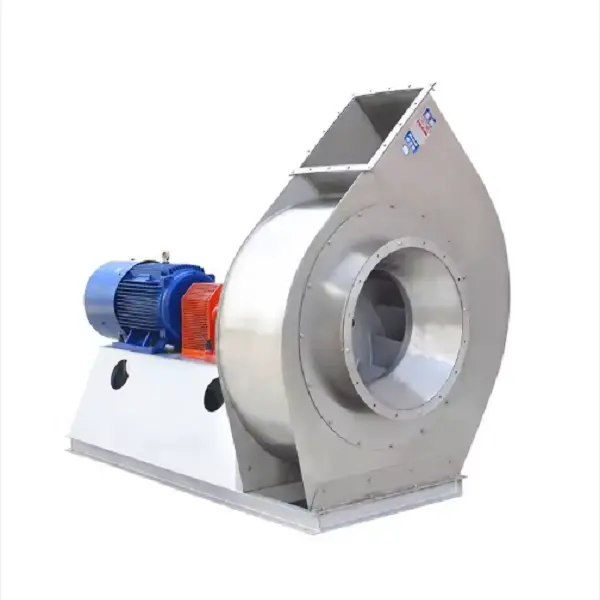
Complete Guide to Type C Centrifugal Fan Applications

2026-06-30 0 Leave me a message

What Is a Type C Centrifugal Fan?

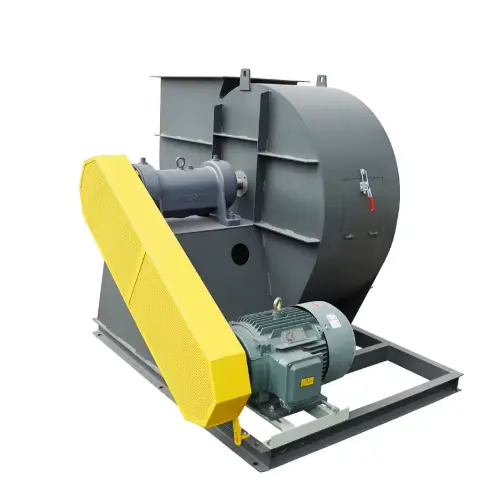
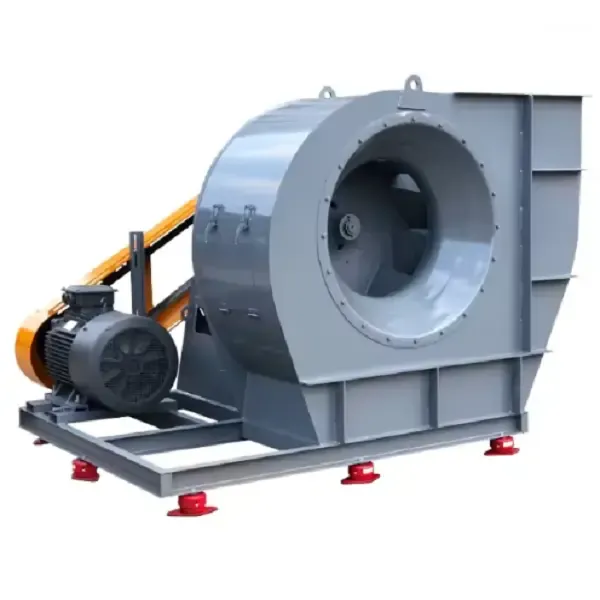
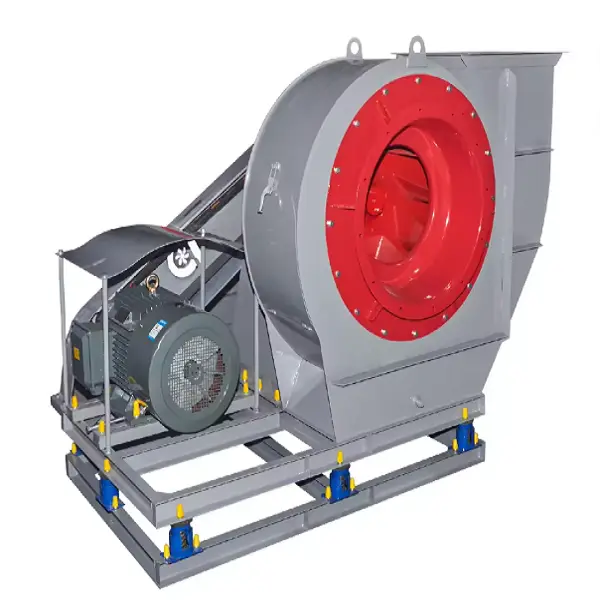
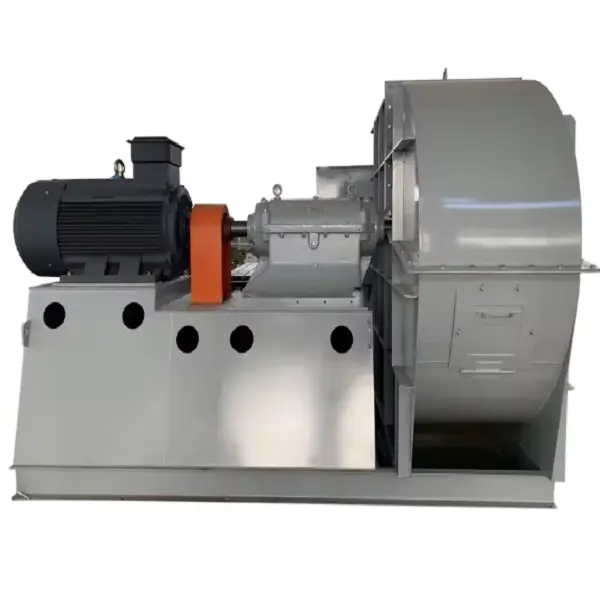
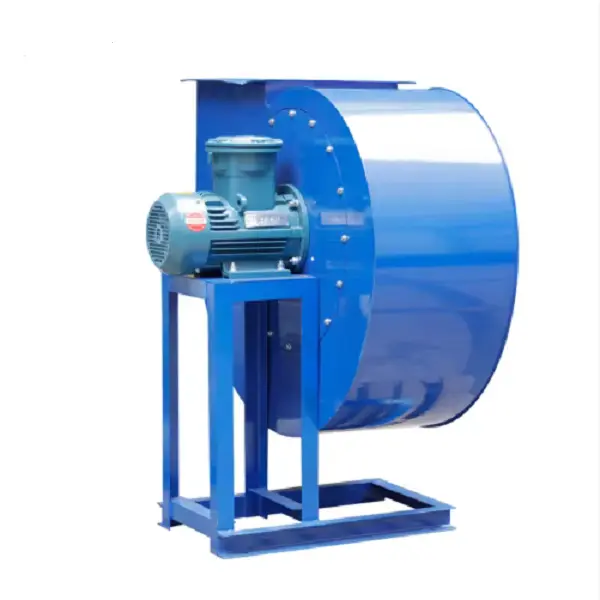
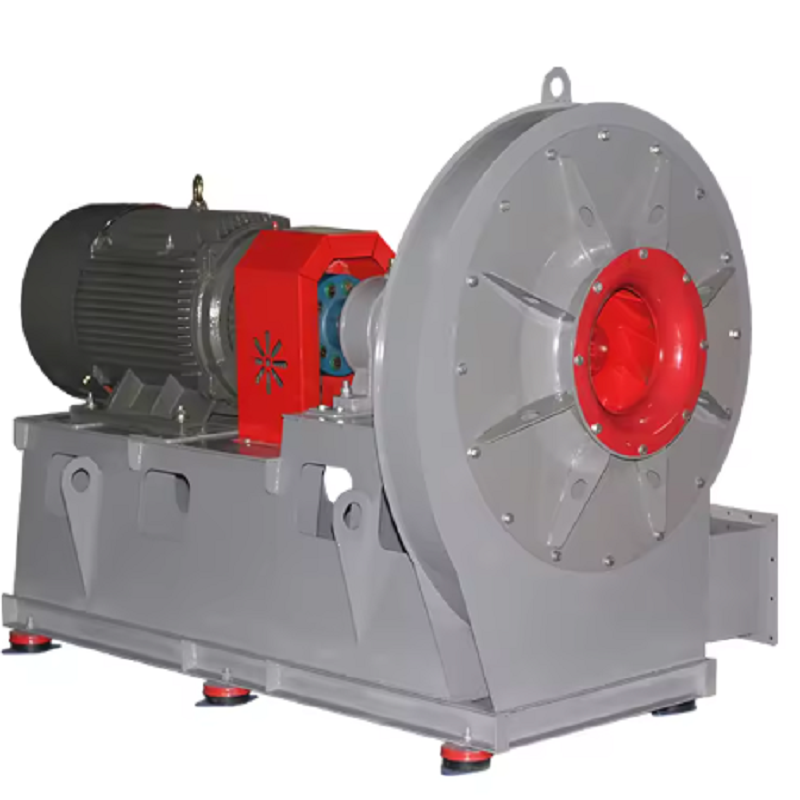
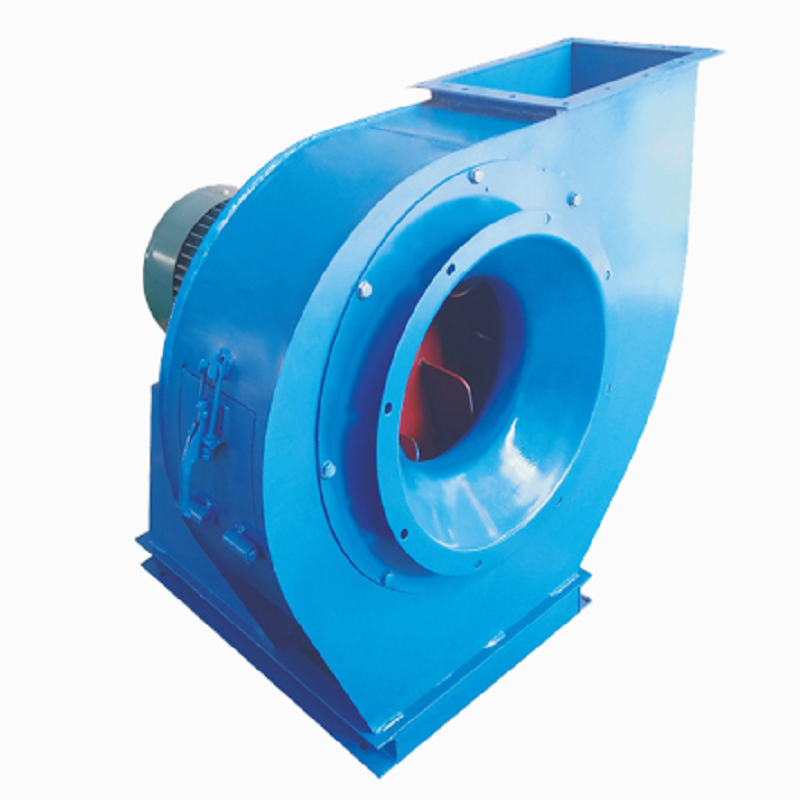
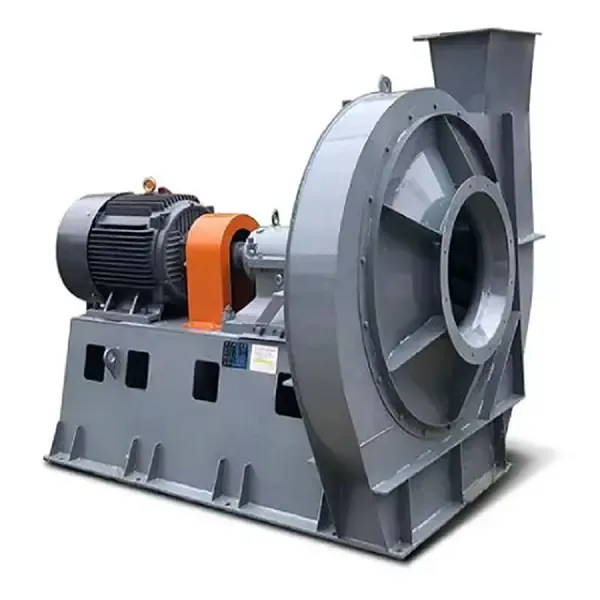
A Type C Centrifugal Fan features the impeller mounted independently from the motor through a shaft supported by bearings. Power is transmitted via V-belts and pulleys rather than a direct coupling.

This arrangement offers several practical advantages:

Adjustable operating speed without replacing the motor

Reduced vibration transferred to the motor

Easier maintenance of bearings and drive components

Better adaptability for customized airflow requirements

For industrial plants where operating conditions change frequently, this configuration provides much greater flexibility than fixed-speed systems.

Common Industrial Applications

The Type C Centrifugal Fan is commonly selected whenever airflow must be adjusted without replacing electrical equipment.

Typical applications include:

Dust collection systems

Cement plants

Steel mills

Woodworking factories

Industrial drying equipment

In many of these industries, process conditions vary throughout production, making adjustable fan speed a significant operational advantage.

Practical Selection Tips

Selecting the correct Type C Centrifugal Fan requires more than matching airflow and pressure values.

Experienced engineers generally evaluate the following factors before making a decision:

1. Air Volume

Calculate the required airflow based on the entire ventilation system rather than individual equipment.

2. Static Pressure

Include pressure losses from ductwork, filters, dampers, and other accessories.

3. Operating Temperature

For applications exceeding 150°C, high-temperature bearings and heat-resistant materials should be specified.

4. Dust Characteristics

Dust concentration and particle size influence impeller design, wear protection, and maintenance intervals.

5. Future Expansion

If production capacity may increase, selecting a belt-driven fan with adjustable speed often avoids costly equipment replacement later.

Real Application Case

A building materials manufacturer experienced frequent production interruptions because its dust collection system could not maintain stable airflow after adding two new processing lines.

Instead of replacing the entire ventilation system, engineers installed a larger Type C Centrifugal Fan and adjusted the pulley ratio to increase fan speed by approximately 18%.

After commissioning:

Airflow increased by nearly 20%

Dust emissions dropped significantly

Energy consumption remained within acceptable limits

Maintenance downtime was reduced because bearing replacement became much easier

The entire upgrade required only two days of installation and avoided major modifications to the existing duct system.

This project demonstrated how proper fan selection can improve both production efficiency and operating costs.

Maintenance Recommendations

Routine maintenance greatly extends the service life of a Type C Centrifugal Fan.

Recommended inspection schedule includes:

Check belt tension every month.

Monitor bearing temperature during operation.

Lubricate bearings according to manufacturer recommendations.

Inspect impeller blades for dust accumulation and wear.

Verify shaft alignment after major maintenance.

Replace worn belts before slippage occurs.

Many unexpected failures originate from neglected bearings or improperly tensioned belts rather than the fan itself.

Why Type C Design Remains Popular

Although variable frequency drives have become increasingly common, many industrial facilities still prefer the Type C Centrifugal Fan because of its mechanical simplicity and lower maintenance cost.

In remote industrial sites where electrical systems may be limited, changing pulley sizes remains one of the most reliable methods for adjusting airflow. Spare parts are widely available, maintenance procedures are familiar to technicians, and long-term operating costs are predictable.

For applications requiring dependable continuous operation, this design continues to provide an excellent balance between performance, flexibility, and reliability.

Conclusion

Choosing the right Type C Centrifugal Fan involves understanding system airflow requirements, operating conditions, maintenance capabilities, and future production plans. When properly selected and maintained, this fan configuration can deliver years of stable operation while reducing maintenance costs and improving overall system efficiency.

Whether the application involves dust collection, industrial ventilation, material handling, or process air movement, the Type C Centrifugal Fan remains a practical and proven solution for a wide range of industrial environments.

Related News
Leave me a message
X
We use cookies to offer you a better browsing experience, analyze site traffic and personalize content. By using this site, you agree to our use of cookies.Privacy Policy
RejectAccept