News

Successful Application of Stainless Steel Centrifugal Fans in Industrial Dust Collection Systems

2026-07-09 0 Leave me a message

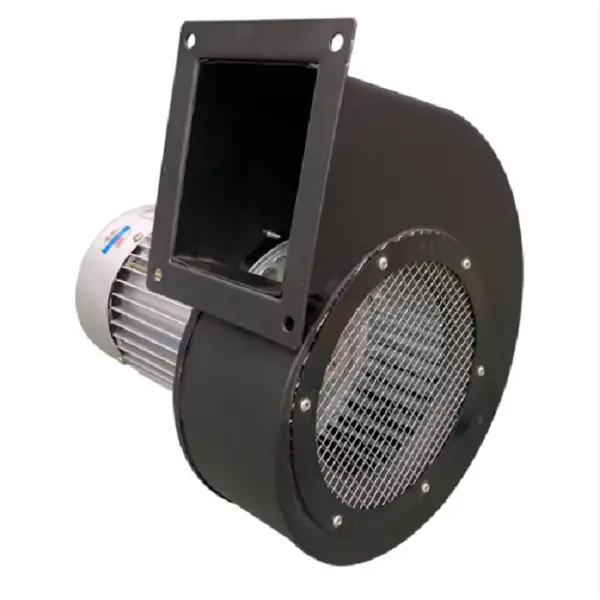
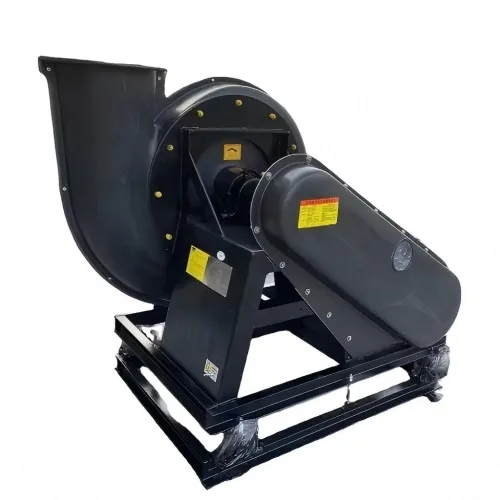
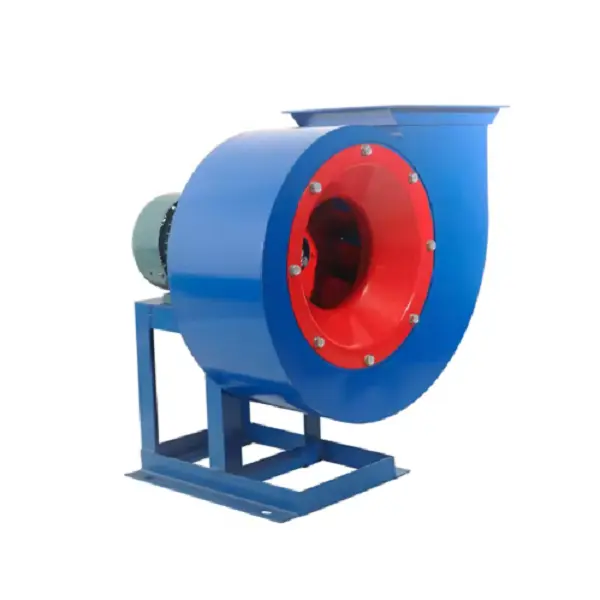
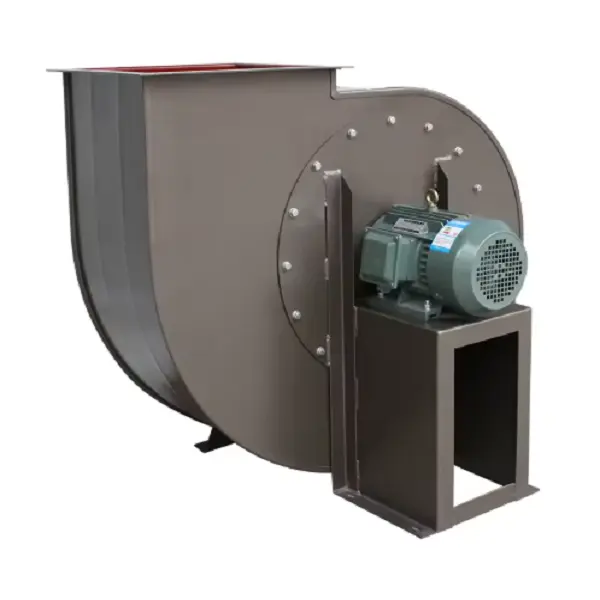
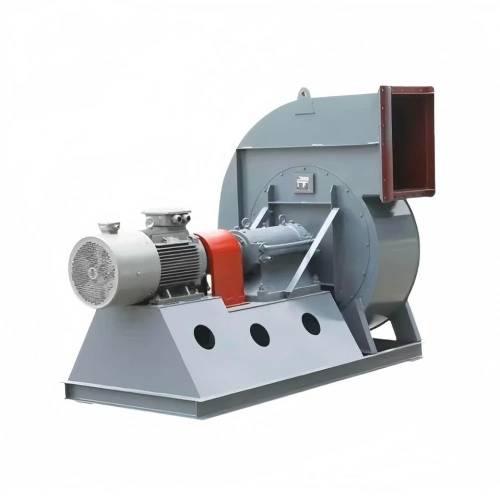
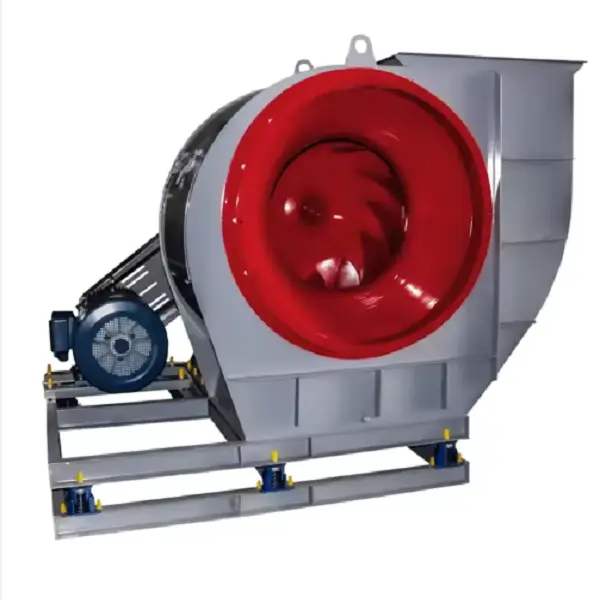
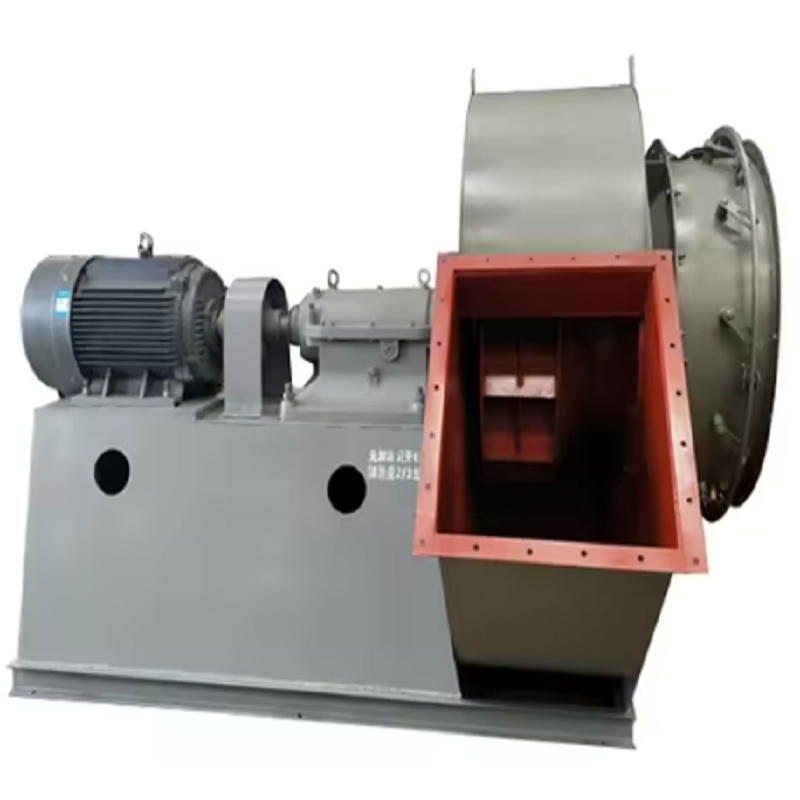
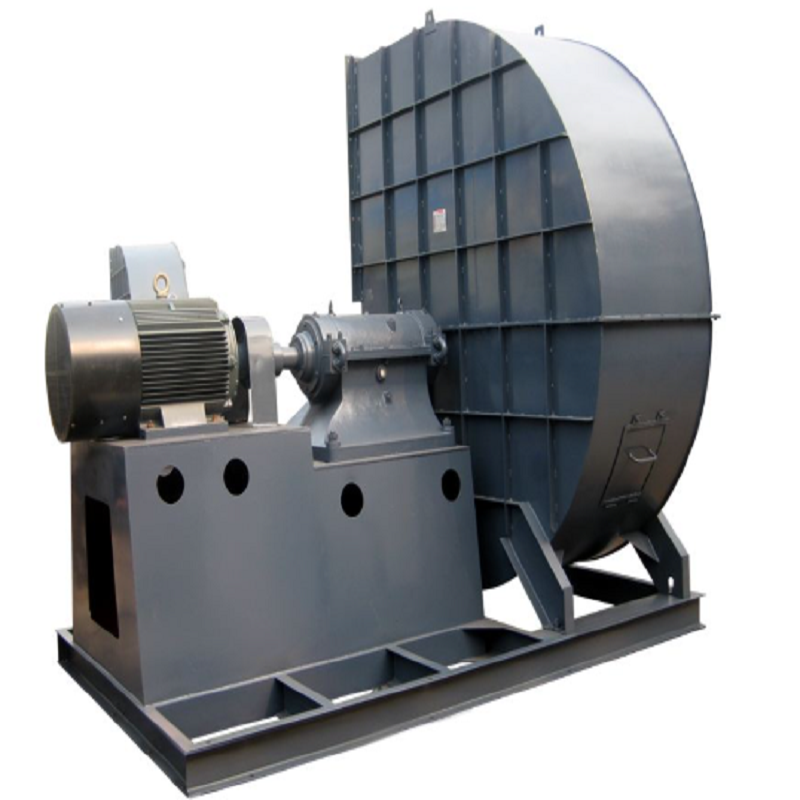
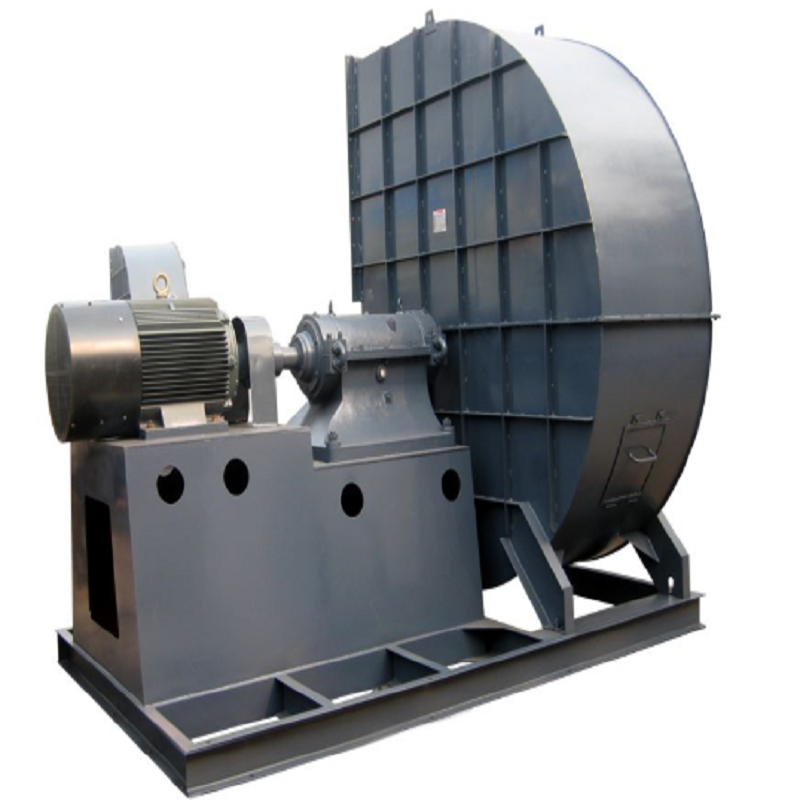
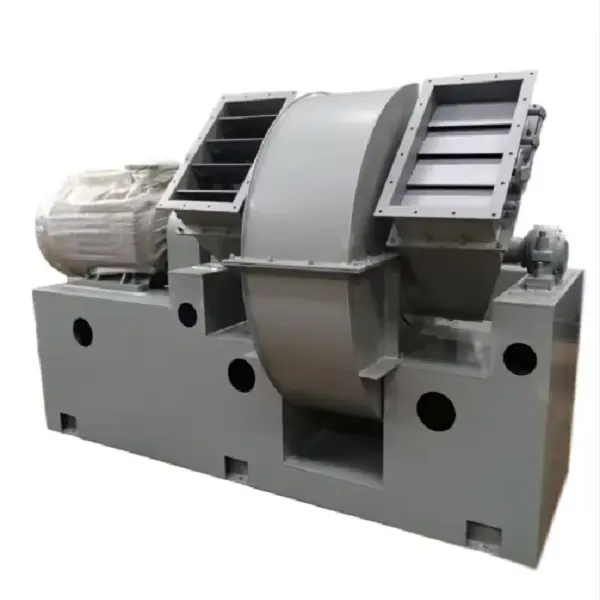
Industrial dust collection systems operate in demanding environments where corrosion, high humidity, and airborne particles can quickly reduce the service life of conventional equipment. Choosing the right fan is essential for maintaining stable airflow and reducing maintenance costs. A stainless steel centrifugal fan has become the preferred solution for many industries because it combines excellent corrosion resistance, high mechanical strength, and reliable aerodynamic performance. From cement plants to food processing facilities, a stainless steel centrifugal fan helps ensure continuous and efficient operation under challenging working conditions.

Why Stainless Steel Is the Preferred Material

Dust collection systems often handle moist air, acidic gases, or abrasive dust. Carbon steel fans may experience rust and surface deterioration after prolonged exposure, leading to reduced efficiency and unexpected downtime. A stainless steel centrifugal fan is manufactured from materials such as SUS304 or SUS316, providing excellent resistance to corrosion while maintaining structural integrity in harsh environments.

For applications involving chemical vapors, high humidity, or frequent equipment cleaning, stainless steel construction also improves hygiene and simplifies maintenance. This makes stainless steel fans suitable not only for heavy industries but also for pharmaceutical, food, and environmental protection projects.

Practical Installation Considerations

Selecting the correct fan is only part of a successful dust collection system. Proper installation has a significant impact on long-term performance. Before installing a stainless steel centrifugal fan, engineers should calculate the required airflow, static pressure, duct resistance, and dust loading conditions. Oversized or undersized equipment can increase energy consumption and reduce collection efficiency.

To achieve stable operation, installers should:Align the fan and motor accurately to reduce vibration.Install flexible connectors to minimize mechanical stress.Balance the duct system to avoid uneven airflow.Regularly inspect impellers for dust accumulation.Monitor bearing temperature and motor current during operation.Following these practical steps can significantly extend equipment life while maintaining consistent system performance.

Case Study: Dust Collection Upgrade in a Cement Plant

A cement manufacturer in Southeast Asia experienced frequent maintenance issues with its existing carbon steel fan due to abrasive dust and seasonal humidity. The original equipment suffered from corrosion around the impeller and housing, requiring several shutdowns each year.

After evaluating the operating conditions, the engineering team replaced the existing unit with a stainless steel centrifugal fan designed for high-efficiency dust extraction. The new fan featured a backward-curved impeller, dynamically balanced rotor, and SUS304 construction.

After six months of operation, the plant reported several measurable improvements:Stable airflow throughout continuous production.Reduced vibration and lower operating noise.Less corrosion on internal components.Maintenance intervals extended from approximately three months to more than eight months.Lower overall maintenance costs and improved production efficiency.The upgrade demonstrated that selecting the appropriate stainless steel centrifugal fan can improve both equipment reliability and operational efficiency in demanding industrial environments.

Maintenance Tips for Long-Term Performance

Even the highest-quality fan requires regular maintenance to achieve its expected service life. Operators should inspect the impeller, bearings, shaft seals, and motor according to a preventive maintenance schedule. Cleaning accumulated dust from the impeller helps maintain airflow and prevents rotor imbalance.

For facilities operating in corrosive environments, periodic inspection of welded joints and fasteners is also recommended. Although a stainless steel centrifugal fan provides excellent resistance to corrosion, routine inspections allow minor issues to be identified before they develop into costly failures. Recording vibration levels and motor current can also help maintenance teams detect abnormal operating conditions at an early stage.

Choosing the Right Stainless Steel Centrifugal Fan Supplier

Selecting a reliable manufacturer is just as important as choosing the correct fan model. Experienced suppliers can recommend the appropriate stainless steel grade, impeller design, motor configuration, and operating parameters based on actual application requirements.

When evaluating suppliers, buyers should consider engineering experience, customization capabilities, quality control, performance testing, and after-sales technical support. A properly designed stainless steel centrifugal fan not only improves dust collection efficiency but also reduces long-term operating costs, making it a valuable investment for modern industrial ventilation systems.

Related News
Leave me a message
X
We use cookies to offer you a better browsing experience, analyze site traffic and personalize content. By using this site, you agree to our use of cookies.Privacy Policy
RejectAccept