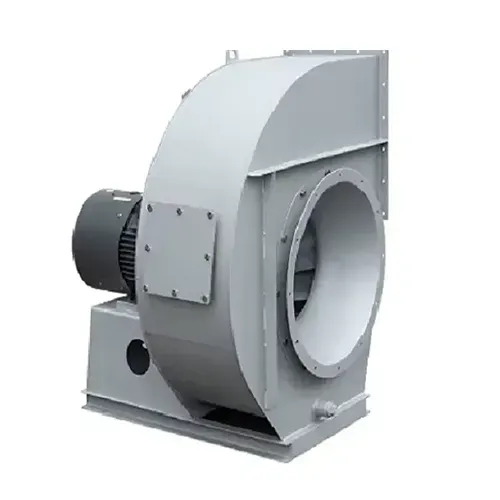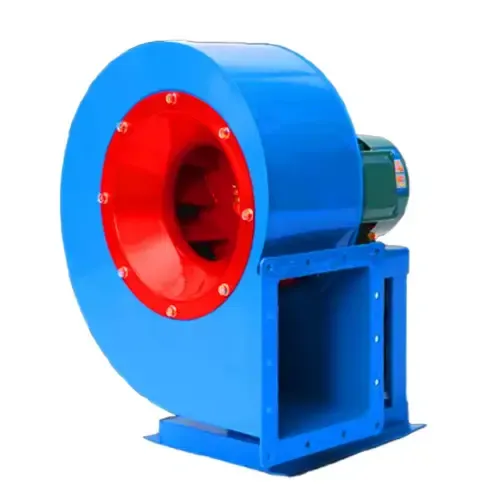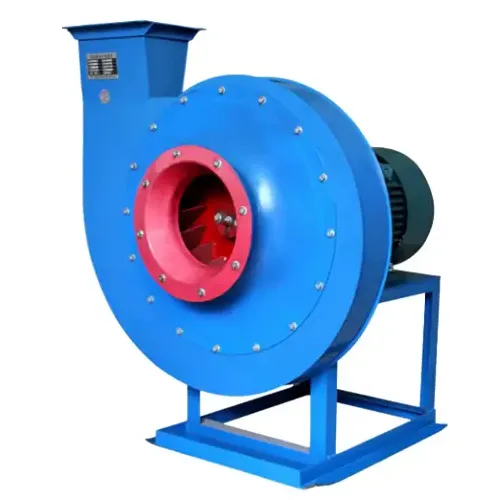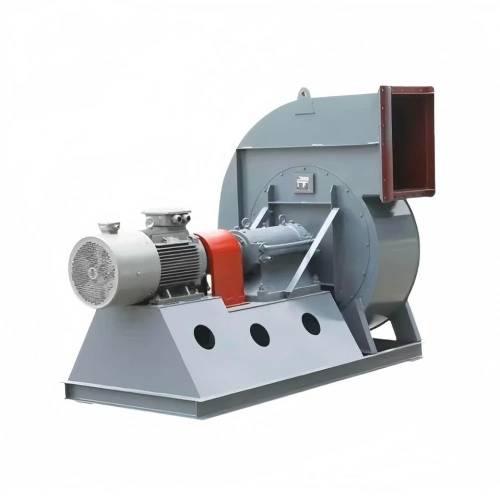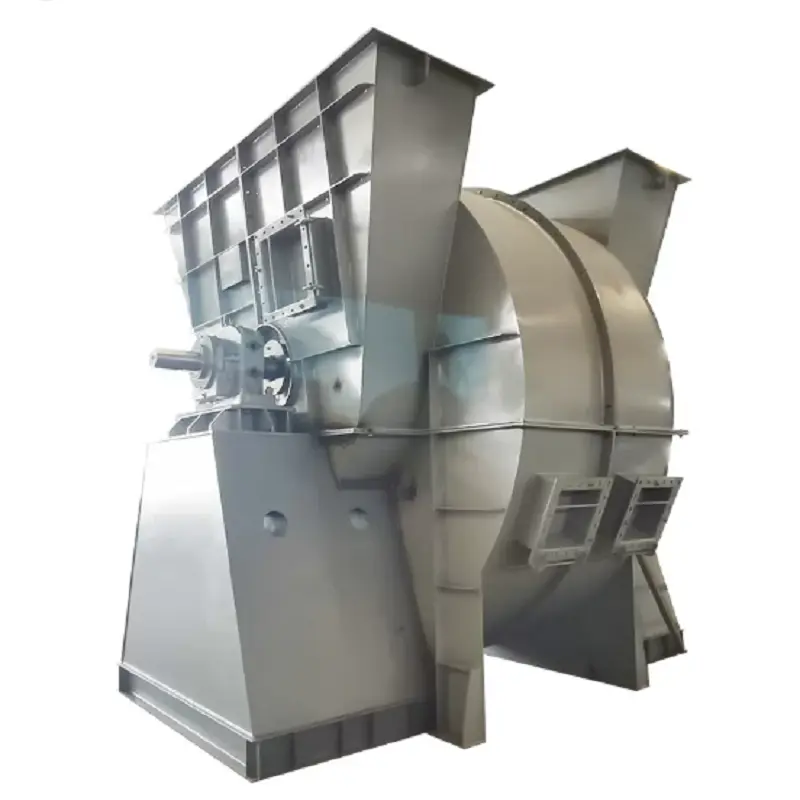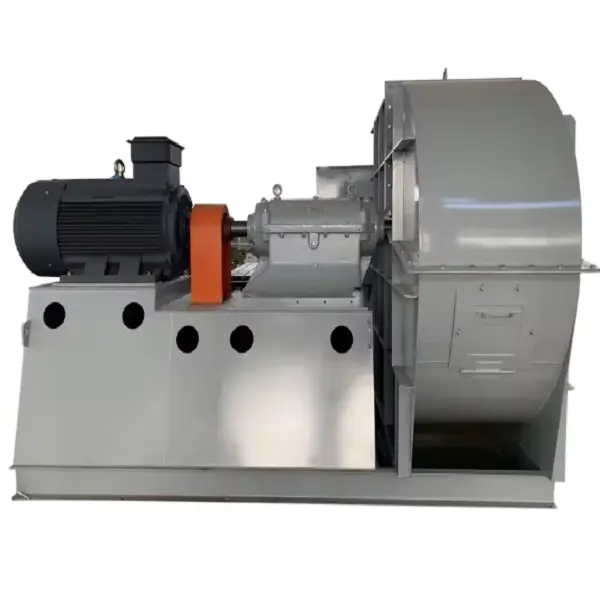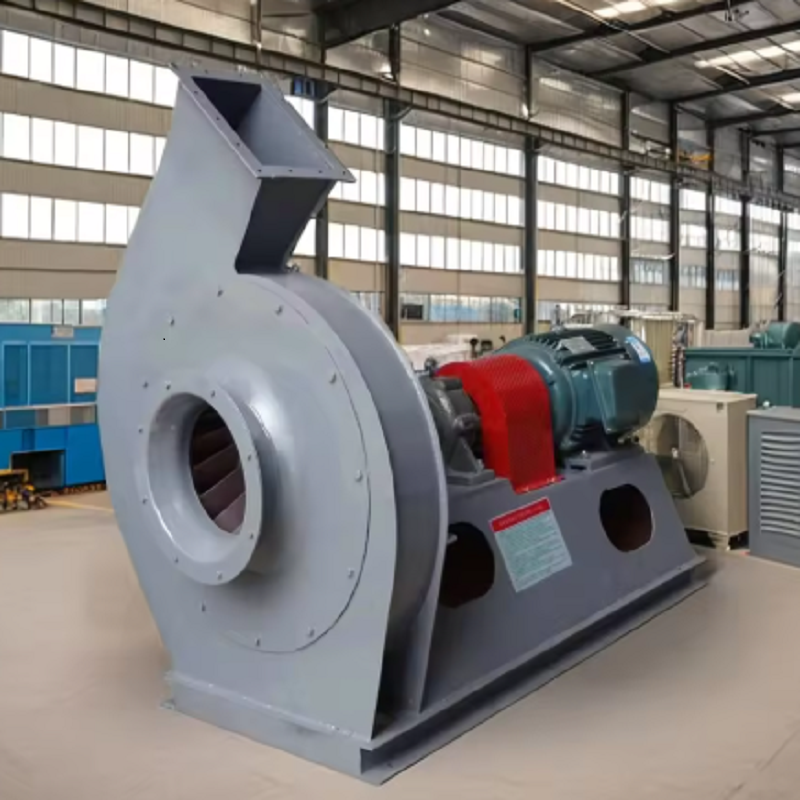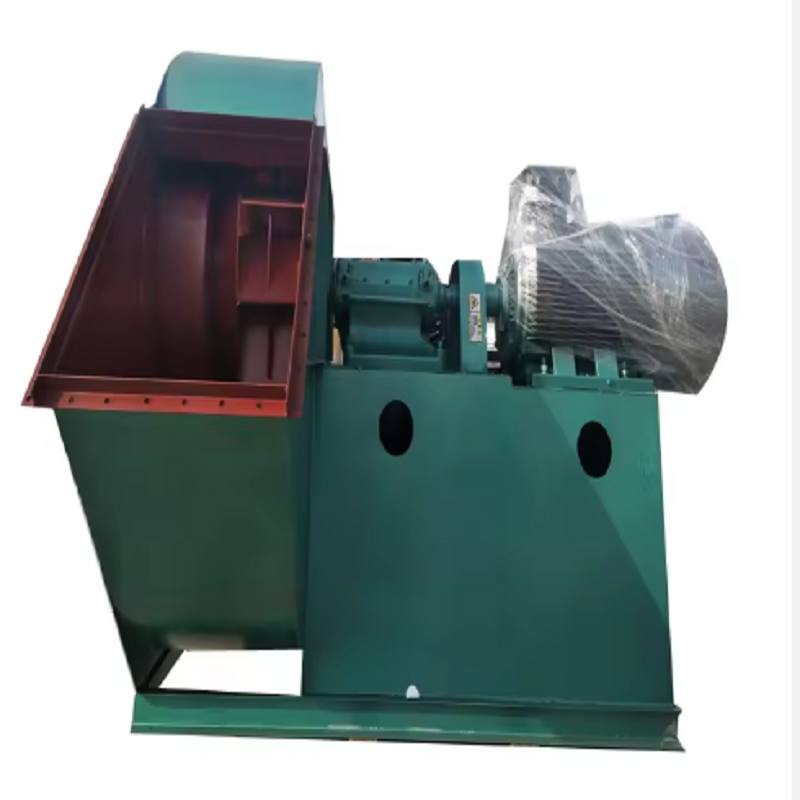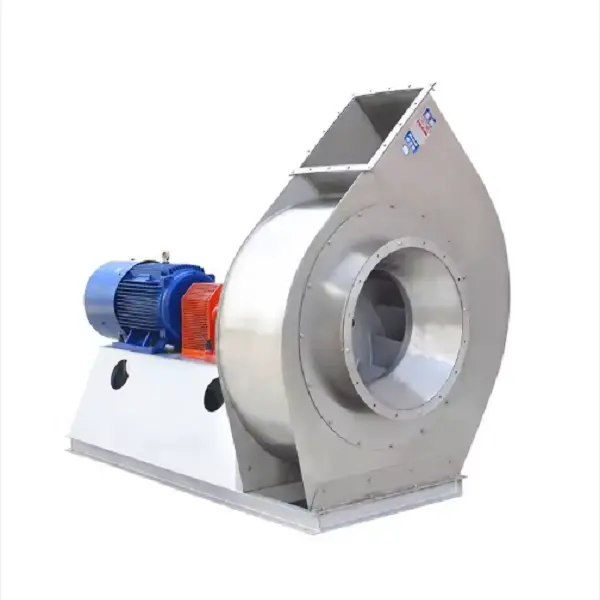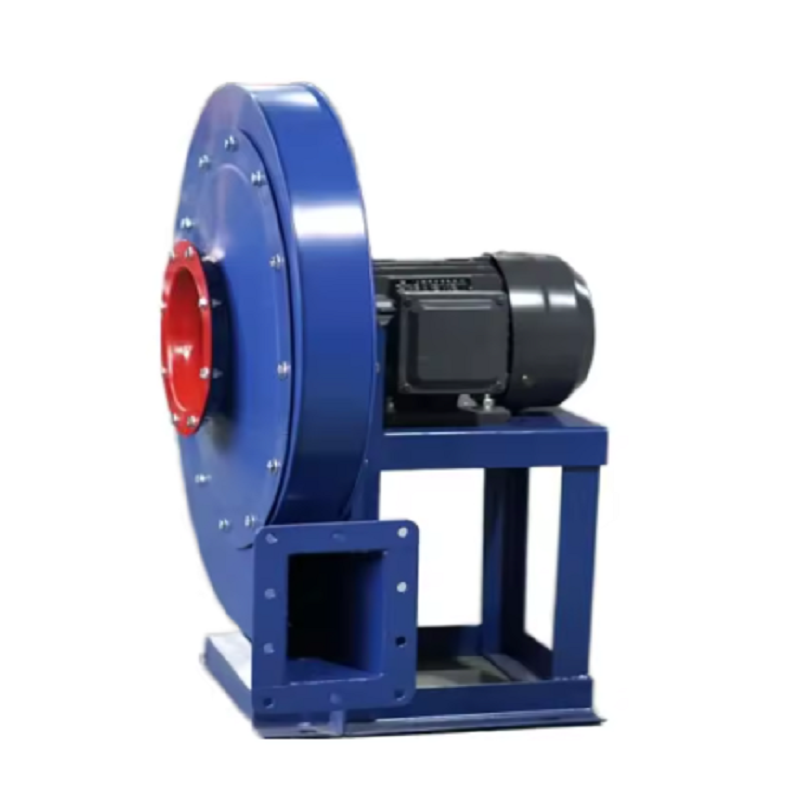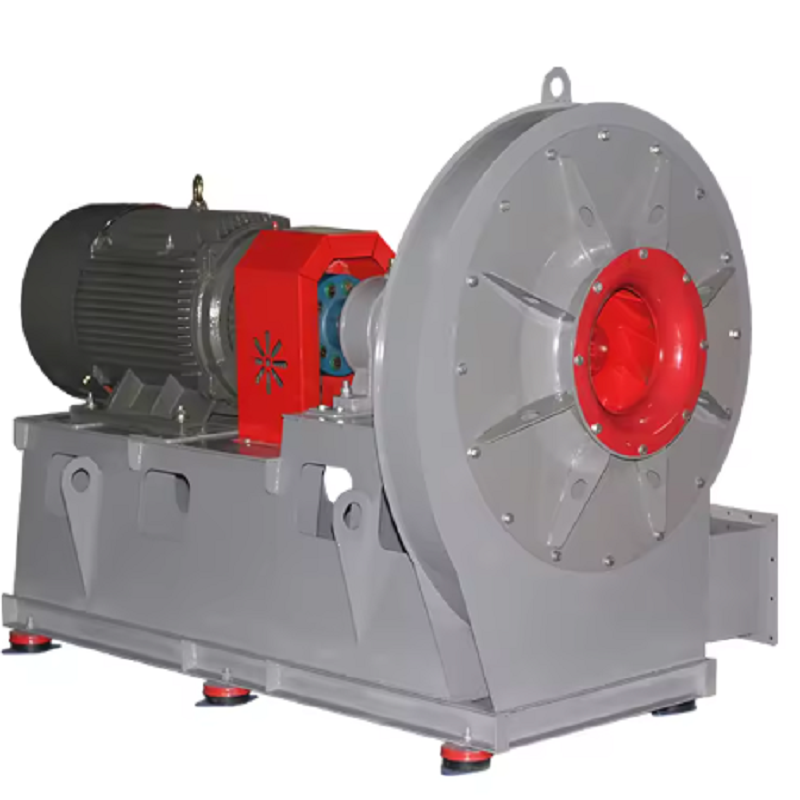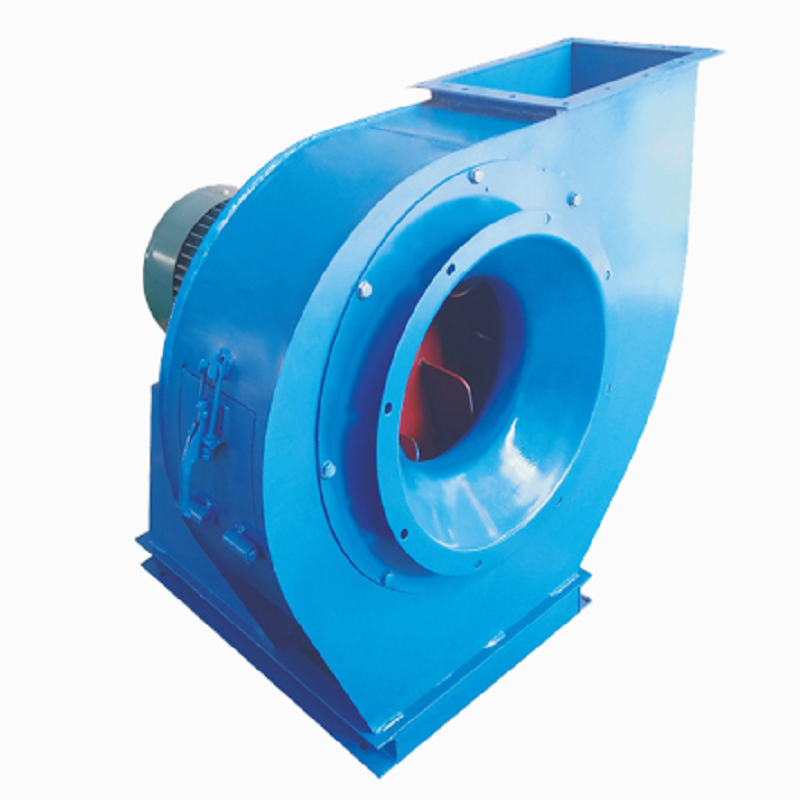
Selecting the right Type C Centrifugal Fan is critical for achieving stable airflow, energy efficiency, and long-term reliability in industrial ventilation systems. Whether the application is HVAC, dust collection, or process exhaust, the performance of a Type C Centrifugal Fan directly affects operating cost and system stability. A proper selection process ensures the equipment matches real working conditions instead of just theoretical specifications.
The first step in choosing a Type C Centrifugal Fan is to clearly define the system requirements, including airflow volume (m³/h), static pressure (Pa), and working environment temperature. Many project failures happen because these parameters are estimated rather than measured.
For example, in a metal processing workshop, an engineer initially selected a standard fan without calculating resistance from long duct runs and filters. The result was insufficient exhaust performance. After reassessment, a properly sized Type C Centrifugal Fan with higher static pressure capability was installed, and the ventilation issue was resolved immediately.
At this stage, the Type C Centrifugal Fan selection should always be based on actual system resistance curves rather than nominal airflow values.
Every Type C Centrifugal Fan comes with a performance curve showing the relationship between airflow and pressure. Selecting a fan without analyzing this curve often leads to inefficient operation or excessive energy consumption.
In a real HVAC retrofit project for a commercial factory, the design team compared three different models of Type C Centrifugal Fan. Although one model had higher maximum airflow, it operated far from its best efficiency point (BEP) under actual system resistance. The final selection was a mid-range Type C Centrifugal Fan that matched the system curve more closely, reducing energy consumption by approximately 18%.
The key principle is simple: the operating point of the Type C Centrifugal Fan should always sit near its BEP for optimal efficiency.
The working environment heavily influences the lifespan of a Type C Centrifugal Fan. For corrosive gases or high-temperature air, material selection becomes crucial. Carbon steel may be sufficient for clean air, but stainless steel or coated impellers are preferred for chemical environments.
In one chemical plant case, a standard fan failed due to corrosion within months. After upgrading to a corrosion-resistant Type C Centrifugal Fan, maintenance frequency dropped significantly, and system uptime improved.
Impeller design also matters. Forward-curved, backward-curved, or radial blades all affect pressure and efficiency. A well-matched Type C Centrifugal Fan design reduces vibration and extends service life.
Space constraints often determine the final choice of a Type C Centrifugal Fan. Even if performance is suitable, improper installation space can lead to airflow inefficiencies caused by poor duct alignment or excessive bends.
In a warehouse ventilation upgrade, engineers initially selected a high-capacity Type C Centrifugal Fan, but it required modifications to the duct layout. After switching to a compact design model with slightly optimized pressure characteristics, installation became simpler and overall system performance improved due to reduced airflow loss.
This demonstrates that selecting a Type C Centrifugal Fan is not only about performance but also about practical integration into the system layout.
Energy consumption is one of the largest costs in fan operation. A properly selected Type C Centrifugal Fan can significantly reduce electricity usage over time, especially in systems running continuously.
In a textile factory project, replacing an outdated fan system with a modern Type C Centrifugal Fan resulted in a noticeable drop in energy bills. Although the initial investment was slightly higher, the payback period was less than two years due to improved efficiency.
When evaluating options, always consider the lifecycle cost of the Type C Centrifugal Fan, not just the purchase price.
Choosing the right Type C Centrifugal Fan requires a combination of technical analysis, real-world system understanding, and practical installation considerations. By carefully evaluating airflow requirements, performance curves, materials, and energy efficiency, engineers can ensure stable and cost-effective operation.
In real engineering applications, the success of a ventilation system often depends less on the brand of the Type C Centrifugal Fan and more on how accurately it is matched to the project’s actual conditions.