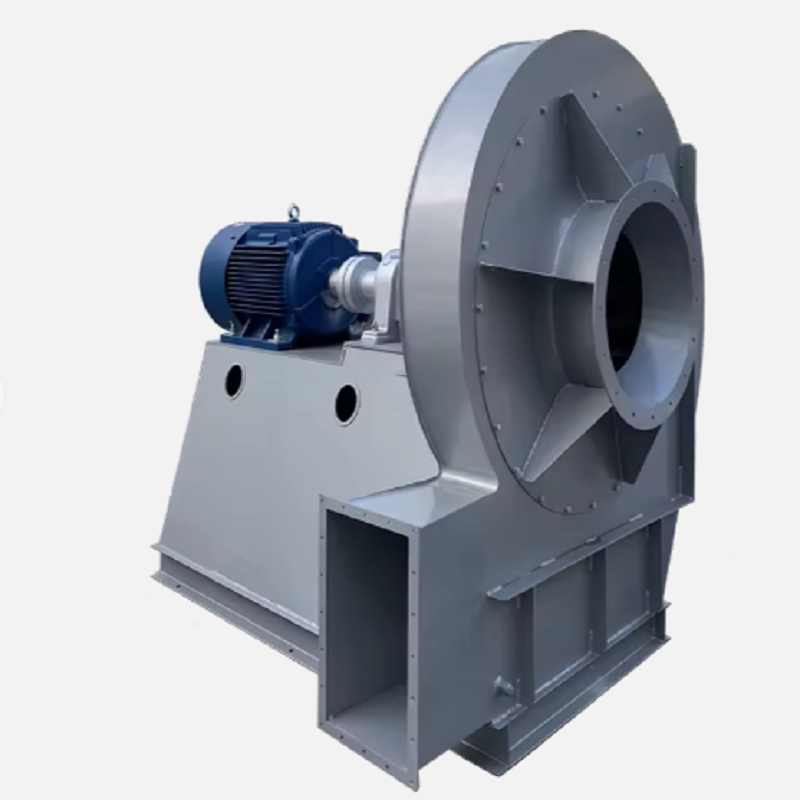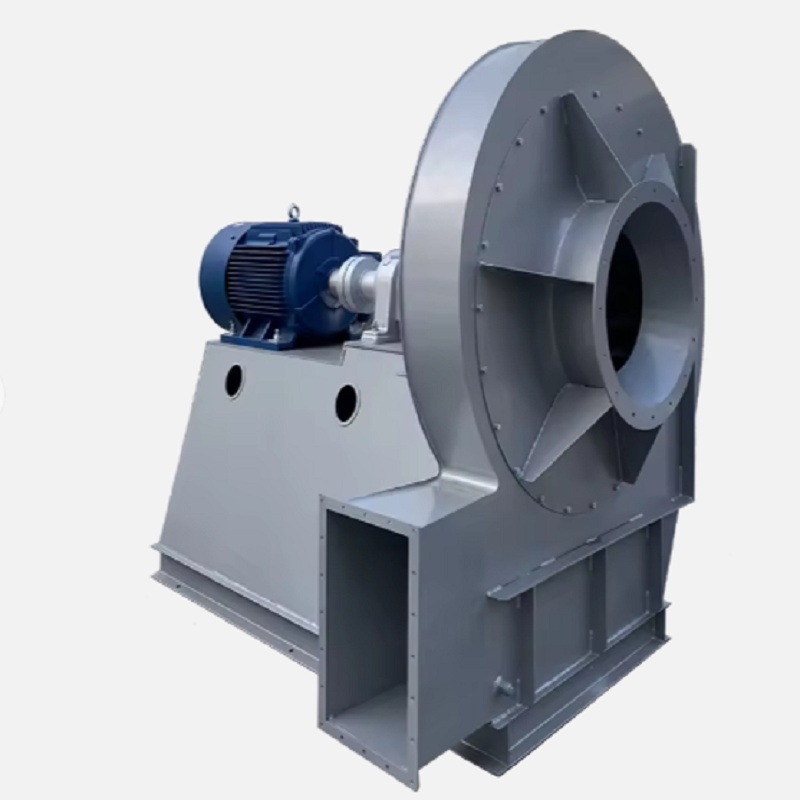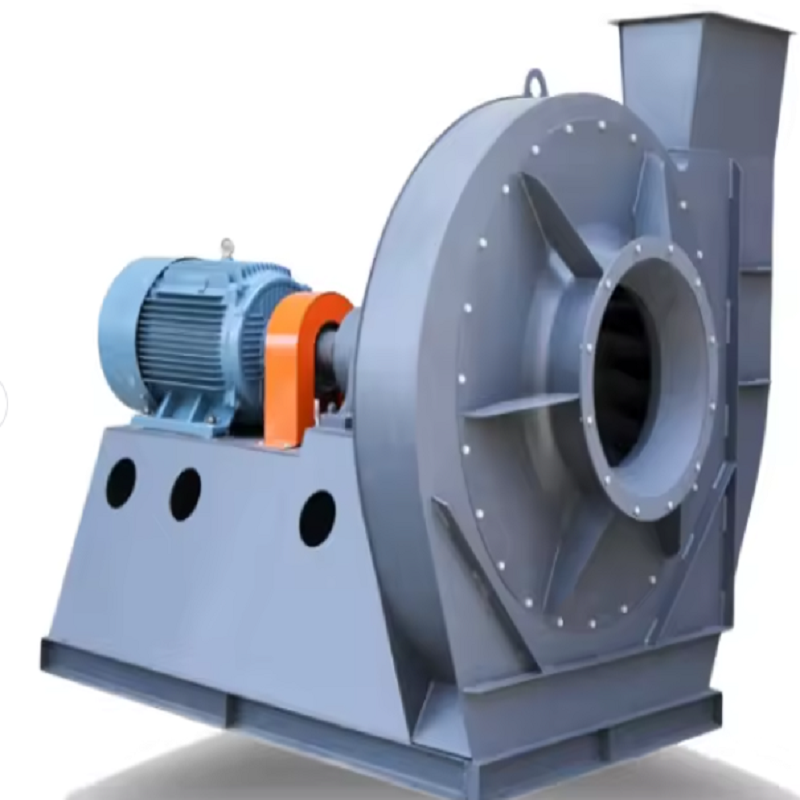
Industrial ventilation systems play a critical role in maintaining safe working conditions, protecting production equipment, and ensuring compliance with environmental regulations. Choosing the right fan can significantly improve system performance while reducing operating costs. Among the various fan designs available, the Type C Centrifugal Fan has become a preferred solution for factories that require stable airflow, reliable performance, and easy maintenance.
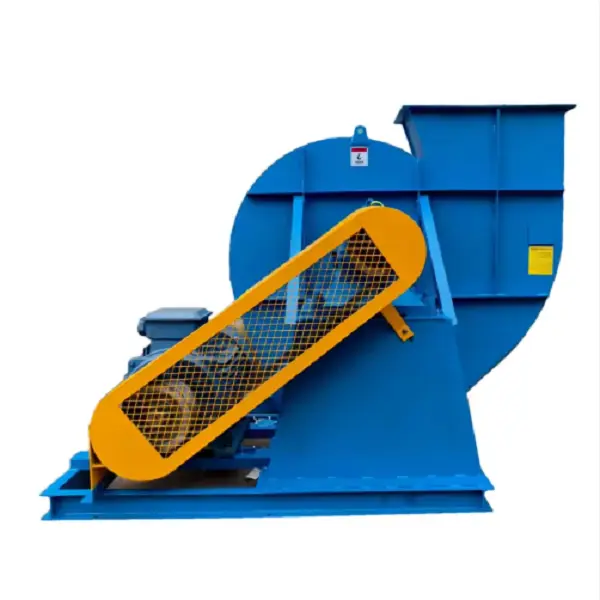
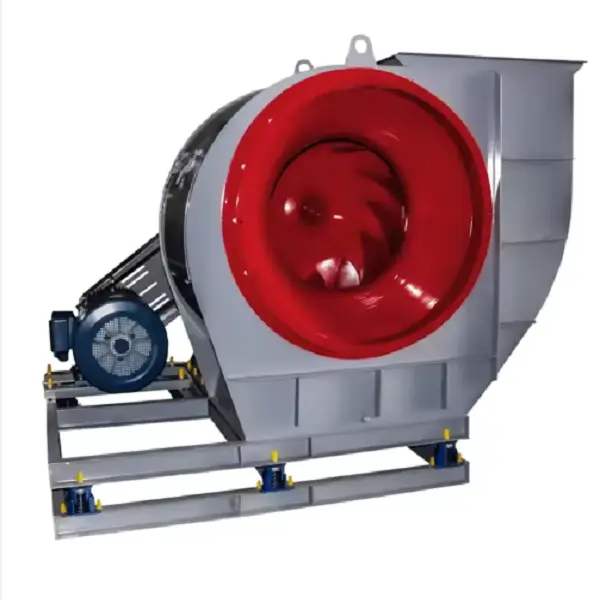
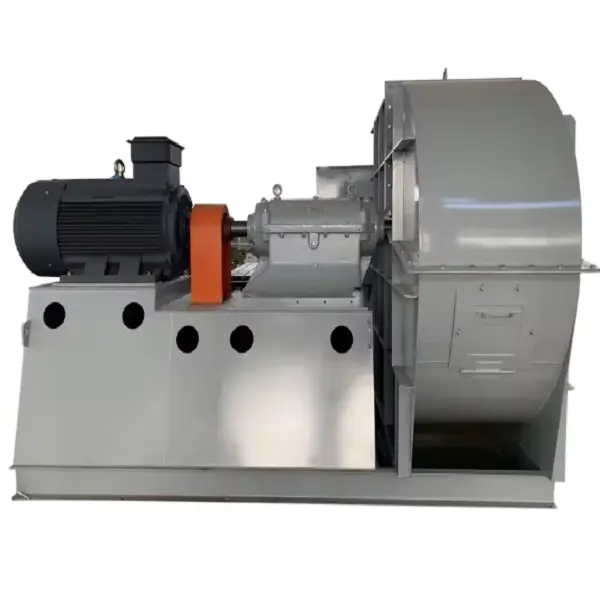
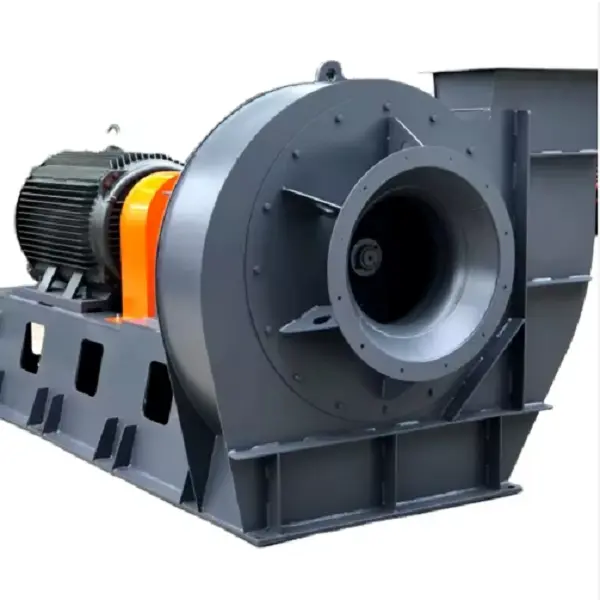
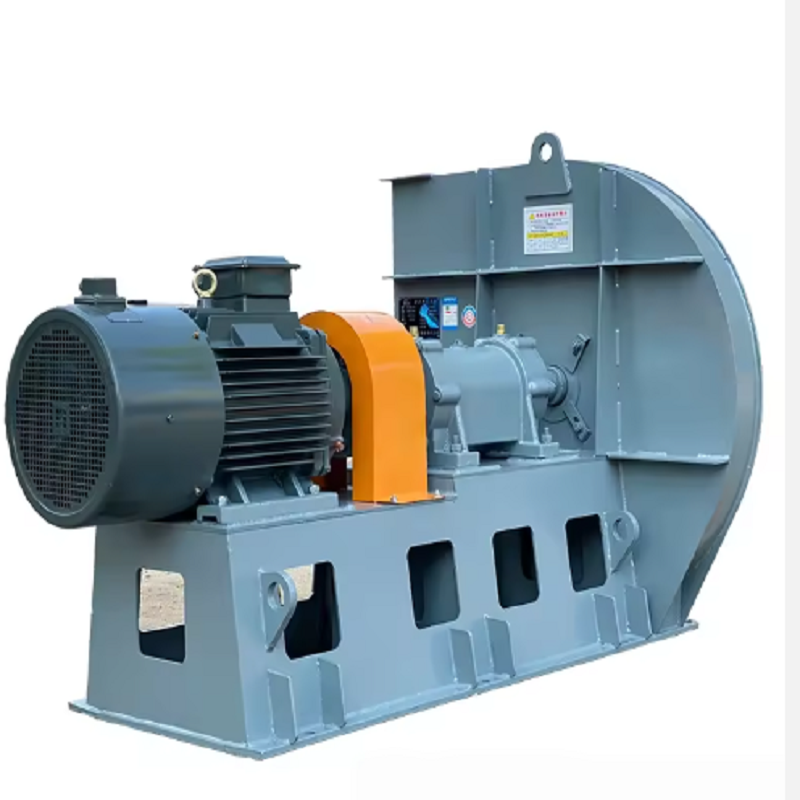
A Type C Centrifugal Fan is a belt-driven centrifugal fan in which the impeller is mounted directly on the fan shaft, while the motor is installed separately and connected through a pulley and V-belt system. This design allows users to adjust the fan speed by changing pulley ratios, making it suitable for applications with different airflow and pressure requirements.
Compared with direct-driven fans, the Type C Centrifugal Fan offers greater flexibility in speed adjustment and simplifies motor replacement during maintenance, helping reduce downtime in industrial environments.
One of the biggest advantages of the Type C Centrifugal Fan is its adaptability. Because the rotational speed can be adjusted without replacing the entire fan, engineers can optimize airflow according to changing production demands.
Additional benefits include:
Stable airflow under continuous operation
Flexible speed adjustment through pulley changes
Lower maintenance costs compared with complex drive systems
Suitable for dusty, humid, or high-temperature environments
Long service life when properly maintained
These characteristics make the Type C Centrifugal Fan widely used in manufacturing plants, environmental protection systems, material conveying lines, and dust collection equipment.
A metal fabrication company experienced poor dust extraction performance during peak production periods. The original direct-drive fan was unable to provide sufficient airflow after production capacity increased, resulting in excessive dust accumulation inside the workshop.
Instead of replacing the entire ventilation system, the engineering team installed a Type C Centrifugal Fan with a belt-driven transmission. By selecting a different pulley ratio, the fan speed increased by approximately 15%, which improved airflow throughout the dust collection system.
After the upgrade, the company reported several measurable improvements:
Dust collection efficiency increased significantly.
Air quality inside the workshop improved.
Energy consumption remained within acceptable operating limits.
Maintenance became easier because the motor could be serviced without removing the fan assembly.
Production interruptions caused by ventilation issues were greatly reduced.
This project demonstrated how a properly selected Type C Centrifugal Fan can improve both operational efficiency and workplace safety without requiring a complete system redesign.
To keep a Type C Centrifugal Fan operating efficiently, regular inspection and preventive maintenance are essential. Plant maintenance personnel should periodically check belt tension, pulley alignment, bearing lubrication, and impeller cleanliness.
Excessive belt wear or improper alignment can reduce airflow and increase power consumption. Cleaning accumulated dust from the impeller also helps maintain balanced operation and extends bearing life. Establishing a routine maintenance schedule can minimize unexpected downtime and maximize equipment reliability.
Selecting the right industrial fan is an important step toward improving production efficiency and reducing operating costs. Thanks to its flexible speed adjustment, reliable performance, and convenient maintenance, the Type C Centrifugal Fan remains an excellent choice for dust collection systems, industrial ventilation, and environmental protection equipment.
Whether upgrading an existing ventilation system or designing a new industrial project, a well-matched Type C Centrifugal Fan can deliver stable airflow, higher operating efficiency, and long-term value for manufacturers across a wide range of industries.