News

Top 5 Benefits of Using a Type D Centrifugal Fan

2026-06-26 0 Leave me a message

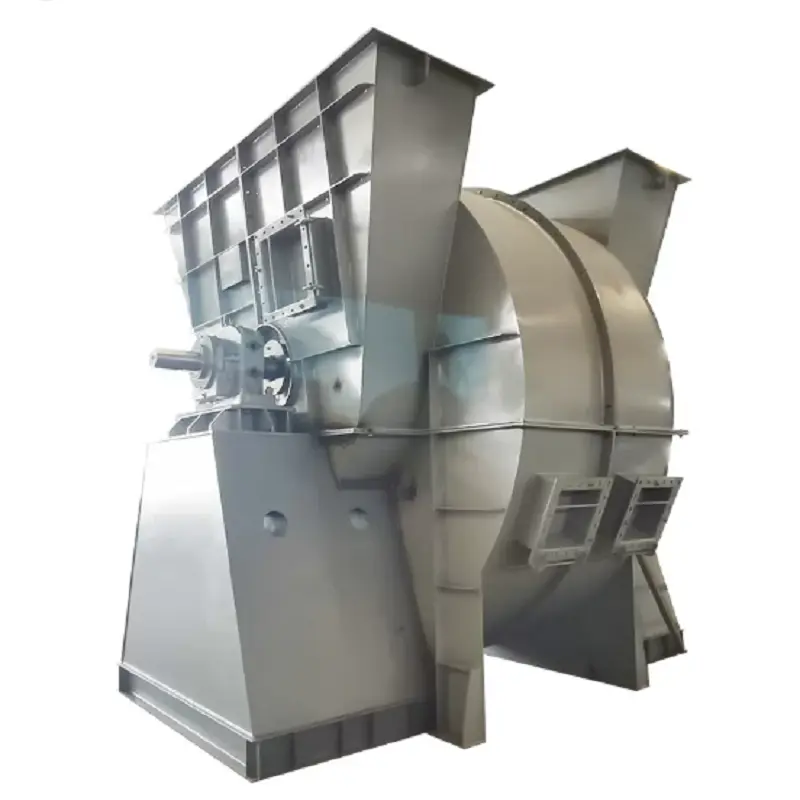
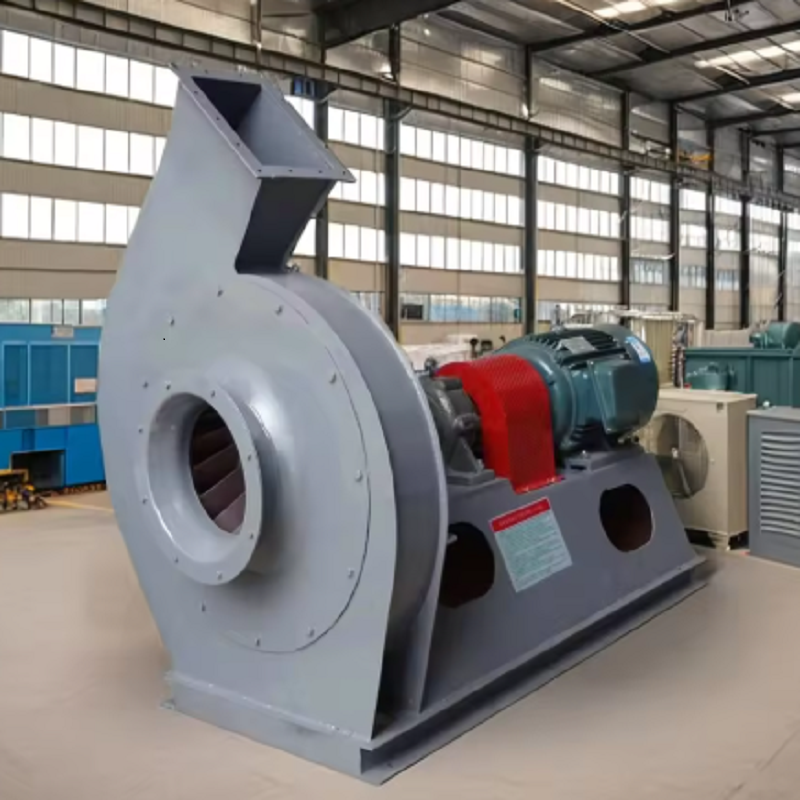
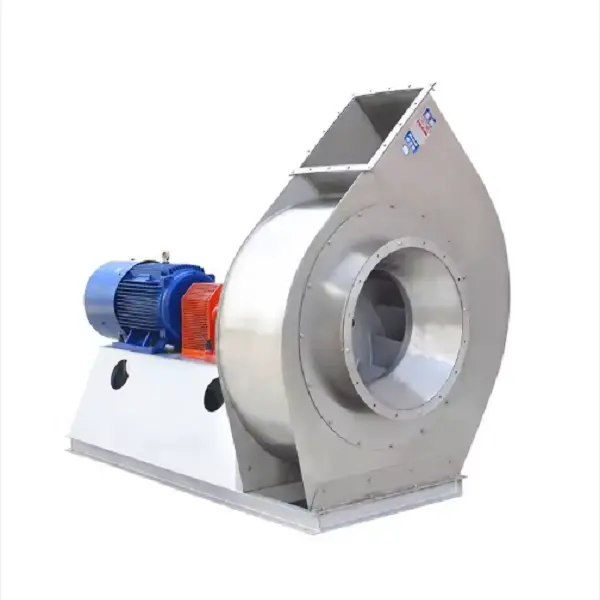
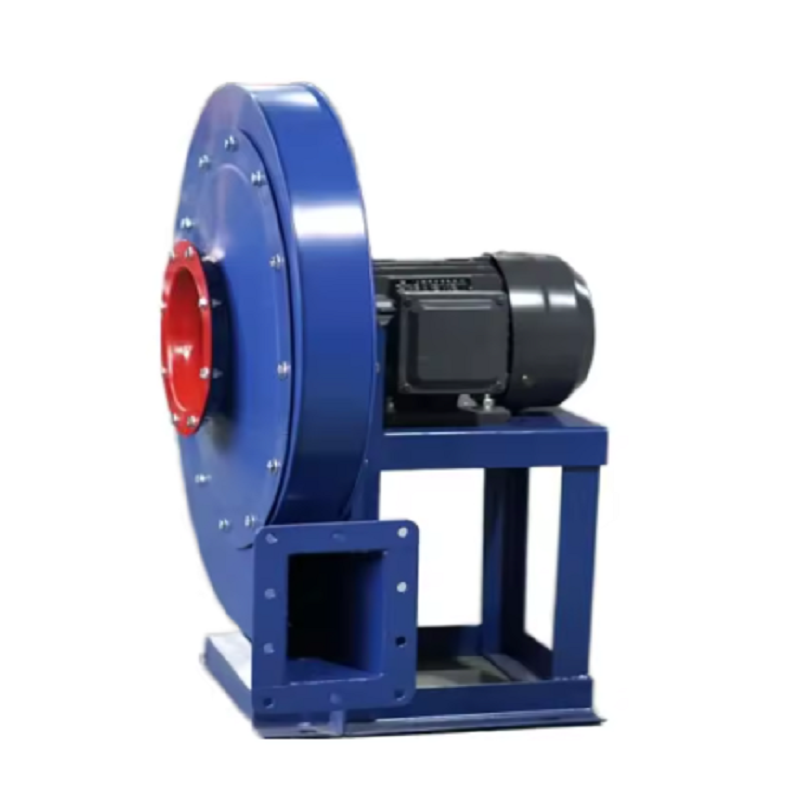
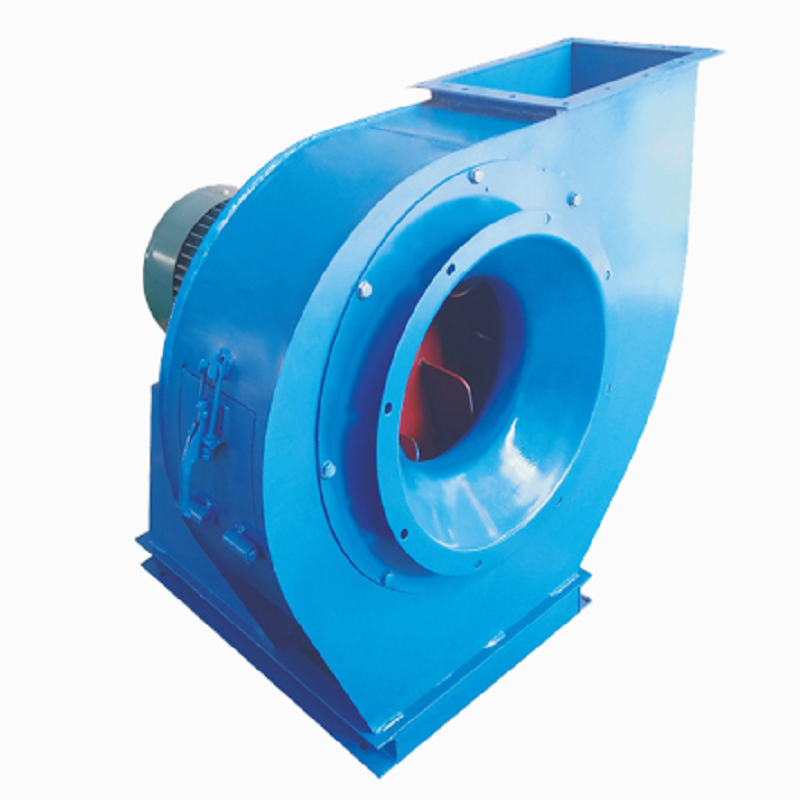
In modern industrial ventilation systems, choosing the right fan has a direct impact on production efficiency, operating costs, and equipment lifespan. Among various industrial fan designs, the Type D Centrifugal Fan has become a preferred option for factories, power plants, cement facilities, and dust collection systems because of its stable performance and flexible installation. Whether you are upgrading an existing ventilation system or designing a new production line, understanding the practical advantages of a Type D Centrifugal Fan can help you make a more cost-effective investment.

1. Higher Airflow Efficiency for Industrial Applications

One of the biggest advantages of a Type D Centrifugal Fan is its ability to deliver high airflow while maintaining stable static pressure. This makes it particularly suitable for applications where air must travel through long duct systems, filters, or dust collectors.

For example, a metal fabrication factory in Southeast Asia replaced an older belt-driven fan with a Type D Centrifugal Fan rated at 45kW. After installation, airflow increased by approximately 18%, while the workshop temperature dropped by nearly 4°C during peak production hours. The improved ventilation also reduced welding smoke accumulation, creating a safer working environment for employees.

Practical Tip:

Before selecting a fan model, calculate the required airflow (CFM or m³/h) and total system resistance. Matching the fan curve with your operating point can significantly improve overall efficiency.

2. Easy Maintenance and Reduced Downtime

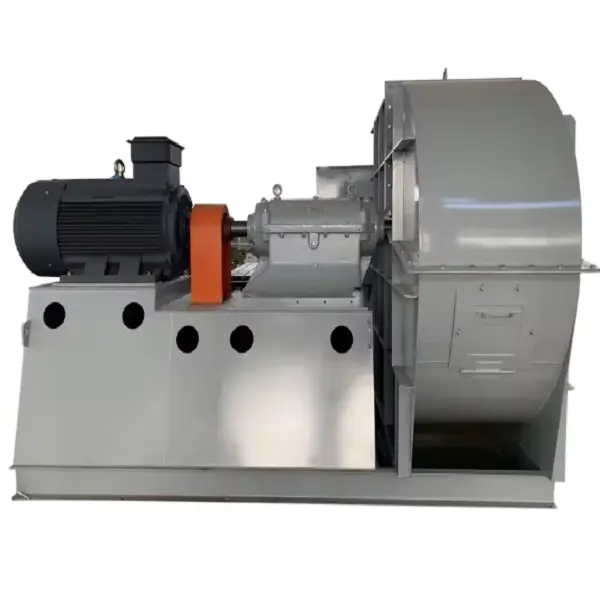
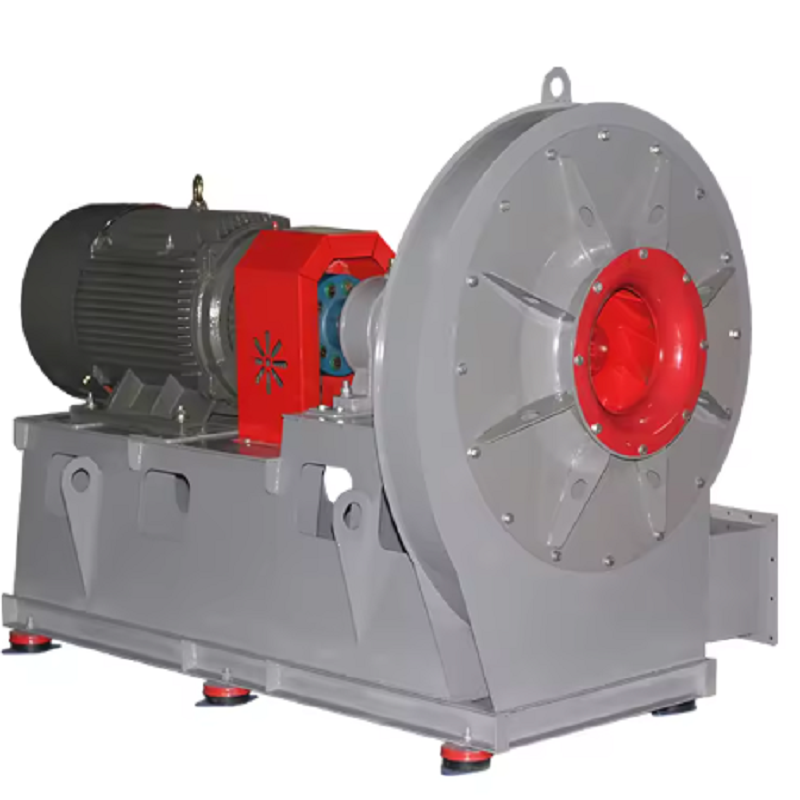
Industrial equipment maintenance often leads to production interruptions, making serviceability an important consideration. A Type D Centrifugal Fan features a design that allows easier access to bearings, shafts, and impellers, reducing maintenance time compared with many conventional centrifugal fans.

A cement manufacturing company experienced frequent bearing replacements due to difficult maintenance access on its previous ventilation equipment. After switching to a Type D Centrifugal Fan, technicians were able to complete routine inspections nearly 30% faster. The maintenance interval was also extended through proper lubrication and alignment, reducing unexpected shutdowns during production.

Practical Tip:

Schedule vibration testing every three to six months. Early detection of bearing wear or impeller imbalance can prevent costly emergency repairs.

3. Suitable for High-Temperature and Heavy-Duty Environments

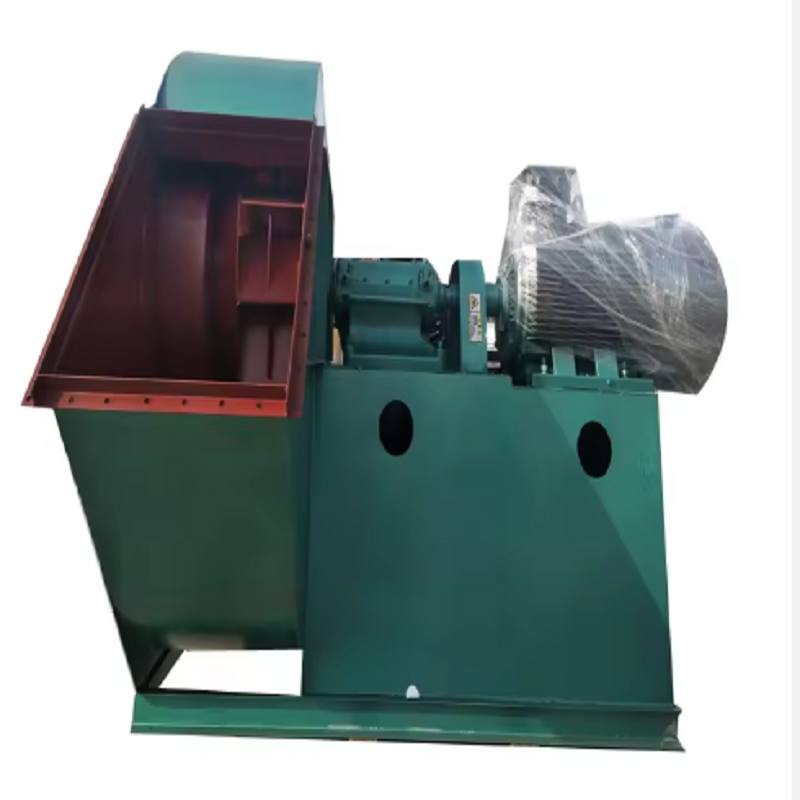
Many industrial processes generate high temperatures, dust, or corrosive gases. A Type D Centrifugal Fan is commonly manufactured with heavy-duty steel construction and can be configured with heat-resistant bearings, reinforced impellers, and specialized coatings for demanding environments.

For instance, a biomass power station installed a Type D Centrifugal Fan for flue gas handling at temperatures exceeding 250°C. By selecting heat-resistant materials and implementing regular impeller cleaning, the fan operated continuously for more than two years without major mechanical failures, helping the plant maintain stable power generation.

Practical Tip:

If the operating temperature exceeds 200°C, choose high-temperature grease, appropriate shaft cooling methods, and materials designed specifically for thermal expansion.

4. Flexible Installation for Different Industrial Layouts

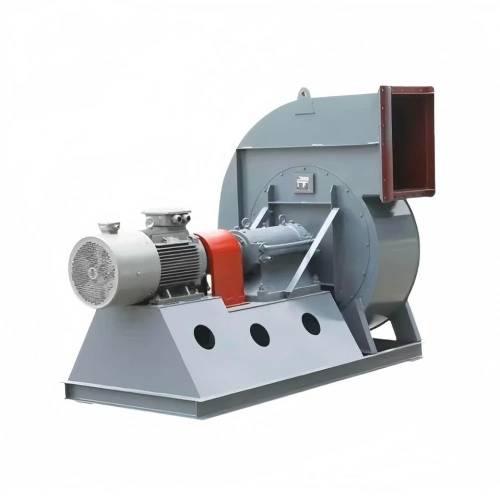
Unlike some fixed-drive fan designs, a Type D Centrifugal Fan offers greater installation flexibility because the motor is typically connected through a coupling arrangement. This configuration allows engineers to position the motor more conveniently while improving alignment and reducing vibration.

A food processing factory faced limited installation space when upgrading its ventilation equipment. Engineers selected a compact Type D Centrifugal Fan with customized inlet and outlet orientations to fit the existing ductwork. The project was completed without major structural modifications, saving both installation time and construction costs.

Practical Tip:

During installation, use laser shaft alignment tools instead of traditional manual alignment methods. Accurate alignment reduces coupling wear and improves bearing life.

5. Lower Long-Term Operating Costs

Although the initial purchase price of a Type D Centrifugal Fan may be higher than that of some standard industrial fans, its long-term operating cost is often significantly lower due to higher efficiency, improved durability, and reduced maintenance requirements.

A chemical manufacturing facility monitored electricity consumption for six months after replacing two aging fans with high-efficiency Type D Centrifugal Fan units equipped with variable frequency drives (VFDs). Energy consumption decreased by approximately 15%, while annual maintenance expenses dropped because fewer replacement parts were required. Based on these savings, the investment reached its payback period in less than three years.

Practical Tip:

Pairing a Type D Centrifugal Fan with a VFD allows airflow to adjust according to production demand, reducing unnecessary energy consumption during partial-load operation.

Conclusion

A Type D Centrifugal Fan offers much more than reliable airflow. Its high efficiency, simplified maintenance, ability to handle demanding operating conditions, flexible installation, and lower lifecycle costs make it a practical solution for a wide range of industrial applications. Companies that evaluate airflow requirements, operating temperature, maintenance planning, and energy efficiency before selecting equipment are more likely to achieve long-term performance and lower operating expenses.

Rather than focusing solely on purchase price, engineers and plant managers should consider total ownership costs. In many real-world projects, investing in the right Type D Centrifugal Fan has resulted in improved production stability, reduced downtime, and measurable energy savings over the life of the equipment.

Related News
Leave me a message
X
We use cookies to offer you a better browsing experience, analyze site traffic and personalize content. By using this site, you agree to our use of cookies.Privacy Policy
RejectAccept