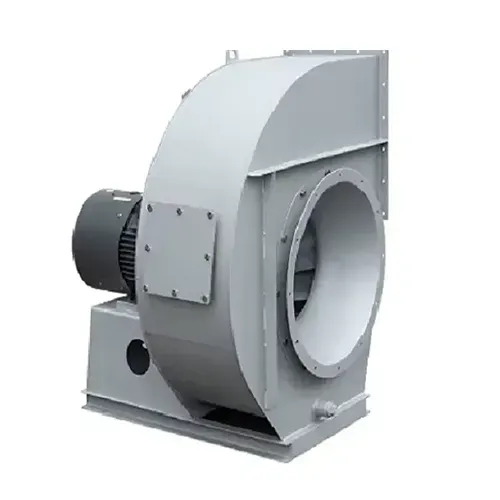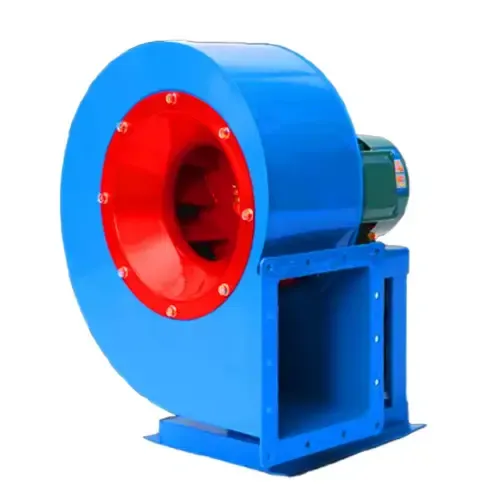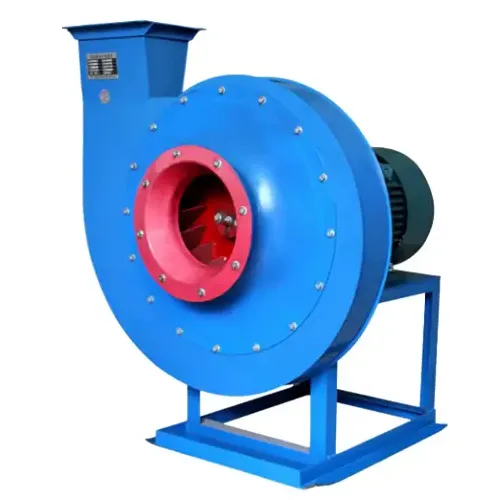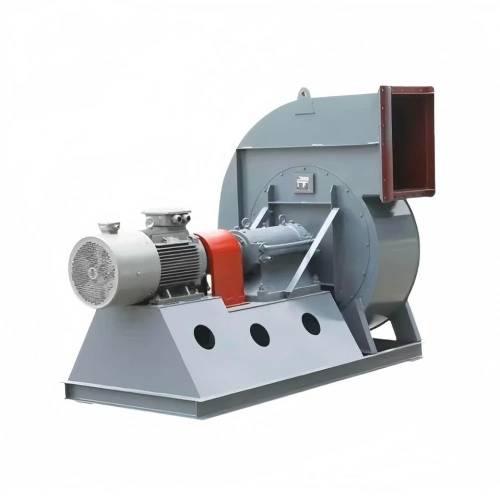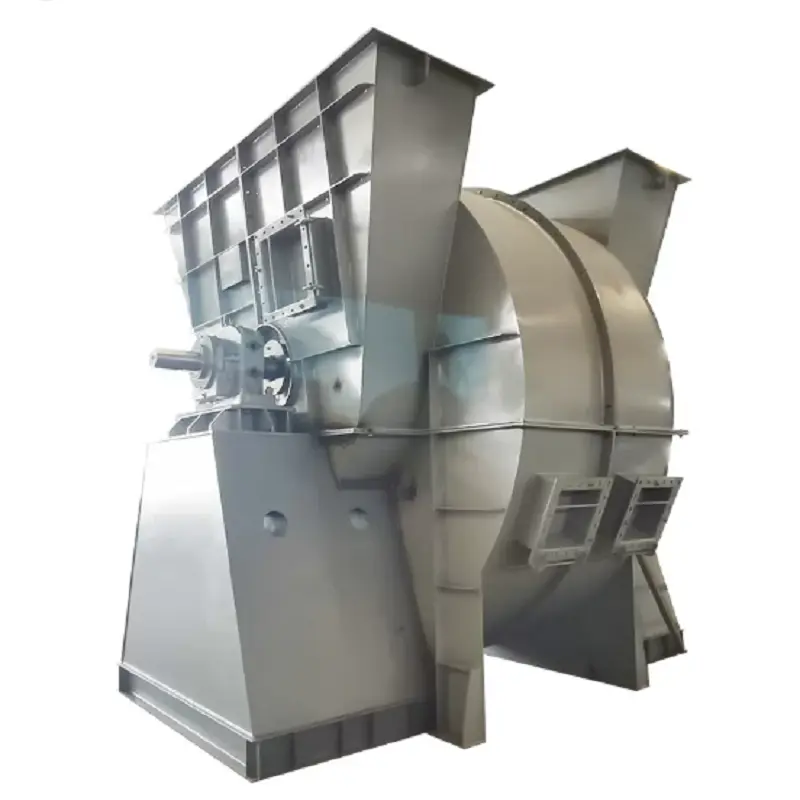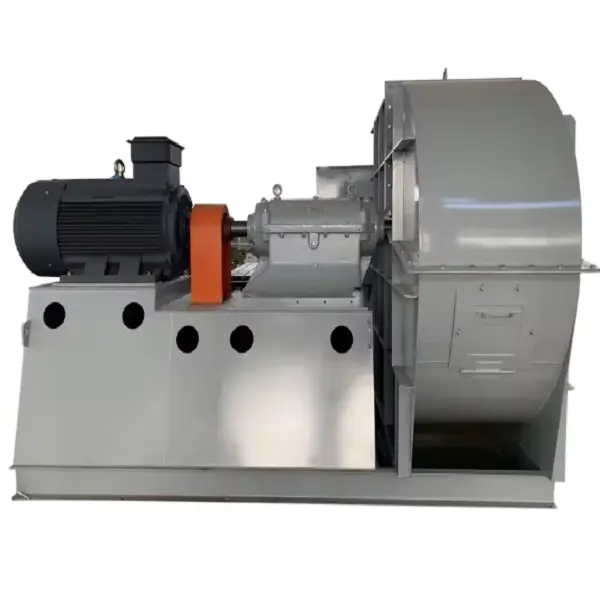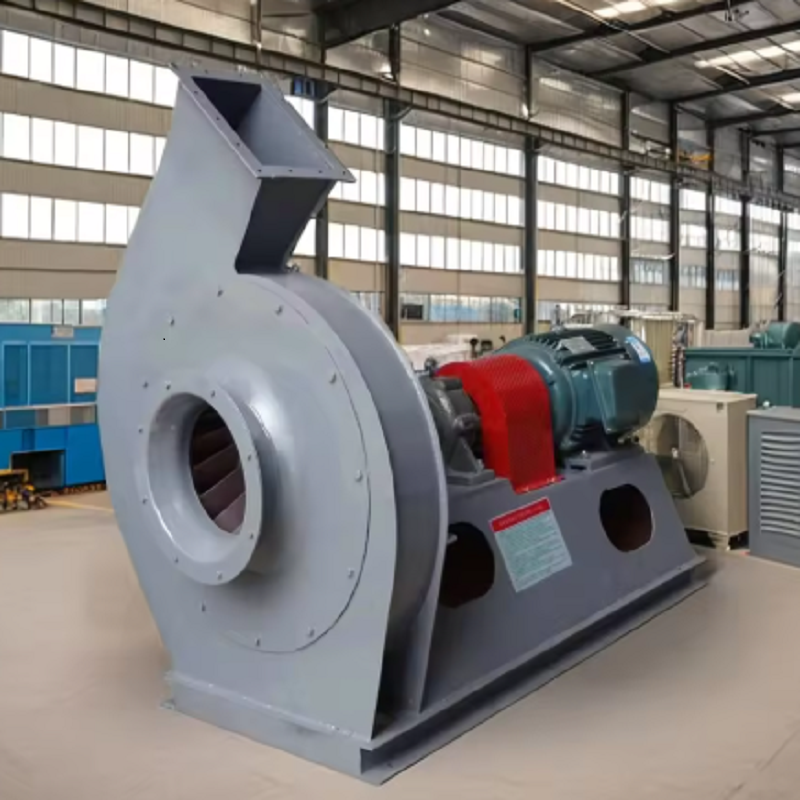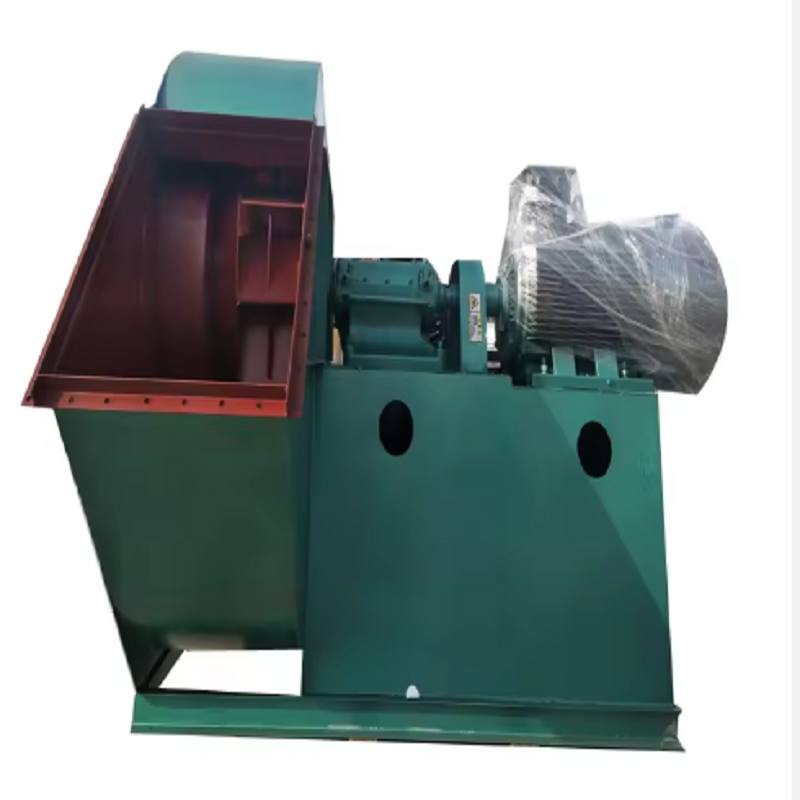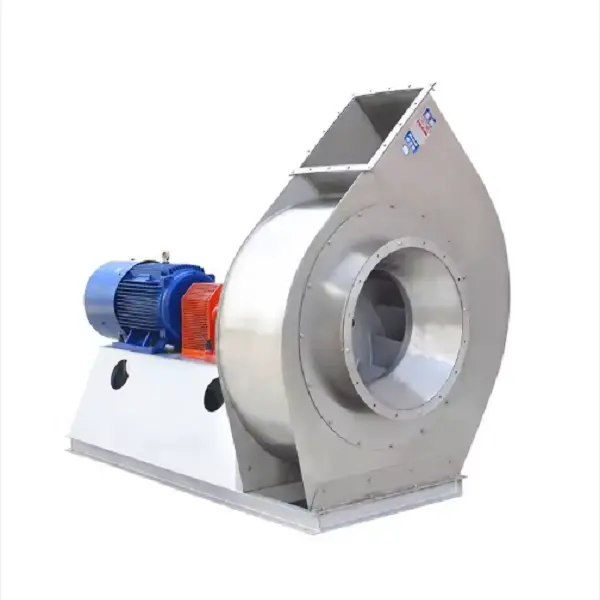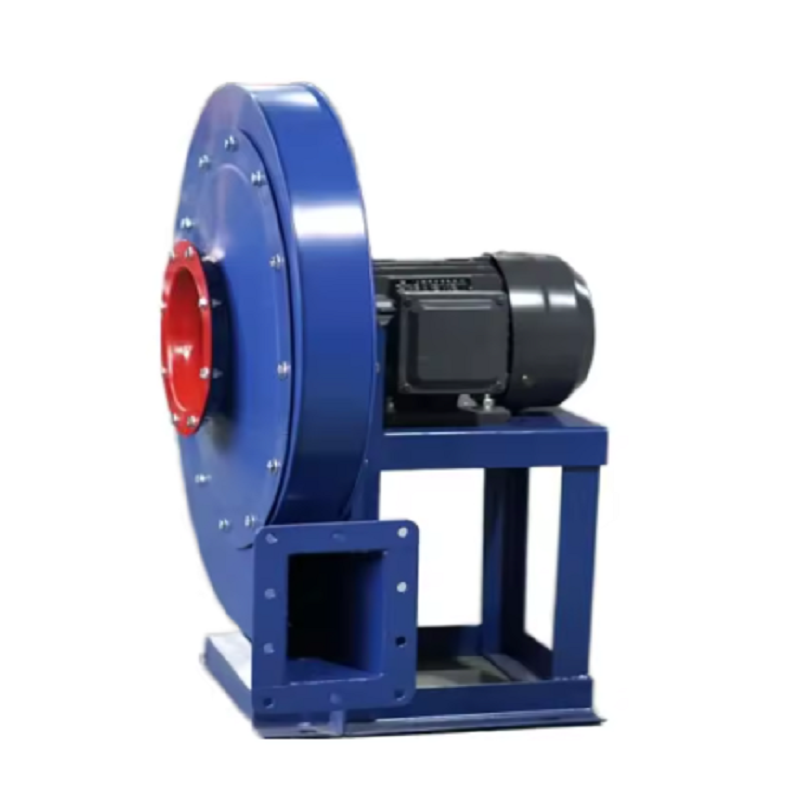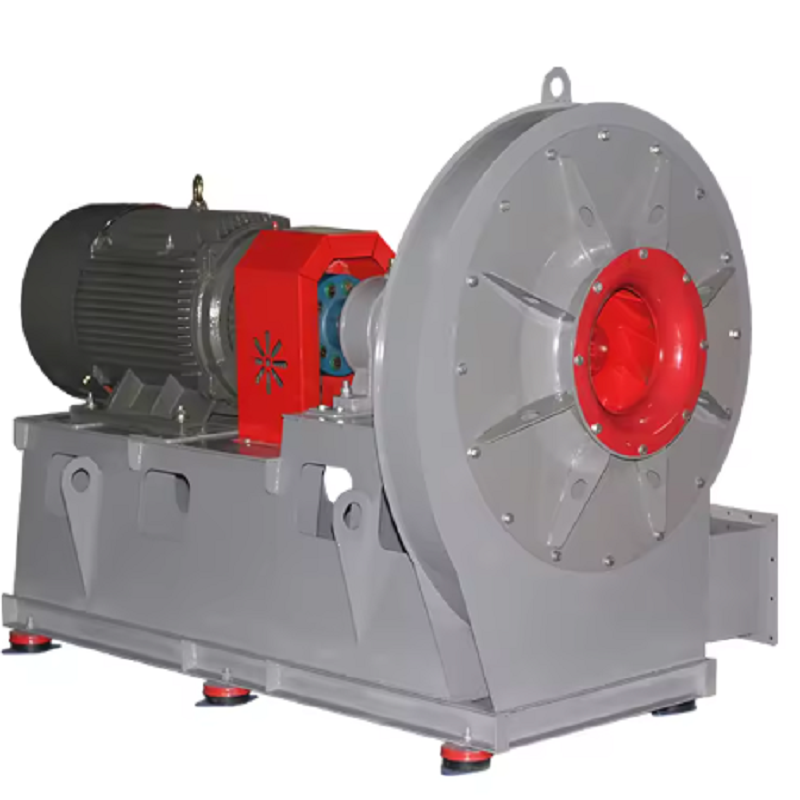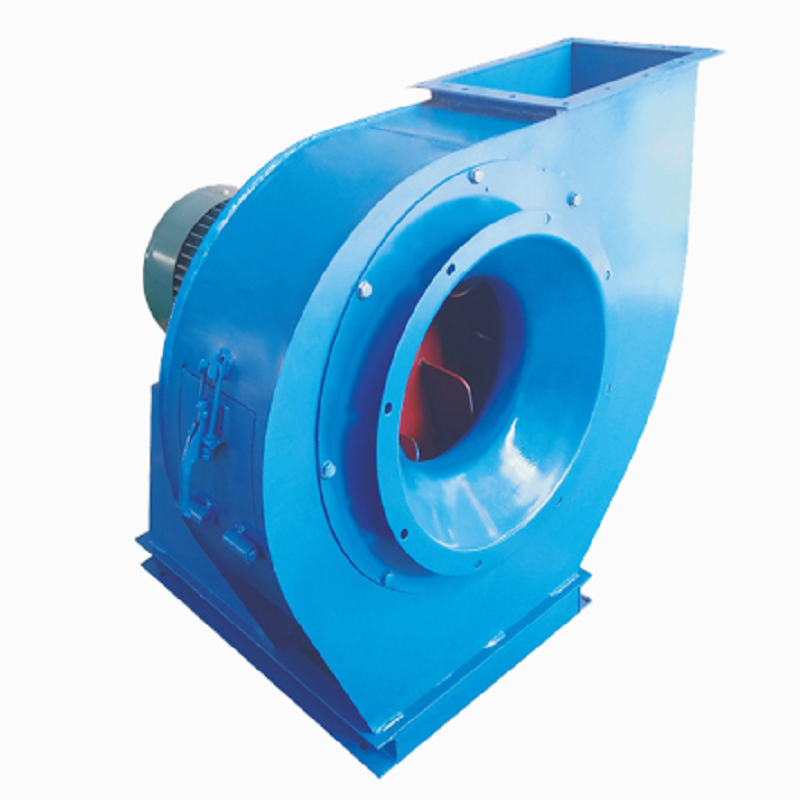
Industrial ventilation systems operate under far more demanding conditions than ordinary commercial ventilation. High temperatures, dust particles, corrosive gases, and continuous operation require equipment that delivers stable airflow without sacrificing durability. For factories looking to improve production efficiency while reducing maintenance costs, the Type F Centrifugal Fan has become a practical solution for high-pressure exhaust and ventilation applications.
Unlike standard centrifugal fans, the Type F Centrifugal Fan is designed to handle harsh industrial environments. Its reinforced impeller and heavy-duty housing allow it to maintain stable airflow even when transporting hot gases or dust-laden air. Many manufacturers also equip these fans with heat-resistant bearings and precision-balanced rotors, helping minimize vibration and extend service life during 24-hour continuous operation.
One of the most overlooked factors in fan performance is system installation. Even a high-quality Type F Centrifugal Fan cannot reach its rated efficiency if the ductwork is poorly designed. During installation, engineers often recommend keeping a straight inlet section before the fan to ensure smooth airflow. Flexible joints should also be installed on both the inlet and outlet to reduce vibration transfer, while the fan base must be leveled accurately before final alignment. These small details often improve airflow performance more than increasing motor power alone.
A food processing plant recently upgraded its drying exhaust system after experiencing frequent shutdowns caused by overheating. The original fan struggled to remove hot air generated during continuous production. After replacing the old equipment with a Type F Centrifugal Fan, engineers also resized the exhaust ducts and installed a variable frequency drive to match airflow with production demand. Within several weeks, exhaust efficiency improved noticeably, equipment temperatures remained within design limits, and electricity consumption was reduced because the fan no longer operated at maximum speed throughout the entire production cycle.
Routine maintenance is another key factor that determines the long-term reliability of a Type F Centrifugal Fan. Maintenance personnel should inspect bearing temperature, motor current, and vibration levels every month. Dust accumulation on the impeller should be removed before it affects balance, especially in cement plants, foundries, or woodworking factories where airborne particles are abundant. Regular lubrication following the manufacturer's maintenance schedule can also prevent unexpected bearing failures and reduce costly production downtime.
Selecting the correct fan model is equally important. Engineers should calculate total airflow, system resistance, operating temperature, and the characteristics of the conveyed gas before making a final decision. Choosing a fan solely based on motor size often results in excessive energy consumption or insufficient airflow. A properly matched Type F Centrifugal Fan delivers stable pressure, lower operating costs, and a longer service life because it operates within its optimal performance range.
As industrial facilities continue to focus on energy efficiency and environmental compliance, ventilation equipment plays a more critical role than ever before. A well-designed exhaust system built around a Type F Centrifugal Fan not only improves air quality inside the workshop but also helps protect production equipment, reduce maintenance frequency, and support stable long-term operation. For factories seeking reliable industrial ventilation, investing in the right fan and installing it correctly can deliver measurable benefits for years to come.