News

Carbon Steel Centrifugal Fans Become a Practical Choice for Heavy-Duty Ventilation Systems

2026-09-24 0 Leave me a message

Industrial ventilation is rarely as simple as moving air from point A to point B. Once a system includes long ducts, elbows, filters, dust collectors, dampers, heat exchangers, or process equipment, the fan has to overcome significant resistance while maintaining a stable operating point.

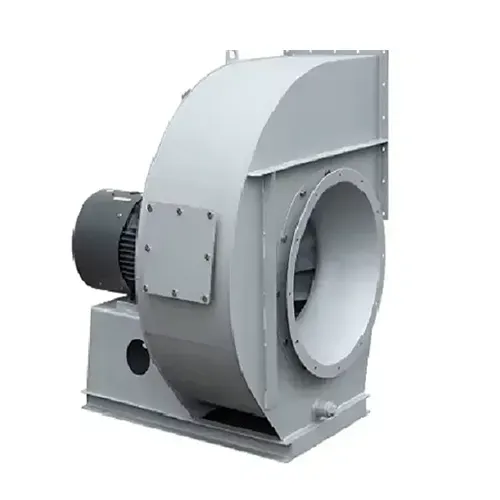
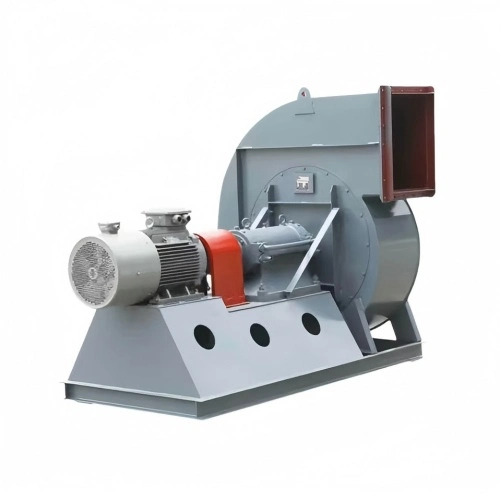
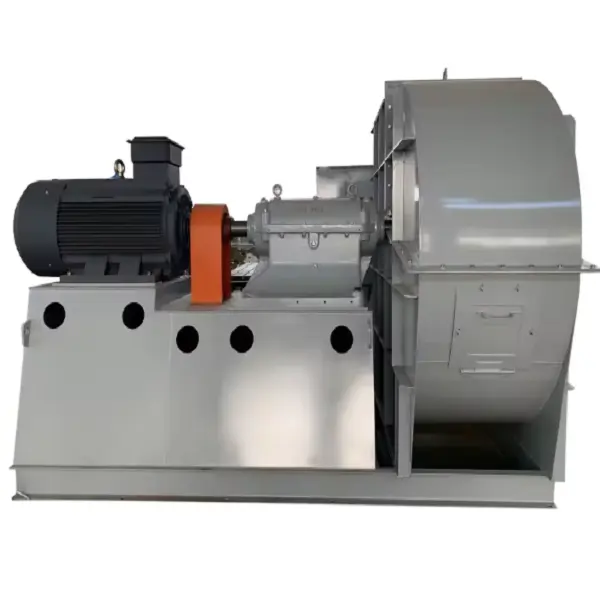
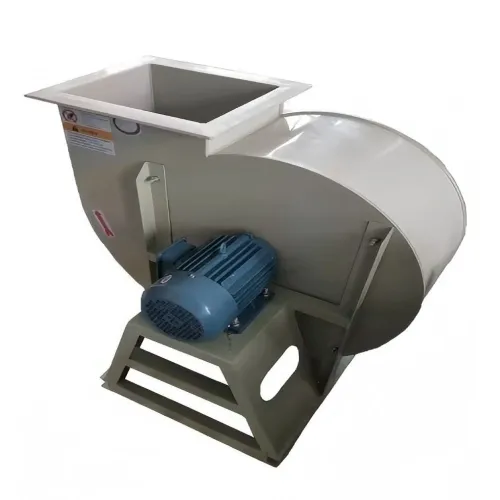
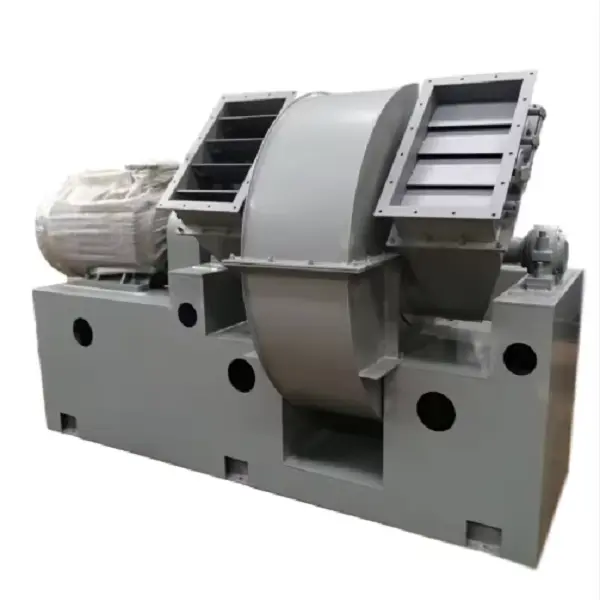
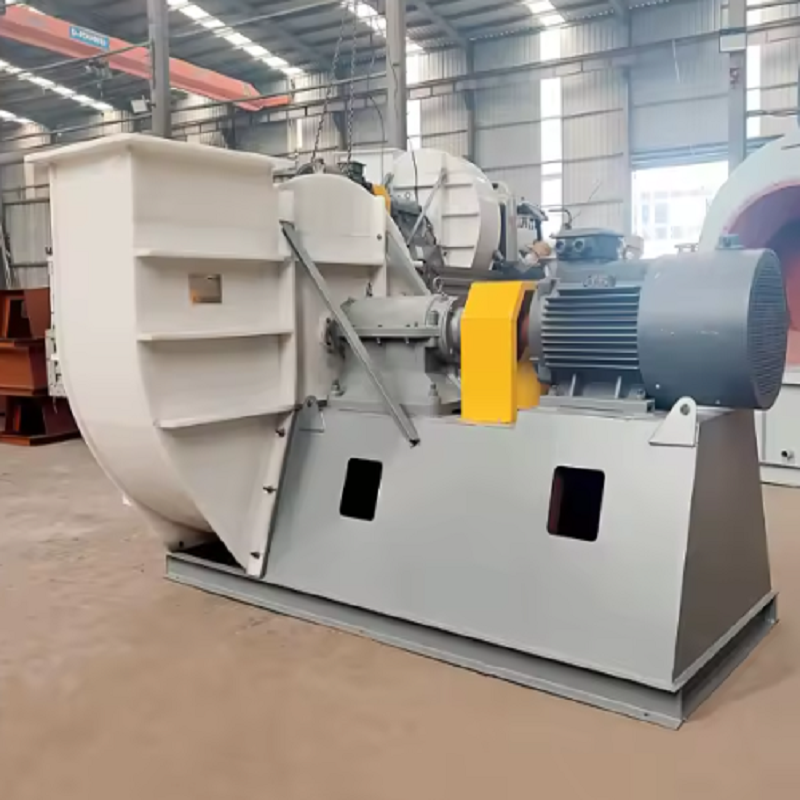
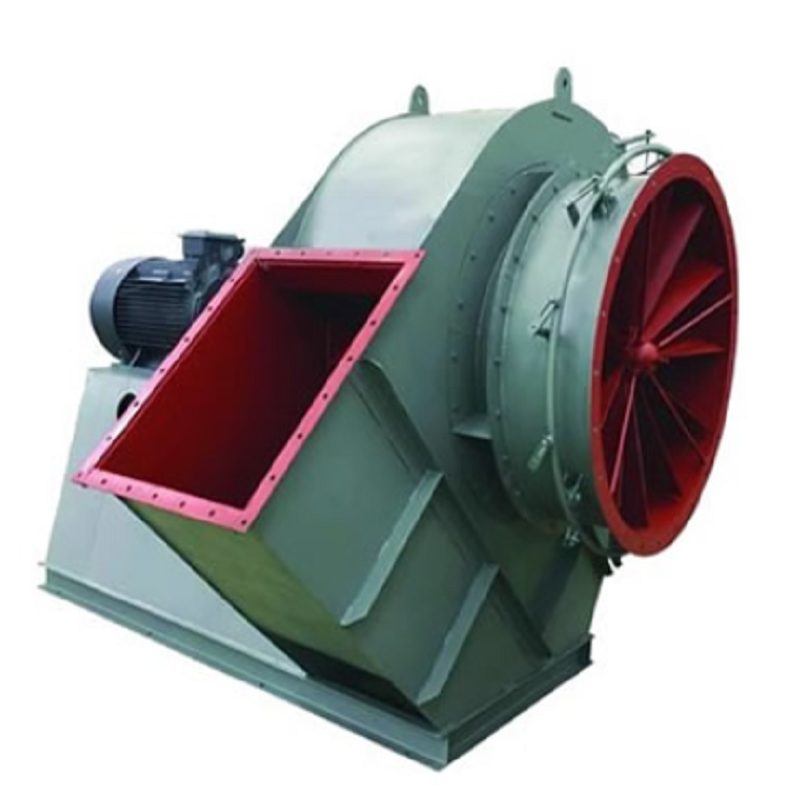
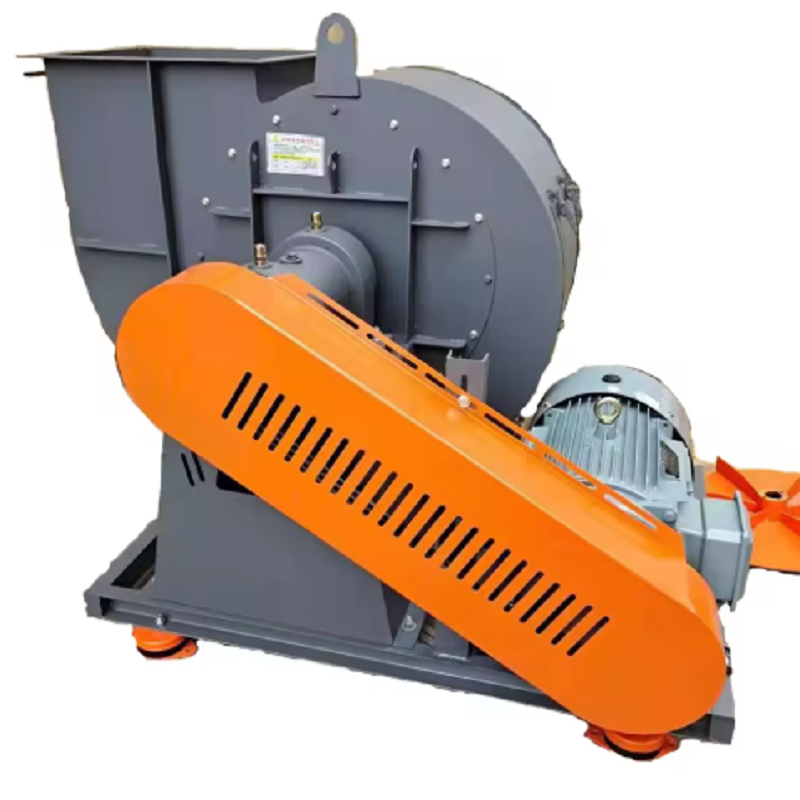
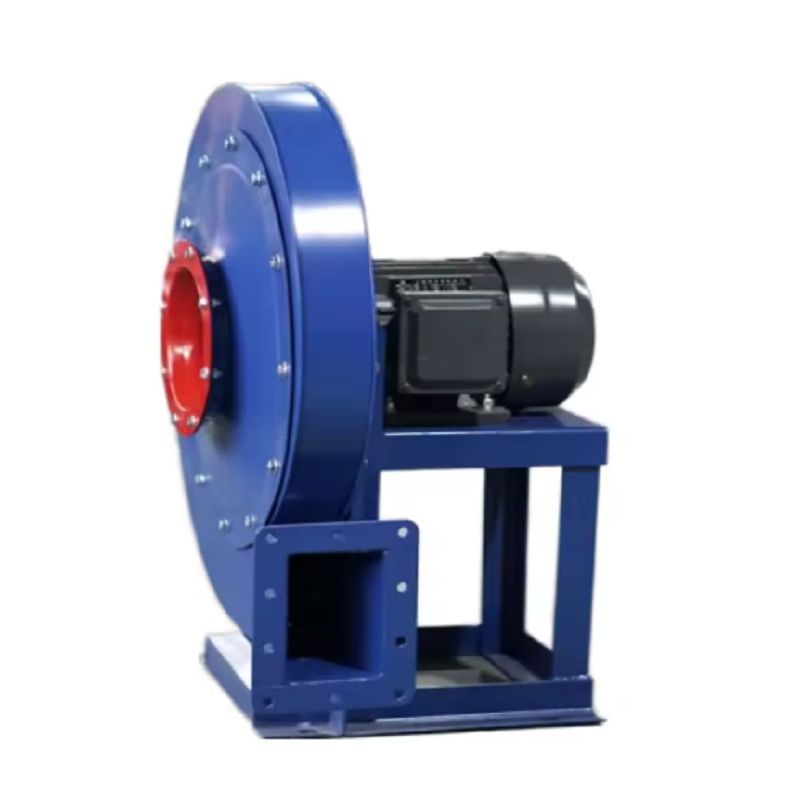
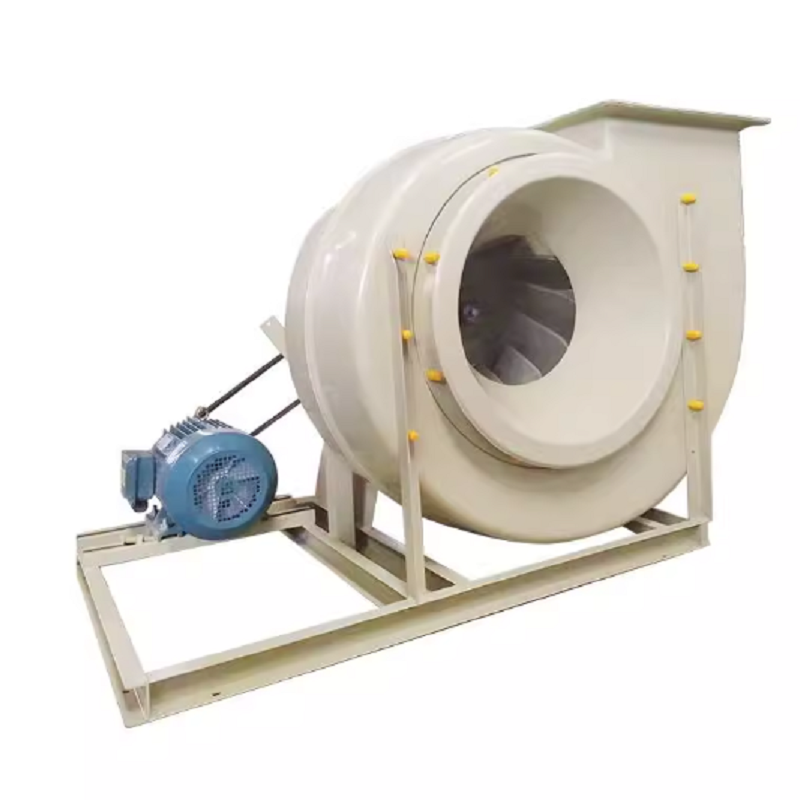
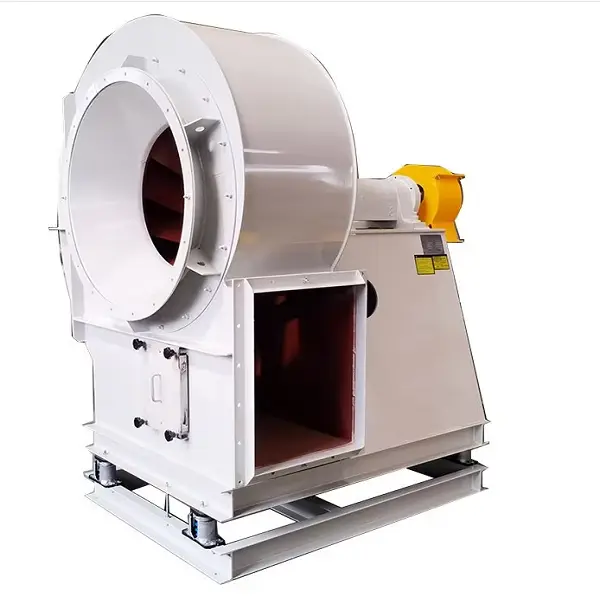
This is where Carbon Steel Centrifugal Fans are frequently considered for heavy-duty ventilation and exhaust applications. Carbon steel offers a combination of mechanical strength, fabrication flexibility, and relatively low material cost, making it suitable for many industrial air-handling systems where the gas is not strongly corrosive. However, choosing carbon steel is only the beginning. The fan still has to be correctly sized for airflow, static pressure, temperature, dust loading, operating speed, and actual installation conditions.

Start With the Duty Point, Not the Fan Model

One of the most common mistakes in industrial fan selection is starting with a catalog model before defining the actual duty point.

For example, suppose a factory exhaust system requires:

Airflow: 20,000 m³/h

Static pressure: 2,000 Pa

Air temperature: 80°C

Medium: relatively dry industrial air with moderate dust

Continuous operation: 16–20 hours per day

The first step is to verify the complete system resistance. Duct friction, elbows, filters, dampers, silencers, and process equipment all contribute to the pressure requirement. A fan that can deliver 20,000 m³/h at low resistance may not deliver the same flow once a dirty filter or additional duct section is introduced.

For Carbon Steel Centrifugal Fans, this duty-point calculation is particularly important because the strength of the material does not compensate for an incorrectly selected impeller or operating point. The fan curve must intersect the system curve at the required operating condition. This principle is also emphasized in current industrial fan selection guidance.

Why Carbon Steel Is Widely Used

Carbon steel is commonly selected for industrial fan casings, impellers, frames, and structural components because it provides good mechanical strength and is relatively easy to fabricate, weld, repair, and reinforce.

For general factory exhaust, ventilation, dust collection, drying systems, and many boiler air-handling applications, Carbon Steel Centrifugal Fans can provide a practical balance between structural durability and equipment cost.

The important limitation is corrosion.

If the fan handles wet acidic gas, chemical vapors, salt-laden air, or other corrosive media, carbon steel may require a protective coating or may not be the appropriate material at all. Stainless steel, FRP, or another corrosion-resistant construction may be more suitable depending on the actual gas composition.

In other words, “carbon steel” should never be treated as a universal material specification. Material selection needs to consider temperature, moisture, chemical composition, particle characteristics, and expected service life.

Practical Example: Factory Dust Exhaust

Consider a metal-processing workshop with several dust extraction points connected to a central bag filter.

The original design calls for:

Airflow: 18,000 m³/h

Required static pressure: 3,200 Pa

Gas temperature: 45°C

Dust: dry metal and process dust

Operating time: approximately 6,000 hours/year

The fan does not simply need to move 18,000 m³/h. It must maintain this airflow while overcoming the resistance of the ductwork, filter, elbows, branches, and discharge system.

A suitable Carbon Steel Centrifugal Fan can be built with an impeller and casing designed around this operating point. For dusty service, the engineer should also examine particle velocity, concentration, hardness, and expected erosion. If the dust is abrasive, simply increasing motor power is not a solution. Wear-resistant liners, thicker wear zones, a suitable blade profile, or an alternative material may be required.

This is an important distinction: strength and wear resistance are not the same property.

Do Not Ignore the Dust Load

Dust is one of the main reasons a fan that performs well during commissioning can gradually lose performance.

A typical example is a dust-collection system that initially operates at:

20,000 m³/h

2,500 Pa

900 rpm

Motor load within the expected range

After several months, the operator notices that suction at the collection hoods has decreased.

The first reaction is often to increase fan speed.

That may not be the correct solution.

The technician should first measure the pressure drop across the filter, inspect the impeller for dust buildup, check duct blockage, inspect dampers, and compare current operating data with the original baseline.

If dust has accumulated unevenly on the impeller, the problem can become mechanical as well as aerodynamic. Deposits can change the impeller balance, increase vibration, and alter the fan's performance.

For Carbon Steel Centrifugal Fans, regular inspection of the impeller and casing is therefore particularly important in dusty industrial applications.

Fan Speed Has a Large Effect on Power

Speed adjustment is useful, but it has to be done carefully.

For geometrically similar conditions, the basic fan affinity relationships are approximately:

Airflow ∝ Speed

Pressure ∝ Speed²

Power ∝ Speed³

This means a relatively small increase in speed can produce a much larger increase in required shaft power.

For example, if a fan operates at 1,000 rpm and the speed is increased to 1,100 rpm:

Airflow increases by approximately 10%

Pressure capability increases by approximately 21%

Power demand can increase by approximately 33%

That is why increasing speed should never be used as the first response to poor ventilation without checking motor loading and the fan curve.

A properly selected Carbon Steel Centrifugal Fan should have sufficient performance margin while still operating within an acceptable efficiency and mechanical range. The relationship between speed, pressure, airflow, and power is a fundamental part of fan selection.

Case Study: Correcting Excessive Airflow

Consider an exhaust system designed for 20,000 m³/h at 2,000 Pa.

During commissioning, measurements show:

Actual airflow: 24,000 m³/h

Actual pressure: 1,700 Pa

Fan speed: 1,000 rpm

The fan is moving more air than the process requires.

This may sound positive, but excessive airflow can create unnecessary electrical consumption, excessive noise, higher duct velocity, and unstable process conditions.

If the system allows speed control, a preliminary estimate using the affinity law is:

1,000 × 20,000 / 24,000 ≈ 833 rpm

This gives an estimated target speed of approximately 833 rpm.

The final setting should not be made from calculation alone. The technician should reduce speed gradually while monitoring airflow, static pressure, motor current, vibration, bearing temperature, and process performance.

This type of adjustment is often more effective than permanently throttling a damper.

For Carbon Steel Centrifugal Fans, the same approach can be used during commissioning and later process optimization, provided the fan, motor, drive, and minimum operating speed are all suitable for variable-speed operation.

Material Selection Changes With the Process

A carbon steel fan can be an economical solution for many industrial applications, but the gas chemistry has to be checked before the material is finalized.

For relatively clean and dry air, standard painted carbon steel may be sufficient.

For dusty air, carbon steel can still be considered, but erosion needs to be evaluated.

For hot gas, the mechanical design, shaft arrangement, bearing location, cooling arrangement, and thermal expansion need to be reviewed.

For humid or corrosive gas, protective coating may not be enough. The chemical composition and concentration of the gas should be provided to the fan manufacturer before material selection.

This is why experienced engineers do not specify Carbon Steel Centrifugal Fans simply because carbon steel is cheaper. They first determine whether the material is compatible with the actual process.

Another Practical Case: Filter Resistance Increase

A common problem occurs in a bag-filter exhaust system.

The original design condition is:

Airflow: 22,000 m³/h

Fan pressure: 2,800 Pa

Clean filter pressure drop: 300 Pa

After extended operation, the filter pressure drop increases to 650 Pa.

The system has effectively gained another 350 Pa of resistance.

If the fan speed remains unchanged, the operating point will move along the fan curve and airflow may fall.

Before replacing the fan, the maintenance team should determine why the filter pressure drop increased.

Possible causes include:

Excessive dust loading

Incorrect pulse-cleaning settings

Damaged filter bags

Improper dust discharge

Moisture causing dust to stick

Incorrect filter selection

This diagnostic sequence is more useful than immediately selecting a larger fan.

A properly selected Carbon Steel Centrifugal Fan can continue to perform reliably in such a system, but only if the surrounding process equipment is maintained within its intended operating range.

Impeller Design Matters as Much as Casing Material

When engineers discuss carbon steel fans, the conversation sometimes focuses too heavily on the casing.

The impeller is equally important.

Blade shape, blade angle, impeller diameter, blade width, number of blades, inlet geometry, and rotational speed all influence the pressure-flow relationship.

For clean-air ventilation, an efficiency-oriented backward-curved impeller may be suitable for certain duties.

For dusty applications, blade geometry and wear characteristics become more important.

For higher-pressure applications, the impeller may need a stronger construction and a design capable of handling the required tip speed and mechanical load.

Therefore, two Carbon Steel Centrifugal Fans can use the same basic material while having completely different performance characteristics.

Material alone does not define fan performance.What Should Be Checked During Commissioning?After installation, technicians should establish an actual operating baseline.

At minimum, record:

Airflow

Static pressure

Fan speed

Motor current

Motor power

Bearing temperature

Vibration

Gas temperature

Damper position

Filter pressure drop

The data should be recorded under stable process conditions.

For example, if a fan is specified at 20,000 m³/h and 2,000 Pa, but commissioning measurements show 20,000 m³/h at only 1,300 Pa, the result should not automatically be considered satisfactory.

The engineer needs to determine whether the system resistance is lower than expected, whether the measurement method is correct, or whether the fan is operating at an unintended point.

For Carbon Steel Centrifugal Fans, establishing this baseline is especially useful because it gives maintenance personnel a reference for detecting later changes in vibration, pressure, airflow, or motor load.

Maintenance Should Focus on Trends, Not Just Alarms

A fan does not normally fail without warning.

Performance degradation often develops gradually.

A maintenance team can compare monthly or weekly measurements against the commissioning baseline. If airflow falls while fan speed remains constant and system pressure increases, filter or duct resistance may be increasing.

If vibration increases while airflow remains relatively stable, the impeller, shaft, bearings, foundation, coupling, or belt system should be inspected.

If motor current rises unexpectedly, technicians should check operating point, mechanical resistance, bearing condition, and fan speed.

This trend-based approach is more useful than waiting for a vibration alarm or motor overload.

For long-running Carbon Steel Centrifugal Fans, simple operating records can therefore become an important preventive-maintenance tool.

When Carbon Steel Is Not the Right Choice

There are applications where carbon steel should not be the default.

Examples include strongly corrosive chemical exhaust, highly humid acidic gas, certain wastewater process gases, and applications where corrosion could quickly compromise structural integrity.

For these conditions, engineers may evaluate stainless steel grades, FRP, coated steel, or other corrosion-resistant materials based on the actual chemistry.

The same principle applies to severe abrasive service. If the gas contains large quantities of hard particles, ordinary carbon steel may require additional wear protection.

The correct question is not:

“Is carbon steel strong enough?”

It is:

“Can this material maintain the required mechanical and corrosion performance throughout the expected service life?”

That distinction prevents many expensive material-selection mistakes.

Final Selection Checklist

Before ordering Carbon Steel Centrifugal Fans for a heavy-duty ventilation project, the following information should be confirmed:

1. Airflow

Specify the required operating flow in m³/h or CFM.

2. Static or total pressure

Calculate the complete system resistance instead of estimating pressure from the fan size.

3. Gas temperature

Provide normal, minimum, and maximum temperatures.

4. Gas composition

Identify moisture, chemicals, dust, corrosive components, and other contaminants.

5. Dust characteristics

For dusty applications, provide concentration, particle size, hardness, and expected loading where available.

6. Fan speed and drive

Confirm motor power, speed, VFD requirements, belt drive or direct drive, and operating range.

7. Installation conditions

Check altitude, ambient temperature, outdoor exposure, foundation, duct orientation, and available maintenance space.

8. Materials and protection

Confirm casing and impeller materials, coating system, wear protection, shaft arrangement, and bearing protection.

9. Performance verification

Request the fan performance curve and verify that the design operating point falls within the intended operating range.

Conclusion

Carbon Steel Centrifugal Fans remain a practical engineering option for many heavy-duty ventilation, exhaust, dust collection, drying, and industrial air-handling systems. Their advantages are not simply related to purchase price. Fabrication strength, repairability, structural rigidity, and material availability also make carbon steel useful in demanding industrial environments.

But the material should never be selected separately from the process.

The correct approach is to define the duty point first, calculate the real system resistance, evaluate the gas temperature and composition, assess dust and wear conditions, select the impeller and drive arrangement, and then verify the operating point during commissioning.

When these factors are handled together, Carbon Steel Centrifugal Fans can provide stable airflow and reliable service without unnecessary oversizing, excessive motor power, or premature mechanical problems.

For an industrial fan project, the most useful specification is therefore not simply “carbon steel fan.” A complete requirement such as 20,000 m³/h + 2,000 Pa + 80°C + dust-laden air + continuous operation + required outlet orientation gives the manufacturer enough engineering information to select and design the equipment around the actual process.

Related News
Leave me a message
X
We use cookies to offer you a better browsing experience, analyze site traffic and personalize content. By using this site, you agree to our use of cookies. Privacy Policy
RejectAccept