News

Belt Driven Blower Fan vs Direct Drive: Which Is Better?

2026-10-26 0 Leave me a message

Article Summary: Choosing between a belt-driven blower and a direct-drive fan depends on airflow, pressure, speed control, operating temperature, and maintenance requirements. In industrial ventilation, drying, and dust collection, the drive system affects both operating efficiency and long-term service costs. This article compares the two designs and explains how to select a suitable fan based on real operating conditions.


Belt Driven Blower Fan

Table of Contents

1. How Do Belt-Driven and Direct-Drive Fans Work?

When comparing industrial fan designs, the first step is to define the required airflow and pressure rather than assuming one drive arrangement is always better. Both systems can provide reliable performance, but their mechanical structures, speed adjustment methods, and maintenance requirements differ.

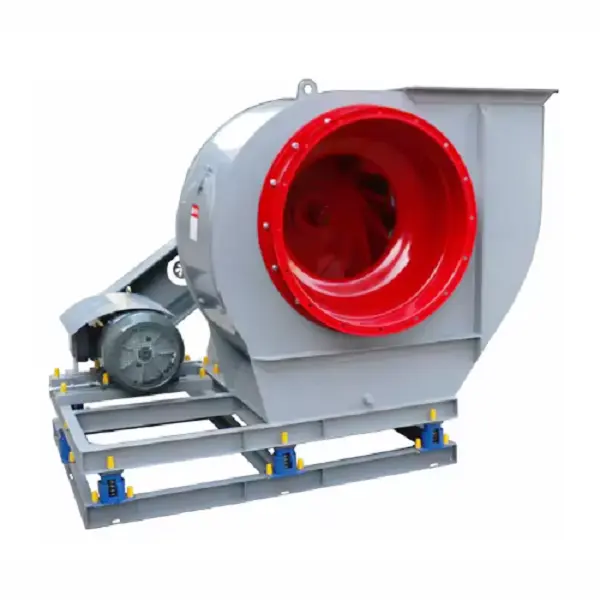
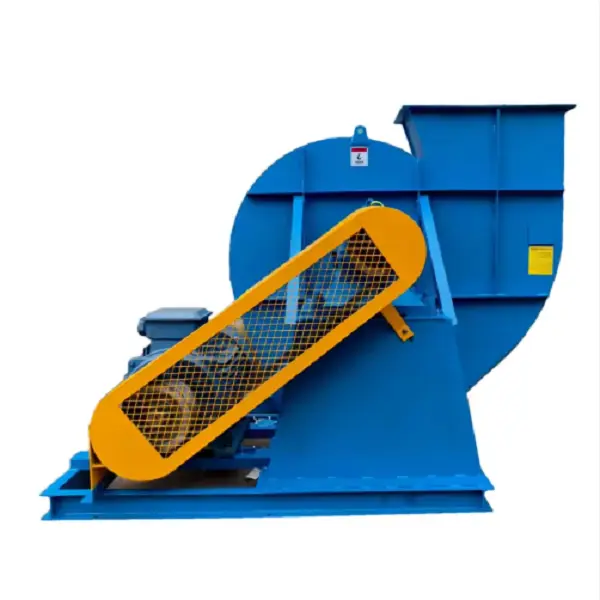
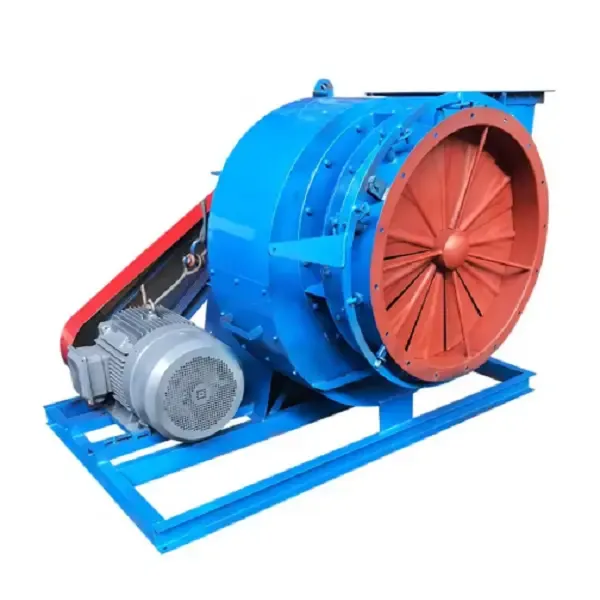
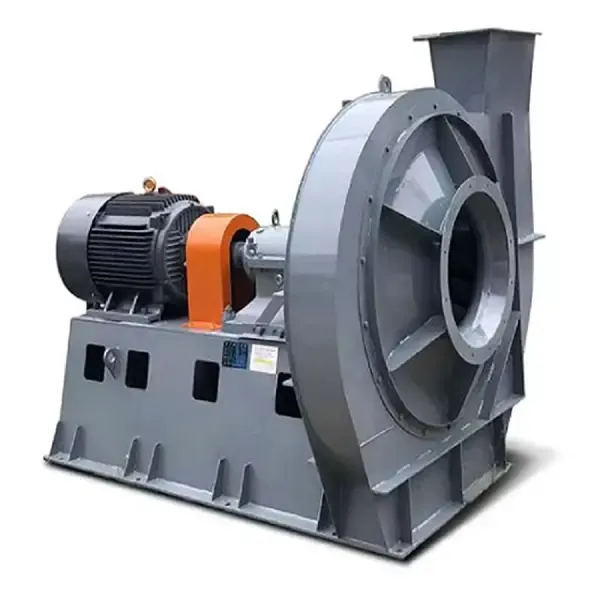
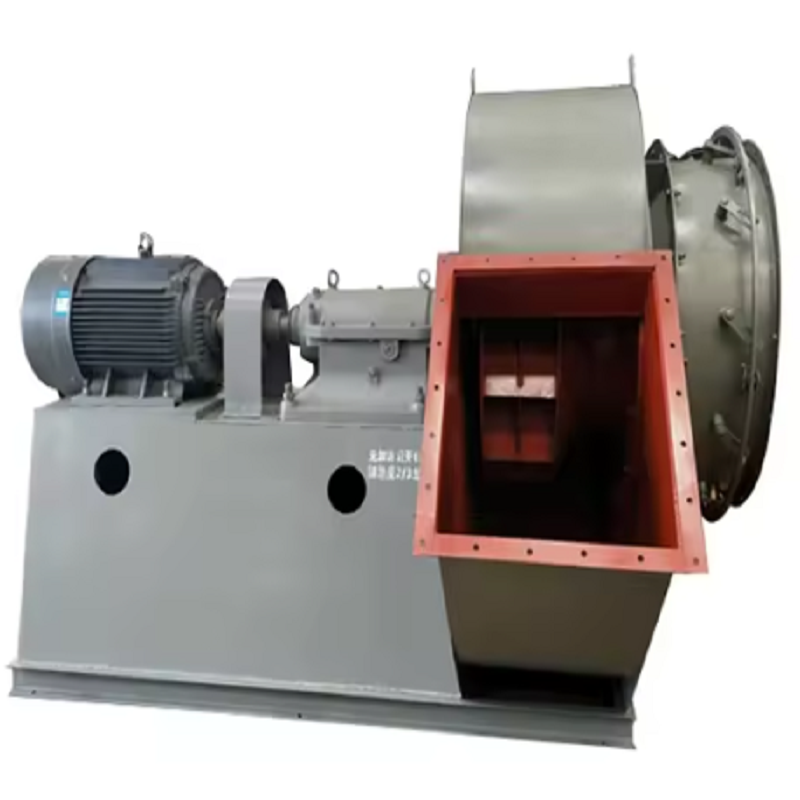
A Belt Driven Blower Fan transfers power from the motor to the fan shaft through belts and pulleys. Different pulley ratios can help match the fan speed to the required operating point. This arrangement is useful when process conditions call for a particular speed that differs from the motor's standard operating speed. However, belt tension, pulley alignment, and belt wear need regular attention.

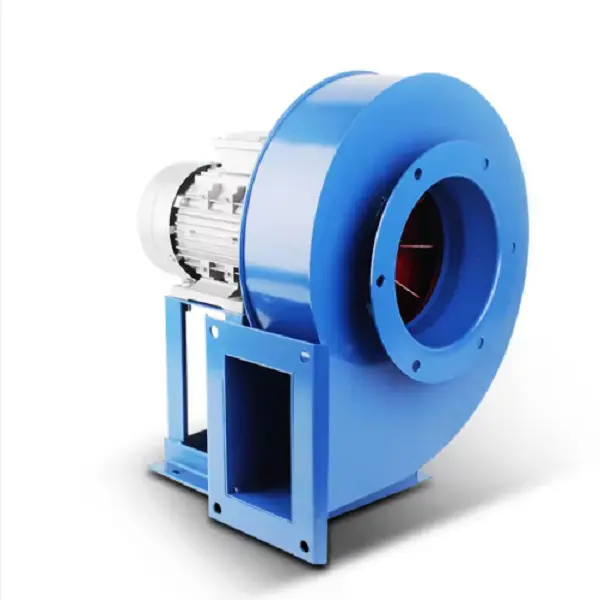
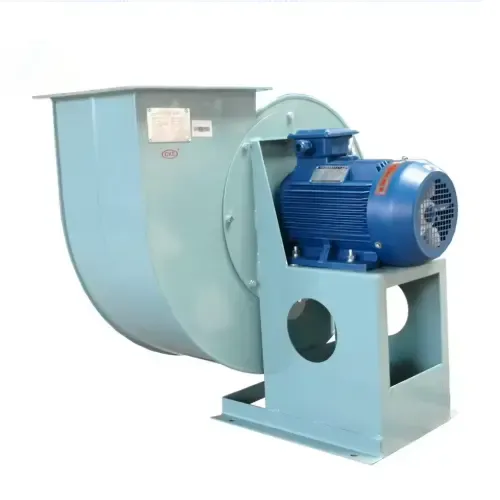
A direct-drive fan connects the impeller directly to the motor shaft or uses an integrated drive arrangement. Since there is no belt transmission, there are fewer drive components to inspect and replace. Its speed is generally determined by the motor and electrical supply unless a compatible variable-frequency drive is installed.

Neither arrangement automatically guarantees better airflow or lower energy consumption. Impeller design, motor efficiency, system resistance, gas density, and the actual operating point all influence performance.

2. What Are the Main Differences?

For industrial buyers, the practical question is how each design performs over the equipment's service life. The comparison below covers the factors that commonly influence equipment selection.

Factor Belt Drive Direct Drive
Speed adjustment Pulley ratios can be selected to match the required fan speed. Speed adjustment usually depends on motor selection and electronic controls.
Transmission losses Belt friction and transmission losses must be considered. No belt transmission losses.
Maintenance Requires belt, pulley, tension, and alignment inspections. Eliminates belt replacement but still requires motor, bearing, and impeller maintenance.
Installation space Requires space for belts, pulleys, and protective guards. Often offers a more compact drive arrangement.
Operating costs Includes belt inspection and replacement costs. Can reduce belt-related maintenance expenses.
Typical consideration Useful when speed matching and mechanical flexibility are priorities. Useful when a simpler transmission structure is preferred.

The choice depends on the complete operating conditions. A direct-drive model may reduce routine maintenance, while a belt-driven arrangement may be easier to match to a specific fan speed. Neither should be selected without checking the required duty point and the manufacturer's performance data.

3. Which Drive Type Suits Different Applications?

Industrial ventilation and exhaust

For factory ventilation, the first step is to check the required airflow and the pressure losses caused by ducts, filters, dampers, and other components. Direct drive can suit systems with relatively stable operating requirements. Belt drive can be useful when pulley selection helps match the fan to the required operating speed.

Drying systems and high-temperature processes

Drying lines, kilns, and industrial ovens require careful consideration of gas temperature, bearing protection, shaft materials, and cooling arrangements. The belt and motor must remain within their specified temperature limits. High-temperature service therefore requires confirmation of the complete fan configuration, not just the drive type.

Dust collection and material conveying

Dust collection systems may experience increasing resistance as filters accumulate particles. Material-conveying pipelines also require sufficient pressure to move gas and lightweight solids. Engineers should compare the fan performance curve with the system curve and determine whether pulley adjustment, dampers, or variable-frequency control best suits the process.

Boilers and combustion systems

Boiler applications require airflow and pressure that match combustion and exhaust requirements. Fan selection should account for gas temperature, operating duty, control response, and safety requirements. Related equipment, including boiler fans and centrifugal fans, should be evaluated against the specific process conditions.

4. Which Specifications Should Buyers Check?

Before comparing quotations, it is advisable to prepare a consistent set of operating requirements. A fan may have a high maximum airflow rating but still fail to meet the actual process requirement if it cannot overcome system resistance at the required flow rate.

Specification Why It Matters What to Confirm
Airflow Determines the volume of gas delivered. Required flow in m³/h at the operating point.
Pressure Determines whether the fan can overcome system resistance. Required static or total pressure in Pa.
Rotational speed Influences airflow, pressure, and power demand. Rated speed and permitted adjustment range.
Motor power Helps determine whether the drive can meet the required duty. Motor rating, supply voltage, and starting requirements.
Gas conditions Affects materials, wear resistance, and temperature suitability. Gas composition, dust concentration, and operating temperature.
Maintenance access Affects servicing time and downtime. Space for belt replacement, bearing inspection, and safe isolation.

Example specifications from an industrial blower series

Hebei Ketong Environmental Protection Equipment Co., Ltd. lists several configurations with different airflow, pressure, speed, and motor ratings. The following examples illustrate the range of available models. They are reference specifications, not interchangeable operating points.

Model Speed (r/min) Motor (kW) Airflow (m³/h) Total Pressure (Pa)
3.2C 2200 0.75 1483–2273 725–579
4C 1700 1.1 2641–4055 675–501
4.5C 2000 3.0 4428–6799 1570–1163
5C 2000 5.5 6106–9881 1978–1468
6C 2000 11 9209–18418 2176–1380
7.1C 1800 18.5 15736–25265 2422–1801

For example, the listed 6C model covers an airflow range of 9,209–18,418 m³/h, while the 7.1C model covers 15,736–25,265 m³/h. The larger model is not automatically the right choice for every system. Buyers should confirm the required airflow and pressure at the same operating point and request the relevant performance curve before finalizing the model.

5. How Do Maintenance and Energy Costs Compare?

Belt inspection and wear

Belt tension and pulley alignment should be checked according to the manufacturer's maintenance schedule. Insufficient tension can cause slipping and heat buildup, while excessive tension can increase shaft and bearing loads. Cracks, fraying, glazing, and unusual vibration are reasons to inspect the drive before continued operation.

Energy consumption

Both drive types can operate efficiently when correctly sized. Belt transmission introduces mechanical losses, but total system energy use also depends on motor efficiency, fan performance, duct resistance, and operating speed. A variable-frequency drive may reduce energy consumption when the process permits lower airflow, provided the fan and motor are suitable for the selected speed range.

Total cost of ownership

Purchase price should be assessed alongside electricity costs, spare parts, scheduled maintenance, and potential downtime. A direct-drive design may reduce belt-related service work, while a belt-driven design may offer useful speed-matching flexibility. The best economic choice depends on the duty cycle and the maintenance resources available at the site.

6. Practical Fan Selection Considerations

Hebei Ketong Environmental Protection Equipment Co., Ltd. manufactures industrial fans for ventilation, drying, dust collection, boiler systems, and gas conveying. Fan configurations are assessed by considering operating conditions and system requirements together.

The company's manufacturing capabilities include CNC laser or plasma cutting, rolling, welding, assembly, and dynamic balancing. Depending on the application, impellers and shafts can be made from carbon steel, low-alloy steel, or suitable high-temperature-resistant alloys. Weld inspection, balancing, and material selection are important considerations for mechanical stability and service life.

For a Belt Driven Blower Fan, buyers should provide the required airflow, operating pressure, gas temperature and composition, dust concentration, duty cycle, and installation dimensions. These details help the manufacturer assess the fan model, motor rating, speed range, materials, and maintenance requirements.

Field experience with industrial fan applications shows that the drive type should be selected only after the process conditions are understood. A well-matched fan operating at its intended duty point is generally a more dependable solution than choosing equipment based only on maximum airflow or initial purchase price.

7. Frequently Asked Questions

Q1: Is a belt-driven fan better than a direct-drive fan?

A: Not in every application. Belt drive offers speed-matching flexibility through pulley selection, while direct drive removes the belt transmission. The decision depends on airflow, pressure, installation space, maintenance, and operating costs.

Q2: Does a belt-driven fan consume more electricity?

A: Belt transmission introduces some mechanical losses. However, total electricity use depends on the motor, fan efficiency, system resistance, and control method. A correctly sized belt-driven unit may perform better than an unsuitable direct-drive alternative.

Q3: Can a belt-driven blower handle high-temperature gas?

A: Yes, when the fan, shaft, bearings, belt arrangement, motor location, and cooling provisions are designed for the specified conditions. The maximum permitted temperature must be confirmed for the selected configuration.

Q4: How often should fan belts be replaced?

A: There is no universal replacement interval. Inspection and replacement depend on belt type, operating hours, load, temperature, alignment, and manufacturer guidance.

Q5: What information is needed to select an industrial blower?

A: Prepare the required airflow in m³/h, pressure in Pa, gas temperature and composition, dust characteristics, operating schedule, power supply, and installation dimensions. These details help determine the appropriate model and motor rating.

Q6: Can a variable-frequency drive be used with a belt-driven fan?

A: Yes, provided the motor, belt drive, and fan are suitable for the intended speed range. Minimum and maximum speeds, motor cooling, belt performance, and fan operating limits should be checked first.

Q7: Are direct-drive fans maintenance-free?

A: No. Although they do not require belt replacement, bearings, motors, impellers, electrical connections, and protective components still require routine inspection.

Ultimately, choosing between belt drive and direct drive requires a clear understanding of the system's airflow, pressure, temperature, control requirements, and maintenance conditions. By evaluating these factors together, engineers can select equipment that supports reliable operation and manageable lifecycle costs. For application-specific information, see our Belt Driven Blower Fan product specifications.

Related News
Leave me a message
X
We use cookies to offer you a better browsing experience, analyze site traffic and personalize content. By using this site, you agree to our use of cookies. Privacy Policy
RejectAccept