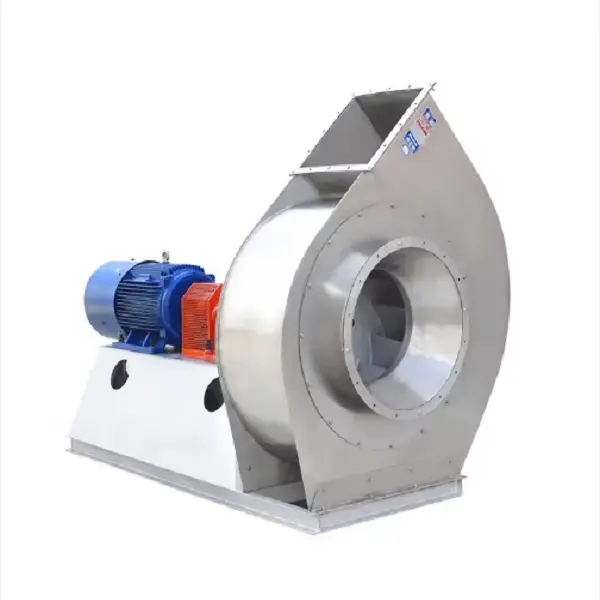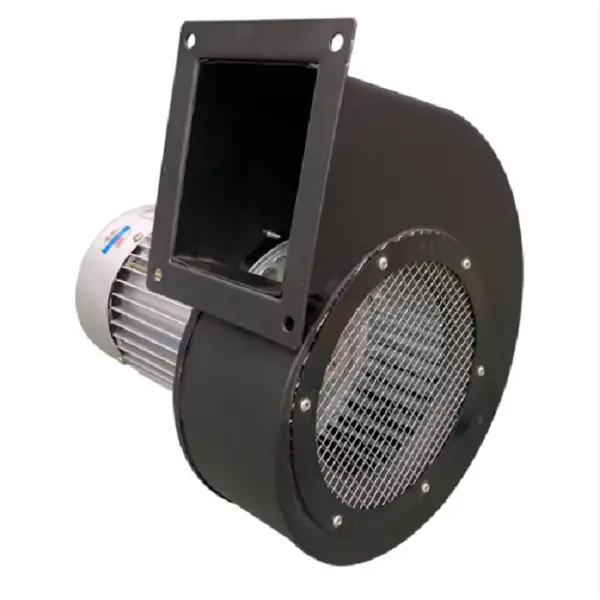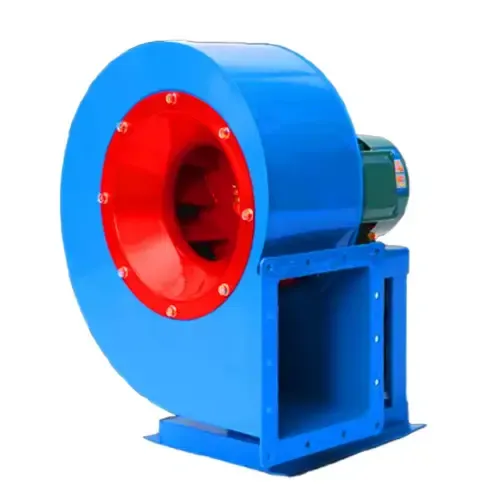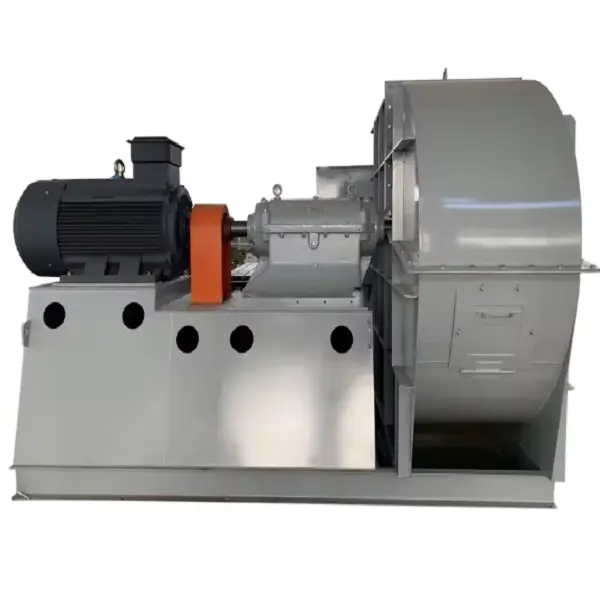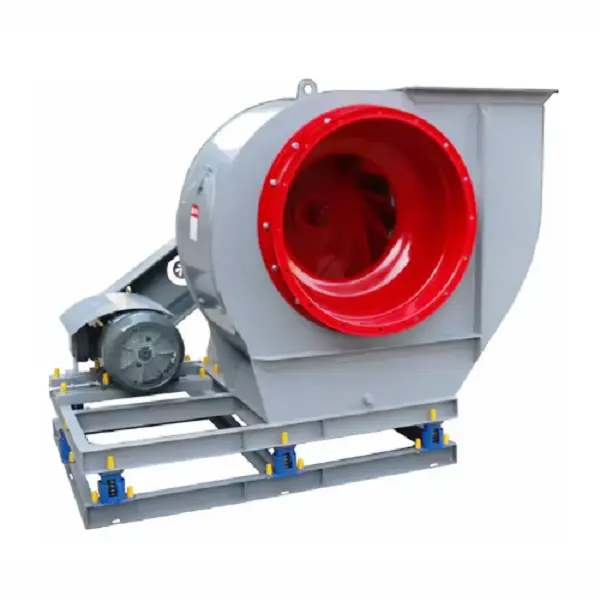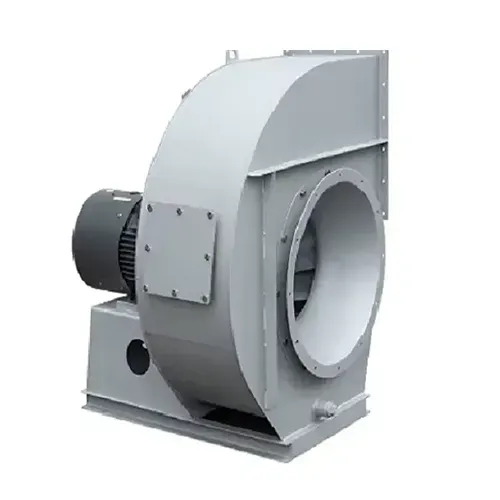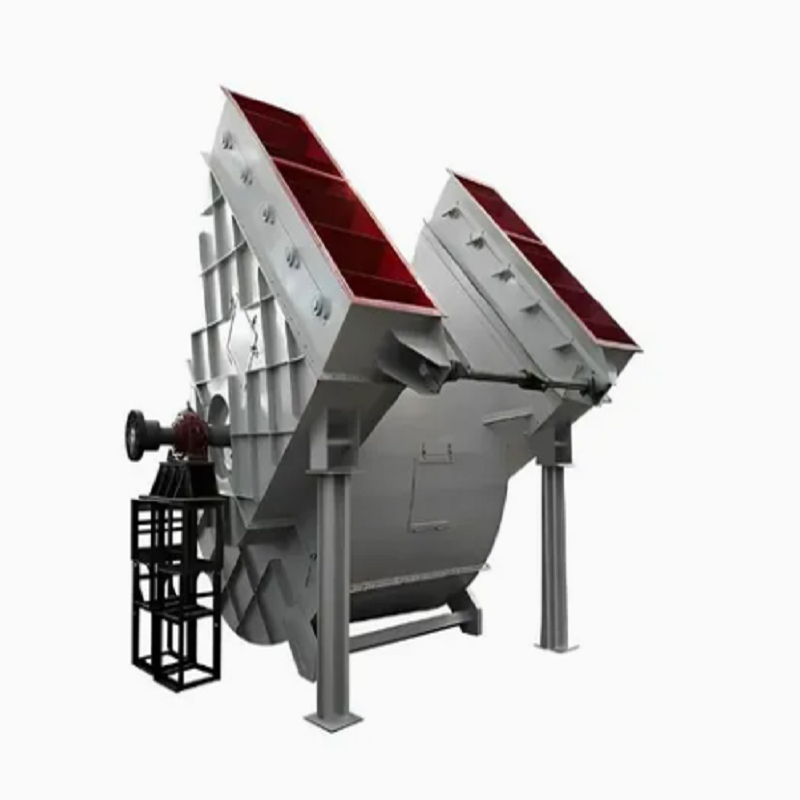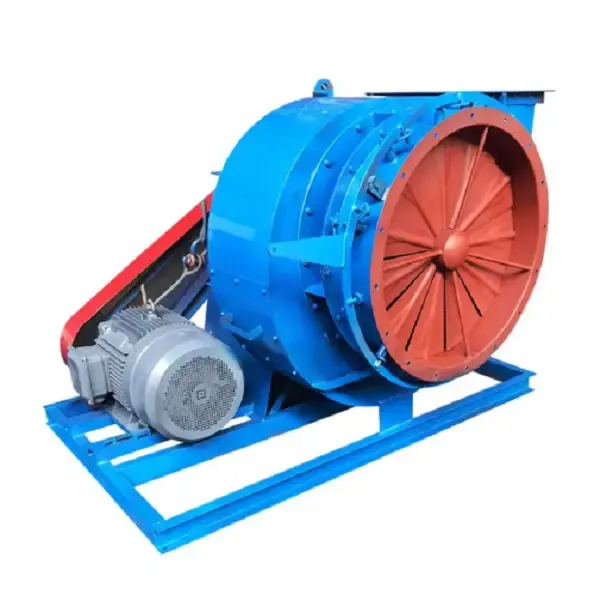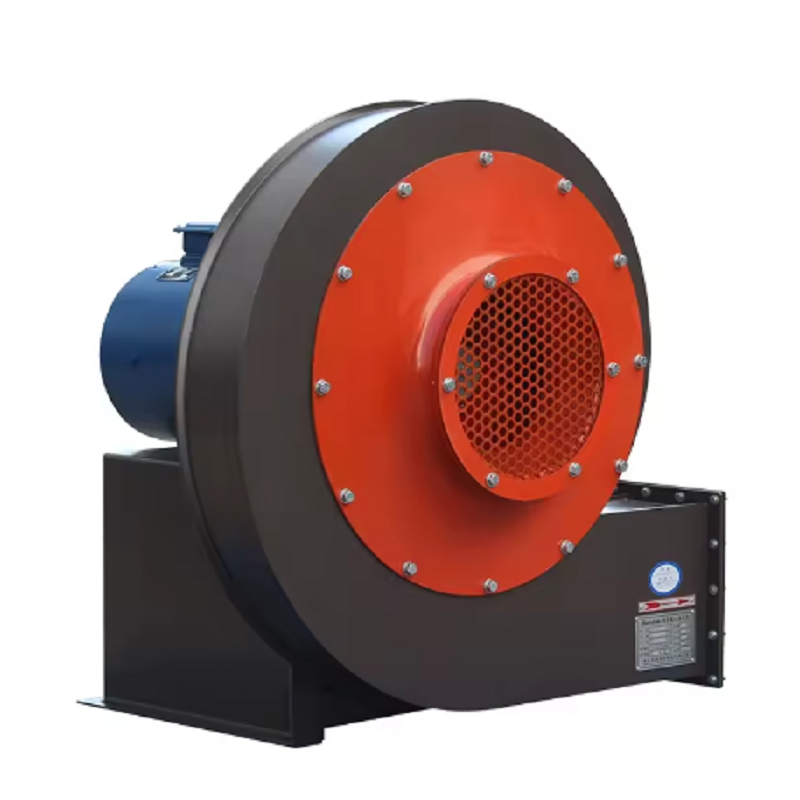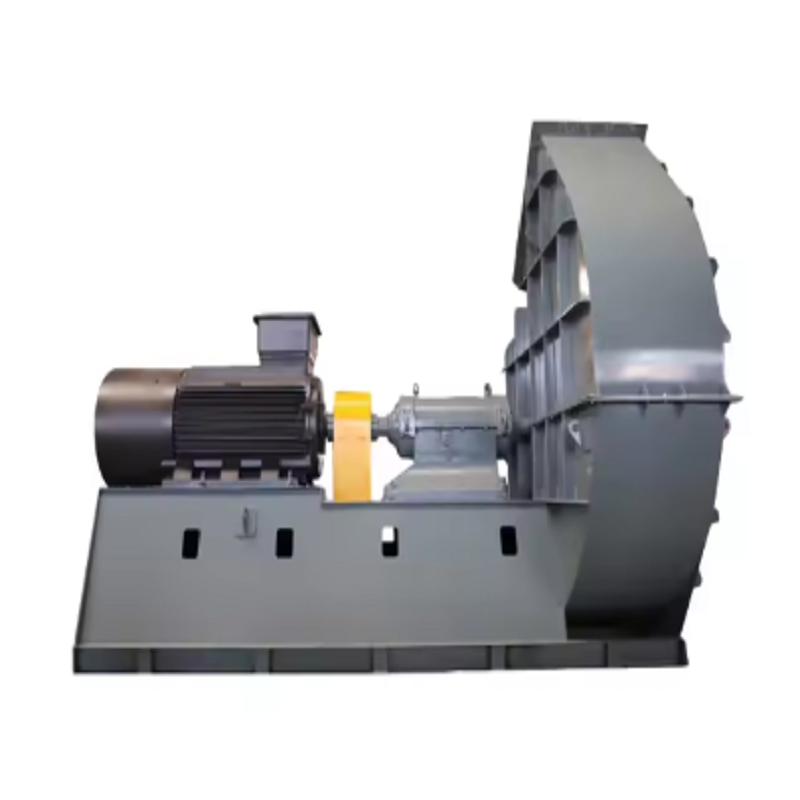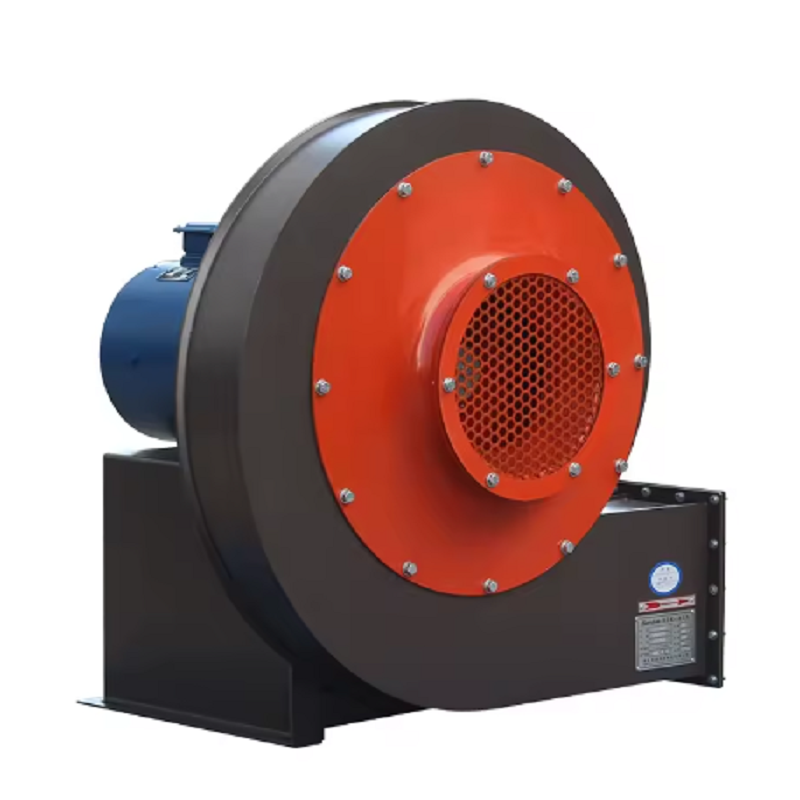
A boiler system depends on stable airflow to maintain efficient combustion, control emissions, and ensure safe operation. The combustion process requires a continuous supply of air, while flue gases must be discharged effectively through the exhaust system. A Type D Centrifugal Fan plays a critical role in providing reliable air movement under demanding industrial conditions, especially where high pressure, continuous operation, and durability are required.
Unlike ordinary ventilation fans, boiler applications often involve high temperatures, dust particles, and long operating hours. A properly selected Type D Centrifugal Fan can improve combustion efficiency, reduce fuel waste, and help maintain stable boiler performance. For factories operating 24/7, fan reliability directly affects production efficiency and maintenance costs.
The main function of a Type D Centrifugal Fan in boiler systems is to deliver the required airflow pressure for combustion and exhaust processes. When the airflow is insufficient, boilers may experience incomplete combustion, higher fuel consumption, unstable flame conditions, and increased pollutant emissions.
For example, a manufacturing plant using a 20-ton industrial steam boiler experienced frequent combustion fluctuations caused by unstable air supply. After replacing the existing blower with a properly sized Type D Centrifugal Fan, the plant achieved more stable furnace pressure, reduced unnecessary fuel consumption, and extended maintenance intervals. The improvement was mainly achieved through better airflow control and higher fan operating efficiency.
Industrial boilers require fans that can handle high pressure resistance, temperature variations, and continuous workloads. A Type D Centrifugal Fan is designed with a robust structure, efficient impeller design, and strong pressure capability, making it suitable for applications such as forced draft, induced draft, and boiler exhaust systems.
During practical installation, engineers usually consider several factors, including required airflow volume, static pressure, gas temperature, operating environment, and dust concentration.
Selecting a fan only based on motor power can lead to oversized equipment, unnecessary energy consumption, or insufficient performance. A complete system calculation is essential before choosing a Type D Centrifugal Fan.
Choosing the correct Type D Centrifugal Fan requires analyzing actual operating conditions rather than simply comparing product specifications. Engineers should first determine the boiler capacity, fuel type, combustion method, and required air volume. They should also consider future operating changes, such as increased production capacity or stricter environmental requirements.
A practical example can be seen in biomass boiler projects, where fuel characteristics often change due to different moisture levels. In these situations, a flexible Type D Centrifugal Fan with suitable pressure margins can maintain stable operation even when airflow resistance changes. This reduces unexpected shutdowns and improves overall system reliability.
Even a high-quality Type D Centrifugal Fan requires proper maintenance to achieve long-term performance. Common maintenance procedures include checking bearing lubrication, inspecting impeller balance, monitoring vibration levels, and cleaning dust accumulation inside the fan housing.
Many boiler operators focus only on the boiler itself but overlook fan maintenance. In one industrial heating project, regular vibration monitoring identified early bearing wear before a major failure occurred. By replacing components during scheduled maintenance, the company avoided several days of production interruption and reduced emergency repair costs.
Energy consumption is a major operating cost for industrial facilities. Since boiler fans often run continuously, even small improvements in efficiency can create significant savings over time. A high-efficiency Type D Centrifugal Fan can reduce power consumption by optimizing airflow performance and minimizing unnecessary pressure losses.
Many modern boiler systems also combine fans with variable frequency drives (VFDs). This allows operators to adjust fan speed according to actual load requirements instead of running at full capacity all the time. When properly configured, a Type D Centrifugal Fan with variable speed control can improve energy efficiency while maintaining stable combustion conditions.
A boiler system is only as reliable as its supporting equipment. Poor fan selection can lead to unstable combustion, increased fuel costs, higher emissions, and frequent downtime. Investing in a durable Type D Centrifugal Fan helps companies improve operational stability and achieve better long-term economic performance.
For industries such as power generation, chemical processing, food production, and manufacturing, fan reliability is not just a technical requirement but also a business consideration. A well-designed Type D Centrifugal Fan solution can support safer boiler operation, lower maintenance expenses, and improved production efficiency.
As industries continue to focus on energy saving and environmental protection, boiler systems require more efficient and reliable airflow solutions. The Type D Centrifugal Fan will continue to be an important component in improving combustion efficiency, reducing operating costs, and supporting cleaner industrial processes.
By selecting the right fan model, performing regular maintenance, and optimizing system control, companies can maximize the performance of their boiler equipment. For industrial users seeking stable and efficient operation, choosing a suitable Type D Centrifugal Fan is a practical investment for long-term success.