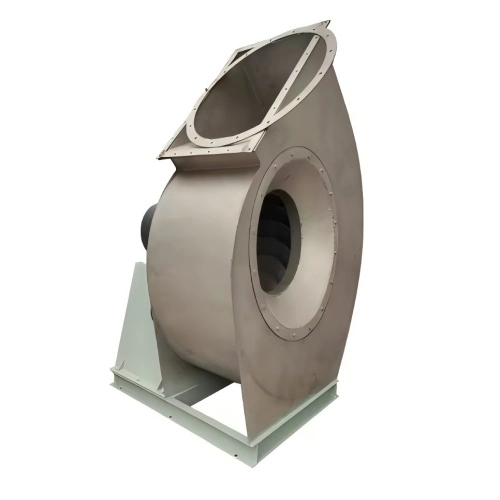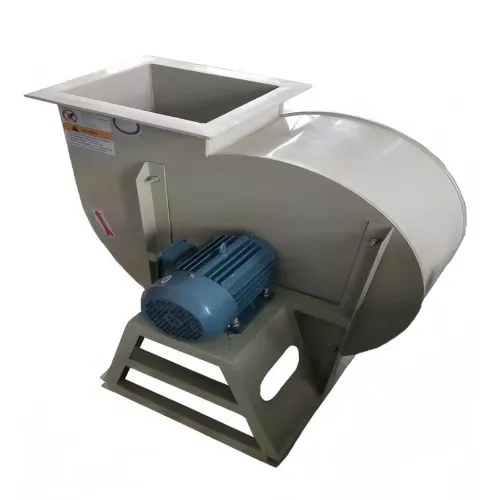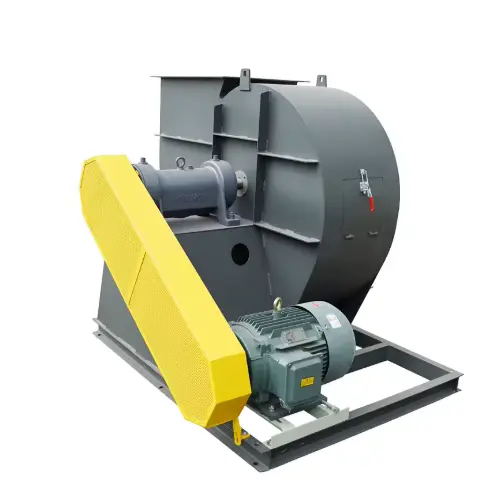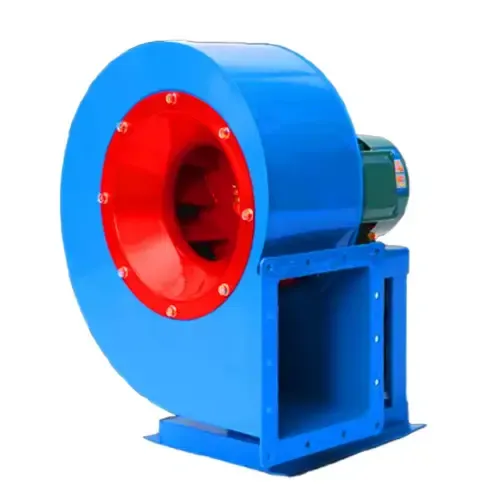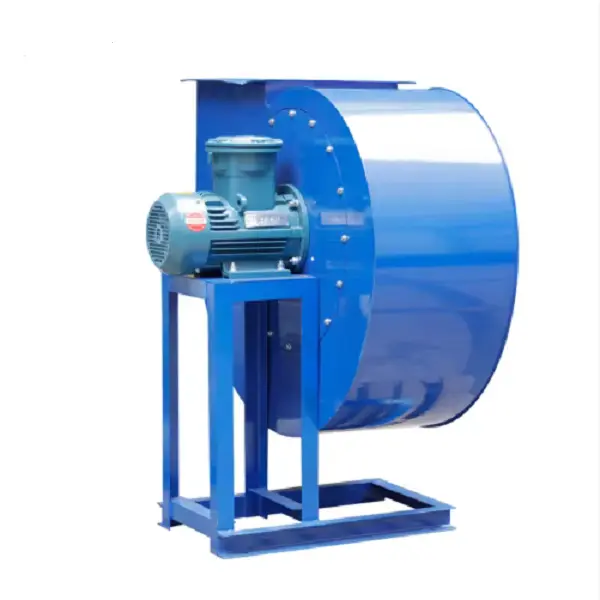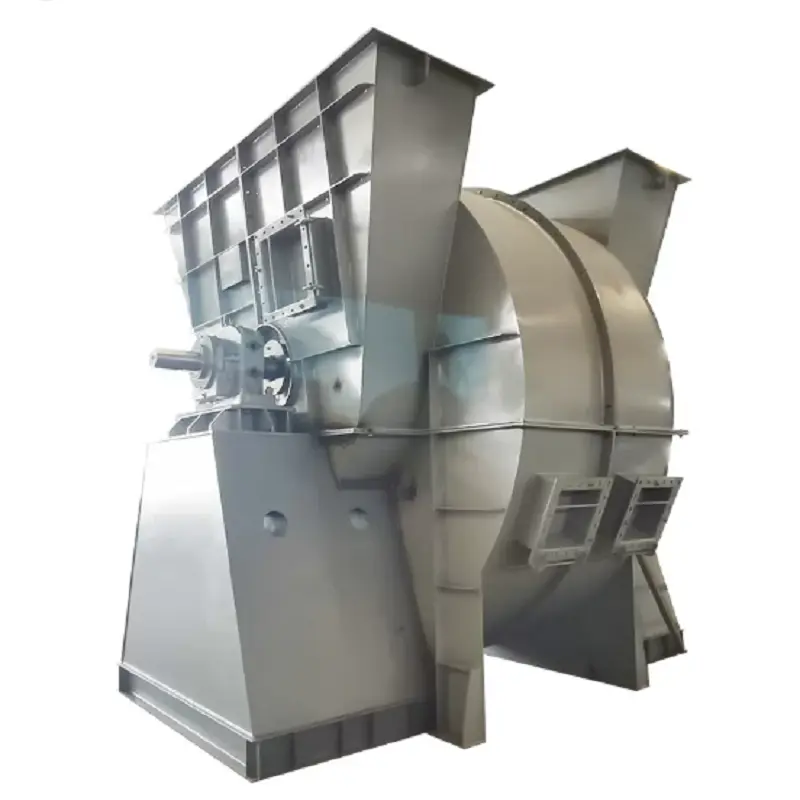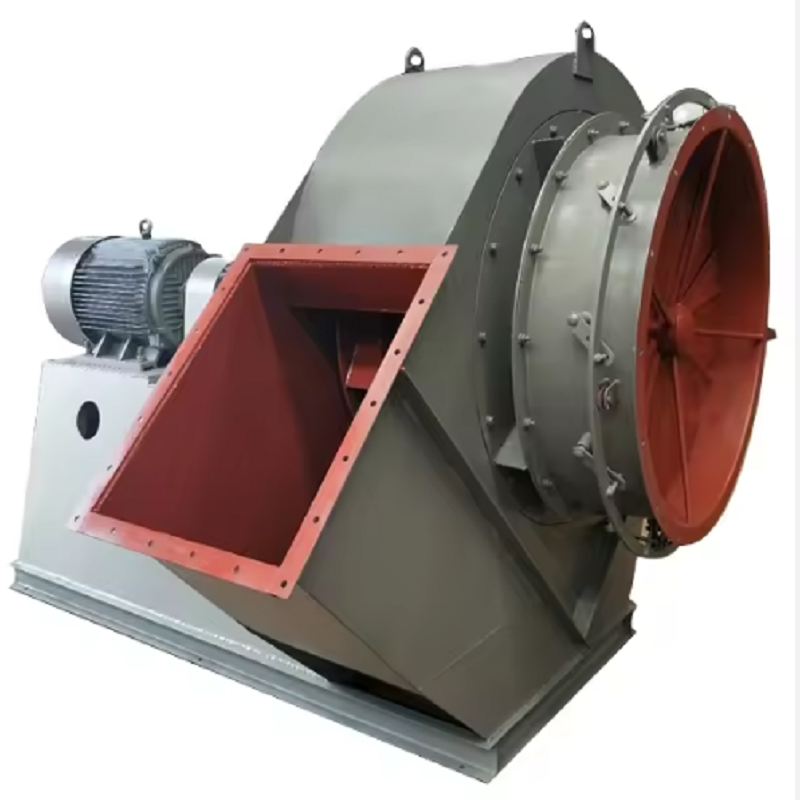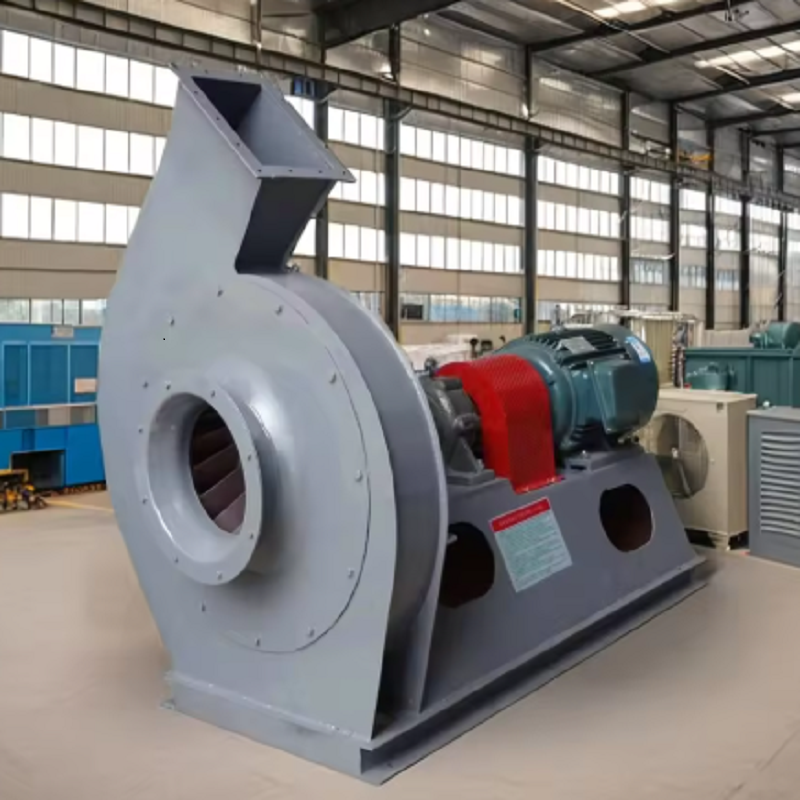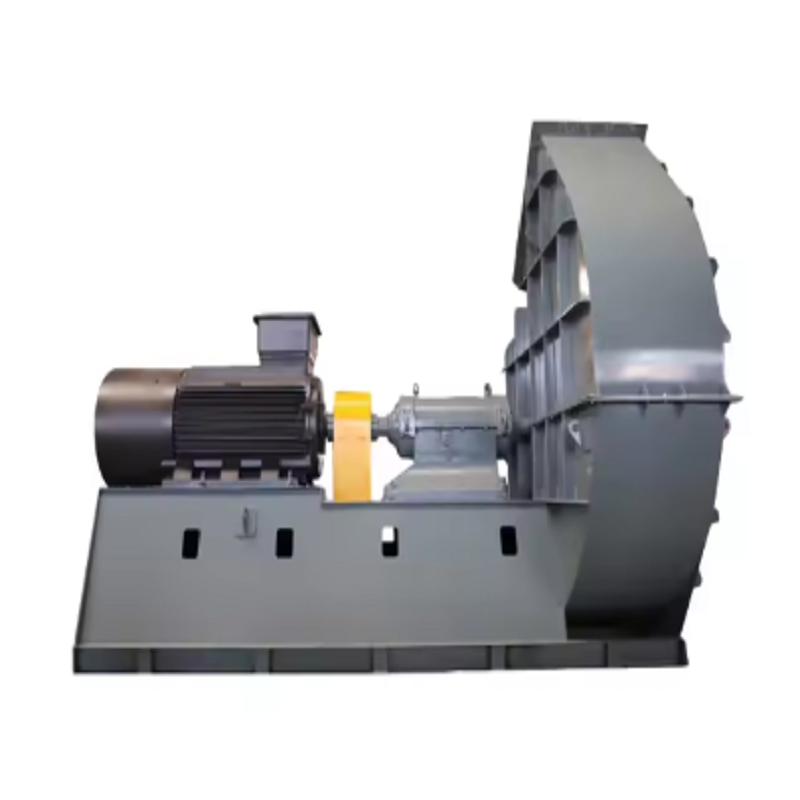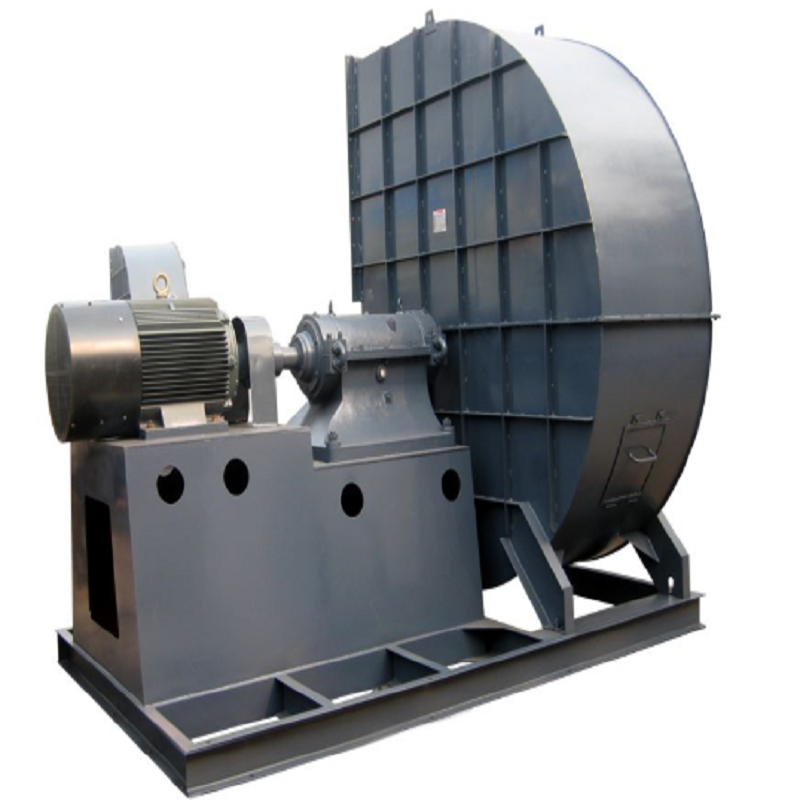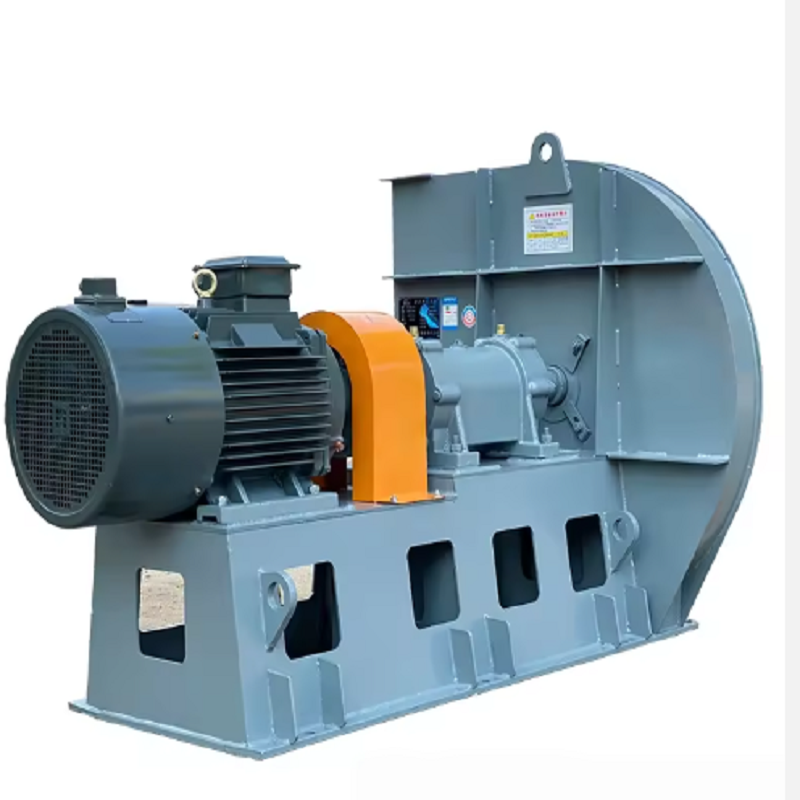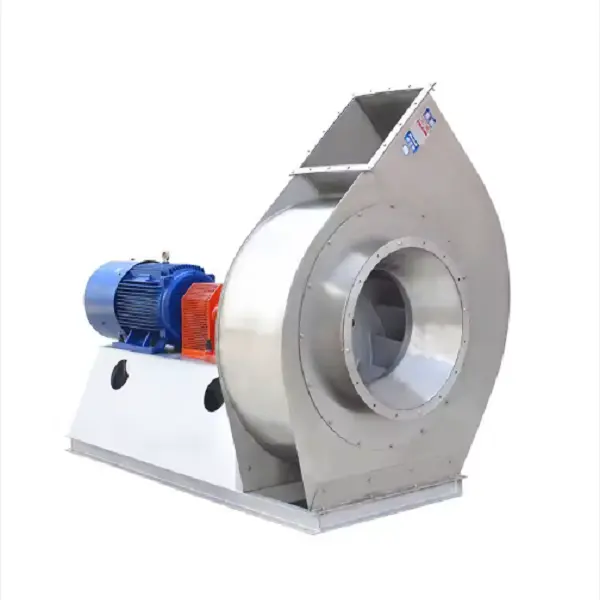
Industrial ventilation systems rely on stable equipment to maintain productivity and safety. A Type A Centrifugal Fan is widely used in factories, dust collection systems, HVAC equipment, and production lines because the impeller is mounted directly on the motor shaft, providing a compact structure and high transmission efficiency. However, improper installation, poor maintenance, or unsuitable operating conditions can gradually reduce performance. Understanding common problems and taking preventive measures can significantly extend the service life of a Type A Centrifugal Fan while reducing unexpected downtime.
One of the most common issues with a Type A Centrifugal Fan is excessive vibration. This problem often develops gradually rather than appearing suddenly.
Typical causes include:
Dust accumulation on the impeller
Dynamic imbalance caused by worn blades
Loose anchor bolts
Motor shaft misalignment
Bearing wear
During routine maintenance, shut down the equipment and inspect the impeller for dust buildup. Even a thin layer of dust can disturb balance at high rotational speeds.
For example, a woodworking factory experienced severe vibration after six months of continuous operation. Inspection revealed a thick layer of wood dust attached to the impeller blades. After cleaning the impeller, performing dynamic balancing, and tightening the mounting bolts, the Type A Centrifugal Fan returned to normal operation. Vibration values decreased from 7.8 mm/s to 2.1 mm/s, eliminating abnormal noise and improving system stability.
When airflow drops noticeably, many operators immediately suspect motor failure. In reality, airflow reduction is often caused by system resistance rather than equipment damage.
Common reasons include:
Blocked air filters
Dirty ductwork
Incorrect damper adjustment
Worn impeller blades
Air leakage in ducts
Measure airflow before replacing components. Compare actual operating data with the fan performance curve supplied by the manufacturer.
A food processing plant found that its Type A Centrifugal Fan was delivering only 70% of its designed airflow. Instead of replacing the fan, technicians cleaned the ductwork, replaced clogged filters, and adjusted the inlet damper. Airflow recovered to approximately 97% of the original design value within one maintenance shift, saving both replacement costs and production downtime.
Bearing temperature directly affects equipment reliability. If a Type A Centrifugal Fan operates with overheated bearings for extended periods, premature failure may occur.
Possible causes include:
Insufficient lubrication
Excess grease causing excessive friction
Bearing contamination
Shaft misalignment
Continuous overload
Establish a lubrication schedule based on operating hours instead of waiting for bearing noise.
A chemical manufacturing company implemented quarterly bearing inspections and used infrared temperature monitoring during operation. When one bearing temperature increased from 62°C to 81°C, technicians replaced contaminated grease before bearing failure occurred. This preventive maintenance avoided an unexpected shutdown and extended the operating life of the Type A Centrifugal Fan.
Abnormal noise usually indicates developing mechanical problems rather than normal operating conditions.
Possible sources include:
Loose fasteners
Bearing wear
Foreign objects entering the housing
Impeller rubbing against the casing
Structural resonance
Inspect the fan immediately after unusual sounds appear.
In one cement plant, operators reported intermittent metallic scraping noises from a Type A Centrifugal Fan. Inspection found that a loose mounting bracket had caused slight casing deformation, allowing the impeller to contact the housing. After replacing the bracket and adjusting the clearance, the noise disappeared completely, preventing more serious mechanical damage.
Motor overload is another issue that affects the long-term reliability of a Type A Centrifugal Fan.
Typical causes include:
Excessive airflow demand
Incorrect motor selection
Increased system resistance
Damper adjustment errors
Impeller contamination
Monitor motor current regularly using a clamp meter.
At a textile factory, engineers noticed motor current consistently exceeding the rated value by nearly 15%. Investigation showed that production modifications had increased airflow requirements beyond the original design. After replacing the impeller with a higher-efficiency model and optimizing the duct layout, the Type A Centrifugal Fan operated within the rated current range while reducing energy consumption by approximately 12%.
Regular preventive maintenance remains the most effective way to ensure reliable operation.
Recommended maintenance tasks include:
Inspect impeller cleanliness every month.
Monitor bearing temperature during routine inspections.
Lubricate bearings according to the manufacturer's recommendations.
Check vibration levels regularly.
Tighten mounting bolts and foundation hardware.
Inspect ducts for leakage or blockage.
Record motor current and operating parameters.
Schedule annual dynamic balancing if the fan operates continuously.
These practices can reduce maintenance costs, improve system efficiency, and extend equipment lifespan.
Most failures associated with a Type A Centrifugal Fan can be prevented through regular inspection, proper maintenance, and early identification of abnormal operating conditions. Monitoring vibration, airflow, bearing temperature, and motor current allows maintenance teams to solve minor issues before they become major failures. By following practical maintenance procedures and learning from real operating cases, facilities can improve reliability, reduce downtime, and maximize the performance of every Type A Centrifugal Fan in daily industrial applications.