News

Customized Centrifugal Fans Gain Popularity for Specialized Industrial Air Handling Systems

2026-08-14 0 Leave me a message

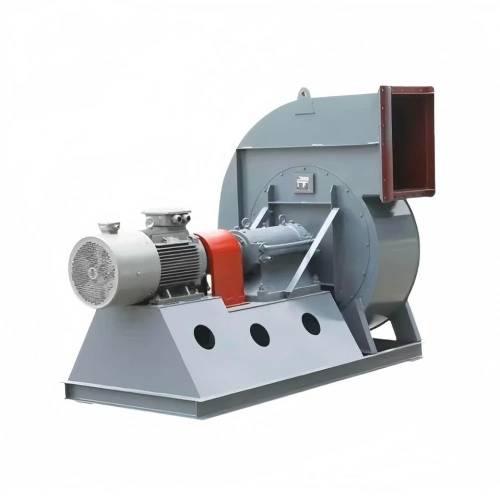
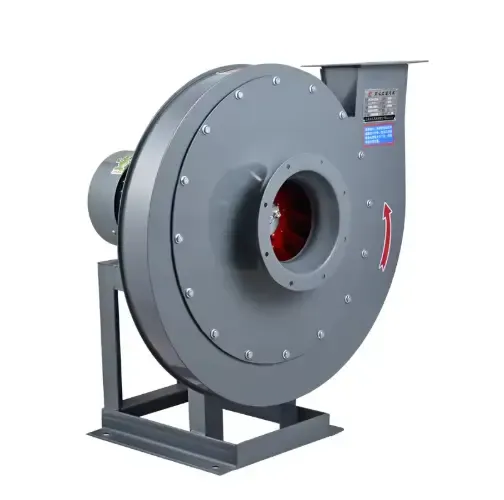
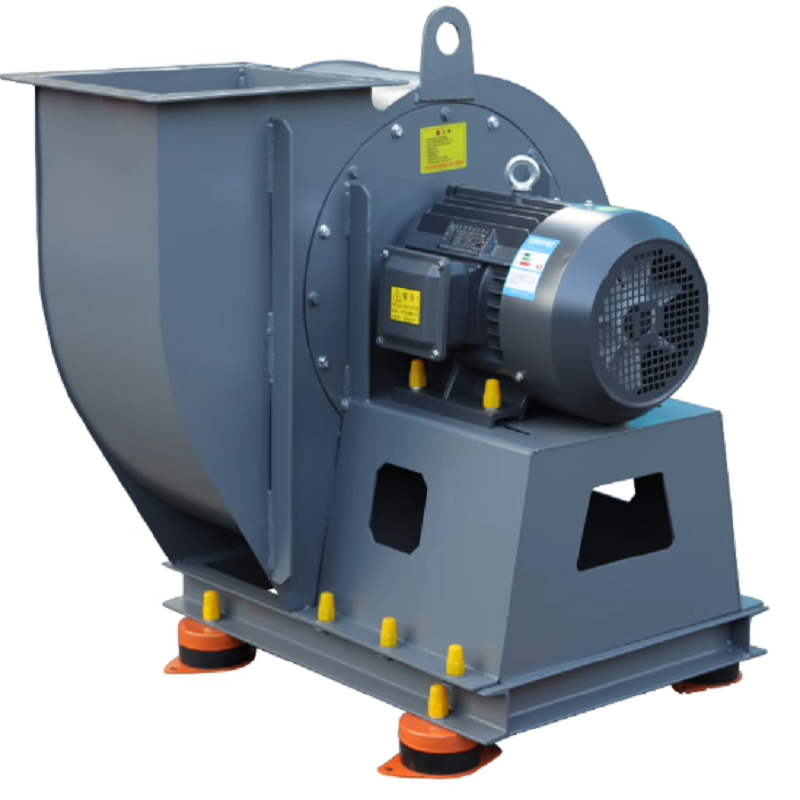
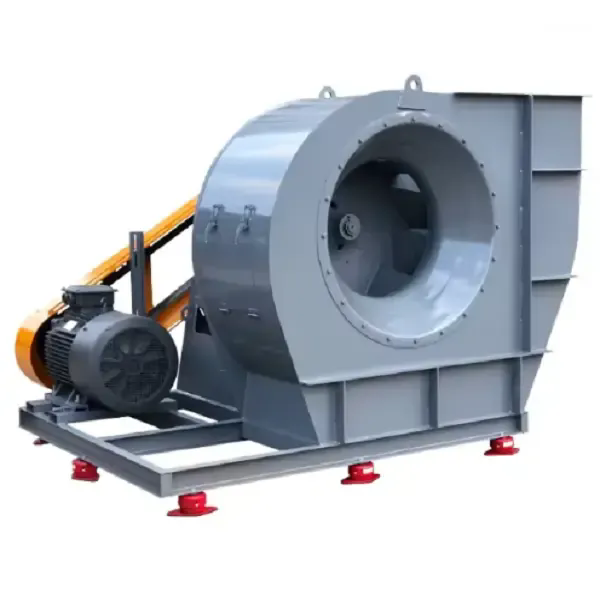
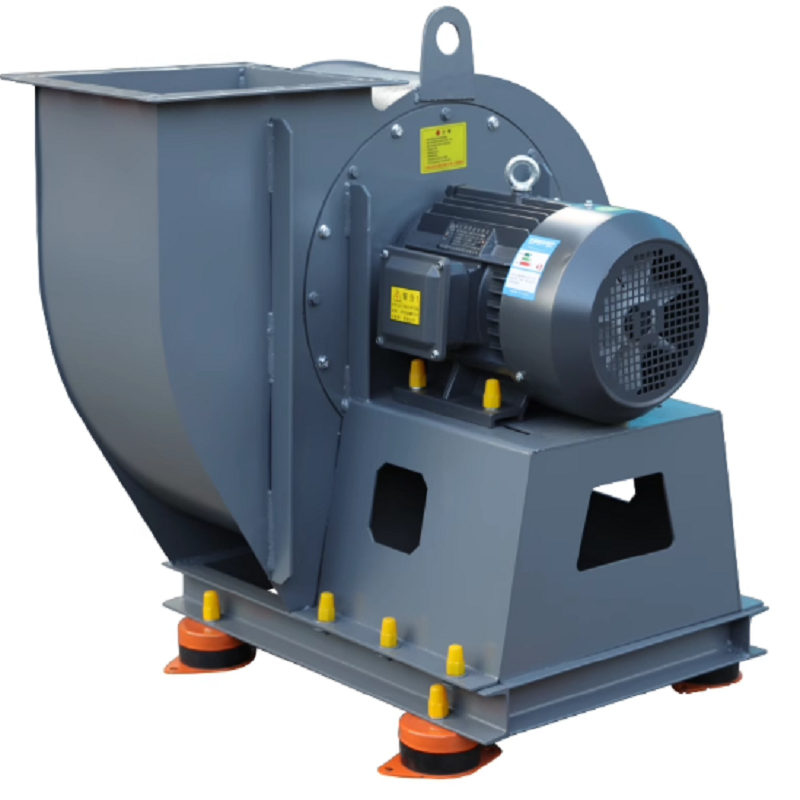
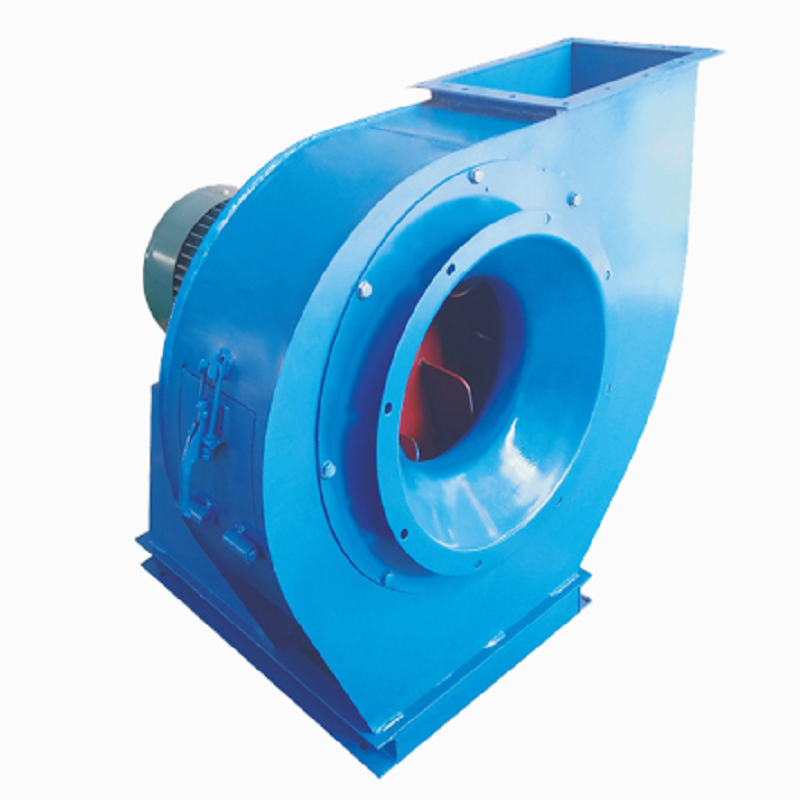
Industrial ventilation is rarely a one-size-fits-all application. A fan that performs well in a general ventilation system may not be suitable for a process handling abrasive dust, corrosive gases, high-temperature air, or continuously changing pressure conditions. This is why customized Centrifugal Fan solutions are gaining attention in specialized industrial air handling systems. Instead of selecting a standard model and trying to adapt the system around it, engineers can configure the fan according to actual airflow, pressure, temperature, material, and operating conditions.

Why Standard Fan Selection Is Not Always Enough

In practical projects, the required airflow is only one part of the selection process. A process may require 30,000 m³/h of air at 3,000 Pa static pressure, for example, while the transported gas may reach 180°C and contain fine dust. Choosing a Centrifugal Fan based only on airflow can result in insufficient pressure, excessive power consumption, or premature impeller wear.

A better approach is to establish the complete operating point before selecting the equipment. Engineers should determine airflow, static pressure, gas temperature, gas density, dust concentration, corrosiveness, operating hours, and installation altitude. These parameters determine the impeller design, motor power, casing construction, shaft arrangement, bearing configuration, and material selection.

Impeller Design Should Match the Process

The impeller is one of the most important components of a Centrifugal Fan, particularly in applications involving dust or particulate matter. Backward-curved blades are often selected where energy efficiency and stable operation are priorities, while radial or heavy-duty blade designs can be more appropriate for material-laden air.

For example, consider a dust collection system handling approximately 25,000 m³/h at 2,500 Pa. If the air contains abrasive particles, a lightweight standard impeller may experience rapid blade erosion. A customized design can use thicker blades, reinforced construction, or wear-resistant materials in high-impact areas. The objective is not simply to make the impeller stronger; the blade geometry must still maintain acceptable aerodynamic efficiency.

Material Selection Can Determine Service Life

Material selection becomes critical when a Centrifugal Fan handles corrosive gases or high-temperature air. Carbon steel may be sufficient for ordinary ventilation, but applications involving chemical vapors, moisture, or aggressive gases may require stainless steel or specialized coatings.

For high-temperature applications, engineers also need to consider more than the casing material. Shaft expansion, bearing temperature, sealing arrangements, coupling configuration, and motor location can all affect reliability. In one typical furnace exhaust application, relocating the motor away from the hot gas stream and using an appropriate shaft cooling arrangement can significantly reduce heat transfer to the bearings.

Case Study: Improving a Dust Extraction System

A manufacturing plant was operating a dust extraction system where the existing fan frequently experienced vibration and declining airflow. The original unit had been selected according to the nominal airflow requirement, but the actual process contained more abrasive dust than originally expected.

Inspection showed that dust accumulation and uneven wear had changed the impeller balance. Instead of simply replacing the motor, the engineering team reviewed the entire operating condition. The replacement Centrifugal Fan was designed with a more suitable impeller configuration, reinforced wear areas, improved access for cleaning, and a motor sized for the actual system resistance.

After installation, the plant recorded more stable airflow and significantly reduced vibration. More importantly, maintenance intervals became easier to predict because the fan had been designed around the actual dust-loading conditions rather than a theoretical clean-air operating point.

Pressure Loss Should Be Calculated Before Final Selection

One common mistake in fan projects is selecting equipment according to airflow while underestimating system resistance. A Centrifugal Fan must overcome the total pressure loss generated by ducts, elbows, filters, dampers, heat exchangers, cyclones, scrubbers, and other components.

A practical calculation should include both static and dynamic losses. If a system requires 20,000 m³/h and the calculated resistance is 2,800 Pa, selecting a fan rated at 20,000 m³/h and 2,000 Pa will not solve the problem. The fan may operate away from its intended point, resulting in insufficient airflow or unstable operation.

For retrofit projects, engineers should measure actual differential pressure wherever possible rather than relying entirely on old design documents. Field measurements can reveal clogged filters, undersized ducts, partially closed dampers, or other hidden sources of resistance.

Customization Can Also Reduce Energy Consumption

Customization does not necessarily mean a more expensive fan with lower operating costs. Proper aerodynamic matching can actually reduce the energy consumption of a Centrifugal Fan over its service life.

Suppose an industrial fan operates 8,000 hours per year and requires 75 kW at its normal operating point. Even a 5 kW reduction in average power consumption represents approximately 40,000 kWh of annual electricity savings. At an electricity cost of $0.10 per kWh, that equals about $4,000 per year.

This is why fan efficiency should be evaluated using the entire operating cycle rather than only the purchase price. A slightly more expensive fan can provide a faster return on investment if it operates closer to its best efficiency point and avoids unnecessary pressure generation.

Variable-Speed Operation Should Be Considered

Many industrial processes do not operate at a constant airflow requirement. In these cases, a variable-frequency drive can allow the Centrifugal Fan to adjust speed according to actual process demand.

For example, if a ventilation system requires full airflow only during peak production, running the fan continuously at maximum speed wastes energy. Reducing fan speed during lower-demand periods can provide substantial savings because fan power changes approximately with the cube of rotational speed under comparable conditions.

However, variable-speed control should not be added blindly. The fan, motor, drive, bearings, and system control strategy need to be evaluated together. The operating range must also remain within the manufacturer's recommended performance envelope.

Noise and Vibration Are Part of the Design

Noise is another factor that is sometimes ignored until after installation. A customized Centrifugal Fan can incorporate measures such as optimized blade geometry, appropriate rotational speed, flexible connections, vibration isolation, and acoustic treatment.

Vibration should also be addressed at the source. During commissioning, technicians should check shaft alignment, impeller balance, bearing condition, foundation stiffness, and coupling alignment. If vibration is measured at the fan housing, it is useful to compare readings at different speeds rather than assuming that replacing bearings will solve the problem.

Maintenance Access Should Be Designed in Advance

A fan that performs well but is difficult to maintain can become expensive over time. For industrial applications, customized Centrifugal Fan designs can include inspection doors, drain points, replaceable wear plates, grease access, split housings, and other features based on the maintenance requirements.

For dust-handling applications, easy access to the impeller is particularly valuable. Technicians should be able to inspect buildup and wear without completely dismantling the unit. This reduces maintenance downtime and makes condition-based inspection more practical.

What Engineers Should Provide When Ordering a Customized Fan

To avoid unnecessary redesigns, customers should provide as much operating information as possible before requesting a quotation. At minimum, the technical specification should include:

Required airflow, preferably in m³/h, m³/s, or CFM

Static pressure or total pressure

Gas temperature

Gas density when significantly different from standard air

Dust concentration and particle characteristics

Corrosive gas composition, if applicable

Required operating hours

Installation altitude

Power supply and motor requirements

Indoor or outdoor installation

Rotation direction and discharge orientation

Space limitations

Noise requirements

Applicable standards or certification requirements

With these parameters, the manufacturer can select the appropriate Centrifugal Fan configuration instead of relying on assumptions.

Customization Should Solve a Specific Engineering Problem

The purpose of customization is not to add unnecessary features. A good customized Centrifugal Fan should address a clearly defined operating requirement: higher pressure, abrasive materials, corrosive gases, elevated temperature, restricted installation space, lower energy consumption, easier maintenance, or improved reliability.

Before finalizing a design, engineers should compare the proposed fan curve with the actual system curve and verify the motor power, operating point, efficiency, and safety margin. For critical applications, factory performance testing and vibration testing can provide additional confidence before shipment.

As industrial processes become more specialized, customized fan engineering will continue to play an important role in air handling. The most effective approach is to start with the process conditions, calculate the real system requirements, and then configure the Centrifugal Fan around those requirements. This method may require more engineering work at the beginning, but it can prevent common problems such as insufficient airflow, excessive energy consumption, premature wear, and repeated maintenance later in the equipment's life.

Related News
Leave me a message
X
We use cookies to offer you a better browsing experience, analyze site traffic and personalize content. By using this site, you agree to our use of cookies.Privacy Policy
RejectAccept