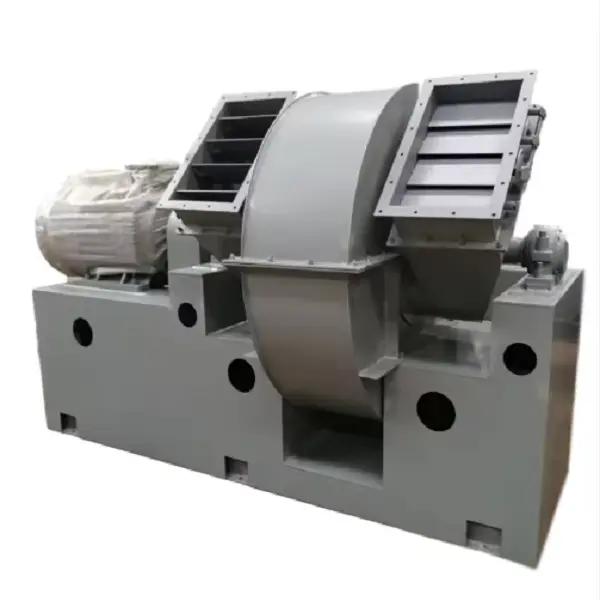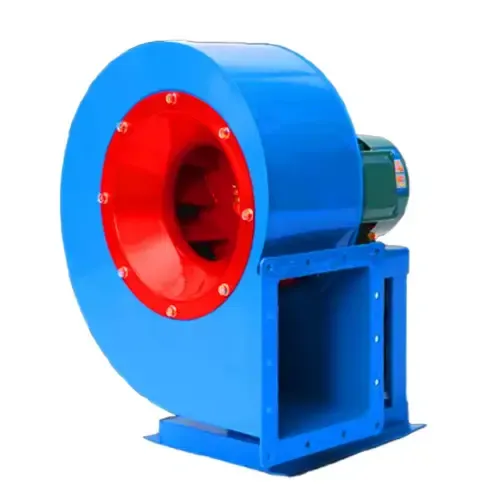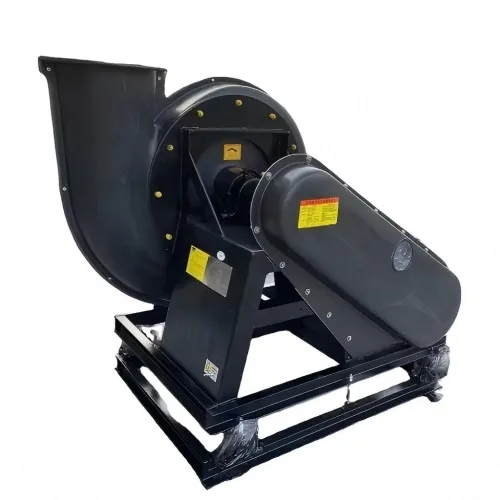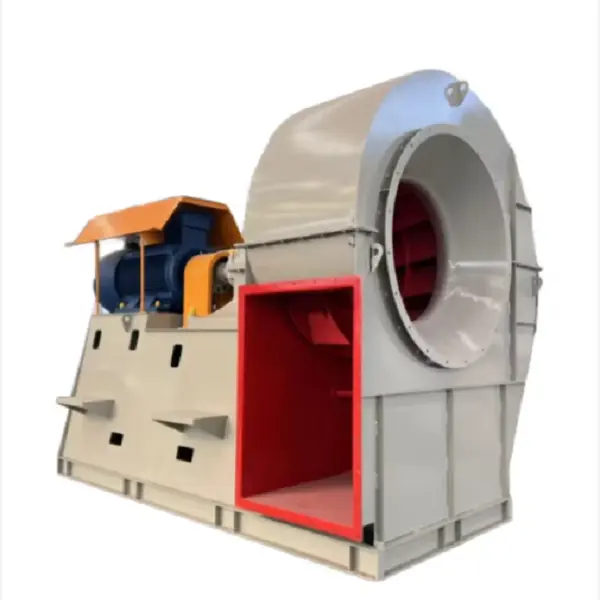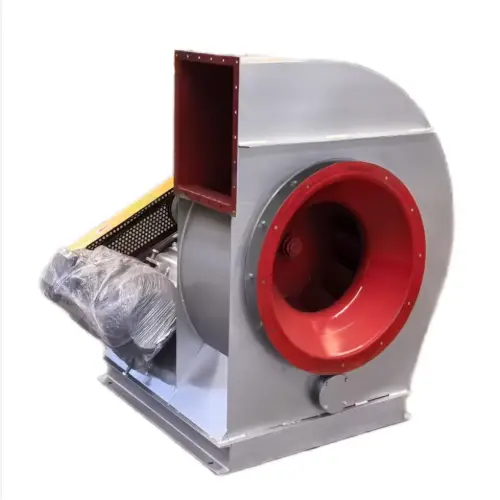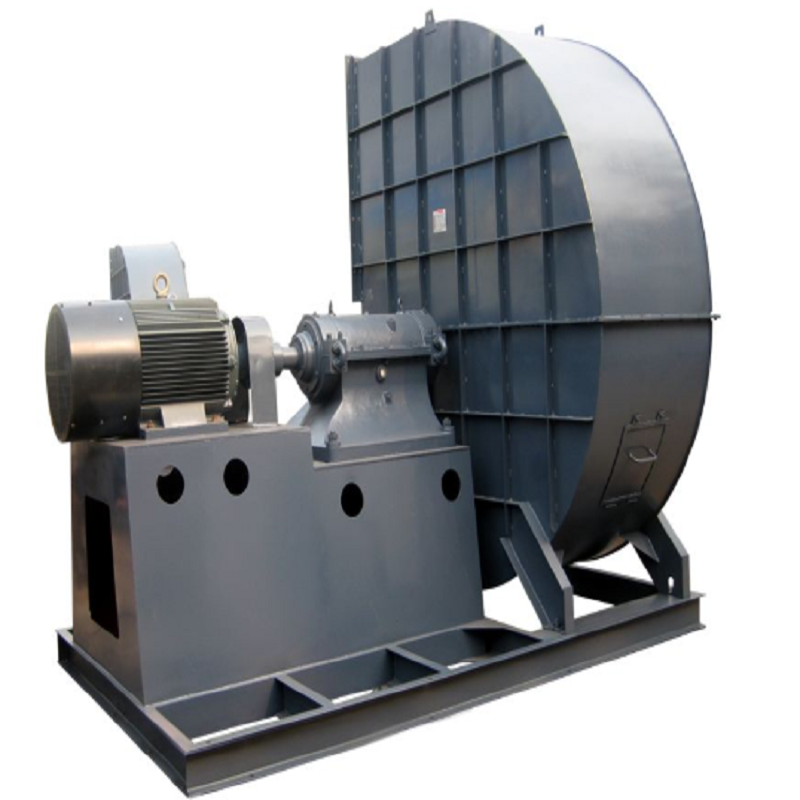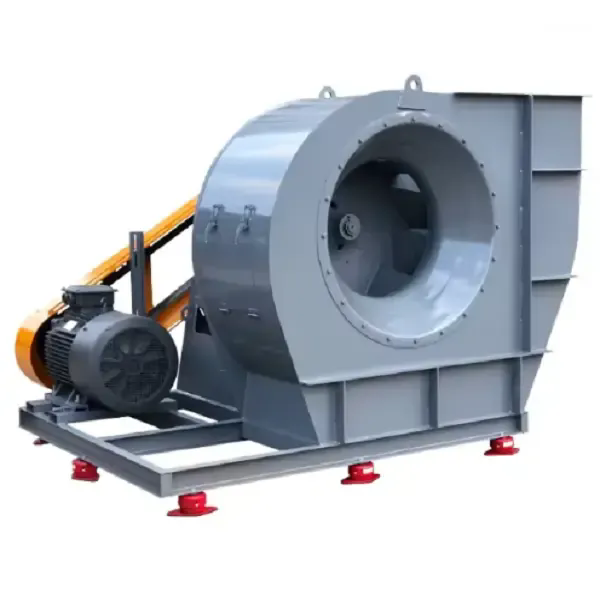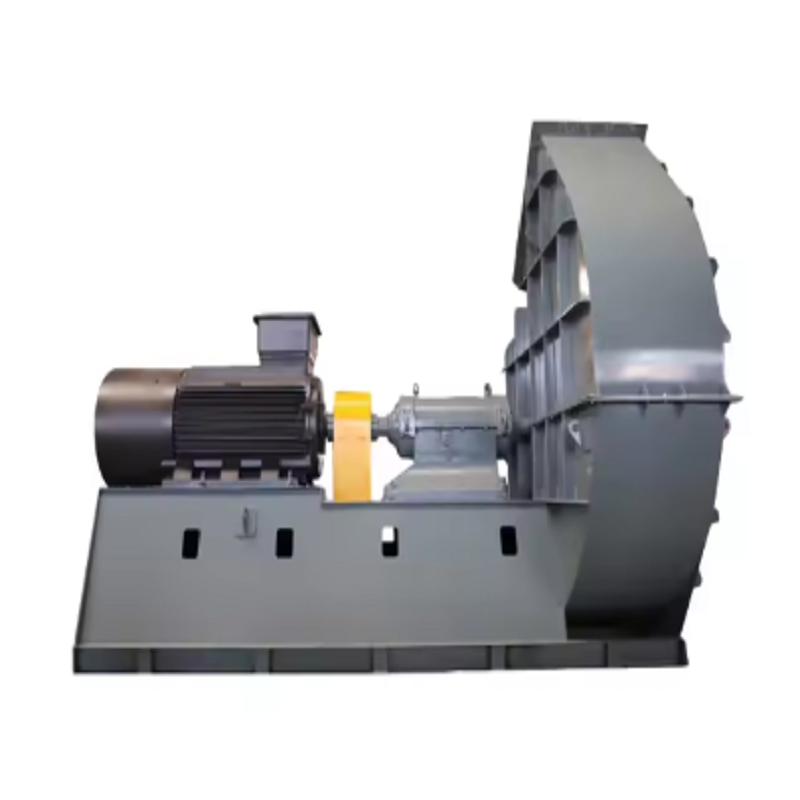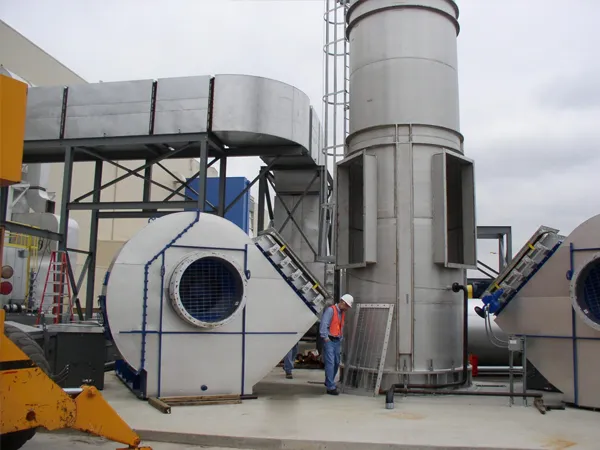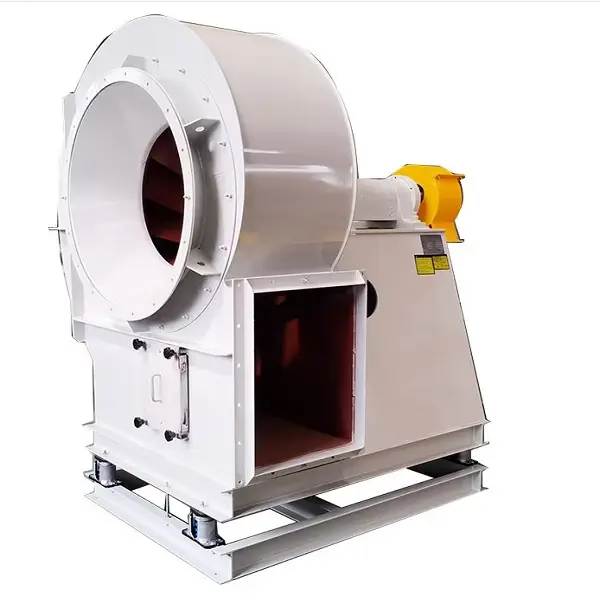
Corrosive exhaust is one of the most demanding conditions for industrial ventilation equipment. Chemical plants, wastewater treatment facilities, metal-processing lines, food-processing plants, and wet scrubber systems may contain acid mist, alkaline vapors, chlorides, solvents, or high levels of humidity. In these environments, conventional carbon steel fans can develop rust, pitting, leakage, and structural damage long before their expected service life. As a result, the use of a Stainless Steel Centrifugal Fan is becoming an increasingly practical solution for industrial exhaust systems where corrosion resistance and continuous operation are important.
However, selecting stainless steel alone does not guarantee reliable fan operation. The material grade, gas composition, operating temperature, condensation, impeller design, shaft arrangement, sealing method, and actual system resistance all have to be considered together. Industry guidance on corrosive fan design also emphasizes that the wheel, shaft, and internal housing exposed to the airstream should be compatible with the chemical environment.
The biggest problem with corrosive ventilation is that the damage is often gradual. A fan may continue running while corrosion slowly reduces the thickness of the casing or impeller. Once corrosion reaches the impeller, even a small amount of material loss can affect balance and increase vibration.
A Stainless Steel Centrifugal Fan provides a better starting point because stainless steel does not rely on a paint coating as its primary corrosion-resistant surface. This is particularly useful in applications involving moisture, frequent cleaning, condensation, or mildly to moderately corrosive gases. For more aggressive environments, 316 or 316L stainless steel may be considered instead of 304, but the final choice should always be based on the actual chemical medium rather than the application name alone.
For example, a fan handling humid air from a general production area may be adequately constructed from 304 stainless steel, while a fan exposed to chloride-containing condensate may require 316L or another material. Chlorides, concentrated acids, and mixed chemical vapors can create corrosion conditions that require a more detailed material-compatibility assessment.
One of the most common mistakes when specifying a Stainless Steel Centrifugal Fan is treating 304 and 316L as interchangeable materials.
304 stainless steel is widely used for humid ventilation, general industrial exhaust, food-processing environments, and relatively mild corrosive conditions. It is often a cost-effective choice when the exhaust contains moisture but does not contain significant chloride or highly aggressive chemical components.
316L is generally considered when the environment presents a greater corrosion risk, particularly where chlorides, saline moisture, or certain chemical contaminants are present. Commercial industrial fan designs also use 316L construction for severe corrosive environments and high-temperature applications.
A practical material-selection procedure should therefore start with five questions:
What chemicals are present in the exhaust?
What is the concentration of each major contaminant?
What is the normal and maximum gas temperature?
Can condensation occur inside the fan?
Are abrasive particles mixed with the corrosive gas?
The fifth question is especially important. Corrosion resistance does not automatically mean abrasion resistance. A Stainless Steel Centrifugal Fan handling corrosive dust may require additional wear protection, a different impeller thickness, or a different fan construction altogether.
The position of the fan within a gas-treatment system can have a major effect on material selection.
Consider a chemical exhaust system consisting of process equipment, ductwork, a wet scrubber, a mist eliminator, and an exhaust fan. Installing the Stainless Steel Centrifugal Fan upstream of the scrubber means the fan may handle untreated gas with a higher concentration of contaminants. Installing it downstream means the gas may be cooler and cleaner but can contain high humidity, droplets, or condensate.
This distinction is often overlooked during equipment procurement.
For a downstream fan, the performance of the scrubber and mist eliminator becomes part of the fan's reliability calculation. If liquid droplets enter the fan, they can collect on the impeller and casing, creating both corrosion and imbalance problems. Industrial fan suppliers therefore commonly recommend reviewing the fan position, scrubber resistance, demister performance, duct configuration, and actual gas conditions before finalizing the fan specification.
A corrosion-resistant fan is more than a stainless steel casing. The components exposed to the gas stream need to be considered individually.
For a Stainless Steel Centrifugal Fan, the wetted or gas-contact components may include the housing, impeller, inlet cone, shaft section, inspection door, internal fasteners, and drainage components. In some applications, only the gas-contact components are manufactured from stainless steel, while the external frame and motor support use other materials.
Continuous welding is another useful design feature. Gaps and crevices can trap moisture and corrosive deposits, creating localized corrosion that is difficult to detect during routine inspection. Properly welded joints, suitable surface finishing, accessible inspection areas, and drainage points can significantly improve maintainability.
For wet applications, a drain at the lowest point of the casing is particularly useful. Operators should not allow chemical condensate to remain inside the fan after shutdown.
Corrosion resistance should never replace aerodynamic selection.
Before purchasing a Stainless Steel Centrifugal Fan, the required airflow and pressure should be calculated from the actual system. A typical specification should include:
Airflow: m³/h or CFM
Static pressure: Pa or in. w.g.
Gas temperature
Gas composition
Gas density
Dust or liquid content
Fan operating hours
Required motor power
Power supply
Fan speed
Installation altitude
Fan inlet and outlet dimensions
For example, suppose a chemical exhaust line requires 25,000 m³/h at 2,500 Pa. Selecting a fan only according to the 25,000 m³/h airflow figure can produce an undersized or oversized system. The pressure loss through ducts, elbows, filters, scrubbers, dampers, and stacks must be included.
A correctly selected Stainless Steel Centrifugal Fan should operate near its intended performance point rather than being forced to compensate for an incorrectly calculated system resistance.
A chemical-processing facility was experiencing repeated corrosion problems with a painted carbon steel exhaust fan. The fan handled approximately 18,000 m³/h of humid process exhaust at around 1,800 Pa. The system operated for approximately 20 hours per day, and condensation occurred during several production cycles.
The original fan showed visible corrosion around the scroll and impeller after relatively short operation. Inspection also found chemical deposits accumulating near the lower section of the housing.
Instead of simply applying a thicker coating, the engineering team changed the fan construction to a Stainless Steel Centrifugal Fan and reviewed the entire exhaust system.
The key modifications were:
Stainless steel construction for gas-contact components
Improved welded joints
Drainage at the lowest point of the housing
Improved access for internal cleaning
Review of the demister upstream of the fan
Recalculation of duct and scrubber pressure losses
Vibration monitoring after commissioning
The important lesson was that the problem was not caused by the fan material alone. Liquid carryover and poor drainage were contributing to corrosion. Changing the material while leaving the condensation problem unresolved would have reduced but not eliminated the failure risk.
A second example comes from a food-processing facility where the exhaust system was exposed to high humidity, cleaning chemicals, and frequent washdown.
The original carbon steel fan developed surface corrosion around the casing and fasteners. Operators also found that cleaning water could remain around several joints after sanitation.
The replacement Stainless Steel Centrifugal Fan used stainless construction for the housing and impeller, with corrosion-resistant fasteners and improved access for cleaning. The fan was also installed with attention to drainage so that water would not remain trapped inside the casing.
This application demonstrates another advantage of stainless construction: maintenance becomes easier when the fan is regularly exposed to water and cleaning chemicals. Stainless steel construction is commonly used in food-processing ventilation where washdown, humidity, and chemical cleaning agents are part of normal operation.
Another practical mistake is specifying a stainless housing and impeller while ignoring other components.
In a Stainless Steel Centrifugal Fan, the shaft section exposed to corrosive air, shaft seal, fasteners, bearing arrangement, and motor support should be reviewed according to the installation. Corrosive gas entering the bearing area can accelerate bearing degradation, while unsuitable seals may allow leakage or chemical contamination.
For fans handling particularly aggressive exhaust, mechanical seals or other suitable sealing arrangements may be required. AMCA's guidance on corrosive fan environments specifically highlights the need to select the wheel, shaft, internal housing, and sealing arrangement according to the chemical handled.
The bearing itself should normally be isolated from the corrosive airstream whenever the application permits. This is especially important for belt-driven arrangements, where shaft penetration through the housing creates another potential path for contaminated gas.
A Stainless Steel Centrifugal Fan reduces corrosion risk, but it does not eliminate maintenance.
For corrosive applications, operators should establish a practical inspection schedule based on operating hours and process conditions. During routine maintenance, check:
Impeller surface for pitting or deposits
Casing for localized corrosion
Drainage points for blockage
Shaft and seal condition
Bearing temperature
Fan vibration
Motor current
Fastener condition
Duct and flexible connection leakage
Scrubber and demister performance
Impeller deposits deserve particular attention. Even when the stainless material itself remains intact, chemical deposits or wet dust can accumulate unevenly on the blades. This changes the rotating mass distribution and may cause vibration.
A simple vibration trend can therefore be more useful than waiting for visible corrosion. If vibration gradually increases after several months of operation, the impeller should be inspected before the problem develops into a bearing or shaft failure.
For an industrial project, a good purchase specification should provide more than the phrase "stainless steel fan."
A complete inquiry should state the airflow, pressure, temperature, gas composition, operating hours, humidity, possible condensation, dust concentration, installation environment, motor requirements, and expected corrosion conditions.
The material specification should then identify whether 304, 316, 316L, duplex stainless steel, FRP, or another material is required. In severe chemical service, stainless steel should not automatically be assumed to be the best solution. Some applications may require FRP, special alloys, or another corrosion-resistant construction depending on the chemical and temperature profile.
For performance verification, buyers can also request fan performance data and, where applicable, certification or testing information. AMCA's certification program covers centrifugal fan air performance, sound performance, efficiency, Fan Efficiency Grade, and Fan Energy Index depending on the applicable certification scope.
The demand for corrosion-resistant industrial ventilation continues to increase as chemical processing, wastewater treatment, food production, and environmental-control systems become more demanding. A Stainless Steel Centrifugal Fan can provide a reliable solution when the material, aerodynamic performance, sealing arrangement, drainage, and maintenance strategy are designed around the actual operating conditions.
The most important point is simple: do not select a fan based only on the word "stainless." Start with the gas, temperature, airflow, pressure, condensation, and contaminants. Then select the material and fan configuration.
For corrosive industrial environments, that approach can prevent premature corrosion, reduce unplanned downtime, and produce a ventilation system that remains stable over years of continuous operation.