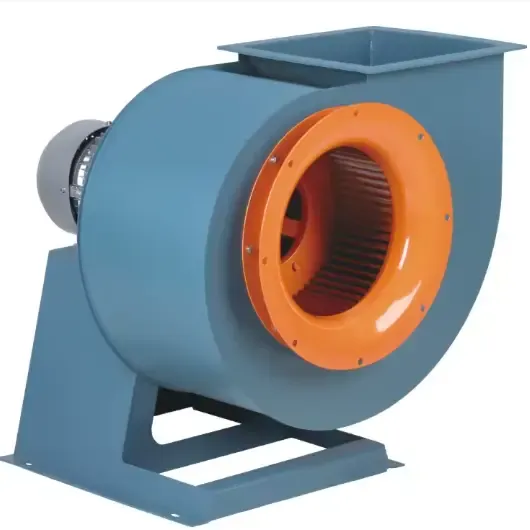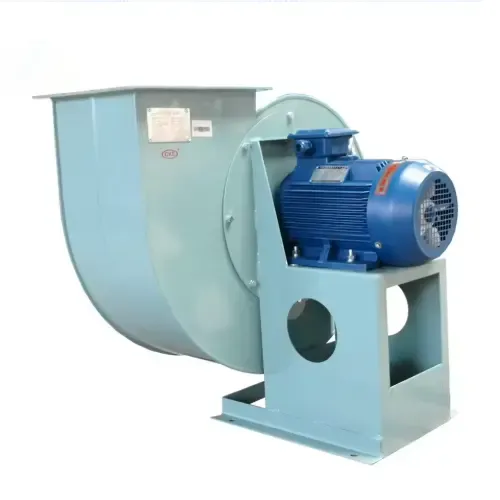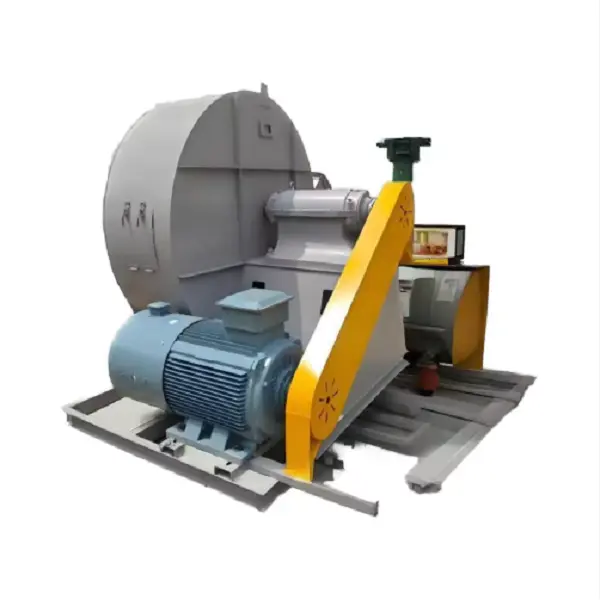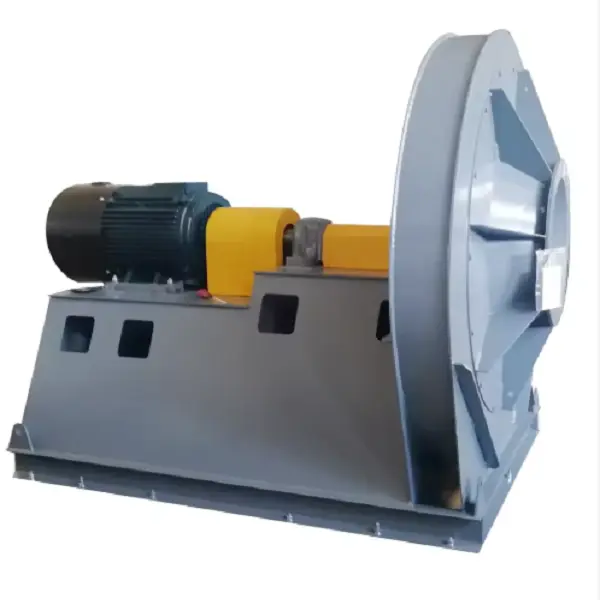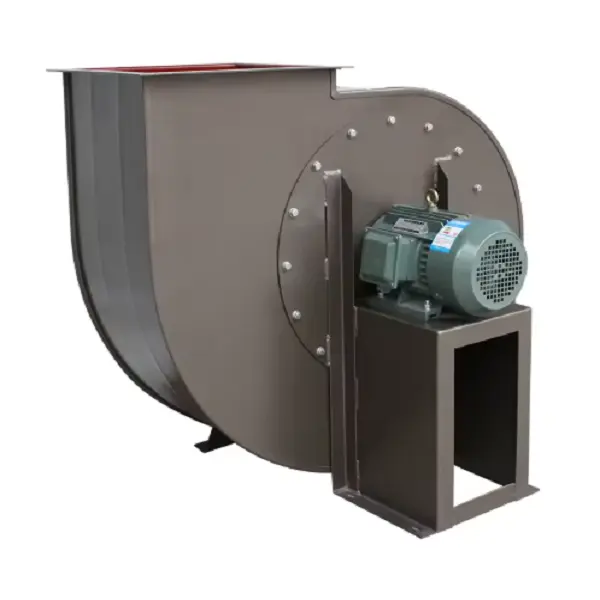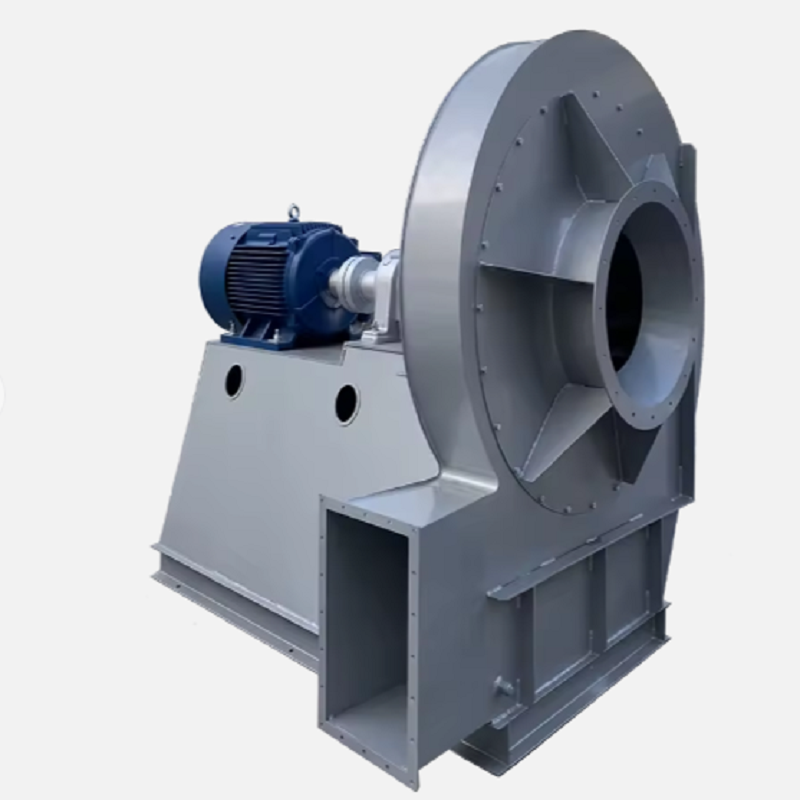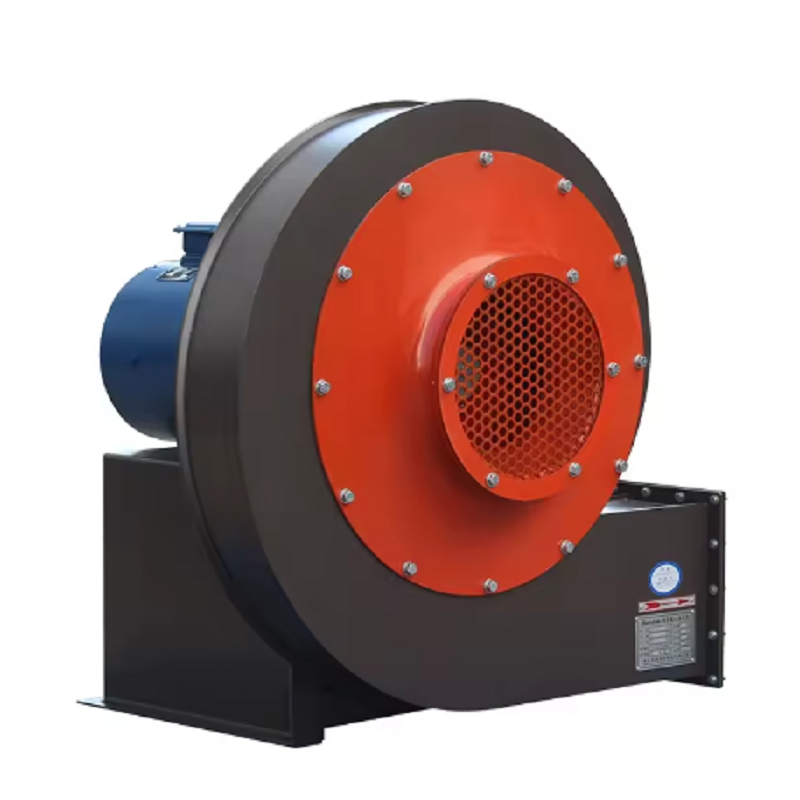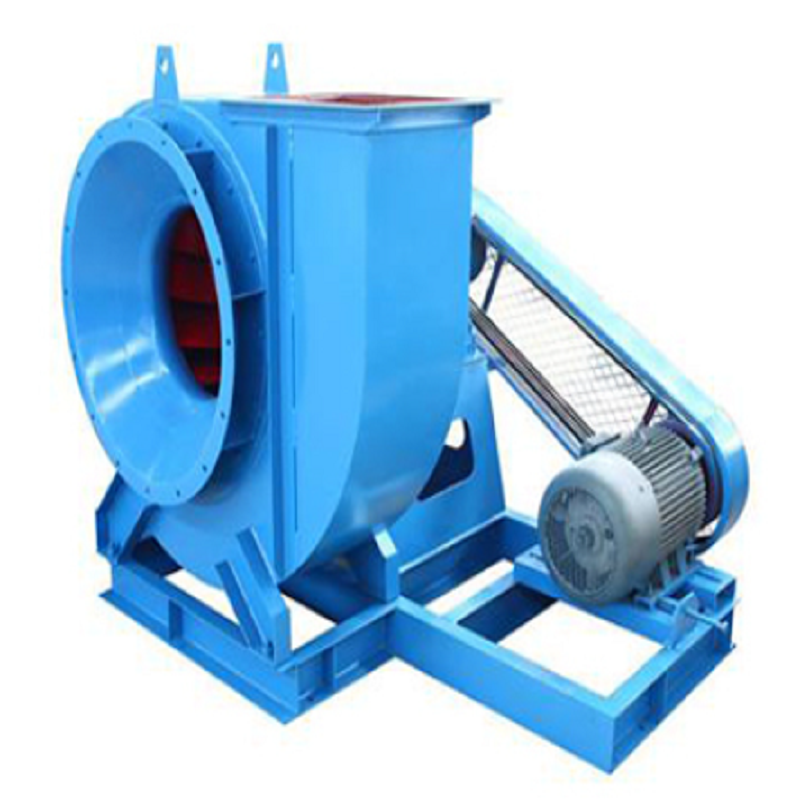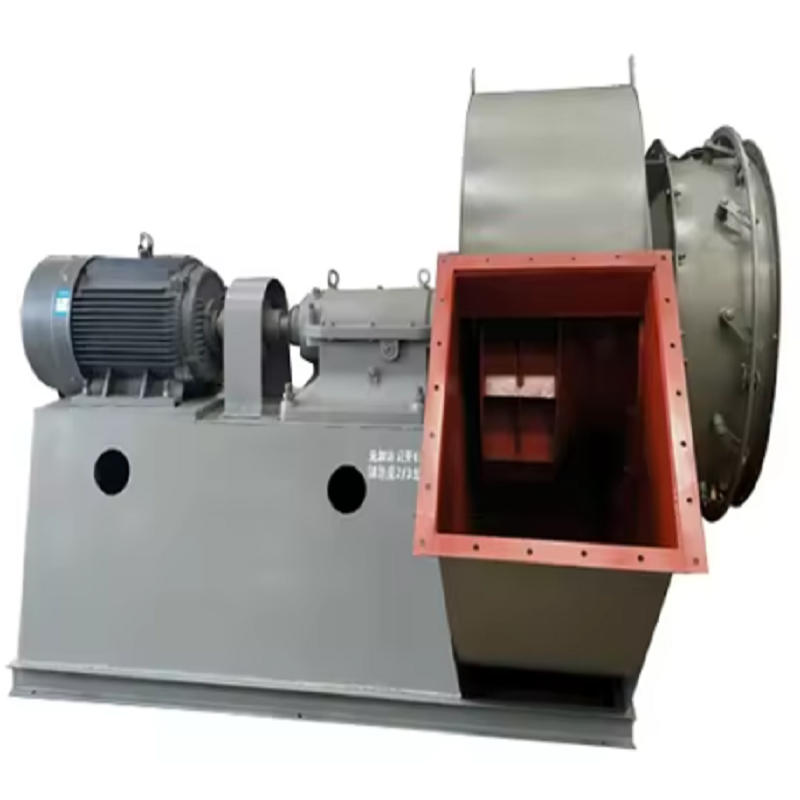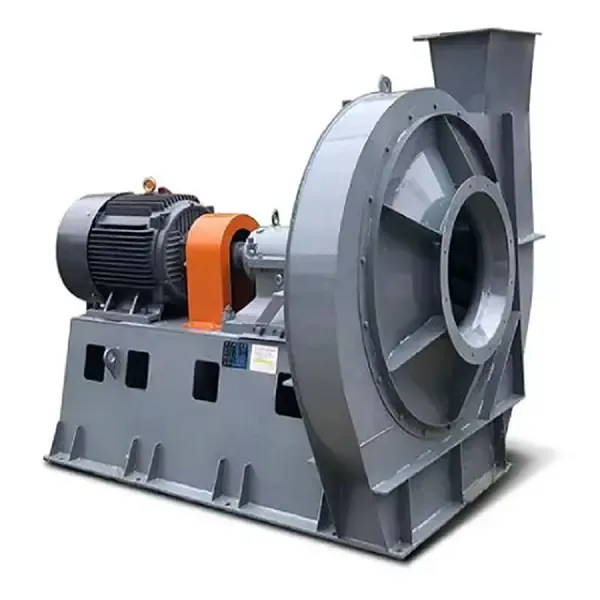
Industrial ventilation systems often deal with gases that ordinary carbon steel fans cannot handle for long periods. Acidic fumes, alkaline vapors, high humidity, chemical dust, and corrosive process gases can attack the impeller, casing, shaft, and fasteners. In these conditions, a Customized Corrosion-Resistant Centrifugal Fan is often a better solution than simply selecting a standard centrifugal fan with a higher motor power.
The main challenge is not just choosing a corrosion-resistant material. The fan must be matched to the actual gas composition, temperature, airflow, static pressure, operating hours, and installation environment. A properly engineered Customized Corrosion-Resistant Centrifugal Fan should maintain the required airflow and pressure while resisting the specific corrosive conditions encountered during operation.
Fan selection should begin with operating data rather than the fan model. The required airflow is normally determined by the ventilation or process system, while static pressure must account for duct resistance, elbows, dampers, filters, scrubbers, heat exchangers, and other equipment.
For example, suppose a chemical exhaust system requires 12,000 m³/h of airflow at 1,500 Pa static pressure. If the gas temperature is 80°C and contains acidic vapor, selecting a fan based only on the airflow can result in premature corrosion or insufficient pressure.
For a Customized Corrosion-Resistant Centrifugal Fan, the basic specification should therefore include:
Airflow: m³/h, CFM, or m³/s
Static or total pressure: Pa, mmWG, or inWG
Gas temperature
Gas composition and concentration
Gas density
Dust or particle concentration
Required operating hours
Installation altitude
Motor power and voltage
Fan rotation and discharge direction
These parameters provide the starting point for selecting the impeller, casing, shaft, bearings, motor, and protective measures.
Corrosion resistance depends heavily on material selection. A fan designed for humid air may use a completely different material from one handling hydrochloric acid vapor or sulfur-containing gas.
Depending on the application, manufacturers may consider materials such as stainless steel 304, stainless steel 316, higher-grade stainless steels, coated carbon steel, FRP, or other specialized materials. The correct choice depends on the chemical environment rather than simply selecting the most expensive material.
For a Customized Corrosion-Resistant Centrifugal Fan, material selection should cover every component exposed to the gas. It is not enough to make the casing corrosion-resistant while leaving an unsuitable impeller or fasteners inside the gas stream.
Particular attention should be given to:
Impeller blades and back plate
Fan casing and inlet components
Shaft exposed to the process gas
Bolts and other fasteners
Drainage areas where condensate can accumulate
Protective coatings and surface treatment
Bearing arrangement and shaft sealing
In wet chemical exhaust systems, condensation can create a much more aggressive environment than the original process gas. Drain holes and suitable casing geometry can therefore be just as important as the nominal material grade.
The impeller determines much of the fan's airflow and pressure performance. Changing the blade geometry or diameter can significantly affect the operating point, motor load, and efficiency.
When developing a Customized Corrosion-Resistant Centrifugal Fan, engineers should avoid simply increasing the impeller size to obtain more pressure. The impeller diameter, blade angle, blade width, rotational speed, and number of blades should be evaluated against the required fan curve.
For example, if a process requires 10,000 m³/h at 2,000 Pa, but the selected fan produces the required airflow at only 1,300 Pa, the system may fail to deliver sufficient exhaust capacity once the filter or scrubber becomes dirty.
A better approach is to calculate the expected system resistance and select a fan whose normal operating point falls within an efficient region of its performance curve. This also leaves a reasonable margin for changes in system resistance without excessively oversizing the motor.
A chemical-processing customer needed to replace a conventional carbon-steel exhaust fan. The original fan handled approximately 8,500 m³/h of gas at around 1,200 Pa. After several months of operation, corrosion appeared around the casing and impeller, and deposits began to affect impeller balance.
The replacement Customized Corrosion-Resistant Centrifugal Fan was designed around the actual exhaust conditions rather than simply copying the original fan dimensions.
The engineering process included:
Confirming the required airflow and pressure
Checking the operating temperature
Reviewing the chemical composition of the exhaust
Selecting a more suitable corrosion-resistant material
Adjusting the impeller design to the required duty point
Improving drainage in areas where condensate could collect
Checking shaft and fastener compatibility
Selecting a motor based on the actual calculated power requirement
After installation, the fan was commissioned by checking airflow, pressure, motor current, vibration, bearing temperature, and rotation direction. This commissioning step was important because a corrosion-resistant fan can still perform poorly if the duct system or damper settings do not match the design conditions.
A common mistake is to select a standard centrifugal fan and apply a corrosion-resistant coating afterward. Coating can be useful, but it does not automatically solve every corrosion problem.
Mechanical wear, high temperature, chemical concentration, surface damage, and condensation can all reduce coating effectiveness. If the coating is scratched during transportation or maintenance, the exposed metal may become a localized corrosion point.
A Customized Corrosion-Resistant Centrifugal Fan should therefore be designed around the complete operating environment. In some applications, a stainless-steel construction may be appropriate. In others, a non-metallic construction or specialized lining may provide better resistance.
The decision should be based on the actual chemical conditions and expected service life rather than material price alone.
Gas temperature can have a significant effect on fan performance. As temperature rises, gas density decreases. If the fan selection is based on standard-air conditions but the actual gas temperature is substantially higher, the calculated pressure and motor requirements can be misunderstood.
For example, a fan handling hot exhaust at 120°C should not be selected using exactly the same assumptions as a fan handling ambient-temperature air. The design engineer should convert the operating conditions appropriately and determine whether the fan pressure requirement is expressed under actual or standard conditions.
For a Customized Corrosion-Resistant Centrifugal Fan, temperature also affects material selection, bearing arrangement, shaft design, expansion considerations, and coating performance.
This is particularly important when the same ventilation system operates at different temperatures during startup, normal production, and shutdown.
Even a correctly designed fan can suffer premature corrosion if installation is poor.
The duct should be properly supported so that excessive external loads are not transferred to the fan casing. Flexible connections can help isolate the fan from duct movement and vibration. The inlet and outlet should avoid unnecessary turbulence and abrupt transitions.
For corrosive exhaust, drainage is especially important. If liquid accumulates inside the casing during shutdown, corrosion may continue even when the fan is not operating.
Before commissioning, technicians should check:
Fan rotation direction
Coupling alignment
Shaft alignment
Bearing lubrication
Anchor bolts
Flexible connections
Damper position
Motor current
Vibration
Airflow and pressure
A short commissioning inspection can prevent much more expensive mechanical problems later.
Maintenance of a Customized Corrosion-Resistant Centrifugal Fan should not be limited to checking whether the motor starts normally. Corrosion can gradually change the impeller surface, increase deposits, and eventually affect dynamic balance.
During scheduled inspections, technicians should examine the leading edges of the blades, weld areas, casing joints, shaft surfaces, fasteners, and drainage points.
If deposits accumulate on the impeller, cleaning should be carried out before the imbalance becomes significant. A small amount of uneven buildup can create additional vibration at operating speed.
Useful condition-monitoring data include:
Vibration velocity
Bearing temperature
Motor current
Fan speed
Airflow
Static pressure
Visual corrosion condition
Comparing these values with commissioning data provides a much better indication of equipment condition than relying only on a fixed maintenance interval.
Customization does not necessarily mean redesigning every component. In many projects, the most useful customization involves several critical parameters: material grade, impeller diameter, blade configuration, rotation speed, motor selection, discharge orientation, shaft sealing, and installation dimensions.
For example, an existing plant may have limited space and require the fan outlet to face a specific direction. A standard fan may meet the airflow requirement but cannot fit the existing duct layout. A customized design can maintain the required performance while matching the available installation space.
This is one of the practical advantages of a Customized Corrosion-Resistant Centrifugal Fan. The fan is designed around the process rather than forcing the process system to adapt to a standard product.
Selecting a corrosion-resistant industrial fan should start with the process conditions, not the product name. Airflow, pressure, gas temperature, chemical composition, humidity, dust concentration, installation conditions, and operating hours all influence the final design.
A properly engineered Customized Corrosion-Resistant Centrifugal Fan combines suitable materials with an appropriately designed impeller, casing, shaft system, motor, and installation arrangement. The objective is not simply to make the fan resistant to corrosion, but to maintain stable performance throughout its expected service life.
For chemical plants, scrubber systems, industrial exhaust lines, wastewater treatment facilities, laboratories, and other demanding applications, detailed operating data should be provided before the fan is manufactured. The more accurate the process information, the easier it is to build a fan that delivers the required airflow and pressure without unnecessary material or energy costs.