News

What Should You Consider When Selecting an Industrial Fan ?

2026-06-15 0 Leave me a message

What Should You Consider When Selecting an Industrial Fan?

Focus on Type F Centrifugal Fan

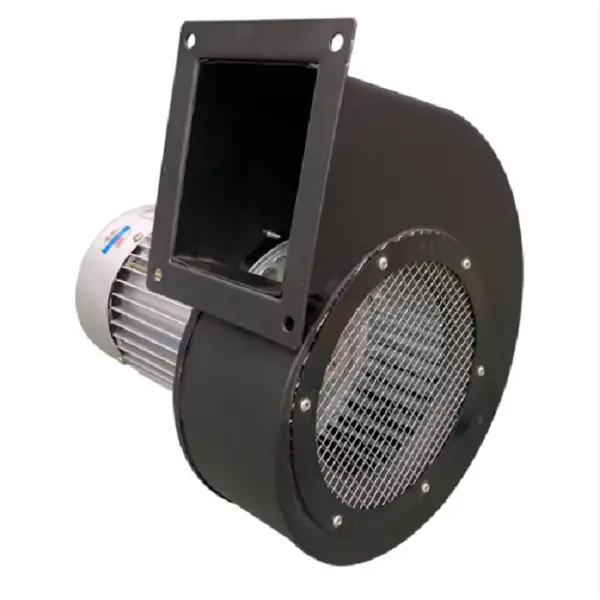
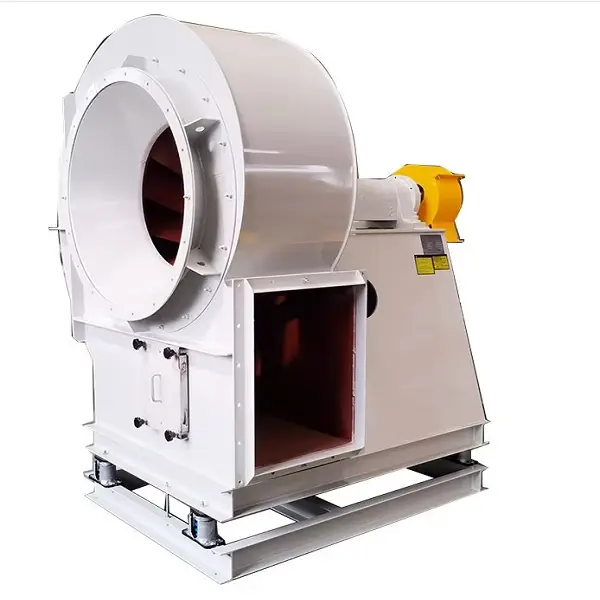
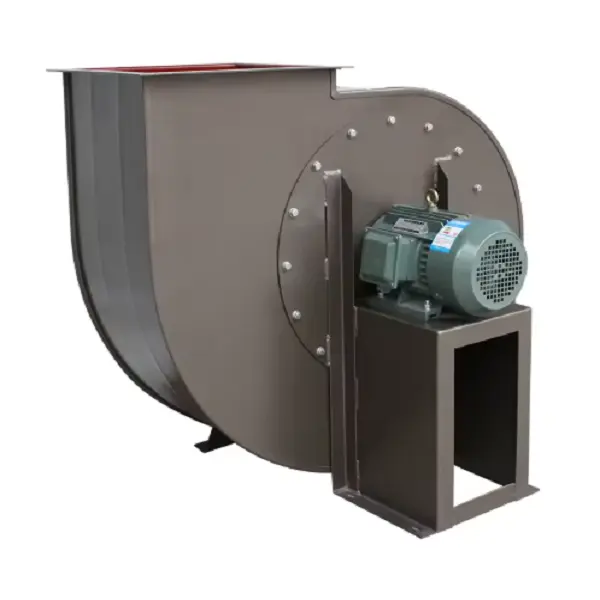
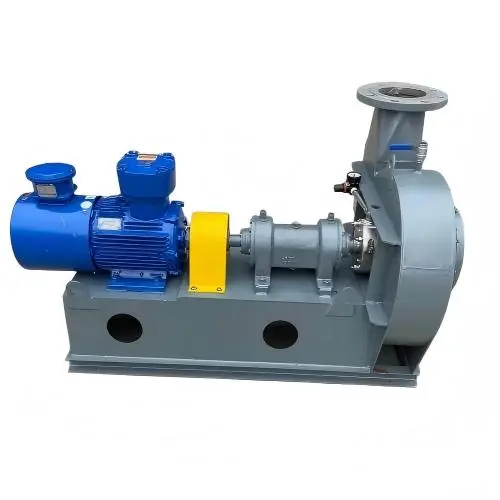
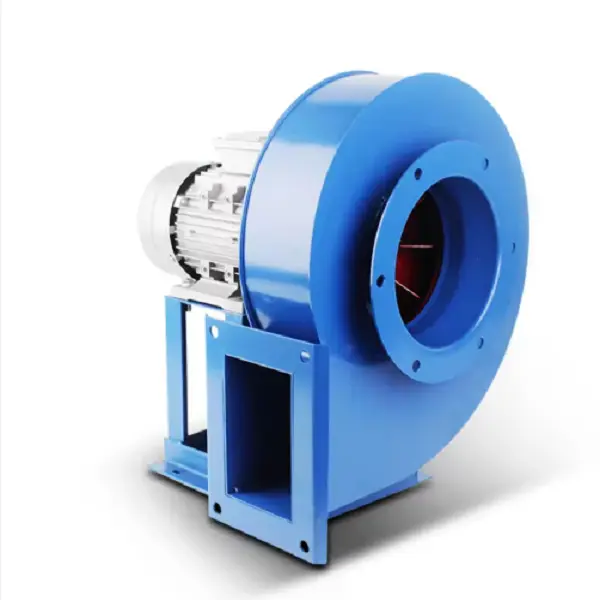
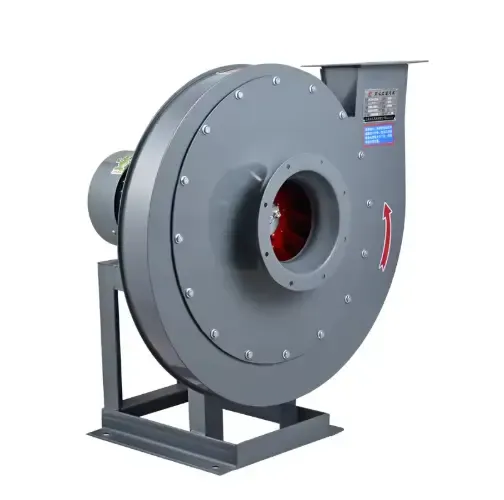
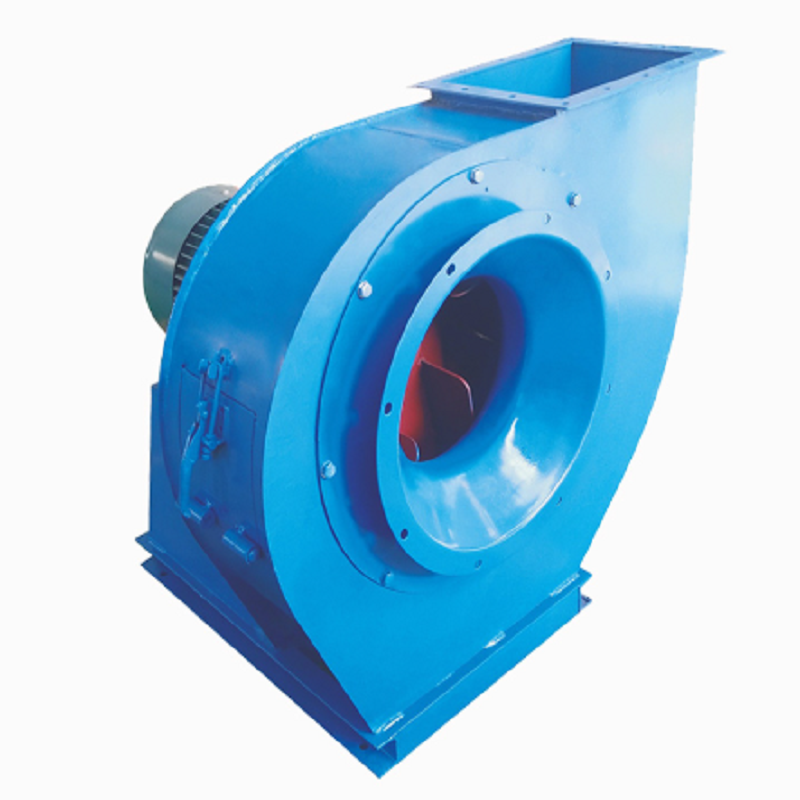
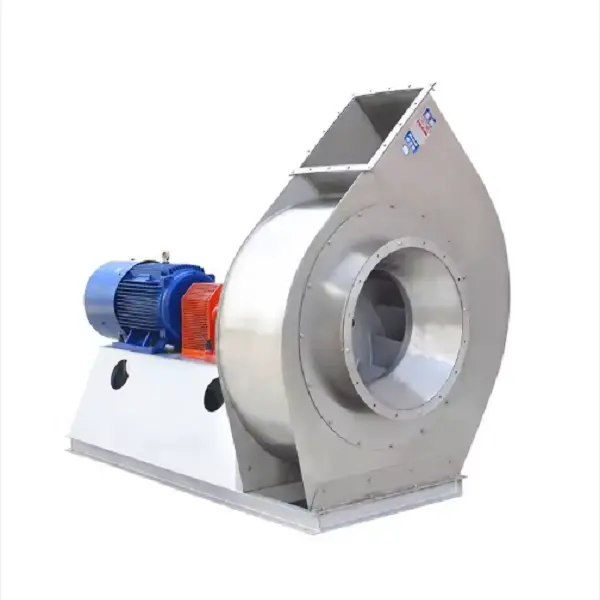
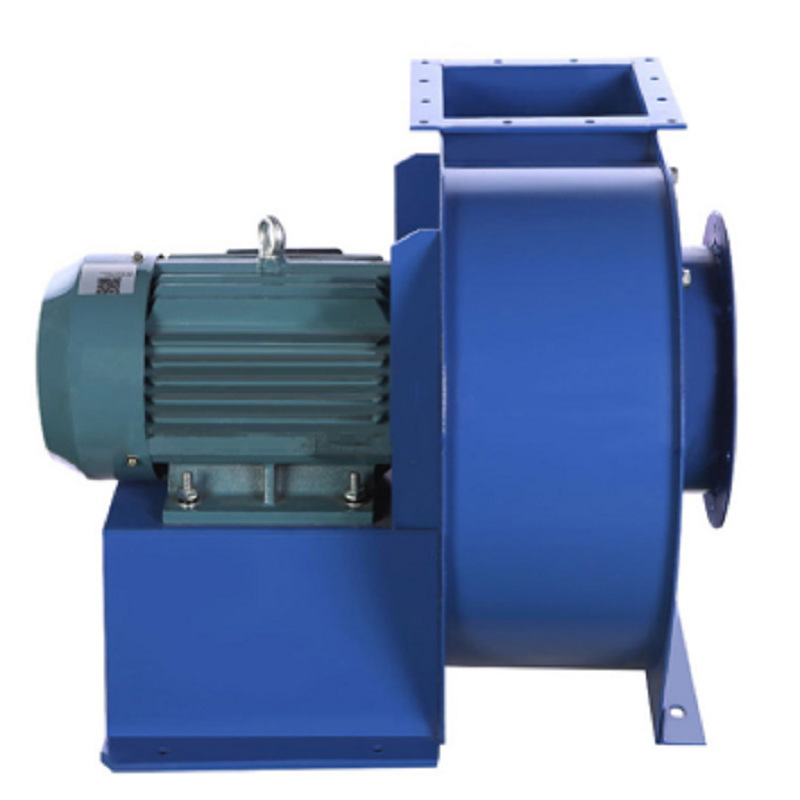
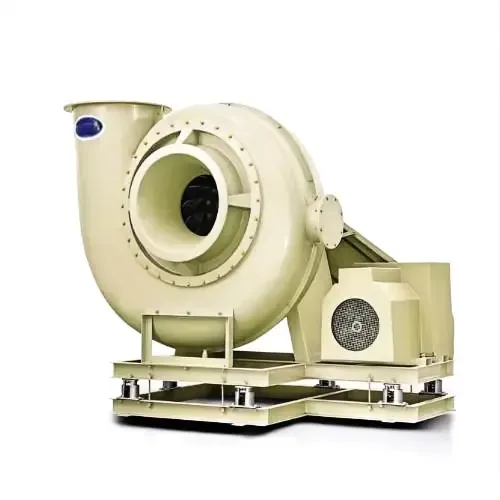
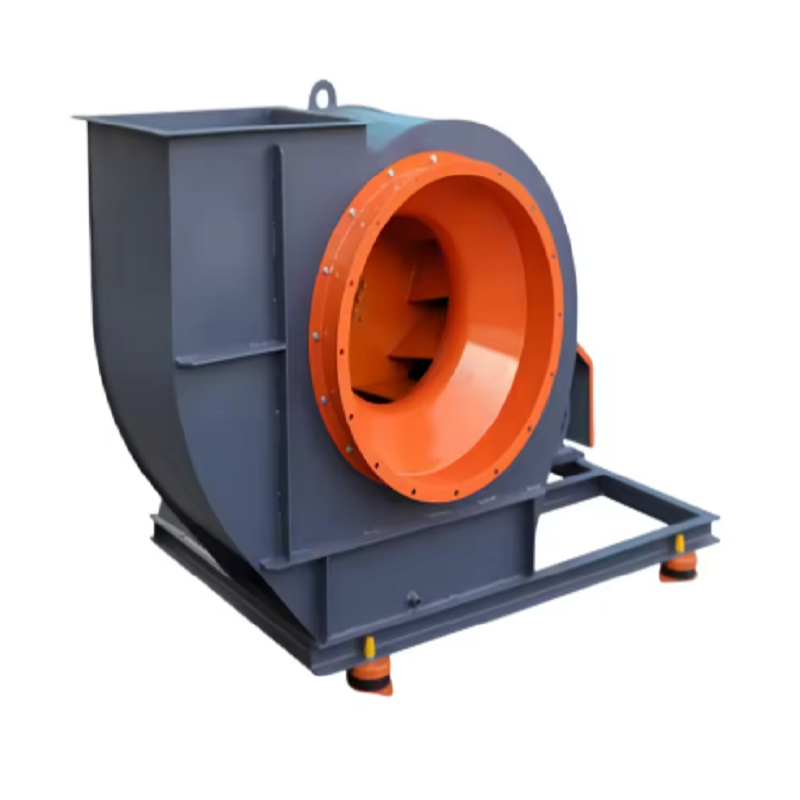
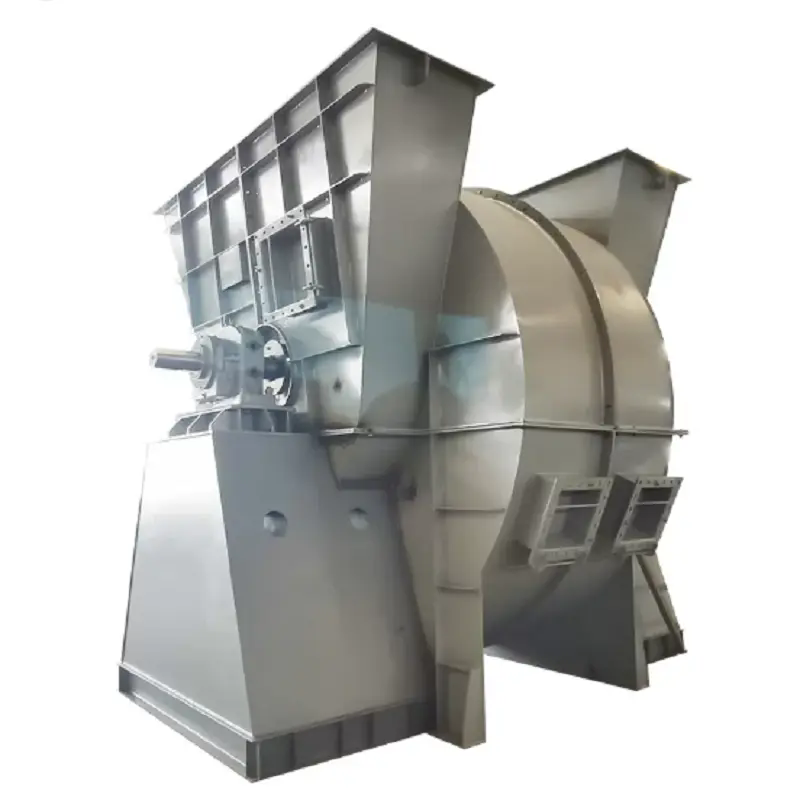
When choosing an industrial ventilation system, selecting the right centrifugal fan directly affects efficiency, energy consumption, stability, and long-term maintenance cost. Among different configurations, the Type F Centrifugal Fan is widely used in industrial dust removal, material conveying, boiler systems, and ventilation engineering due to its stable pressure output and strong adaptability.

This article will break down the key selection factors, provide step-by-step guidance, and include a real-world application case involving Hebei Ketong.

1. Understand Your Process Requirements First

Before selecting a Type F Centrifugal Fan, the most critical step is to define your operating conditions:

Required airflow (m³/h)

System pressure (Pa)

Temperature of medium

Dust or corrosive gas presence

Continuous or intermittent operation

For example, in cement or metallurgy plants, airflow is often high-pressure and dust-laden, which makes the Type F Centrifugal Fan a strong candidate due to its reinforced impeller design.

2. Selecting the Right Type F Centrifugal Fan Model

Not all centrifugal fans are the same. The Type F Centrifugal Fan typically refers to a forward-curved, backward-curved, or specially reinforced industrial configuration depending on manufacturer standards.

When selecting, consider:

Step 1: Match pressure curve

Ensure the fan operating point is near the highest efficiency zone on the curve.

Step 2: Confirm impeller material

Carbon steel for normal air

Stainless steel for corrosive gases

Wear-resistant coating for dust-heavy environmentsStep

 Step 3: Check drive system

Direct drive vs belt drive affects maintenance cost and stability.

A properly selected Type F Centrifugal Fan can reduce energy consumption by up to 15–30% compared to an oversized or mismatched unit.

3. Structural Strength and Durability

Industrial environments often involve vibration, dust accumulation, and long operating hours. Therefore, when choosing a Type F Centrifugal Fan, you should evaluate:

Housing thickness and reinforcement ribs

Dynamic balancing grade of impeller

Bearing brand and lubrication system

Anti-wear liner options

Manufacturers like Hebei Ketong often reinforce fan casings and optimize impeller geometry to extend service life in harsh working conditions.

4. Energy Efficiency and Long-Term Operation Cost

A common mistake is focusing only on purchase price. In reality, operating cost dominates total lifecycle cost.

A well-designed Type F Centrifugal Fan should:

Operate near BEP (Best Efficiency Point)

Use high-efficiency motor (IE3 or IE4)

Minimize pressure loss in duct system

For example, improving system efficiency by just 10% can save thousands of kilowatt-hours annually in continuous production lines.

5. Installation and Maintenance Considerations

Even the best Type F Centrifugal Fan can underperform if installed incorrectly.

Key installation steps:

1.Ensure rigid foundation alignment

2.Avoid duct leakage at inlet/outlet

3.Maintain proper belt tension (for belt-driven systems)

4.Install vibration dampers if needed

Maintenance checklist:

Regular bearing lubrication

Impeller dust cleaning

Vibration monitoring

Belt wear inspection

6. Real Industrial Application Case (Hebei Ketong Project)

A steel processing plant in Northern China required a stable dust extraction system for a cutting workshop. The environment included:

High dust concentration

Continuous 24/7 operation

Medium-high static pressure requirement

Solution:The engineering team from Hebei Ketong recommended a customized Type F Centrifugal Fan system with:

Wear-resistant impeller coating

Reinforced volute housing

External belt-driven motor system for easier maintenance

Results:

Dust removal efficiency increased by 22%

Maintenance interval extended from 3 months to 6 months

Energy consumption reduced by approximately 18%

This case shows how a properly configured Type F Centrifugal Fan can significantly improve industrial performance when matched correctly to system requirements.

7. Common Mistakes to Avoid 

When selecting a Type F Centrifugal Fan, avoid these errors:

Oversizing the fan “just in case”

Ignoring system resistance calculations

Choosing wrong material for gas conditions

Neglecting long-term maintenance access

These mistakes often lead to higher energy costs and reduced fan lifespan.

Conclusion

Choosing the right industrial fan is not just a purchasing decision—it is a system engineering task. The Type F Centrifugal Fan offers strong adaptability, stable pressure output, and wide industrial applicability, but only when properly selected based on real operating conditions.

With engineering experience from manufacturers like Hebei Ketong, companies can achieve better efficiency, lower maintenance costs, and improved production stability.

Related News
Leave me a message
X
We use cookies to offer you a better browsing experience, analyze site traffic and personalize content. By using this site, you agree to our use of cookies.Privacy Policy
RejectAccept