News

Stainless Steel Fan Market Sees Growing Demand for High Performance Industrial Ventilation Solutions

2026-08-04 0 Leave me a message

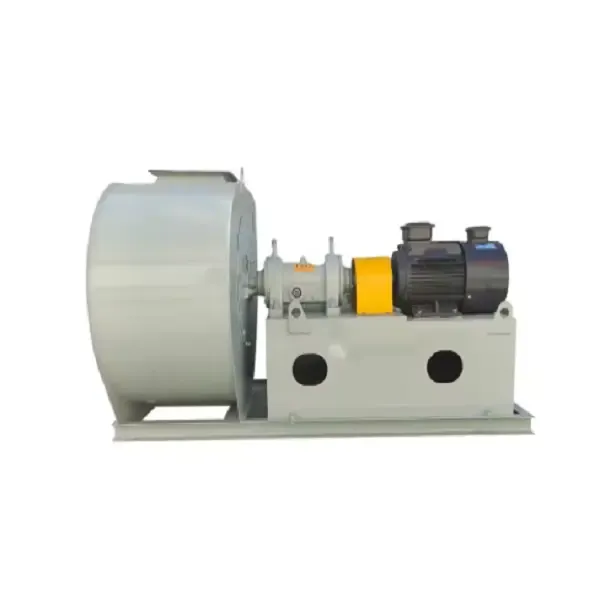
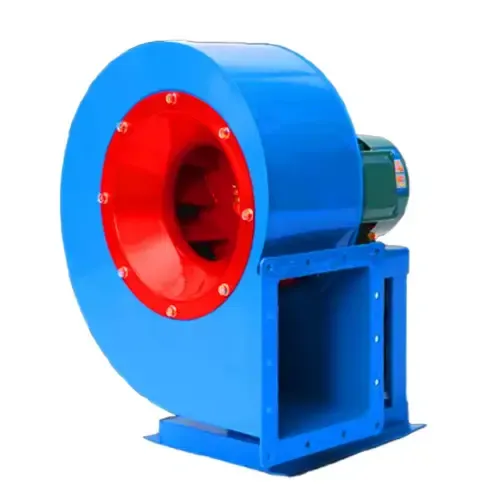
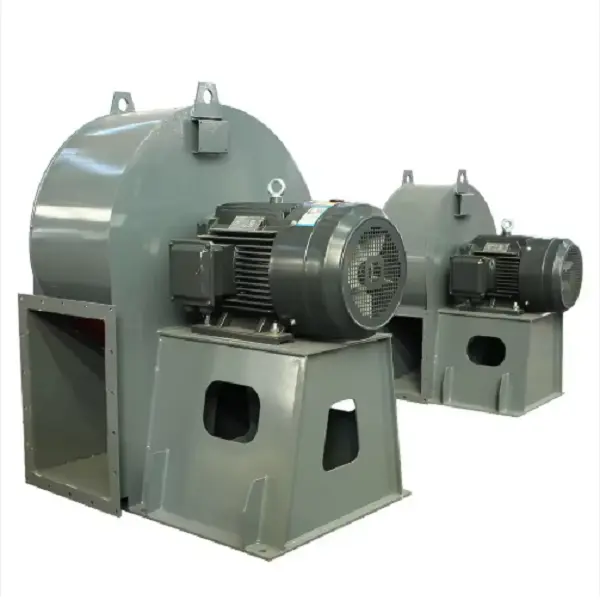
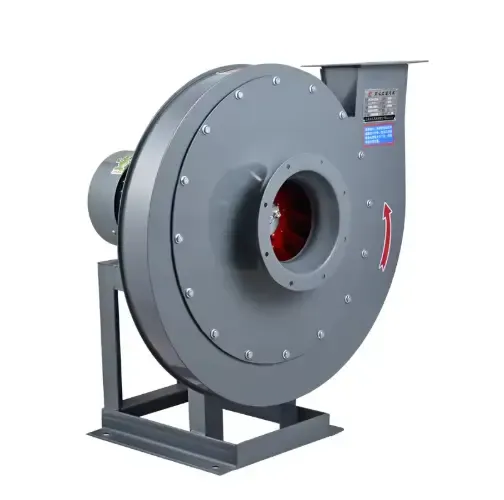
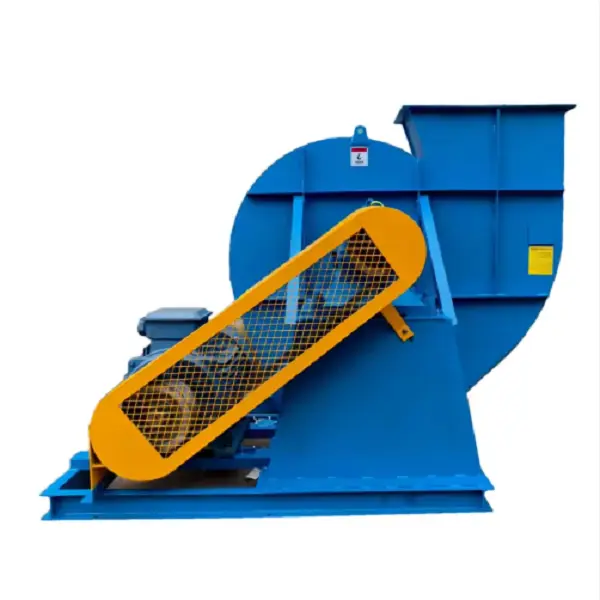
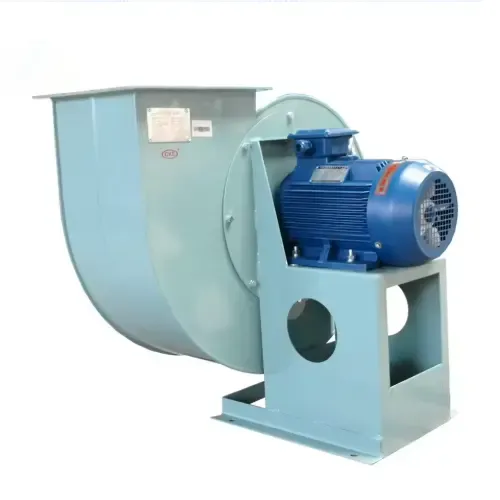
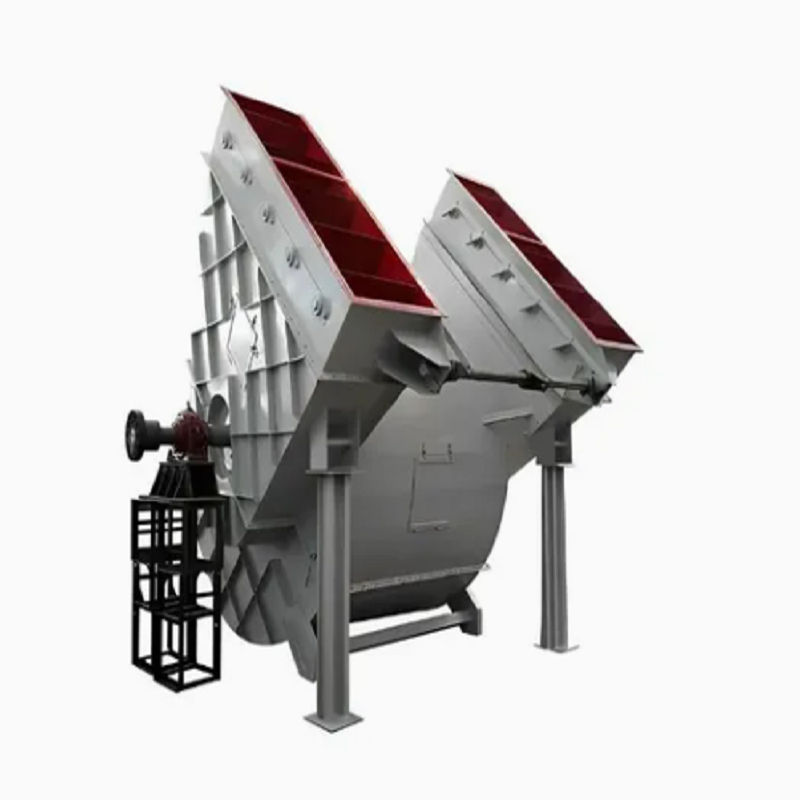
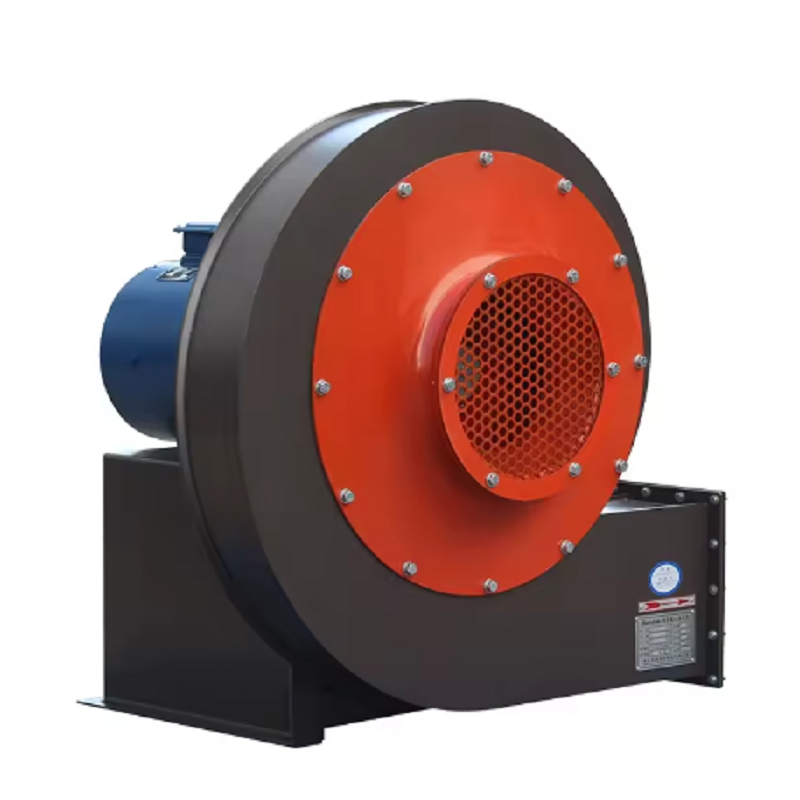
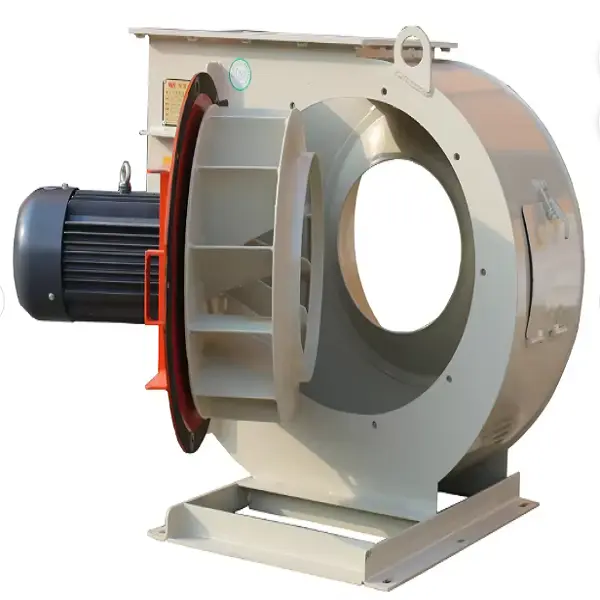
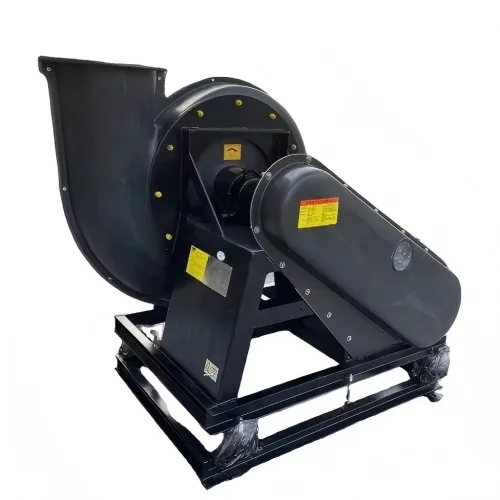
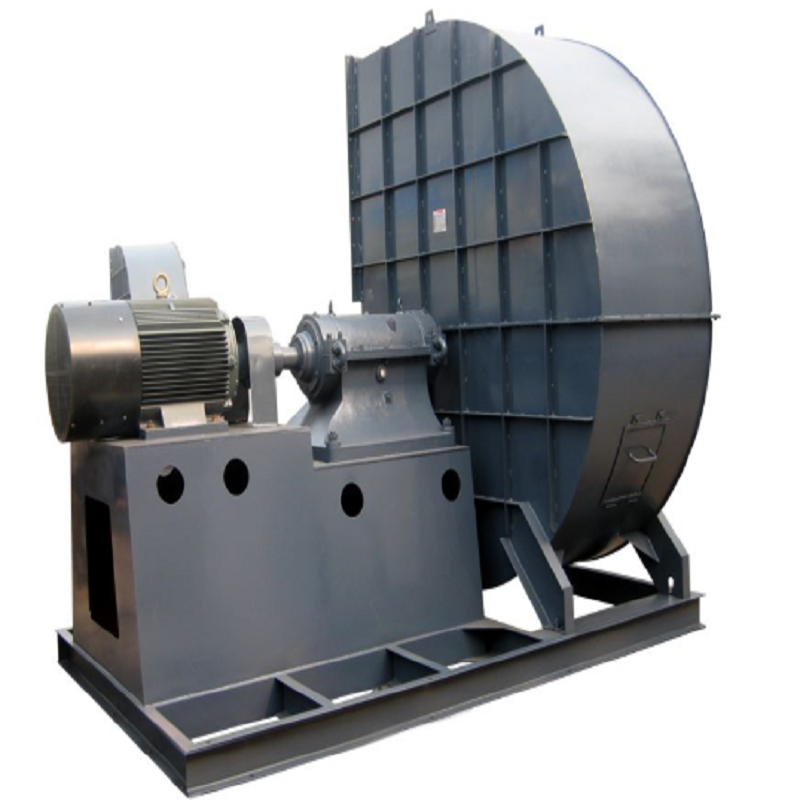
The demand for advanced industrial ventilation equipment continues to increase as manufacturers face stricter requirements for production safety, energy efficiency, and corrosion resistance. Among various ventilation solutions, the stainless steel fan has become an important choice for industries that operate in demanding environments, including chemical processing, food production, pharmaceutical manufacturing, and metal treatment facilities.

Unlike conventional carbon steel fans, stainless steel models provide better resistance against moisture, chemical corrosion, and high-temperature conditions. This makes them suitable for applications where standard ventilation equipment may suffer from rapid wear or performance degradation. As industrial companies focus on reducing maintenance costs and improving operational reliability, the adoption of stainless steel ventilation systems is expanding worldwide.

Growing Applications of Stainless Steel Fans in Harsh Industrial Environments

Industrial production environments often expose ventilation equipment to corrosive gases, humidity, dust, and chemical particles. Under these conditions, material selection becomes a critical factor affecting equipment lifespan. A stainless steel fan offers excellent durability because stainless steel materials such as SS304 and SS316 provide strong resistance against oxidation and chemical attack.

For example, a chemical manufacturing plant in Southeast Asia previously used traditional steel exhaust fans for an acid processing workshop. After several months of operation, corrosion appeared on the fan housing and impeller, resulting in increased vibration and frequent maintenance. After replacing the system with a stainless steel fan made from SS316 material, the plant significantly improved equipment stability and extended maintenance intervals.

This case demonstrates that choosing the correct material is not only about initial investment but also about long-term operating efficiency and reliability.

Stainless Steel Fan Design Improvements Enhance Performance

Modern industrial ventilation systems require more than corrosion resistance. Airflow performance, energy consumption, noise control, and operational stability are also key factors considered by engineers. Manufacturers are now optimizing impeller designs, blade angles, and motor configurations to improve overall fan efficiency.

A well-designed stainless steel fan can maintain stable airflow even in challenging production environments. During the engineering process, factors such as air volume, static pressure, gas temperature, and operating conditions must be carefully calculated to ensure the fan matches the ventilation system requirements.

In a food processing factory project, engineers selected a stainless steel fan for a high humidity production area where cleaning operations were performed daily. By using a stainless steel structure combined with proper drainage design, the fan maintained reliable performance while reducing corrosion-related downtime.

Energy Efficiency Becomes a Key Factor in Industrial Fan Selection

Energy consumption is another major concern for industrial companies. Since ventilation equipment often operates continuously for many hours, even small improvements in efficiency can create significant cost savings over time.

A high-efficiency stainless steel fan can help reduce energy waste through optimized aerodynamic design and correctly matched motor power. Variable frequency drives (VFDs) are also commonly integrated into ventilation systems, allowing operators to adjust fan speed according to real production requirements.

For instance, a pharmaceutical factory upgraded its exhaust system by replacing multiple traditional fans with energy-efficient stainless steel fan units equipped with frequency control. The new system allowed operators to adjust airflow during different production stages, improving ventilation performance while lowering unnecessary energy consumption.

Stainless Steel Fans Support More Demanding Industrial Standards

With the development of industries requiring cleaner and safer production environments, ventilation equipment must meet increasingly strict standards. Applications such as pharmaceutical facilities, laboratories, electronics manufacturing, and food processing require equipment that can operate reliably while minimizing contamination risks.

A stainless steel fan is widely used in these industries because the smooth surface of stainless steel reduces dust accumulation and makes cleaning easier. In sanitary production areas, this advantage helps companies maintain better hygiene control and comply with industry regulations.

In addition, stainless steel construction allows fans to operate in environments where frequent washing or chemical cleaning is required, providing a longer service life compared with conventional materials.

Future Development Trends of Stainless Steel Fan Technology

The industrial ventilation market is moving toward higher efficiency, smarter control systems, and customized solutions. Future fan designs will focus on improving aerodynamic performance, reducing noise levels, and integrating intelligent monitoring technologies.

Manufacturers are also developing more application-specific solutions based on different industries. Whether used for corrosive gas extraction, high humidity environments, or clean production facilities, the stainless steel fan will continue to play an important role in modern industrial ventilation systems.

As companies worldwide look for reliable equipment that can reduce maintenance costs and improve production efficiency, stainless steel ventilation technology is expected to experience continued growth. Selecting the right fan design, material grade, and operating parameters will remain essential for achieving long-term performance.

Related News
Leave me a message
X
We use cookies to offer you a better browsing experience, analyze site traffic and personalize content. By using this site, you agree to our use of cookies.Privacy Policy
RejectAccept